

Saudi FM urges UN to protect maritime routes amid Iranian and Houthi attacks
Faisal bin Farhan demands return of Hormuz to condition it was in before war, rejects use of vital waterways as pressure tactic
 Add ToI as a Preferred Source on Google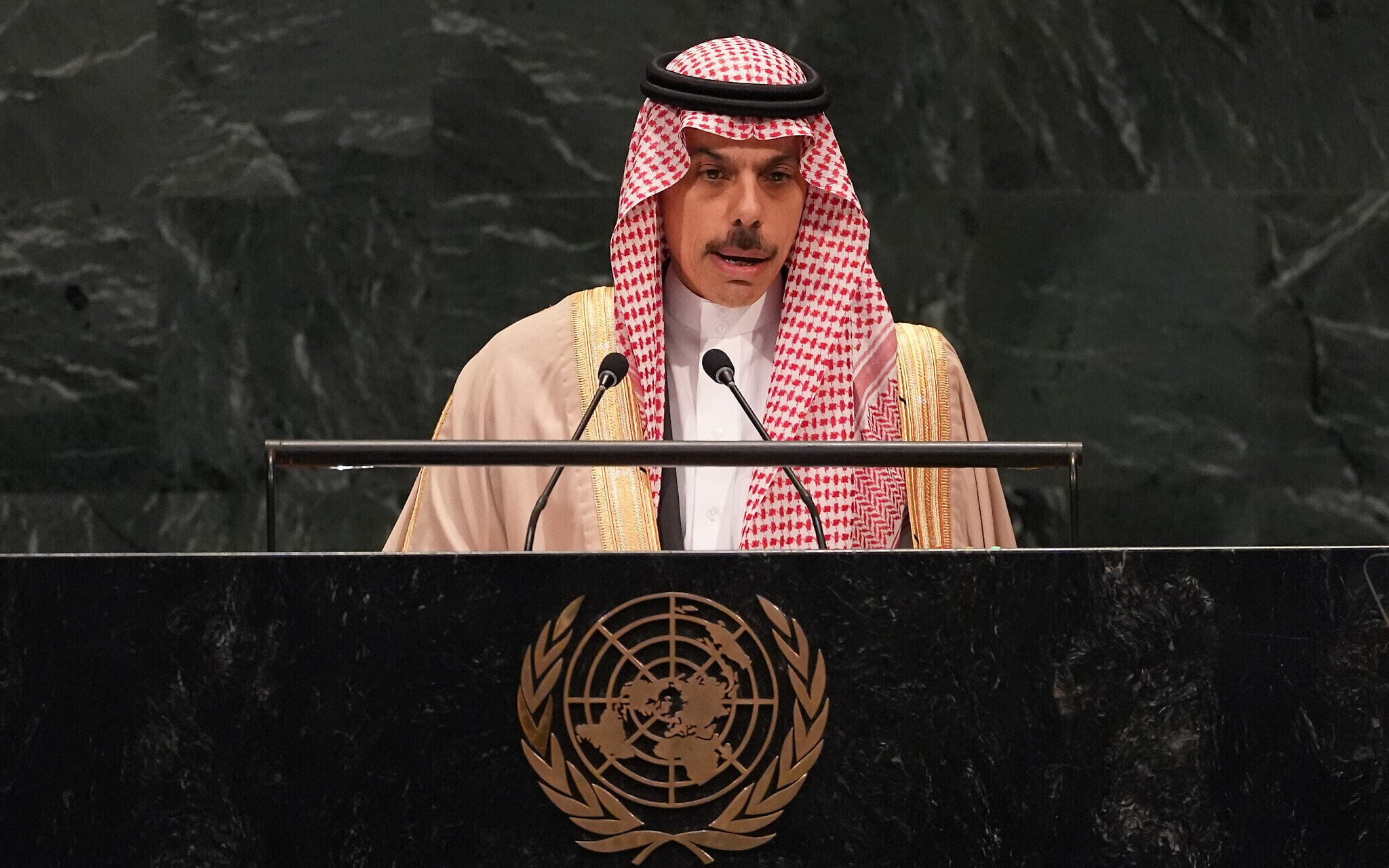
Saudi Arabia warned UN members Saturday that attempts to block Middle East waterways are a threat to global energy security and demanded the international community do more to defend freedom of navigation.
Since the United States and Israel launched their war on Iran in late February, Tehran has disrupted shipping through the Strait of Hormuz, while its Houthi allies in Yemen have subsequently done the same in the Bab al-Mandab Strait. Both waterways are vital routes for oil and gas exports.
“The international community has been absent from assuming its responsibilities in confronting all that threatens international peace and security,” Saudi Foreign Minister Faisal bin Farhan told the United Nations General Assembly.
“The kingdom stresses the importance of guaranteeing the protection of freedom of navigation in all international waterways, foremost among them the Strait of Hormuz, the Bab al-Mandab Strait, the Red Sea, the Gulf of Aden,” he said.
The minister further demanded “the return of conditions in the Strait of Hormuz to what they were before February 28, without imposing any fees or taxes.
“The kingdom rejects any party’s use of these vital passages as a tool for pressure, threat, or harm to the interests of states, in a manner consistent with international law and relevant United Nations resolutions,” he said.
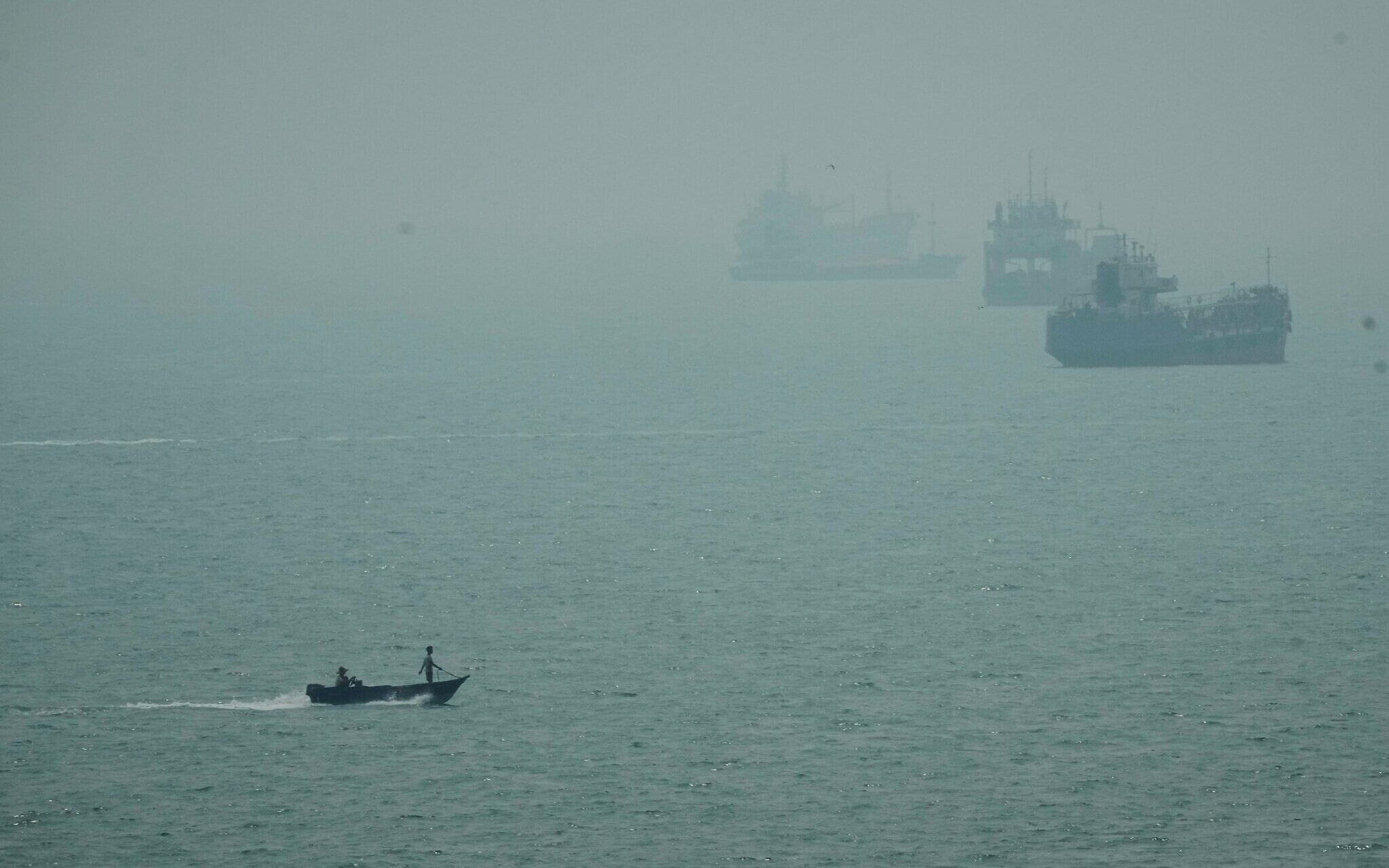
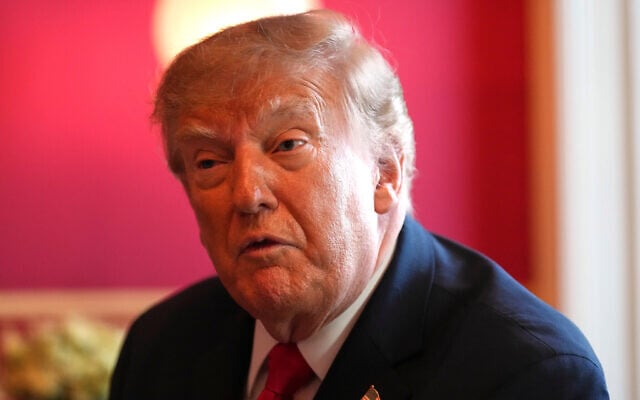
Bin Farhan was speaking shortly after US President Donald Trump rejected an Iranian proposal for a deal to reopen Hormuz, in exchange for — among other conditions — a Middle East ceasefire and the release of frozen Iranian assets.
The US and Israel went to war to degrade the Iranian regime’s military capabilities, distance threats posed by Iran — including its nuclear and ballistic missile programs — and “create the conditions” for the Iranian people to topple the regime, the military and other Israeli leaders have said.
Israel and Iran largely stopped exchanging fire in April, but US-Iranian tensions over the Strait of Hormuz and Iran’s nuclear program continue.
Meanwhile, the Iran-backed Houthis have imposed a naval blockade on Saudi Arabia, hitting its tankers, seizing swaths of Yemen’s Red Sea coast vital for oil exports and causing energy prices to jump, while also raining missiles on the kingdom.





The Times of Israel Community.