

Report: PM’s aide Urich built AI tool to monitor media, causing security breach
Haaretz says program sent summaries of reports on Netanyahus to WhatsApp groups; it was left in public view online, exposing top officials’ phone numbers and other vulnerabilities
 Add ToI as a Preferred Source on Google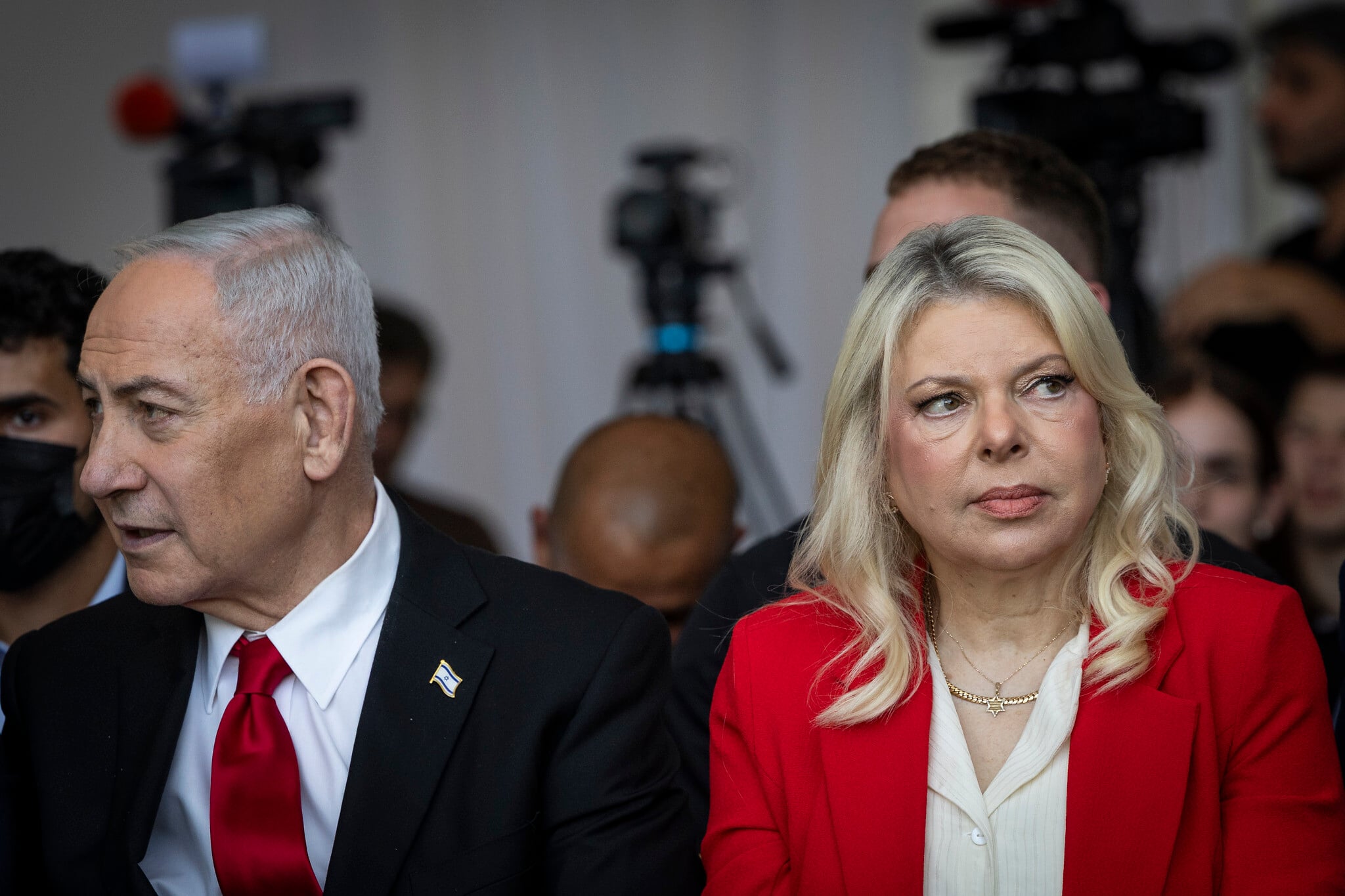
Prime Minister Benjamin Netanyahu’s senior adviser Jonatan Urich created an artificial intelligence system for monitoring media reports surrounding the premier and his wife that led to a security breach, exposing sensitive information, before it was taken down, according to a Haaretz report.
The AI tool, which was created by Urich using Anthropic’s Claude engine, automatically scans around 50 news sources every 90 seconds, and sends immediate summaries of the reports to one of two WhatsApp groups, one for all news surrounding the prime minister and his Likud party, and one specifically for mentions of Sara Netanyahu, the report said.
The tool, which was uploaded by Urich to the code-sharing site GitHub, was left unencrypted and completely visible to the public, the report said, exposing confidential information such as private phone numbers of senior officials. It also used an unencrypted token, a key that could allow anyone to access the WhatsApp groups’ data and send messages in the bot’s stead.
That was until Haaretz contacted Urich for comment, at which point he restricted the GitHub account, removing the tool from public view on the site.
According to the report, the tool had been operating constantly since at least September 1, and had conducted at least 19,000 scans of media reports as of Thursday.
The sources scanned by the AI tool include news sites in Israel, including The Times of Israel, the social media accounts of several top reporters, as well as dozens of top open-source intelligence reporting accounts on Telegram, including the popular Abu Ali Express channel.
According to the report, the tool was assigned various key words to monitor, such as the names of Netanyahu, his wife, and other top political figures in the country, including his election rivals Gadi Eisenkot, Yair Golan, Naftali Bennett, Yair Lapid and Avigdor Liberman, as well as the names of the top dozen or so political parties in Israel.

It assigns the reports a weighted score based on an index created by Urich to rank the importance of each report, prioritizing reports from mainstream outlets such as Channel 12, Ynet, and Kan over the pro-Netanyahu Channel 14.
The code also monitors all election polls published by Israeli media outlets and summarizes their results into the Whatsapp groups connected to the AI tool.
Urich also programmed the tool to send a suggested media response to each report, with the publicly available GitHub account showing the following prompt: “For each piece of news that requires comment, formulate the news in one factual and precise sentence, why it is important to us in one sentence, whether to respond and how.”
According to Haaretz, a central component of the AI tool was faulty, with the data showing that it suffered from several glitches and failed to do its intended task more often than it succeeded.
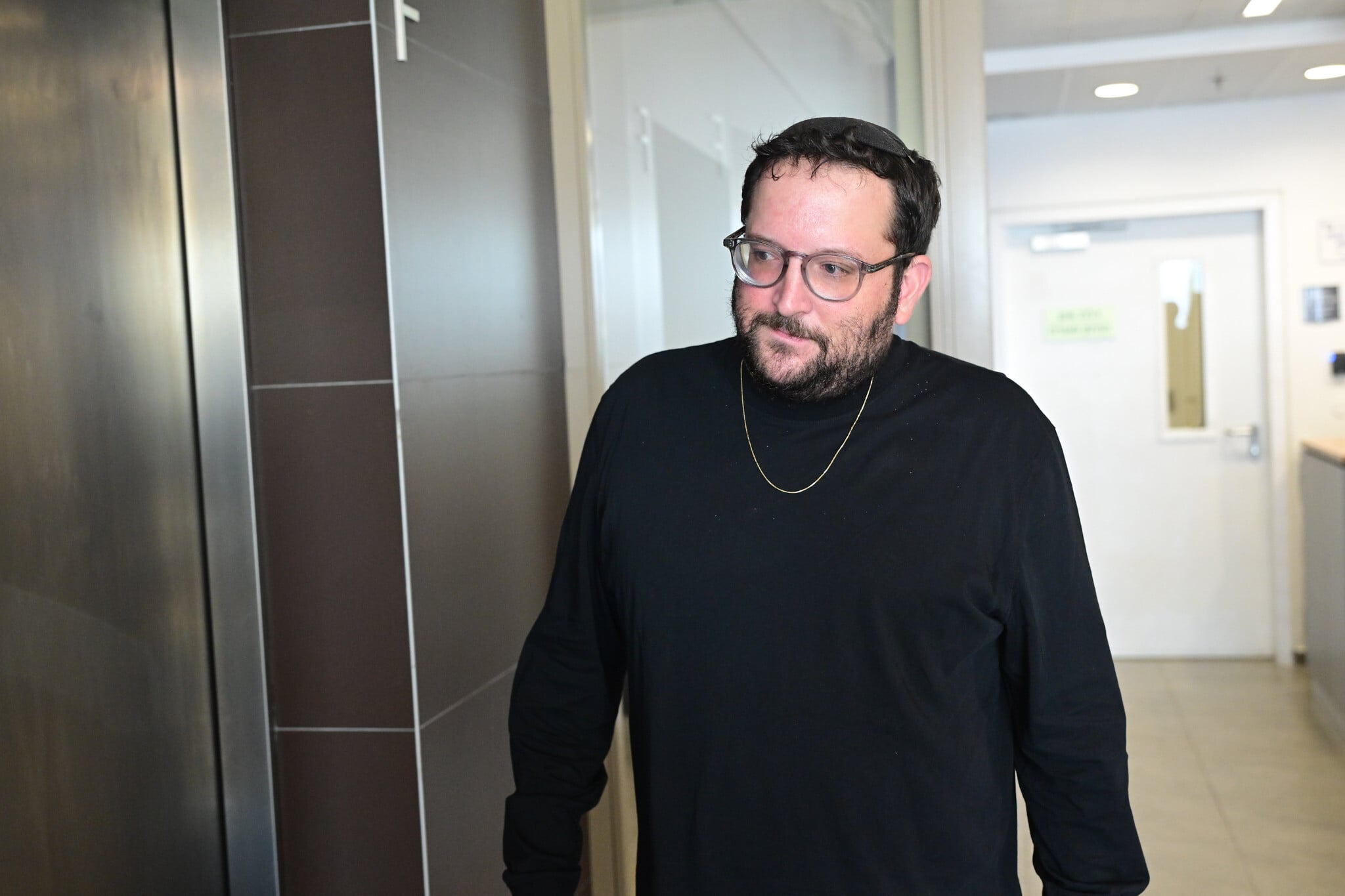
Urich, who has served as a senior adviser to Netanyahu for years, was indicted on June 11 on a charge of transmitting classified information with the intent to harm state security, over his involvement in leaking classified documents to the press. The charge relates to Urich’s role in the leak of a classified document from IDF military intelligence to the Bild newspaper in September 2024, apparently as part of an effort to buttress Netanyahu’s claim that it was Hamas, not the prime minister, that was holding up a deal for the release of hostages held in Gaza.
He is also a suspect in the so-called Qatargate affair, in which he and other top advisers to Netanyahu are alleged to have taken money to spearhead a public relations campaign to cast Qatar in a positive light for over a year after the October 7, 2023, Hamas attack, despite the Gulf state hosting the terror group.
Both the Bild and Qatargate affairs have become major political liabilities for Netanyahu, sparking accusations from critics regarding alleged conflicts of interest and graft among his closest advisers.




The Times of Israel Community.