

Netanyahu aide Urich charged with leaking classified info with intent to harm state security
PM’s adviser indictred for passing Hamas memo to Bild in 2024 amid domestic anger at Netanyahu after hostages’ murder; he is also charged with destroying evidence
 Add ToI as a Preferred Source on Google
Jeremy Sharon is The Times of Israel’s legal affairs and settlements reporter
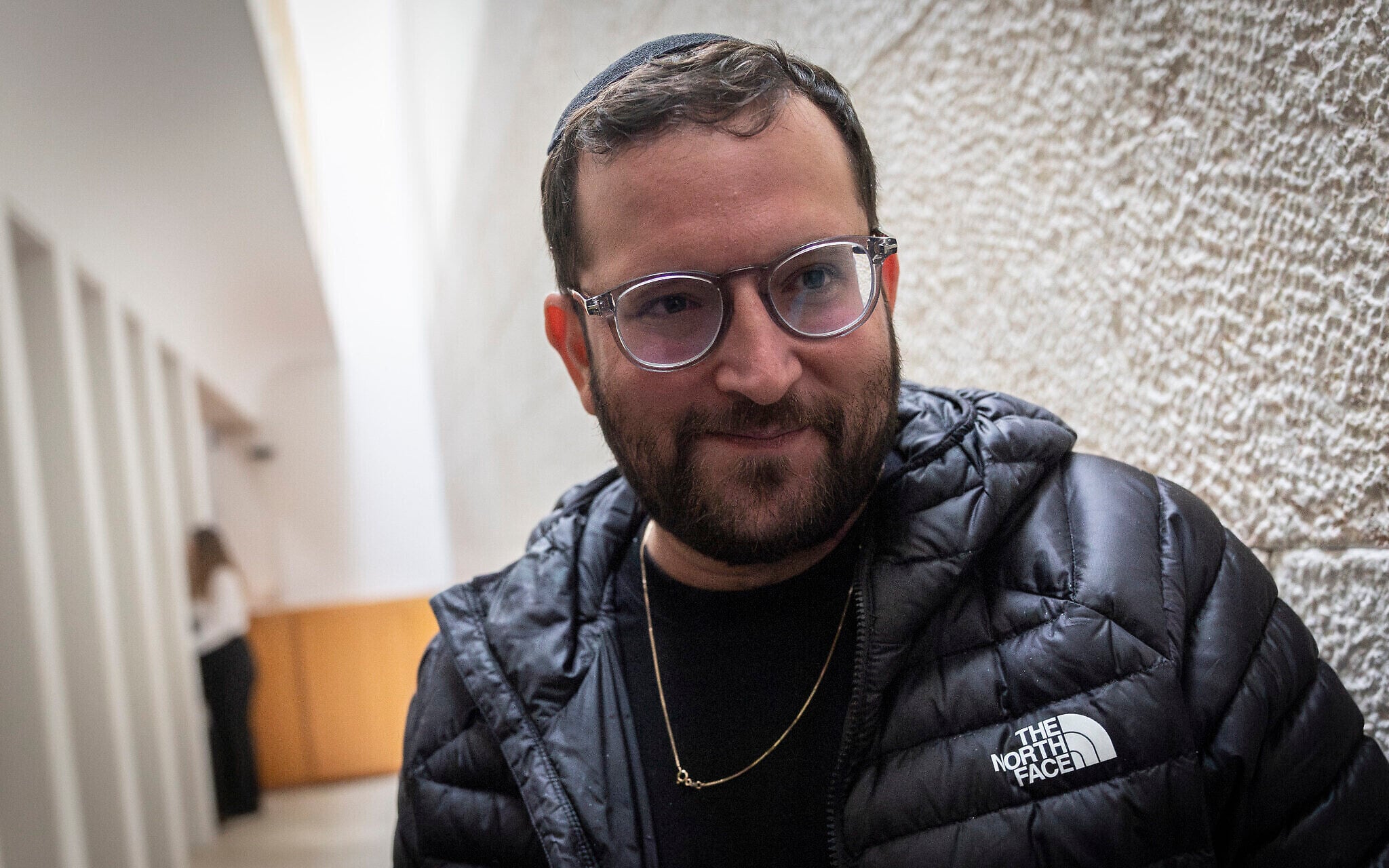
The State Attorney’s Office on Thursday indicted Jonatan Urich, a senior media adviser to Prime Minister Benjamin Netanyahu, on the charge of transmitting classified information with the intent to harm state security over his involvement in leaking documents to the press.
The prosecutors requested that the Tel Aviv District Court immediately bar Urich from the Prime Minister’s Office and from all security facilities and places where classified documents might be kept, and from contacting anyone involved in the case, until the end of legal proceedings against him. However, the court rejected the move with Judge Ala Masarwa deciding that the request for restrictive conditions will be dealt with in a court hearing on July 5.
The charges relate to Urich’s role in the leak of a classified document from IDF military intelligence to the Bild newspaper in September 2024, apparently as part of an effort to buttress Netanyahu’s claim that it was Hamas, not the prime minister, that was holding up a deal for the release of hostages held in Gaza.
The leak occurred days after six hostages were murdered by Hamas when Israeli troops unknowingly approached the place where they were being held under the southern Gaza city of Rafah.
The document — an internal Hamas memo obtained by IDF intelligence that ostensibly suggested the terror group was not interested in a hostage deal — was allegedly leaked to the German Bild newspaper in order to bypass Israel’s military censor.
The memo was some nine months old when it was leaked, and media reports later indicated that Bild had distorted the file to serve the interests of the Netanyahu government.

The indictment on Thursday alleged that Urich, together with Netanyahu’s former military affairs spokesman Eli Feldstein, leaked the document they obtained from IDF Military Intelligence NCO Ari Rosenfeld, knowing it was classified and that the military censor had blocked its publication in Israel, “while taking a real risk that critical security interests would be harmed” by the leak.
The indictment added that Feldstein – who has also been indicted over the affair – passed the classified information to other unauthorized individuals as well, in coordination with Urich.

Urich was also charged with destroying evidence by switching phones the day after Feldstein and Rosenfeld were arrested.
“The actions of Urich, Rosenfeld and Feldstein led to the disclosure of the existence of a secret intelligence asset, its capabilities and the methods by which it was used,” the State Attorney’s Office said in a statement to the press.
“The disclosure of the secret information to the public could cause real damage to the security interests of the State of Israel, mainly in the field of intelligence gathering and the disclosure of intelligence sources, through whom human lives are saved, since [the leak] could reveal missions, capabilities, methods of operation and the classified methods used by the intelligence community in various arenas,” it said.
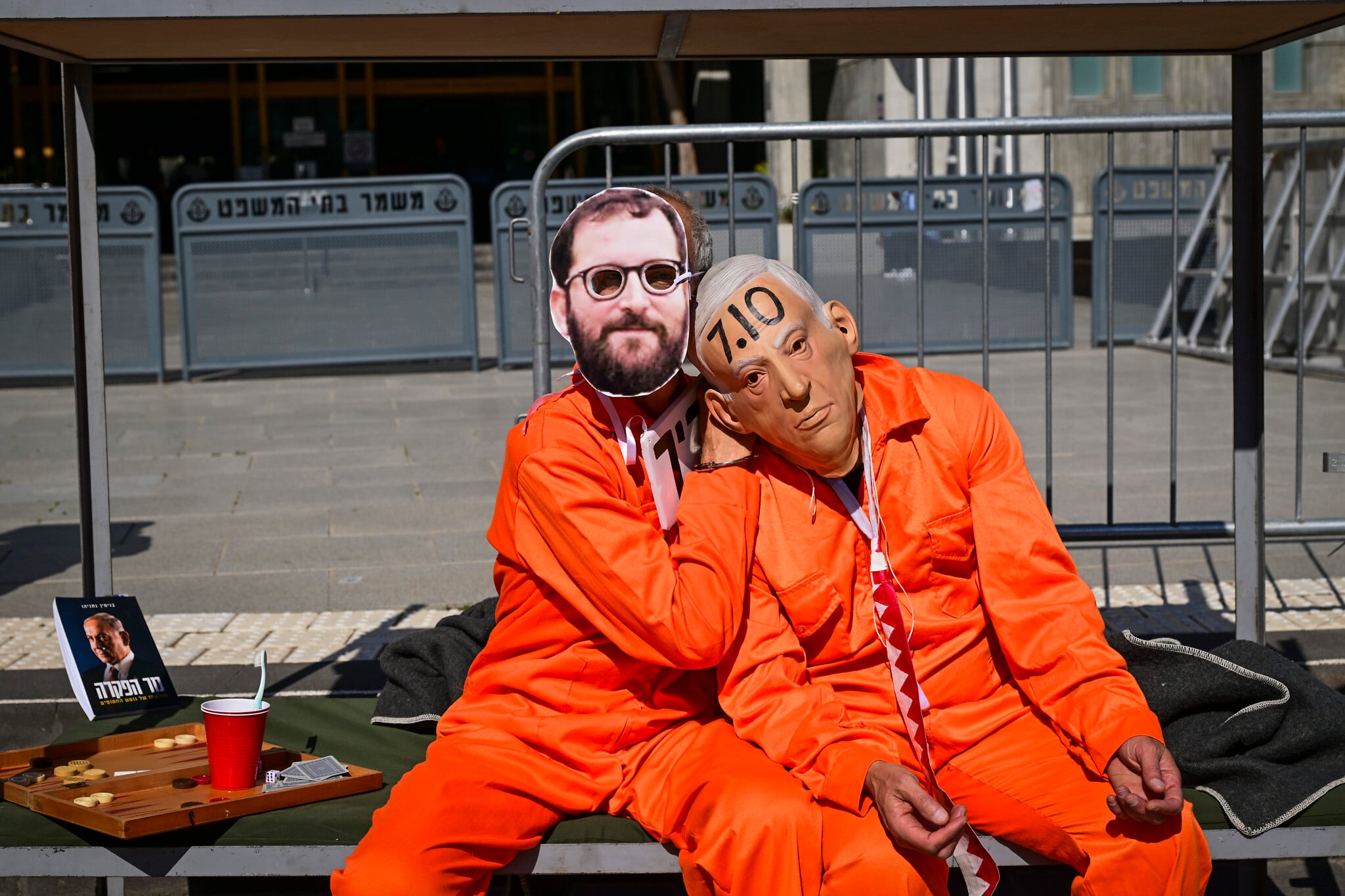
According to Feldstein, Urich was informed of his plan to leak the document and approved it. When Israeli media outlets said they could not publish it because of the limitations of the military censor, Feldstein says Urich helped him find a foreign outlet to publish it, with the assistance of Likud party adviser Yisrael Einhorn.
Netanyahu’s former chief of staff Tzachi Braveman is also expected to be indicted, pending a hearing, on charges of obstruction of justice and fraud and breach of trust, over a meeting he held with Feldstein in which he allegedly informed the latter about the investigation and said he could quash it.
Feldstein, Urich, and Einhorn are also suspects in the so-called “Qatargate” affair, in which the three are alleged to have taken money to spearhead a public relations campaign to cast Qatar in a positive light for over a year after the October 7, 2023, Hamas attack, despite the Gulf state hosting the terror group.
Both the Bild and Qatargate affairs have become major political liabilities for Netanyahu, sparking accusations from critics regarding alleged conflicts of interest and graft among his closest advisers.
Times of Israel staff contributed to this report.







The Times of Israel Community.