

Arab parties Hadash, Ta’al, Balad announce joint electoral slate — without Ra’am
Factions say they are ‘leaving the door open’ for Mansour Abbas’s party to join them before the election; former MK Michal Rozin to run in The Democrats primary
 Add ToI as a Preferred Source on Google
Ariela Karmel is a political correspondent at The Times of Israel. She previously reported for Calcalist and Haaretz. She holds an MA in Middle Eastern and African History from Tel Aviv University and a BA in Political Science from the University of British Columbia.

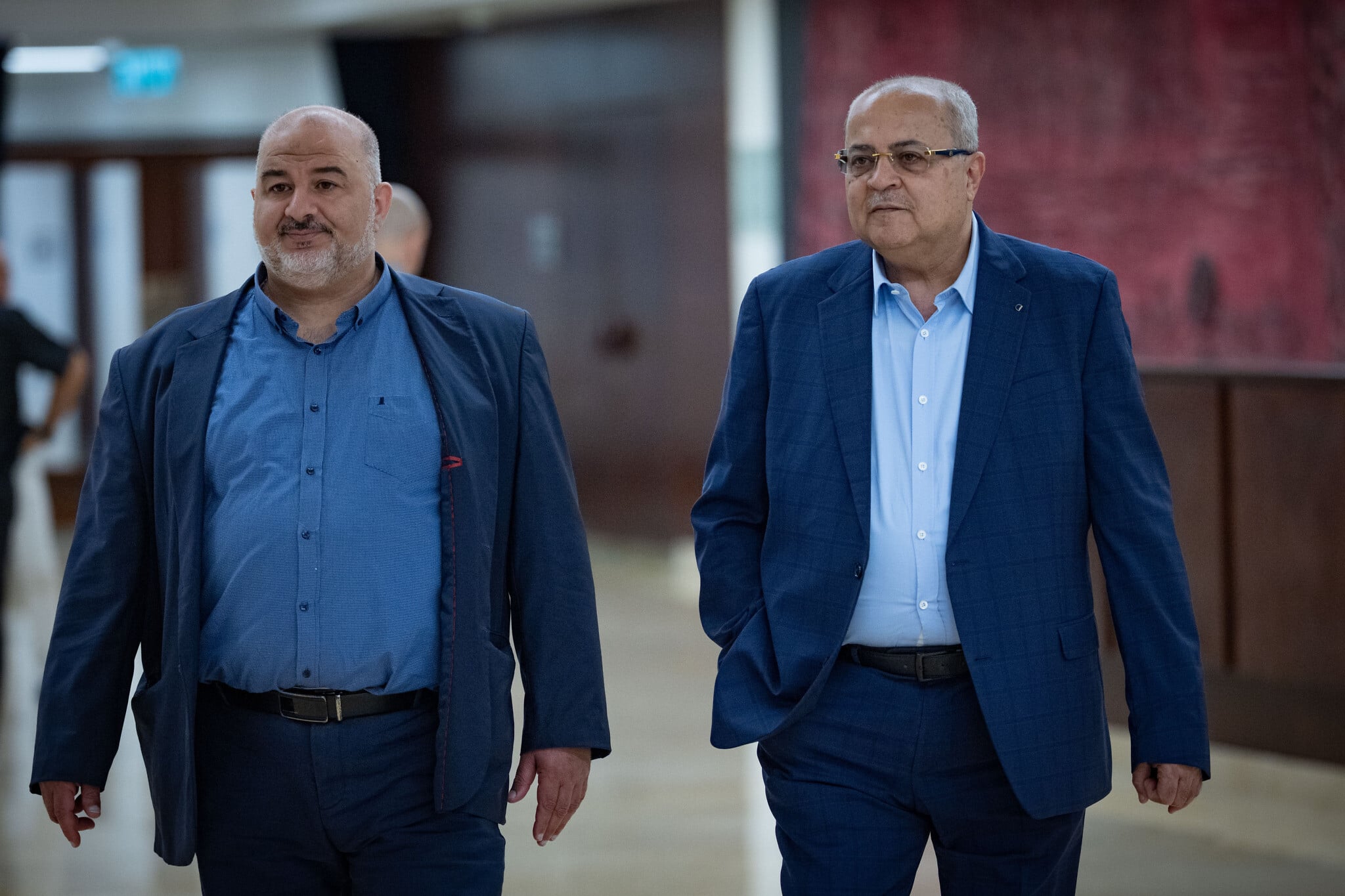
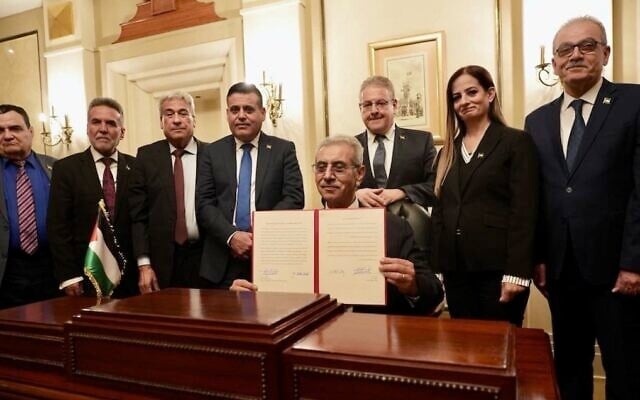
Arab-majority party Hadash announced on Wednesday that it was moving forward with reestablishing a joint electoral list with the Ta’al and Balad parties ahead of the upcoming national vote, while “leaving the door open” for Mansour Abbas’s Ra’am to join at a later stage.
“Hadash, Ta’al and Balad have decided to move forward with reestablishing the Joint List ahead of the upcoming elections,” the party said in a statement, adding that “a final agreement with Ra’am has not yet been reached” despite the other three parties’ “efforts and flexibility.”
Hadash said it remains committed to forming “the broadest possible joint list,” but that it cannot remain in “a state of waiting and uncertainty.” The party added that even if Ra’am ultimately runs independently, they will seek to sign a vote-sharing agreement with the faction to maximize surplus votes and boost turnout.
The four Arab-majority parties signed an agreement in January committing to work together to revive the joint ticket ahead of this year’s election, but negotiations stalled for months, mainly due to Abbas’s insistence that the bloc be purely technical, to preserve Ra’am’s ability to join a governing coalition, which the other Arab parties oppose.
According to Hadash, the three parties ultimately accepted that demand. A source with knowledge of the negotiations told The Times of Israel that the main obstacle remaining in the talks was Ra’am’s demand that the other parties commit not to oppose or bring down any government that the Islamist party chooses to join.
That condition was a red line for the other three parties, the source said, arguing that they, “like Ra’am, insist on their right to act independently” and vote as they see fit.
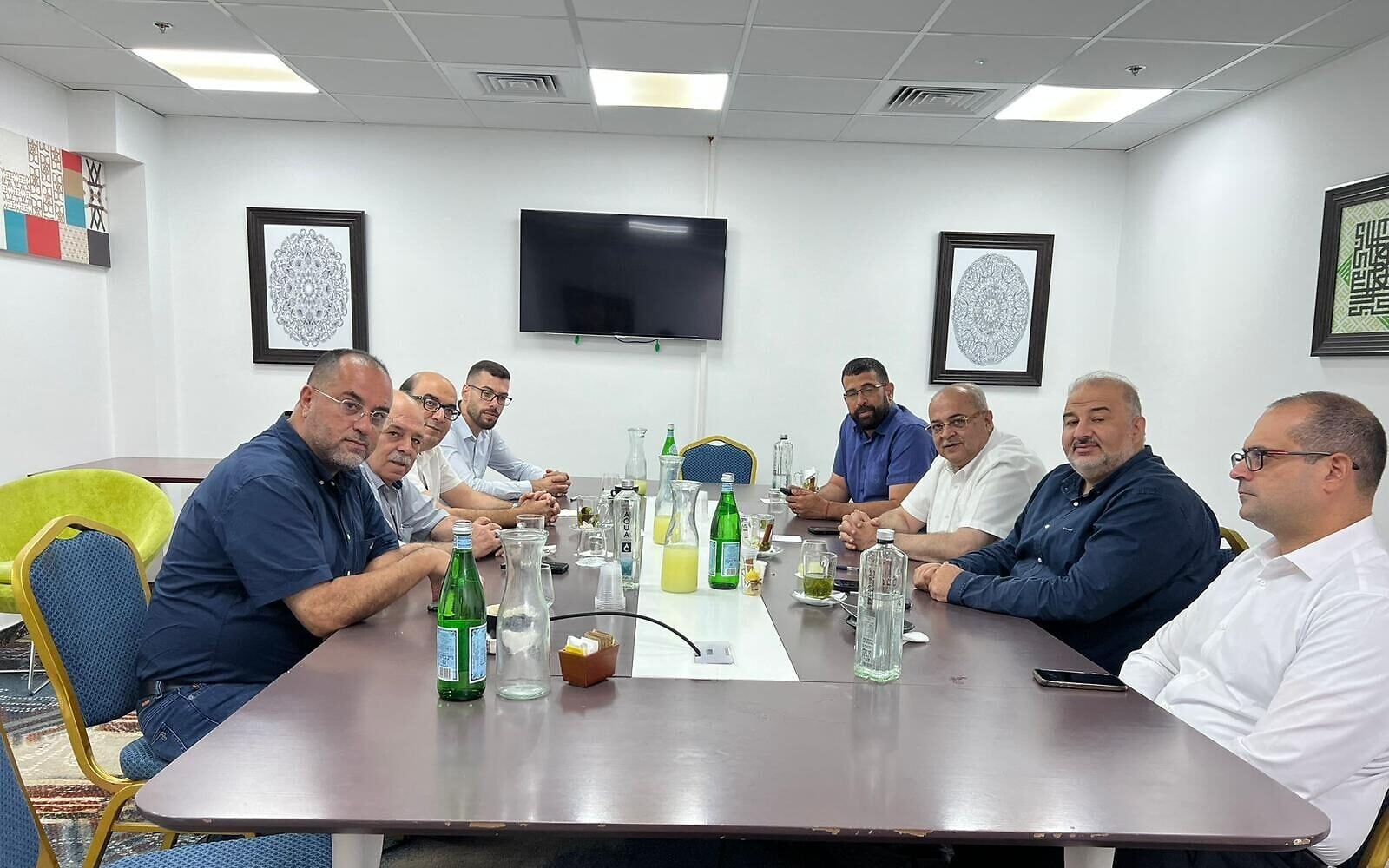
Representatives of the National Committee of Arab Local Council Heads met Tuesday in Sakhnin with leaders of all four parties to try and bridge the gaps, but the meeting failed to produce a breakthrough, a source said, accusing Ra’am of making progress “impossible.”
Polls show a joint slate of the four Arab-majority parties winning 12-15 seats in the upcoming election — which can be held no later than October 27 — but garnering a smaller number of seats if the parties run separately.
Last week, the Knesset advanced a bill to dissolve parliament and officially trigger a national election, but the final readings for the legislation have not yet been scheduled. No date for the election has been finalized.
The Joint List slate of Arab parties was first formed in 2015 and split up in 2021 after Ra’am broke away from the other parties to join the coalition led by Naftali Bennett and Yair Lapid. The slate collapsed altogether ahead of the 2022 election, when the nationalist Balad pursued an ultimately unsuccessful solo run, leaving the remaining two parties to form the joint Hadash-Ta’al list.
Last month, Hadash, Ta’al and Balad said that due to “existential dangers” posed by the current government, they were seeking to reestablish the union alongside Ra’am in order “to strengthen Arab representation and overthrow the extremist right-wing government.”
Bennett, considered a leading candidate to unseat Prime Minister Benjamin Netanyahu, has rejected Ra’am as a potential coalition partner, despite having led the 2021-2022 government that included the Islamist party. He has said his next government would include only Zionist parties and that, following the Hamas-led October 7, 2023, invasion and massacre, Israel’s coalition should not depend on a non-Zionist party.
Other opposition leaders have also either explicitly rejected Arab parties as coalition partners or called for a purely Zionist government, which would mean Arab parties are excluded. Netanyahu and his supporters regularly condemn and delegitimize the Arab parties.
Only Yair Golan, the leader of the left-wing Democrats, has openly encouraged his fellow opposition leaders to partner with Ra’am again, and urged them to “stop playing along” with the demonization of the party.
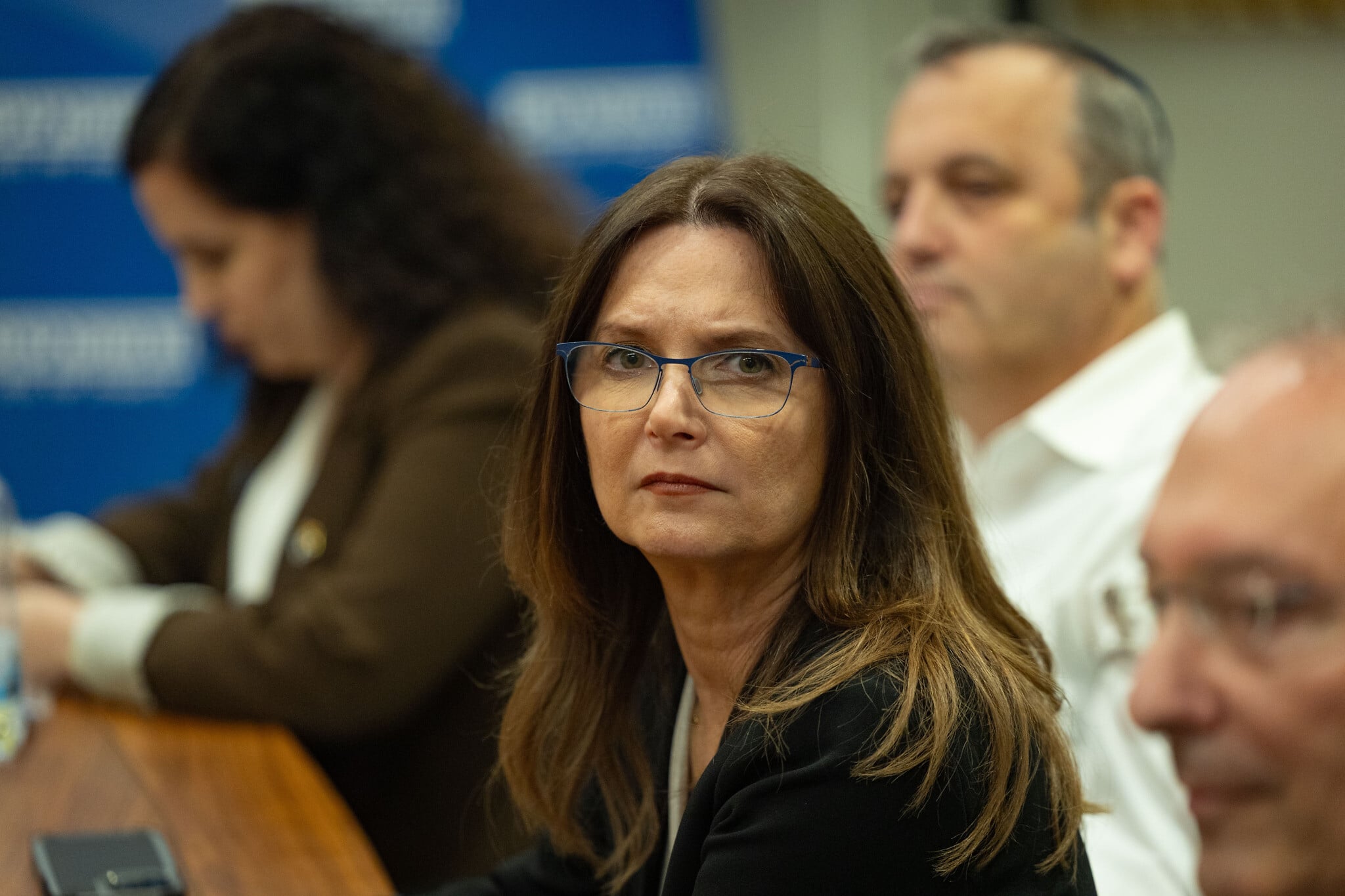
On Tuesday, former Meretz MK Michal Rozin announced that she will compete for a spot on The Democrats’ Knesset slate in the party’s internal primaries, set to be held this summer. The Democrats is a merger of the left-wing Labor and Meretz parties.
“There will not be a second chance for the rehabilitation of the State of Israel,” Rozin said, adding that she hopes to bring the parliamentary experience needed to help maintain a future anti-Netanyahu coalition and avoid the mistakes that led to the collapse of the Bennett-Lapid government in 2022.
Rozin, 56, served in the Knesset from 2013 to 2022. Before entering politics, she headed the Association of Rape Crisis Centers in Israel. She helped broker the 2024 merger between Labor and Meretz that formed The Democrats.
Last month, party members ratified an agreement guaranteeing Meretz candidates spots on the joint slate in the 6th, 8th and 14th positions. With The Democrats consistently polling around eight seats, the top two of those reserved slots are widely seen as realistic.
Golan endorsed Rozin’s candidacy, calling her “one of the most skilled lawmakers” he worked with during their years together in the Knesset under Meretz, and saying her return to politics will strengthen both the party and Israel’s democratic camp.
Rozin’s announcement follows news earlier this month that former deputy head of the National Security Council Eran Etzion and anti-government protest leader and lawyer Nava Rozolyo will also compete in the party’s primaries.






The Times of Israel Community.