

Arab parties urge Ra’am to join efforts to revive Joint List; Ra’am tepidly agrees
Hadash, Ta’al, Balad seek unity due to ‘existential dangers’ to Arab public and despite ‘significant gaps’ with Islamist party, which says it must retain its freedom of action
 Add ToI as a Preferred Source on Google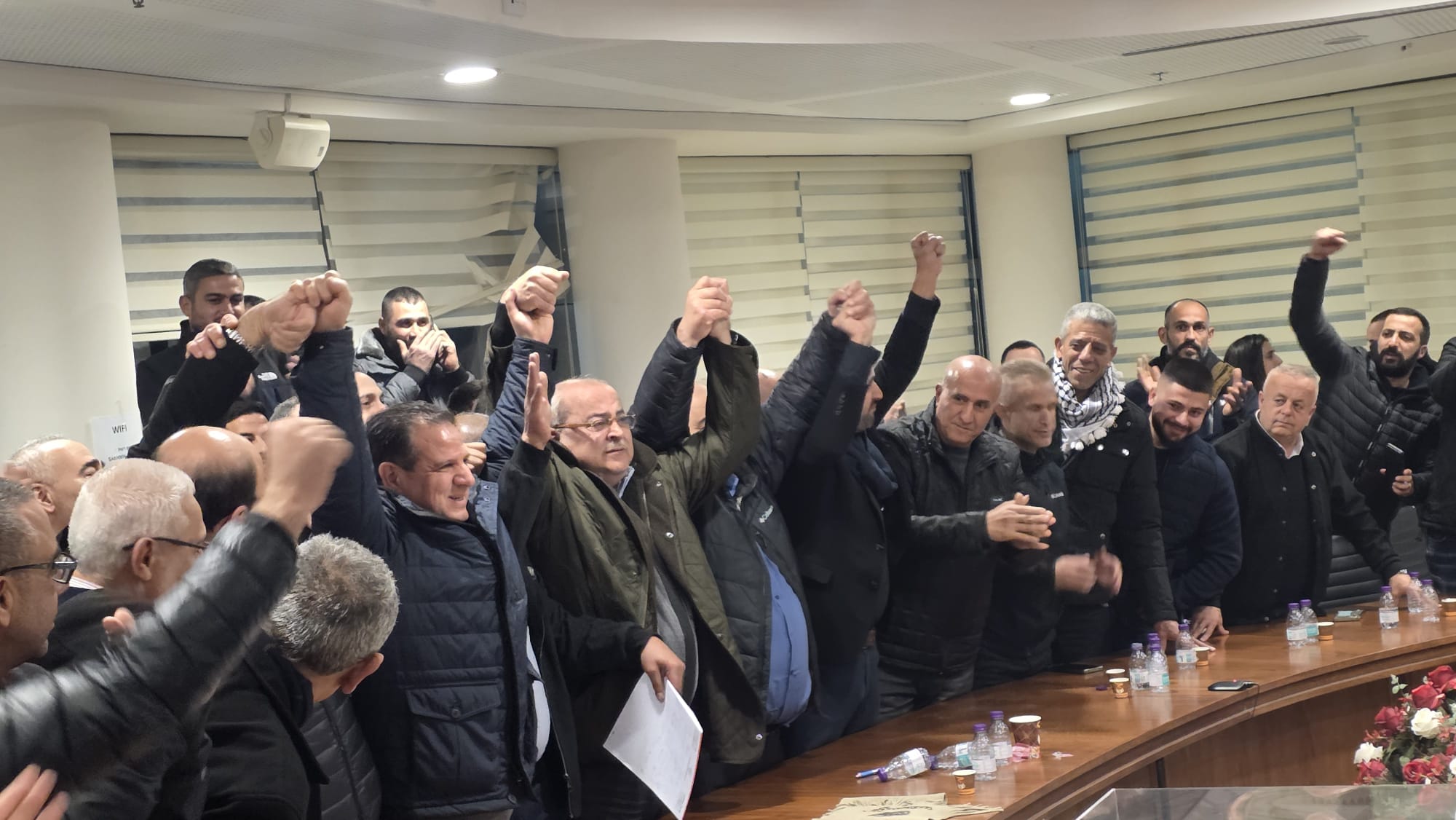
Three of the four Arab-majority political parties reiterated their readiness to form a joint electoral list ahead of the upcoming elections, with the fourth, the Islamist Ra’am — whose officials have declined to take part in recent consultations — saying it is ready to join the effort but must maintain independent freedom of action.
The appeal from Hadash, Ta’al and Balad on Sunday came after months of deadlock in negotiations to revive the four-party Joint List slate. The slate first formed in 2015 and split up in 2021 after Ra’am, headed by Mansour Abbas, broke away from the other parties to join the short-lived coalition led by then-prime ministers Naftali Bennett and Yair Lapid.
The slate collapsed altogether ahead of the 2022 elections when the nationalist Balad pursued an ultimately unsuccessful solo run, leaving the remaining two parties to form the joint Hadash-Ta’al list.
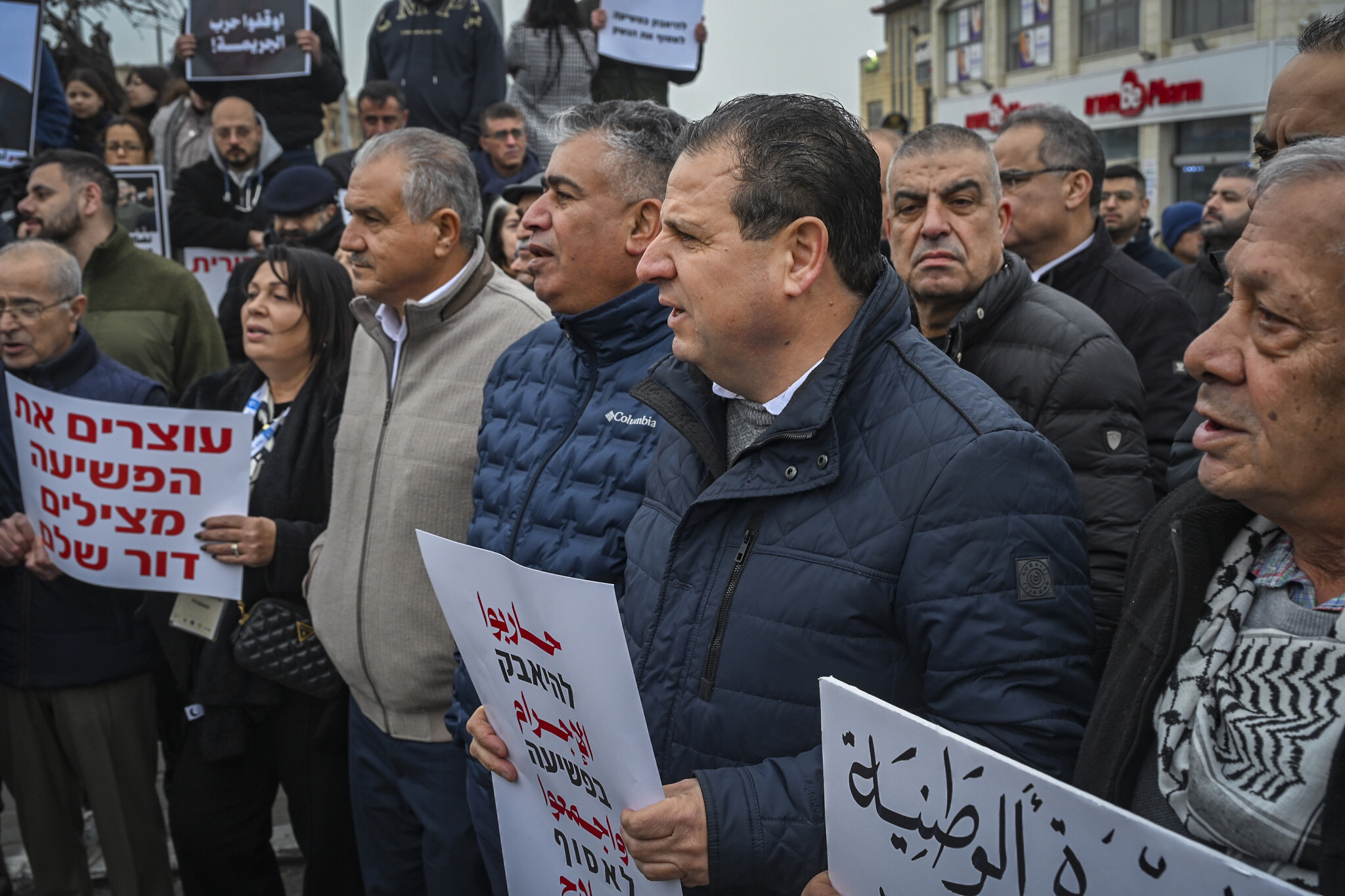
In a joint statement on Sunday, Hadash, Ta’al and Balad said that they “would want Ra’am to also be a partner in the political agreement, but we are aware of significant gaps in positions between us relating to the nature and path of the Joint List.”
The statement appeared to be a reference to Ra’am’s declared openness to joining a governing coalition following the election, which no other Arab party has done for decades.
But Hadash, Ta’al and Balad added that due to “existential dangers” posed by the current right-wing government, they nevertheless wanted to include Ra’am in an agreement to form a new Joint List in order “to strengthen Arab representation and overthrow the extremist right-wing government.”
Ra’am reportedly responded that it is willing to join a technical joint electoral list, but emphasized that it must be permitted to maintain its independence.
“A joint-technical list means that each party maintains its platform, freedom and dialogue with its voters without any constraint. Any clause that imposes binding conditions on each of the parties harms the technical nature of the list and turns it into something completely different,” Ra’am said, according to Haaretz.
The party said a technical list “would be the ideal solution that fulfills the aspirations of our voters and preserves the integrity of the parties.”
Historically the largest and most influential of the Arab factions, Hadash has long championed re-establishing the unified slate of Arab parties.
In January, the four parties signed an agreement committing to work together to revive the list ahead of this year’s elections, which can be held no later than October 27. That agreement was a response to grassroots pressure from Arab Israeli communities that are facing an unprecedented wave of deadly crime.
But little progress has been made since due to Ra’am’s insistence that it be allowed to join the slate for the election alone, and then break away after the vote and independently pursue a spot in a governing coalition.
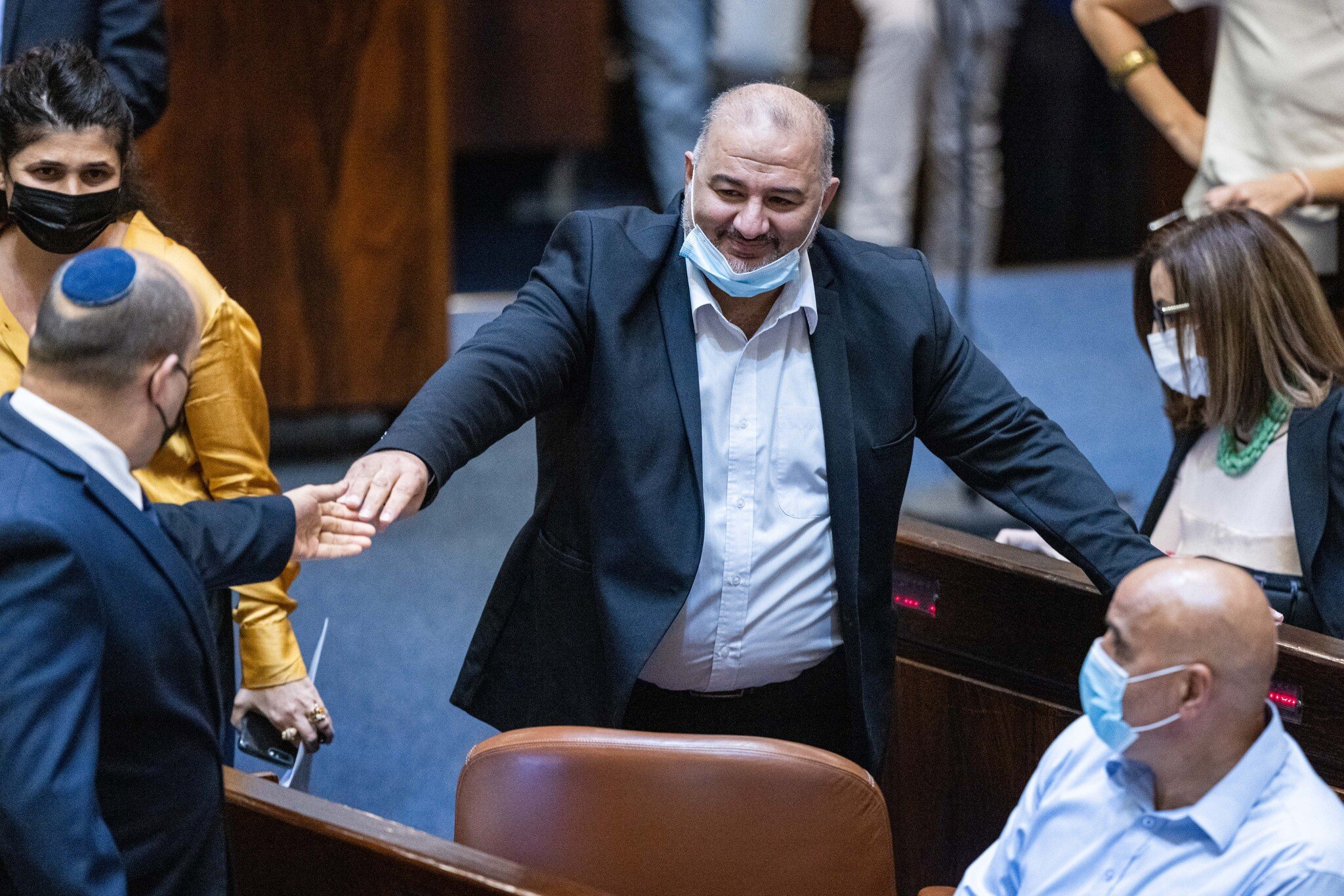
Bennett, considered the most credible candidate to unseat Prime Minister Benjamin Netanyahu, has rejected Ra’am as a potential coalition partner despite having led the 2021-2022 government that included the Islamist party. He has said his next government would include only Zionist parties and that, following the Hamas-led October 7, 2023, invasion and massacre, Israel’s coalition should not depend on an Arab party.
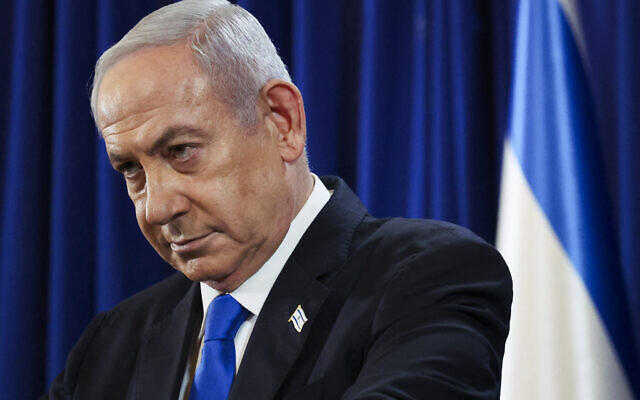
Other opposition leaders have also either explicitly rejected Arab parties as coalition partners or called for a purely Zionist government, which would mean Arab parties are excluded. Meanwhile, Netanyahu and his supporters regularly condemn and delegitimize Arab parties.
On Sunday, Channel 13 reported that Netanyahu’s allies are seeking to outlaw Ra’am as a terror group ahead of the elections. In a post on X, Abbas called the reported plan “anti-democratic” and said his party would answer at the ballot box.
The move would require legislation in the Knesset, as well as opinions from the relevant security agencies, headed by the Shin Bet, Channel 13 said. It was unclear if there would be time to complete those processes before the country goes to the polls by October 27 at the latest.
Only Yair Golan, the leader of the left-wing Democrats, has openly encouraged his fellow opposition leaders to partner with Ra’am again, and urged them to “stop playing along” with the demonization of the party.
Despite containing sharply dissonant ideological views — ranging from the secular socialist Hadash to religious conservative Ra’am — the Joint List alliance had a track record of energizing Arab voters and bringing the sector unprecedented political influence.
From its formation in 2015 until Ra’am’s departure in 2021, the Joint List was the third-largest bloc in the 120-seat Knesset. At its peak in 2020, it won 15 seats.
Ariela Karmel contributed to this report.






The Times of Israel Community.