

After midterm ‘tsunami,’ how to divine where the US-Israel relationship may be headed
Democrats control Congress, Israel’s popularity has tanked, and Netanyahu may soon not be PM. Six questions offer clues about what a new era for Israel and America could look like

 Add ToI as a Preferred Source on Google

If the US Congress sends President Donald Trump a bill banning arms sales to Israel, it could look to 2019 as something of a precedent. That year, following a previous Democratic wave election, Congress passed a bill halting military assistance to Saudi Arabia’s conflict in Yemen – taking aim at a controversial Middle East ally despised by progressives that was engaged in a brutal war with an Iranian proxy.
Trump vetoed the bill. US military assistance to Saudi Arabia has continued since.
The fate of the 2019 effort is instructive as Israel looks at the new US Congress, which will be dominated by Democrats following the “blue tsunami” that saw major gains for the party in the US midterm elections.
On the one hand, Israel has become deeply unpopular among Democrats and has lost the support of most young Republicans as well. But on the other hand, US foreign policy mostly flows from the White House, which will be in Trump’s hands for two more years.
While the rise of harshly anti-Israel candidates in the Democratic Party has lit a five-alarm fire under the seats of some Israelis, others have noted that the huge majorities Democrats have racked up in both chambers of Congress actually dilute the influence of the far left. The Democrats likely to lead the House and Senate are both longtime pro-Israel stalwarts, though the party’s next generation of leaders is set to be far less friendly to Jerusalem.
So — with Democrats set to take over Congress in January, a potential new Israeli government and the 2028 US presidential campaign about to kick off — where might the US-Israel relationship be headed? Here are six questions to think about when looking at where the alliance, and particularly Israel’s relationship with Democrats, goes from here.
Who will lead the Israeli government?
Opposition to Prime Minister Benjamin Netanyahu is close to universal in the Democratic Party (and among a chunk of Republicans). But a new Israeli government that shifts policy on the Palestinians could provide an opening for a reconciliation between Israel and the Democrats.
There are some hardcore opponents of Israel coming to Capitol Hill, such as Michigan Senator-elect Abdul el-Sayed and the eight representatives who are members of the Democratic Socialists of America, which calls for a boycott of Israel. There are others like incoming Ohio Rep. Don Leonard, who recently said, “Israel 1.0 is a failed experiment.” They oppose Israel as a whole, not just its premier.
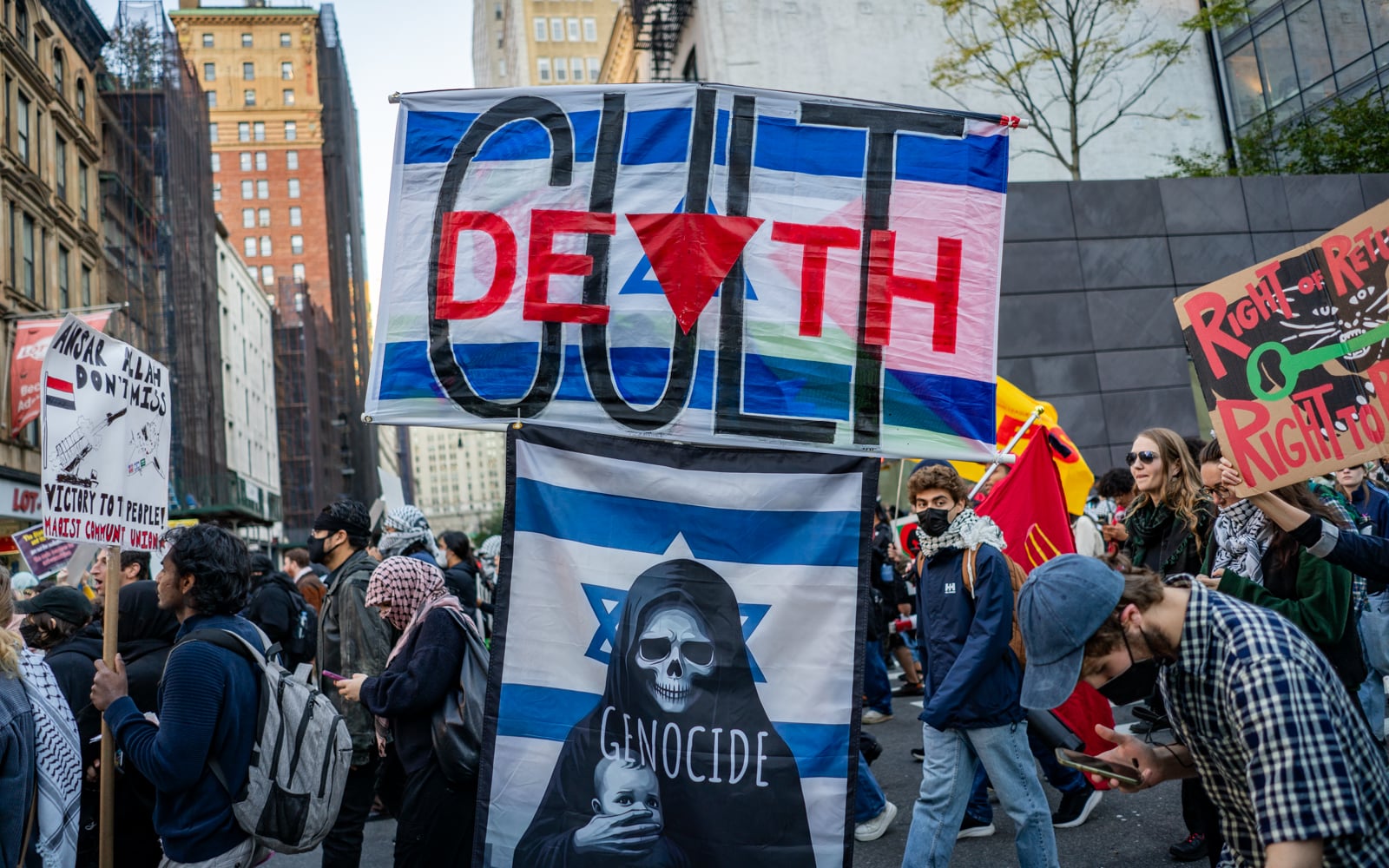
The good news for Israel is that the number of such politicians is basically a rounding error in the party’s incoming 316-person congressional caucus. Among congressional Democrats, “If I asked you to write names down on a piece of paper of people who are actually anti-Israel, I challenge you to get to 10,” Jeremy Ben-Ami, CEO of the liberal Israel lobby J Street, told The Times of Israel. He defines “anti-Israel” as opposing the country’s existence as a Jewish state.
The direction of Congress is likely to be steered, instead, by the Democrats’ much larger and more experienced moderate wing. The bad news for Netanyahu’s government, and even for most of its domestic opponents, is that many of those people are also harsh Israel critics — people many Israelis would likely not hesitate to call “anti-Israel.”
In April, for example, 40 out of 47 Democrats in the Senate voted unsuccessfully to block some arms sales to Israel. That group included several historically pro-Israel senators who characterized their votes as a protest against the US-Israeli war with Iran.
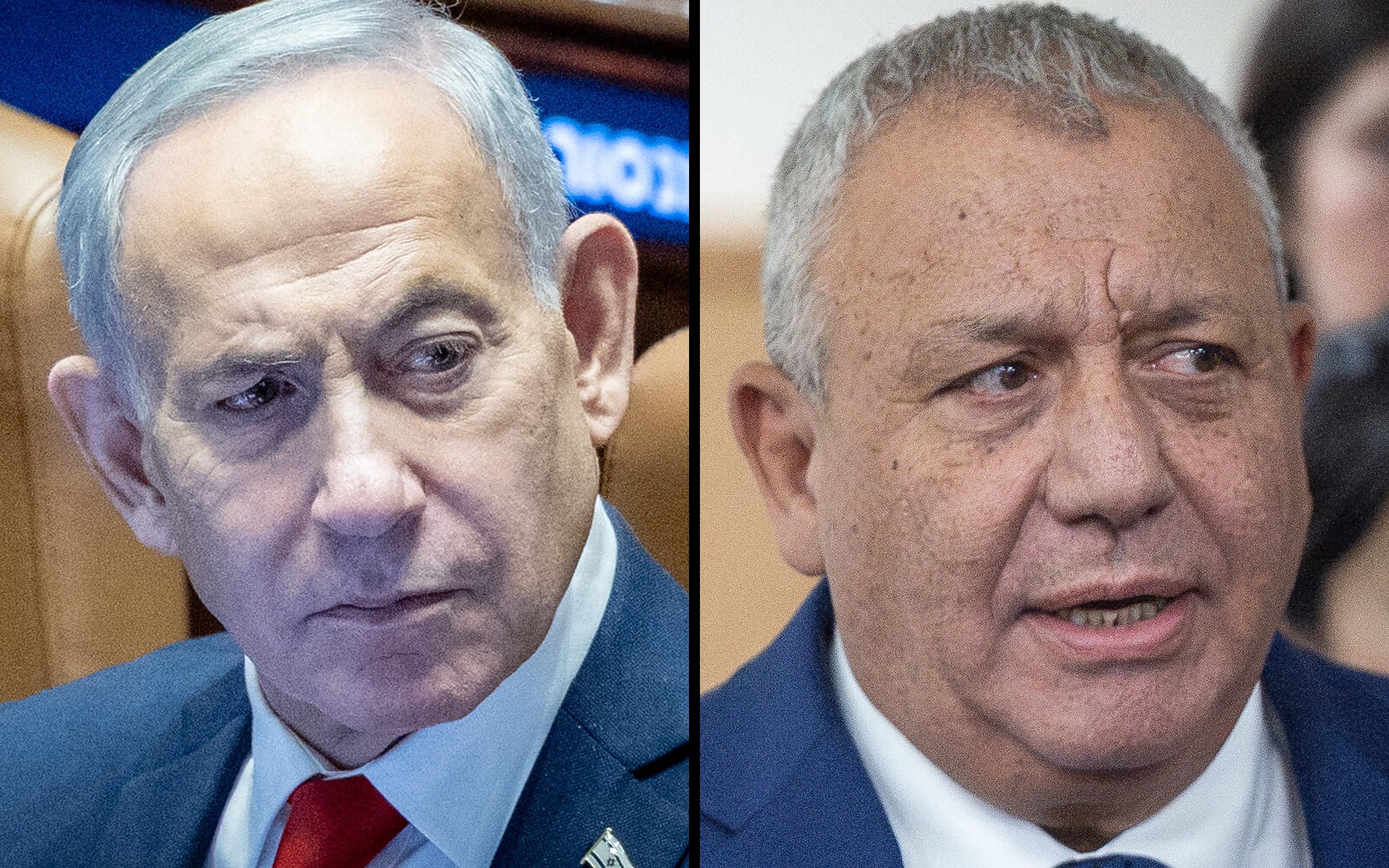
That group, still critical but more measured, is also the one that could be swayed if leading opposition candidate Gadi Eisenkot manages to form a centrist government — one that more forcefully combats settler violence and lets more aid into Gaza. If Netanyahu remains in office without changing policy, Democratic opposition to Israel will likely continue apace or intensify, and could draw in some Republicans who are also disaffected by Netanyahu and the Iran war.
“I think that where there has been frustration is with the policies of this right-wing government in Israel,” said Halie Soifer, CEO of the Jewish Democratic Council of America. “Real change in terms of the composition of the government,” she told The Times of Israel, “could provide an opening for rebuilding of trust.”
Who will lead the Senate?
Another central fulcrum in the immediate future of US-Israel ties is who runs the Senate.
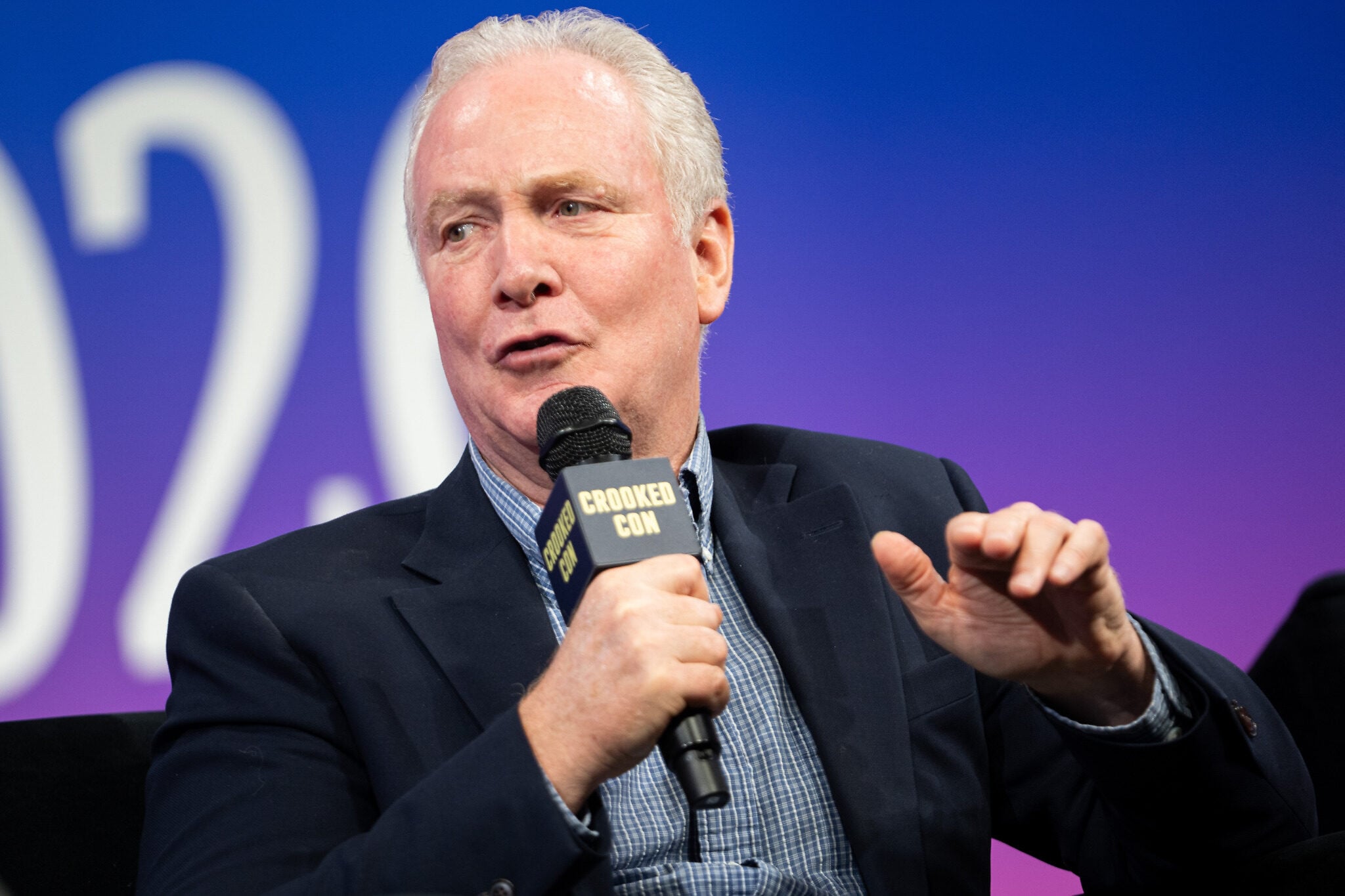
The current Democratic leader, New York’s Chuck Schumer, is a centrist Jewish pro-Israel stalwart. He’s being challenged for the leadership by Maryland’s Chris Van Hollen, who is more progressive, more pugnacious, and more critical of Israel. Van Hollen has the support of El-Sayed and other opponents of Israel.
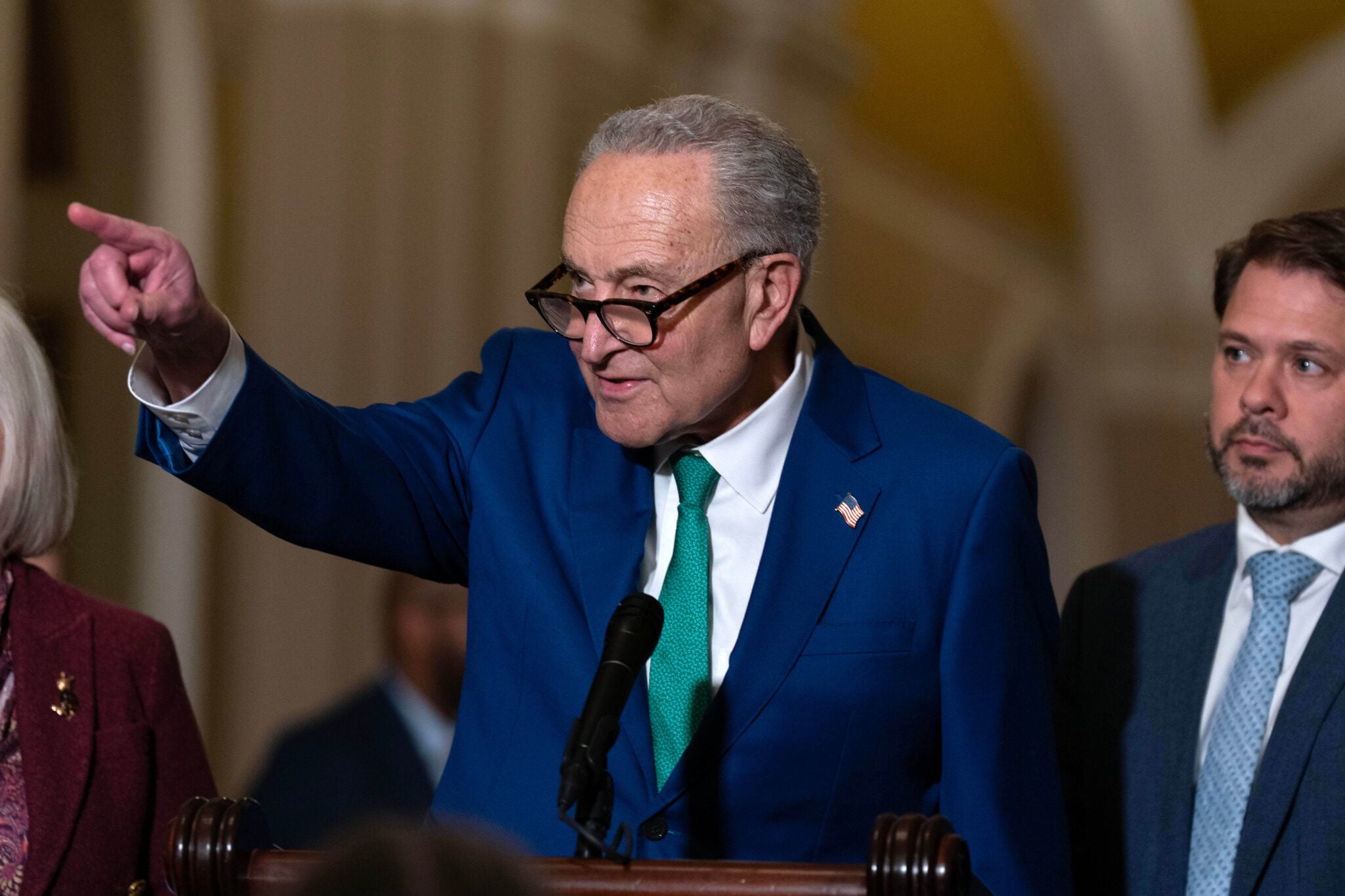
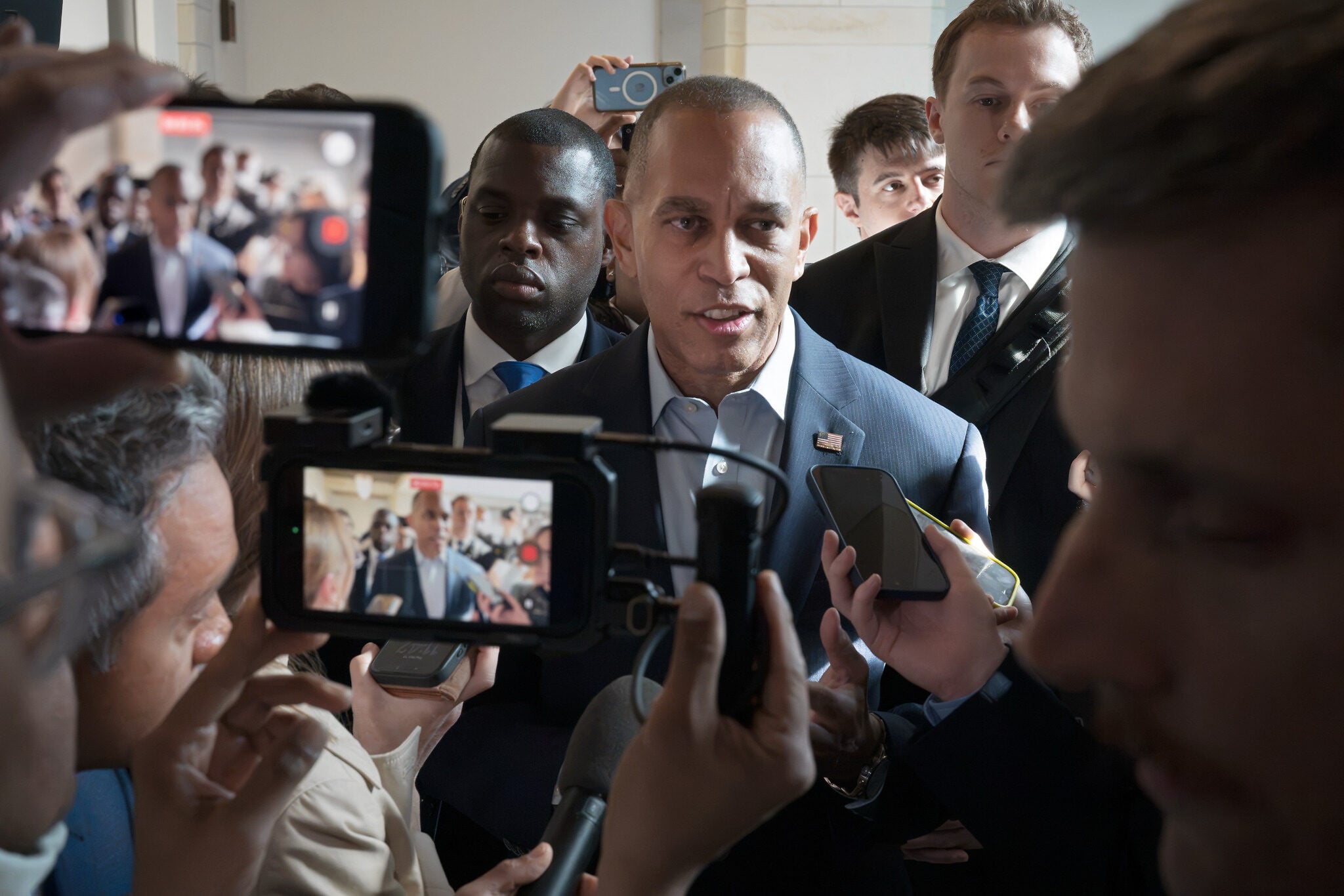
Schumer, pointing to his party’s huge Senate gains in the midterms, is favored to win the contest. If he becomes majority leader, pro-Israel lawmakers will lead both the Senate and the House, where New York’s Hakeem Jeffries, a longtime endorsee of the pro-Israel lobby AIPAC, is set to become speaker.
Because the leadership controls so much of the congressional agenda, Schumer and Jeffries can act as a dam on anti-Israel measures. Facing pressure from their caucus, though, they may choose not to spend their political capital on an unpopular cause such as shielding Israel from penalties.
If Van Hollen scores an upset victory, he’ll need no such coaxing to use his Senate control, and accompanying bully pulpit, to advance arms sales bans or introduce other bills, such as those sanctioning extremist settlers. Already, he has proposed removing clauses on Israel-US tech cooperation from the US defense budget.
As Senate leader, he would also help steer negotiations with Trump over the budget, where he and other Democrats could force the president to compromise on Israel policy in order to ensure continued funding of the government.
If a theoretical Eisenkot-led government takes office, it could mitigate those efforts. But even if such a government takes shape, cracks down on extremist settlers, and embraces the reconstruction of Gaza, will it be enough to appease Van Hollen’s progressive wing of the party?
“My answer right now is no,” Ben-Ami said in response to that question. He doesn’t think Eisenkot’s camp “grasps just how bad things are here and just how much they need to do in order to get back on track with both parties in the United States.”
The Jewish Democratic Council of America has endorsed Schumer. J Street recently praised Van Hollen’s objection to US-Israeli tech cooperation, calling for Israeli policy changes first.
Which issues will Democrats prioritize?
Another vote on a weapons sales ban, or a sanctions bill, would allow progressive Democrats to differentiate themselves from their moderate colleagues. But there are also signals that Democrats are keen to spotlight other concerns.
A major theme in the party’s recent victories was affordability, and it is seeing “a consensus forming around economic populism,” Democratic podcaster Jon Favreau said in a recent video. Van Hollen’s Senate leadership campaign video didn’t even mention Israel, instead promising a “bold agenda to bring down costs for working people.”
There is overlap between affordability and foreign policy. The Iran war has raised gas prices, and candidates including El-Sayed have partially couched their opposition to Israel as part of a pledge to redirect foreign assistance to domestic needs inside the United States. Senators could frame an end to weapons sales, which are partially funded by military aid provided by Washington, as part of a larger program to refocus US priorities away from the Middle East.
Investigations into corruption allegations inside the Trump administration could likewise draw attention to the Middle East business dealings of Steve Witkoff and Jared Kushner, Trump’s envoys who negotiated the Gaza ceasefire last year.
If Congress does pass a ban on arms sales to Israel, or sanctions on Israelis, Trump is likely to veto them. But that is a stopgap that probably won’t last beyond the 26 months Trump still has in office.
“Israel is in a deep and worsening strategic state of emergency,” Israeli analyst Nadav Eyal wrote on X. While Trump could veto weapons freezes now, Eyal said, there’s a “reasonable chance that Democrats will control the White House in two years. They’ll do away with the presidential veto [on those measures] immediately. It’s a short leap from there to harsh sanctions on Israel.”
Israel, he noted, has long relied on US weapons sales to maintain its security in an unfriendly region, buying everything from missile defense parts to advanced fighter jets, providing for “the Air Force’s ability to maintain operational readiness.” The military, he continued, “relies on a steady supply of American equipment, tools and ammunition to function smoothly.”
Who will gain traction in the Democratic primary?
Israel’s standing may erode significantly well before the next president is inaugurated in January 2029.
The 2028 campaign is about to kick off, with debates expected in mid-2027. With Israel’s popularity falling on both sides of the aisle, the country could become a punching bag.
Candidates are always seeking to stick out from the pack, and among Democrats, one of the biggest rifts between the far left and everyone else is over whether Israel committed genocide in Gaza — a charge Jerusalem strenuously denies. Ben-Ami expects that argument to continue getting attention.
In at least one instance in a 2026 congressional primary, a Jewish candidate, Scott Wiener, publicly changed his stance on the genocide accusation, endorsing it after being booed when he refused to answer the question at a debate.
“I’m sure it will be a question all through the primary cycle,” Ben-Ami said. “There’s not a whole lot of things that are going to divide them, and this is one of them.”
But Soifer said that by 2028, several years after the Hamas-led October 7, 2023, attack and the start of the Gaza war, Israel is likely to be less salient an issue than it has been.
“We know what it looked like in ’26, at least from the far left, but there’s no reason to believe that that’s what it will look like in ’28,” she said of discourse about Israel in the party. Especially if there’s a new Israeli government, she said, “I think that 2028 candidates would approach it quite differently.”
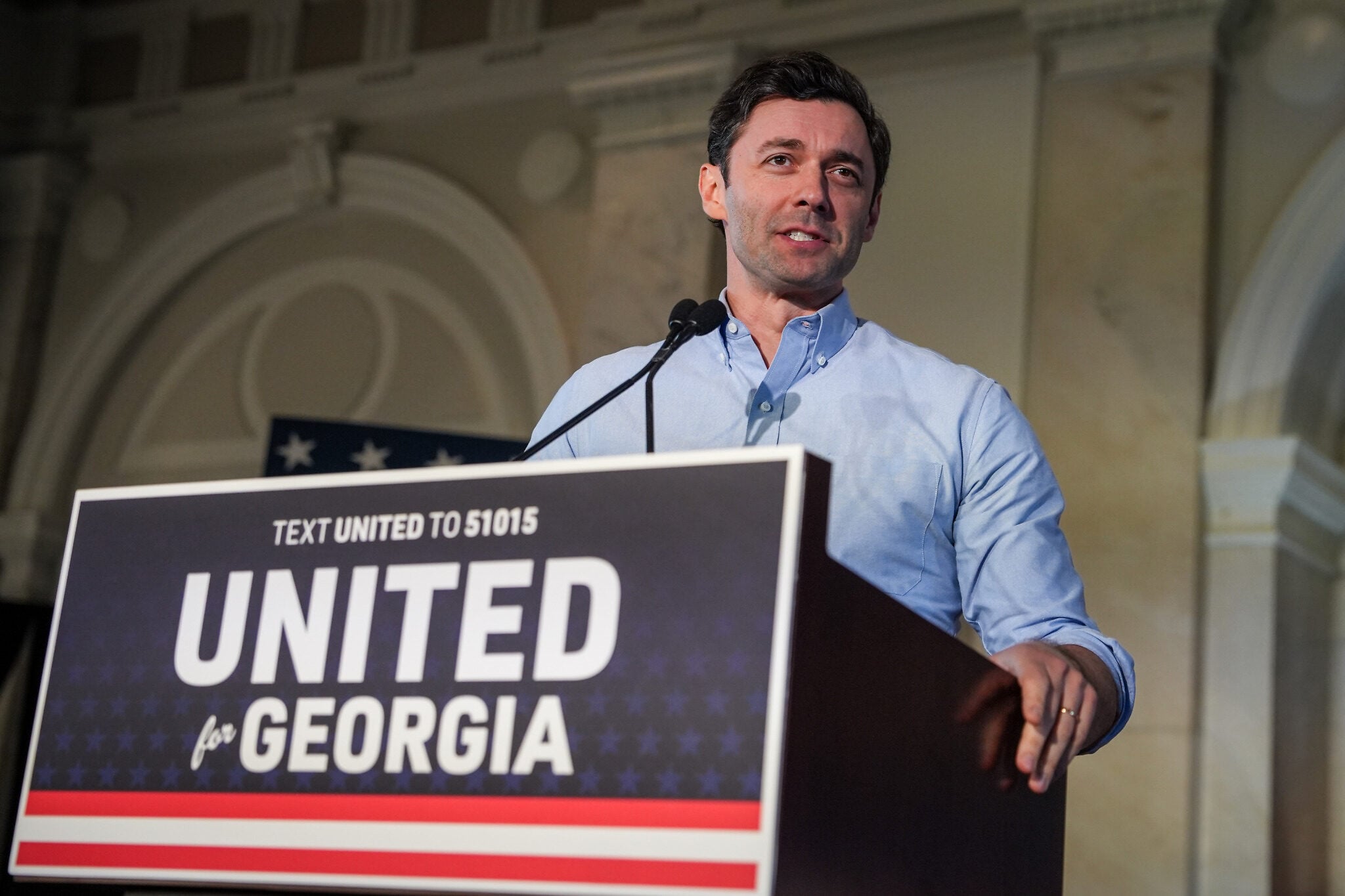
Several Jewish moderates are drawing attention as possible primary frontrunners: Pennsylvania Gov. Josh Shapiro, Georgia Sen. Jon Ossoff and Illinois Gov. JB Pritzker. All three won reelection this year, endorsed by the JDCA. None are on the far left; Shapiro is seen as the most traditionally pro-Israel.
For now, the Democratic left is trying to keep opposition to Israel front and center. Rep. Ro Khanna, an outspoken critic of Israel widely expected to mount a run, said this week that the current moment called for “rejecting AIPAC, calling out the genocide that Americans saw with their own eyes, and saying zero aid to Israel, zero weapons to Israel.”
Who will gain traction in the Republican primary?
Much attention has been lavished on the Democrats following the midterms, but the split over Israel may be even deeper on the other side of the aisle.
The two leading candidates among Republicans are Vice President JD Vance and Secretary of State Marco Rubio, and they represent two opposing approaches to the US’s role in the world and America’s relationship with Israel.

Vance is the symbol of the party’s isolationist wing — opposed to the Iran war, advocating (not unlike El-Sayed) for a refocusing of American attention and funds domestically, and airing skepticism of the so-called “special relationship” the US has with Israel. He has spoken repeatedly of his friendship with Tucker Carlson, the staunchly anti-Israel right-wing pundit who has sat for friendly interviews with Holocaust deniers. (There is also chatter about a Carlson run in 2028.)
After months of reports that Vance was opposed to the Iran war, he made his displeasure explicit the day after the midterms, writing in a post on X that “The reason we lost is the war” and that Republican voters were calling to “change our relationship to Israel.” Earlier this year, he said the US can’t let its Middle East policies be “subservient” to Israel’s interests.
Rubio, by contrast, pushes for a muscular foreign policy, and has been a vocal advocate for the Iran war and a robust US-Israel relationship. In a speech last week, he defended the war as a just fight against an extremist regime. He said that “every major problem in the Middle East” has “one common denominator: the Shia clerics of Iran and their expansionist mentality.”
Discussing a future Vance-Rubio race, Shabbos Kestenbaum, a Jewish pro-Trump activist, has been quoted by the Jewish Telegraphic Agency saying that in “American Jewish conservative circles, it’s Marco Rubio by a margin of 99 to 1.”
What happens next in Iran?
Trump has indicated recently that he’s loath to restart major combat against Iran, but he’s famously unpredictable and has misdirected his enemies (or abruptly changed his mind) before.
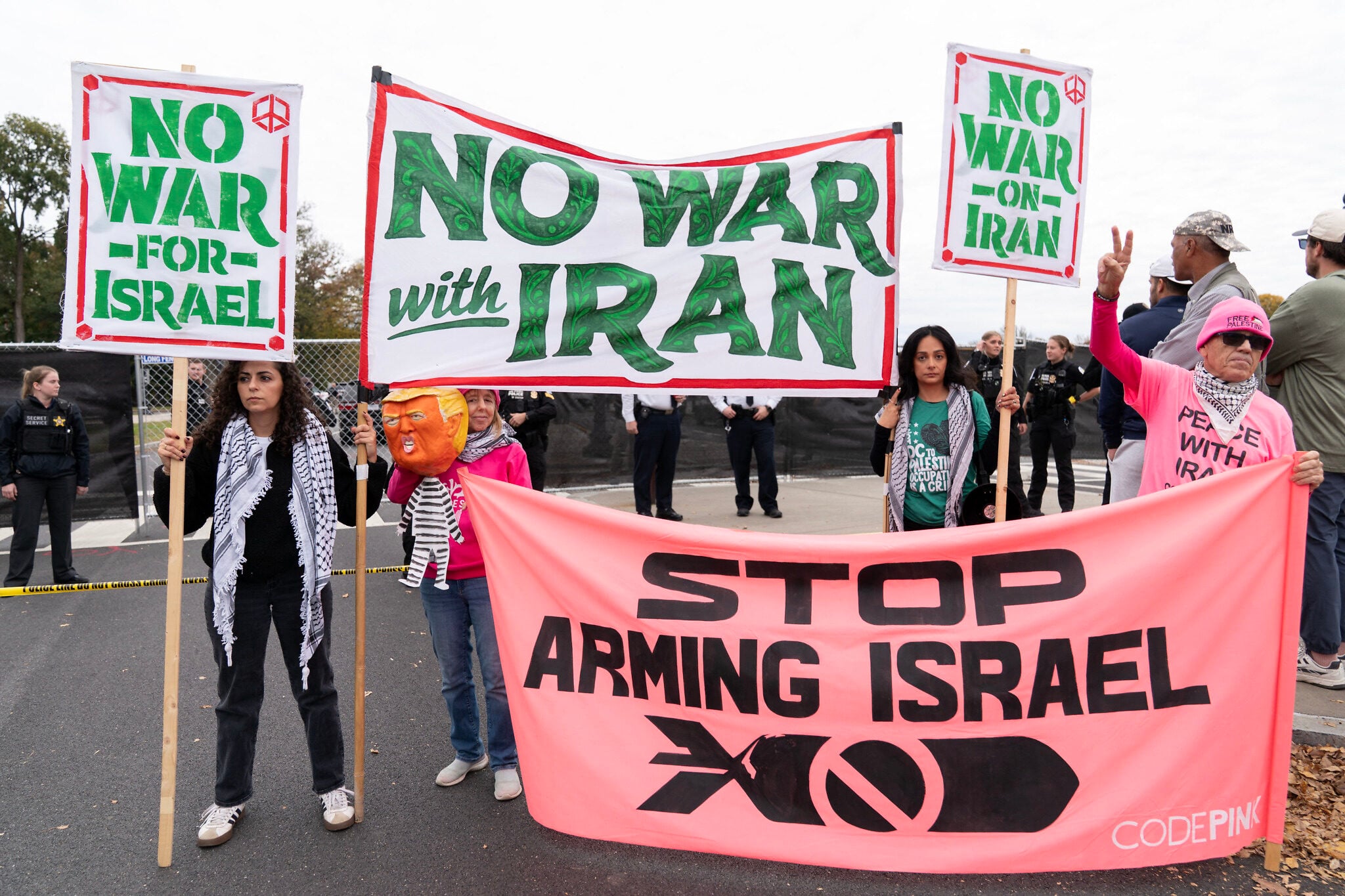
If another round of full-on fighting with Iran commences, and Israel is seen as pulling the US into it, many of the questions posed above may become moot. Netanyahu has reportedly been urging Trump to attack, and if Trump does send the US back into an unpopular and expensive war, it will re-energize many Americans’ negative feelings about Israel and the nation’s relationship with it.
Another round of conflict in Iran would become the main Middle East story, partially clouding out any changes in Gaza or the West Bank regardless of whether Netanyahu or Eisenkot is in charge. It would also become the principal focus of debate in Congress no matter if Schumer or Van Hollen is Senate leader, as some Democrats have vowed to block any funding for the war.
Should fighting persist, the 2028 race may indeed reprise many of the same themes seen in 2026, in which Israel became an unprecedentedly contentious and divisive issue in US politics.
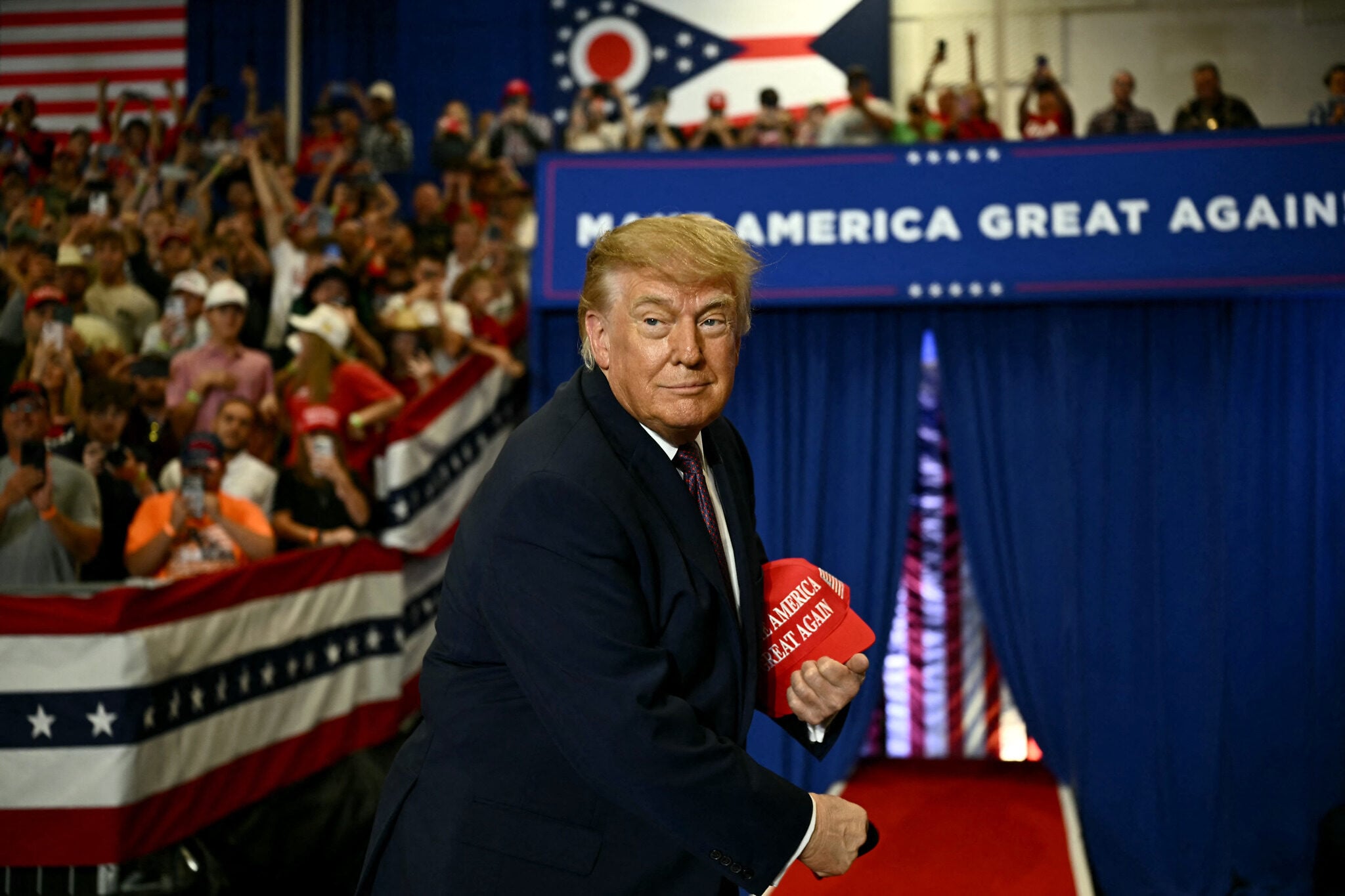
Perhaps most of all, though, a renewed war with Iran would be the starkest demonstration of the degree to which the US-Israel relationship remains in the hands of one man: Trump.








The Times of Israel Community.