

Security standoff stalls flydubai return to Tel Aviv, jamming Israeli access to key hub
Israeli officials negotiating terms for UAE carrier to resume service want Emiratis to agree to bolstered security demands for El Al and others, putting critical route in holding pattern and costing travelers

 Add ToI as a Preferred Source on Google
Sharon Wrobel is a tech reporter for The Times of Israel
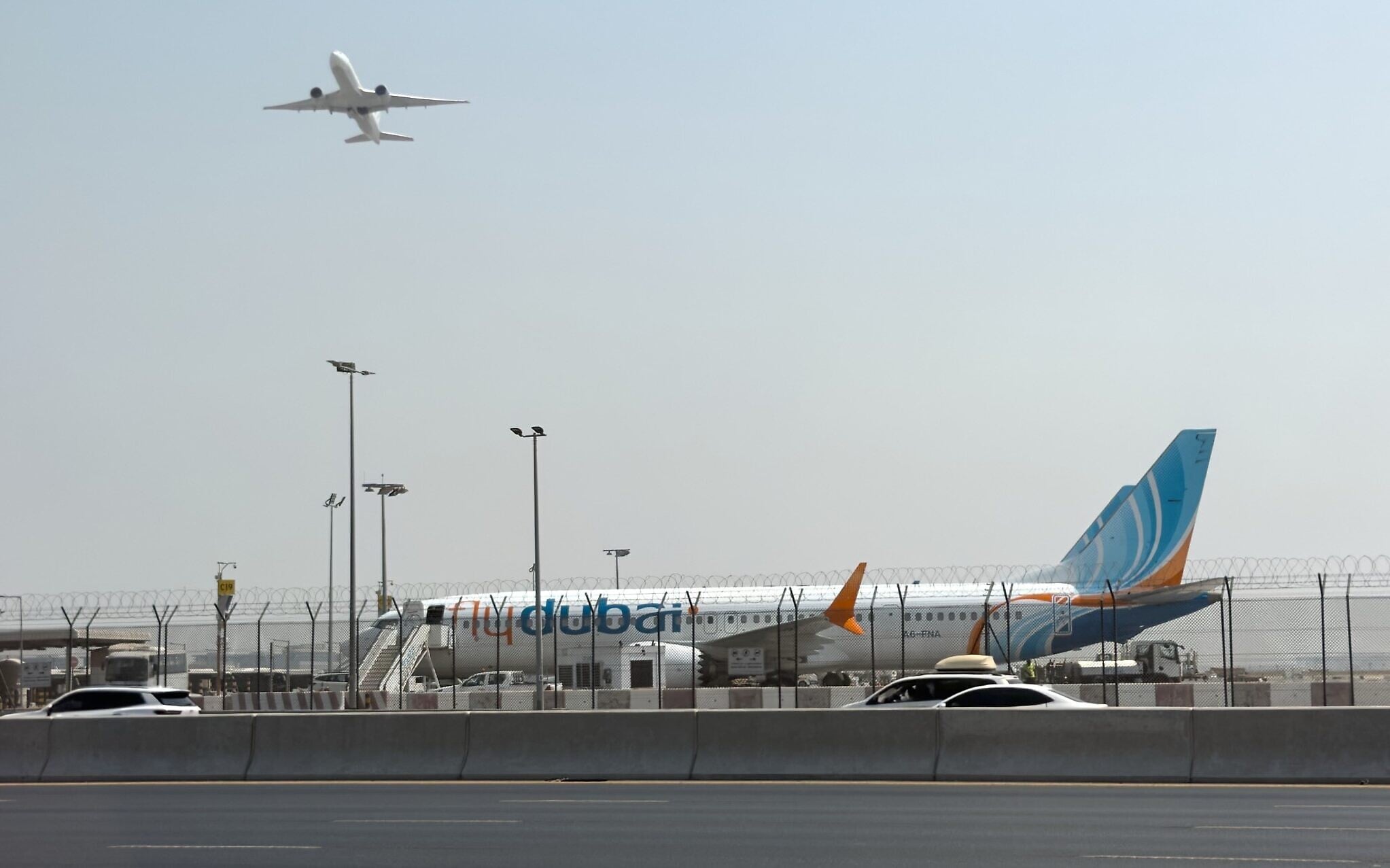
For almost seven weeks, a popular route from Tel Aviv to Dubai, used mainly to connect hundreds of thousands of Israeli travelers to the Far East, has been grounded.
Flights between Ben Gurion and Dubai’s international airport, one of the world’s most connected and busiest aviation hubs, were suspended on September 30 after a flydubai copilot on a flight to Tel Aviv tried to crash the plane and kill everyone on board, most of whom were Israeli, raising serious security concerns.
Israeli authorities have barred the Dubai-based state carrier from flying to or from Tel Aviv at least through December 15, as they seek to resolve security arrangements. The security issues have also delayed Israeli airlines El Al, Arkia, and Israir from resuming flights to the United Arab Emirates, making Etihad, which flies to Abu Dhabi, the only carrier flying between the UAE and Israel.
With many foreign carriers still not flying to Tel Aviv due to regional tensions, Israelis are eager to see a reinstatement of flights to Dubai, from where frequent connections are available all around the world.

On Monday, a delegation of senior Israeli security officials and Transportation Ministry figures, led by Transportation Ministry Director-General Moshe Ben-Zaken, traveled to Dubai for talks with Emirati aviation officials on implementing security measures that would allow both flydubai and Israeli carriers to resume flights between Tel Aviv and Dubai.
Israeli airlines’ flights to and from Dubai were halted by Emirati authorities at the outbreak of the US-Israel war with Iran in late February and have yet to resume.
Some experts have expressed concern that Israel is conditioning the resumption of flydubai operations on Israeli airlines being able to start flying to Dubai again, complete with beefed-up security — to the detriment of Israeli consumers.
“We have yet to hear an explanation why flydubai is not allowed to resume flying to Israel, while there are zero issues with Etihad flying to Tel Aviv six times a day from the same country,” Ziontours Jerusalem CEO Mark Feldman told The Times of Israel. “Israel is trying to do a quid pro quo by saying that they will let flydubai come back, but Emirati authorities will have to deal with Shin Bet security requirements on the ground that will allow Israeli airlines to fly to Dubai.”

“The hypocrisy of trying to do a quid pro quo is incredibly frustrating, completely unfair and unacceptable, and the Israeli consumer is suffering by paying much higher prices for air travel,” said Feldman.
While talks are still ongoing, the Transportation Ministry said it was “too early to predict the outcome of the meetings.”
Millions of Israelis have visited or traveled via the UAE since the two countries established diplomatic, economic and security ties in 2020 under the Abraham Accords. Part of the landmark deal was a reciprocal bilateral air transportation agreement that led to direct commercial flights between Israel and the UAE operated by Emirati and Israeli airlines.
Flydubai previously operated 10 daily flights from Tel Aviv, making Dubai a hub for many Israelis heading to popular Asian destinations, including Thailand, the Philippines, China and Japan.
“Since the suspension, that traffic has split between Etihad through Abu Dhabi, direct Israeli carrier flights to Bangkok, and connections through other hubs: Addis Ababa, Warsaw, Vienna, Zurich and Tashkent,” said Eshet Tours CEO Gil Hahn. “Etihad is currently the only airline flying between Israel and the UAE, and the prices show it.”
He added that Etihad had tripled its schedule to six daily flights to meet demand, but prices were still high.
“A December round trip to Abu Dhabi is averaging close to $1,200, an increase of 200%-300% over the norm, and connections onward to the east have risen accordingly,” Hahn noted.
Meanwhile, Israeli airlines have been frozen out of the route, and there is no guarantee they will be allowed to fly even if flydubai flights resume.
“Because of the bilateral aviation agreement between Israel and the UAE, to create a situation in which flydubai flies without any limitations, operating 10 flights a day, while Israeli operators can’t, because of security issues, is unacceptable,” said aviation and tourism expert Joseph Fischer.
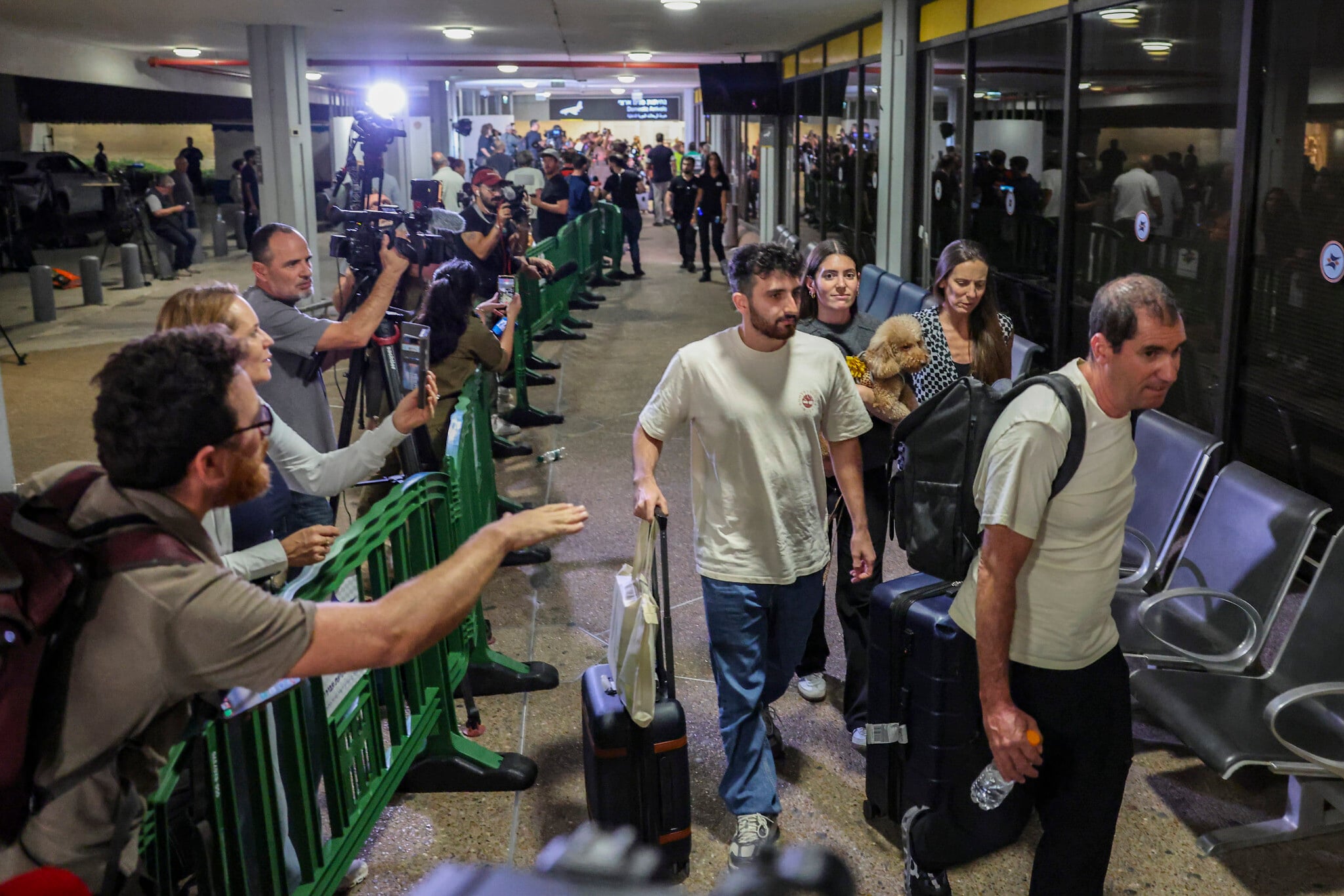
The route’s resumption hinges on resolving security requirements for both Israeli airlines and flydubai and on the formation of a stable government able to make the decision, according to Fischer.
“Once there is a new government in place, a mutual agreement is likely to be reached if it shows respect for the laws of the UAE, and the Gulf nation in turn will try to accommodate the needs of Israeli security,” said Fischer.
Israel has imposed stricter security screening requirements on pilots and crew of foreign airlines flying to or over the country in the wake of the flydubai near-disaster, in which an Omani copilot — who should have been barred because of his nationality — stabbed the captain inside the cockpit and put the plane into a nosedive. Passengers managed to take control of the plane and other pilots on board safely executed an emergency landing.
The incident exposed major flaws in Israel’s security procedures, including its inability to vet crews and its reliance on the airlines to do so themselves. Israeli airlines are already required to impose robust screening procedures for passengers that go beyond international standards.
“Israeli carriers require Israeli security as the risk for Israeli flights is much higher,” said Fischer. “If Israeli flights are operating at a new airport destination, it means there has to be Israeli security on the ground screening the passengers, screening the luggage, and watching over the plane.”
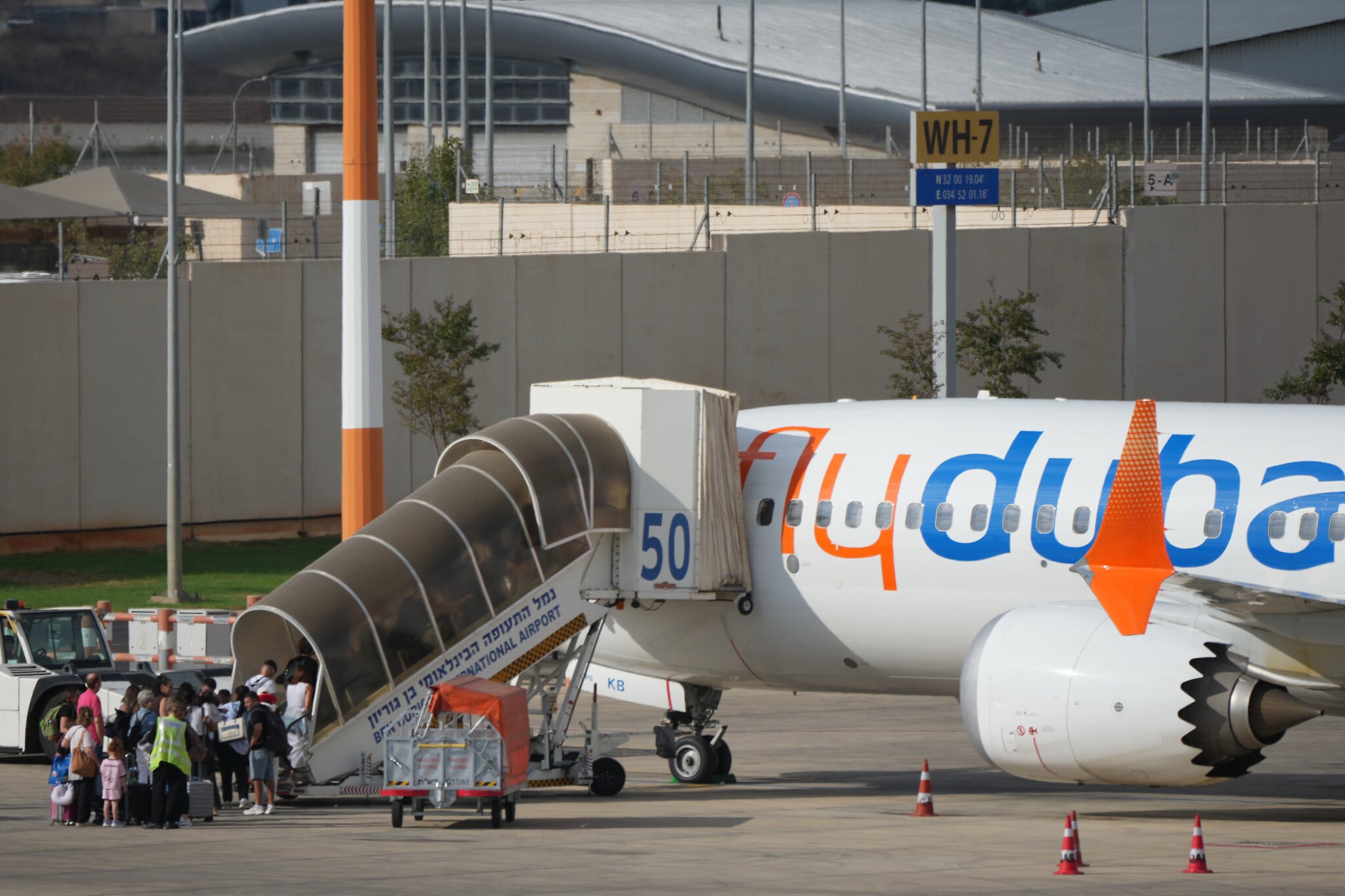
In the past Israeli airlines have been locked out of some lucrative routes, such as Turkey, because other countries refused to meet Israel’s stricter security requirements.
Most recently, Israeli charter airlines Arkia and Israir, as well as flag carrier El Al, suspended plans to operate flights from Tel Aviv to Marrakech, Morocco, at the request of local security authorities. Fischer said Moroccan authorities had likely balked at meeting Israeli demands for tighter security protocols, due to risks Israel sees in that specific destination.
Earlier this week, Arkia announced the cancellation of flights to Phuket, Thailand, in response to directives from Israeli security authorities.
Israeli officials in the Emirates were set to hold another round of negotiations on Tuesday to resolve the security issues.
Following the visit, Israeli officials plan to present security options to political leaders aimed at allowing flydubai to restore the Tel Aviv route safely, the Transportation Ministry said. However, no decision appears to be imminent.
Yashar MK Keren Terner Eyal, a former Transportation Ministry director, has asked Knesset Foreign Affairs and Defense Committee head Avigdor Liberman to convene a meeting on security changes in the wake of the flydubai attack ahead of the airline’s possible return to Israel, Channel 12 news reported Tuesday.
“Emirates and flydubai are state-owned by the royal family, and it is in their interest to accommodate Israel’s security requirements to restore the profitable and high frequency of flights to Tel Aviv,” said Fischer. “But in the near term, thousands of people booked on flydubai beyond December 15 don’t know if their flights are going to happen, as we are approaching the Christian holiday season and New Year.”
Reuters contributed to this report.










The Times of Israel Community.