

Smotrich vows to back Kahana for Knesset speaker only if Arab MKs not made deputies
Yashar MK swiftly rejects ‘unstatesmanlike’ demands, after Religious Zionism party leader says his proposal was approved by Netanyahu’s Likud and other right-wing parties
 Add ToI as a Preferred Source on Google
Ariela Karmel is a political correspondent at The Times of Israel. She previously reported for Calcalist and Haaretz. She holds an MA in Middle Eastern and African History from Tel Aviv University and a BA in Political Science from the University of British Columbia.
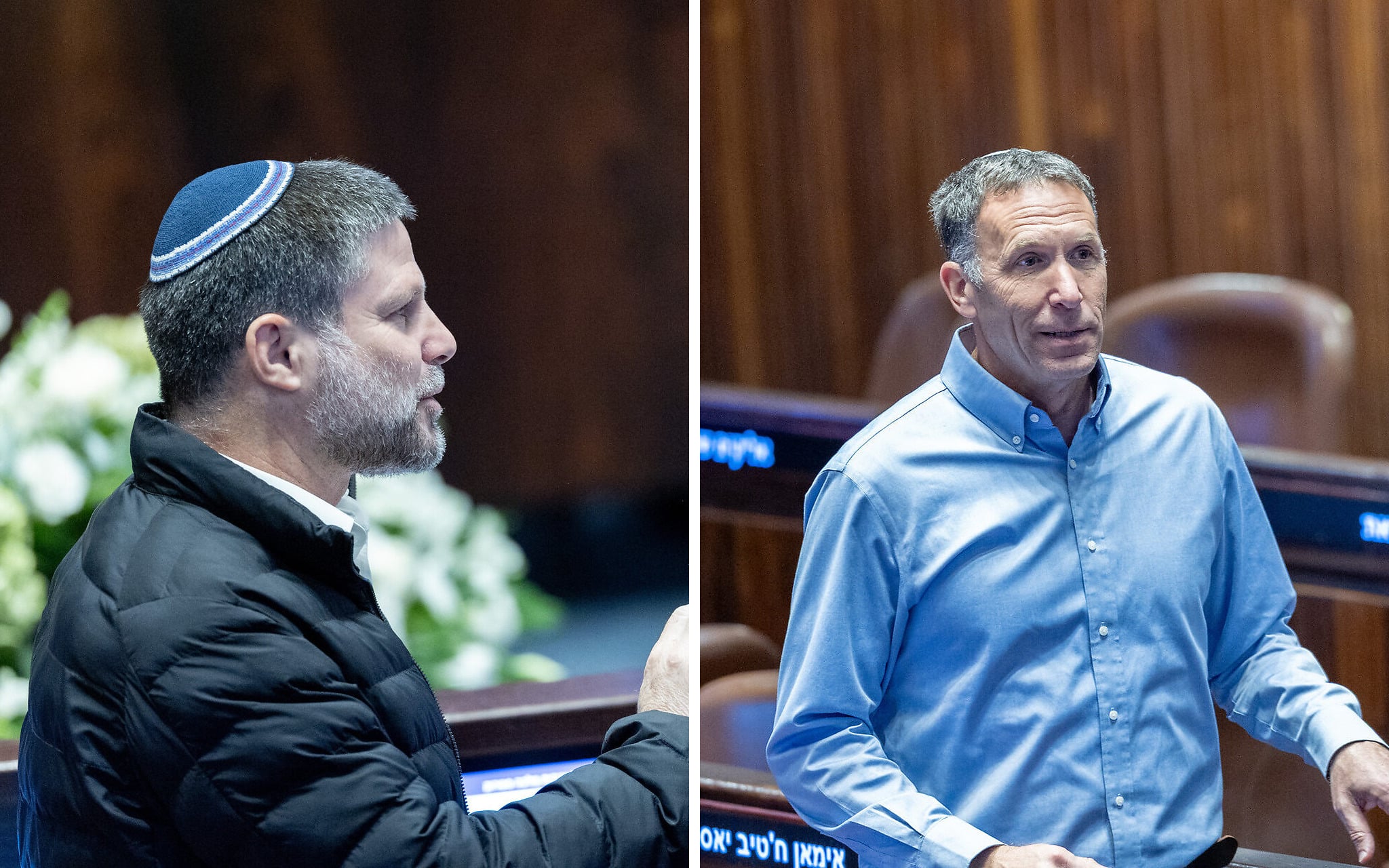
Religious Zionism leader Bezalel Smotrich on Monday said that his far-right party, along with Likud, would support Yashar MK Matan Kahana’s election as Knesset speaker if he pledges not to appoint deputy speakers from parties that do not recognize Hamas as a terrorist organization, referring to the Arab-majority Joint List and Ra’am parties.
That condition — along with a demand that he resign as speaker should a future government seek to appoint a replacement — was swiftly rejected by Kahana, who called Smotrich’s comments “anti-statesmanlike,” and urged him to respect the election results.
The vote on Kahana’s nomination for Knesset speaker is set for Tuesday.
The exchange came shortly after the Knesset’s Arrangements Committee voted to recommend nine temporary deputy speakers, including Ra’am MK Walid Taha and Joint List MK Ahmad Tibi. Their appointments still require approval by the Knesset plenum, though they are expected to pass. Arab MKs have served as deputy speakers in numerous previous Knessets.
In a letter to Kahana, Smotrich said he had discussed the proposal with Prime Minister Benjamin Netanyahu, and that Likud and other parties in the “national camp,” likely referring to Itamar Ben Gvir’s far-right Otzma Yehudit, would back his candidacy, ensuring “broad Zionist support across political camps.”
He warned that if Kahana wins with the votes of “terror-supporting Knesset members,” it would be “an indelible stain.”
The bloc led by Yashar leader Gadi Eisenkot, which won 48 seats in last month’s election, already has enough votes to elect Kahana with the support of the Arab parties’ 19 seats, together dwarfing the pro-Netanyahu bloc’s 53. However, the United Torah Judaism party, Netanyahu’s longtime ultra-Orthodox ally, has yet to commit to either side, with its position potentially serving as a bargaining chip in coalition talks, where military exemptions for yeshiva students remain a key obstacle.
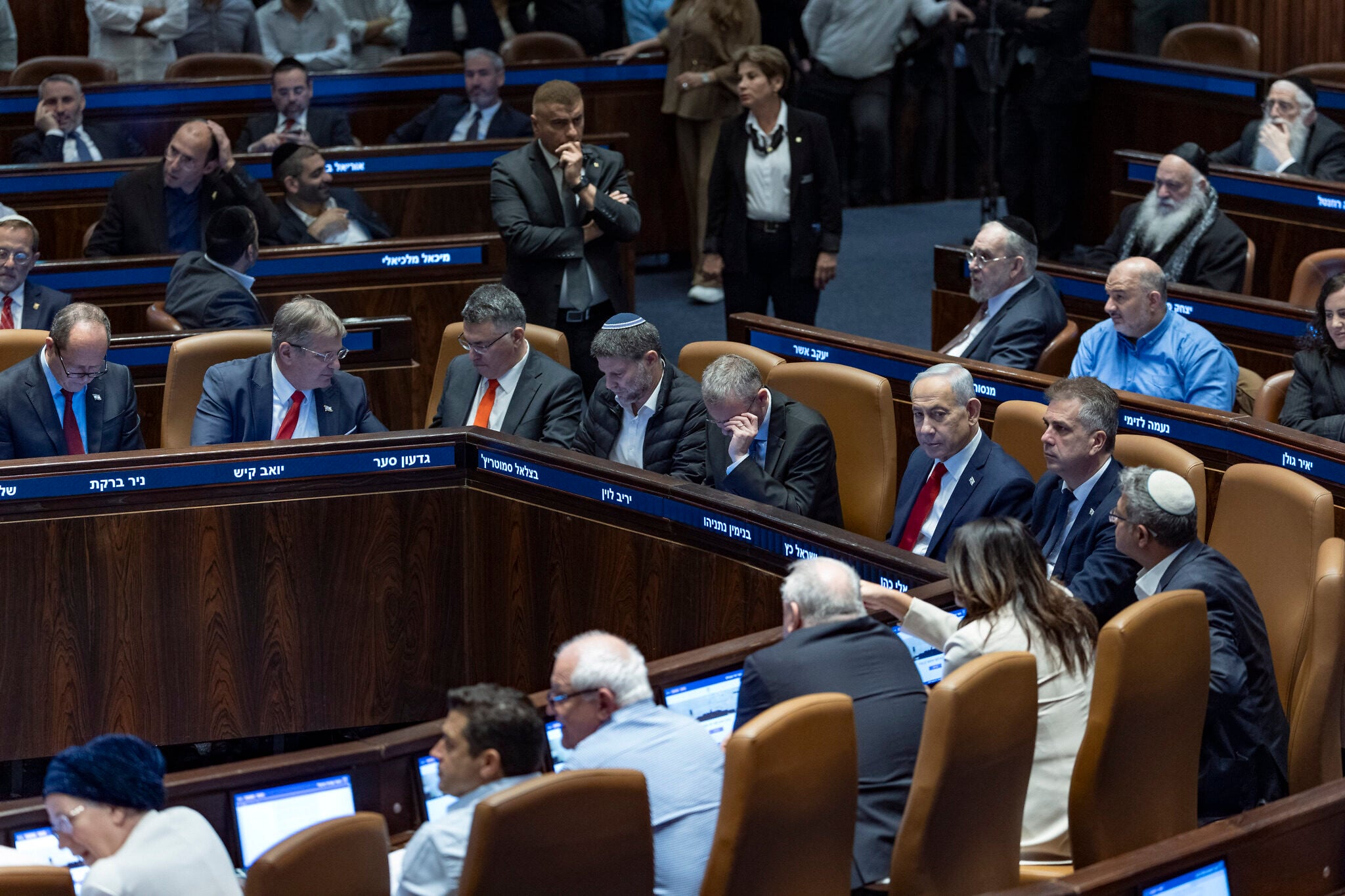
Netanyahu has reportedly been pressing UTJ to oppose Kahana’s appointment, while Eisenkot is courting its support for a future government alongside ongoing talks with Likud.
If the Eisenkot-led bloc succeeds in replacing the current speaker, Likud MK Amir Ohana, it hopes to begin advancing legislation as early as Wednesday to repeal the previous coalition’s judicial overhaul.
In a letter responding to Smotrich’s conditions for supporting his election as Knesset speaker, Kahana pushed back, saying: “I reject your anti-statesmanlike demand, and call on you to respect the democratic process and its outcome.”
He added that he was “perplexed by [Smotrich’s] demand to completely disregard the public that makes up 21 percent of the population,” in reference to Israel’s Arab minority, reminding Smotrich that the Arab parties include “factions that you and your partners have cooperated with in the past.”
The dispute comes amid a broader campaign by Smotrich and the pro-Netanyahu bloc to delegitimize Arab parties after losing their parliamentary majority in last month’s election, and to prevent Eisenkot from forming a government with Arab support.
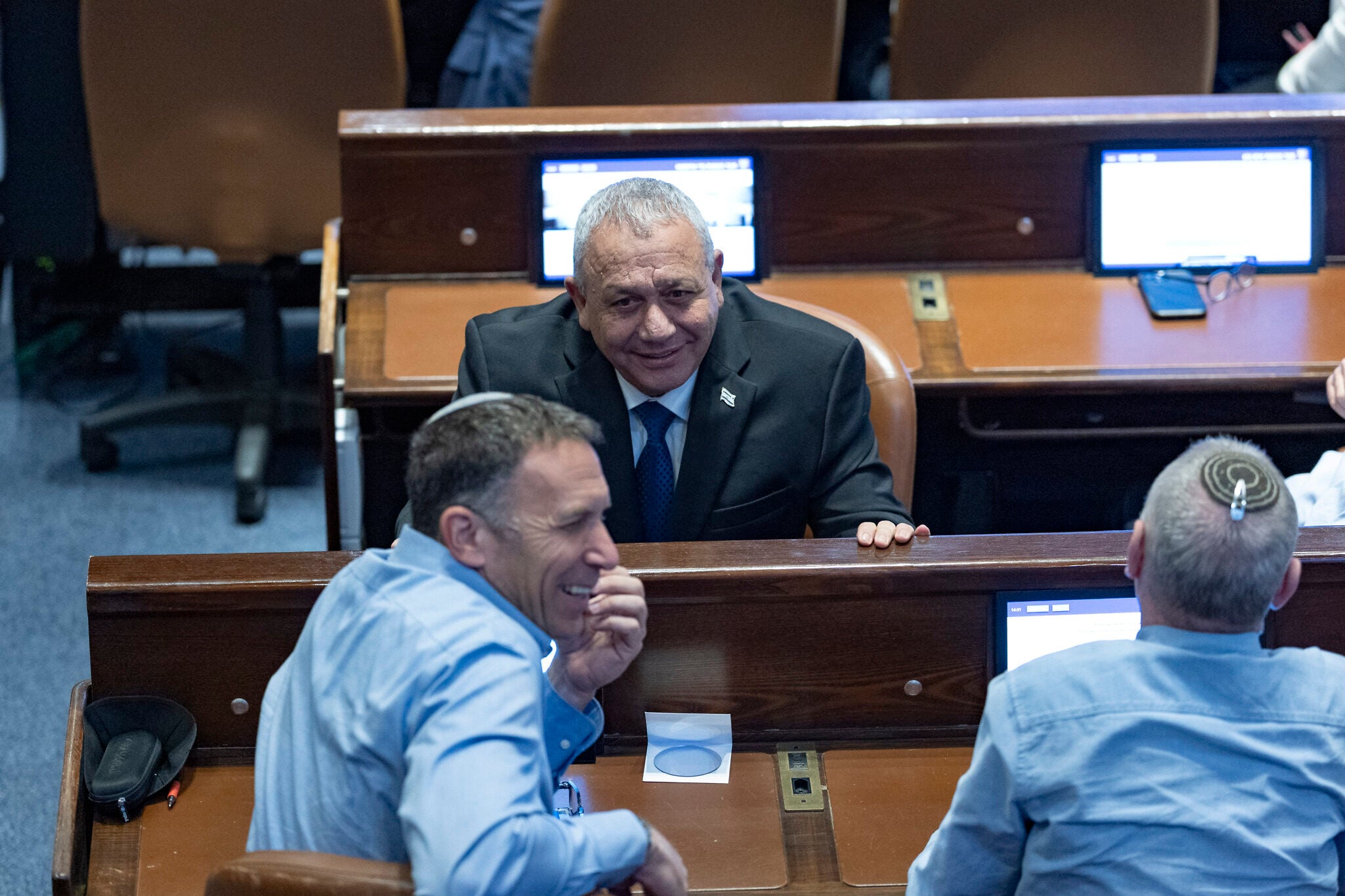
Kahana also addressed Smotrich’s demand that he step aside if a future government seeks to appoint a replacement, saying the speaker’s post is a temporary appointment until a government is formed and that the next government “may seek to replace me once it is established.”
He pledged that his “foremost commitment” will be to “statesmanship, democratic principles, the rules of this House, and the Knesset’s standing as the people’s house, representing the will of all parts of Israeli society.”
Under his tenure, Kahana said, the Knesset will be “a place for respectful, substantive dialogue that reflects the will of all Israeli citizens, where no side feels defeated, humiliated or excluded.”







The Times of Israel Community.