

After getting pass in run-up to election, Israel back in hot seat over winter aid for Gaza
Board of Peace pressing Netanyahu to advance postwar plan, show flexibility on dual-use materials that can protect civilians from heavy rain and cold, as Trump seeks foreign policy win following midterm beatdown

 Add ToI as a Preferred Source on Google
Lazar Berman is The Times of Israel's diplomatic reporter
Last week, the US-backed Board of Peace issued a statement seething with frustration at Israel’s policies around the entry of humanitarian aid into the Gaza Strip.
As winter weather sets in, the Board said it was pushing Israel “to abide by its commitments” and allow a range of materials into Gaza. Israeli policy, it charged, is preventing action to deprive Hamas of its weapons.
The message was part of a growing chorus of calls for Israel to change its stance on Gaza aid, which includes exasperation over the positions adopted by Maj. Gen. Yoram Halevi, chief of the Coordinator of Government Activities in the Territories (COGAT), which leads policy on Gaza aid.
Much of that demand is coming from Washington, which wants to see meaningful progress in Gaza from Israel now that the Knesset election is behind it. In the run-up to the vote, Washington avoided holding Jerusalem’s feet to the fire, giving Prime Minister Benjamin Netanyahu leeway to keep from harming his campaign. That grace period has ended.
The US vote is also weighing on the White House’s calculations. After Republicans were clobbered in the midterms, US President Donald Trump’s domestic agenda has been put out of reach, so the administration may look to foreign policy as the place where it can still win some legacy-building points.
Accused of blocking Gaza from starting its long road to recovery, Israel has pushed the blame onto Hamas. But as post-election pressure builds for it to act and ease hardship in the Strip, the government may soon find itself frozen out of Trump’s good graces.
Renewed attention
Trump’s Gaza peace plan — once a centerpiece of his ambitious foreign policy vision — has been moribund for months.

Some of the world is eager to see reconstruction in Gaza and the entry of the technocratic National Committee for the Administration of Gaza into the Strip, both of which are mandated by Trump’s 20-point plan.
The Board of Peace isn’t even pushing Israel for full reconstruction, but Israel insists that no rebuilding will take place until Hamas is fully disarmed, a process that has yet to begin.
In late July, the Board of Peace, backed by Trump, came out with a plan that would see Hamas start handing over its weapons, and the terror group said it agreed, but Netanyahu publicly rejected the plan, saying he was seeking “genuine disarmament, not a fictitious one.”
Out of character for the thin-skinned president, Trump gave Netanyahu a pass, and later vigorously endorsed him ahead of Israel’s October 27 election. Trump and his advisers seemed to understand that Netanyahu had political reasons for presenting himself as a hardliner on Gaza during his reelection campaign.

The election was making Netanyahu’s government act “a little irrational” on Gaza, US special envoy Jared Kushner said in September, seemingly willing to overlook Netanyahu’s positions.
But now that the election is past, Trump and his Board of Peace are tightening the screws on Netanyahu.
Earlier this month, top Board of Peace Gaza envoy Nickolay Mladenov and senior envoy and former UK prime minister Tony Blair visited Israel to meet with Netanyahu and other top Israeli officials.
Their message, The Times of Israel has learned, was that Netanyahu is expected to show more flexibility now that his election campaign is over.

Last week, according to Channel 12 news, Trump called Netanyahu to tell him that it was time to move forward on his postwar Gaza plan.
For Trump, the renewed Gaza push makes sense. He has lost control of both houses of Congress, rendering any hopes for domestic achievements in his remaining two years slim.
He still retains control over America’s foreign policy, and that is where he has room to cement a legacy, something of importance to the president.
The simmering war with Iran will loom large over how he is remembered, but there is no obvious path to a reasonable outcome there.

On Gaza, though, Trump has some accomplishments to point to. He was central to getting all the Israeli hostages out, and was the driving force behind the ceasefire that is supposed to lead to Hamas’s disarmament.
But without getting the sides to the next stage of the process, including the disarmament of Hamas, withdrawal of Israeli troops and rehabilitation of Gaza, all of those previous achievements could be overshadowed.
Frustrations with COGAT chief
For Palestinians now living amid Gaza’s ruins for a second year since the war ended, preparing for the coming winter is their most pressing concern.
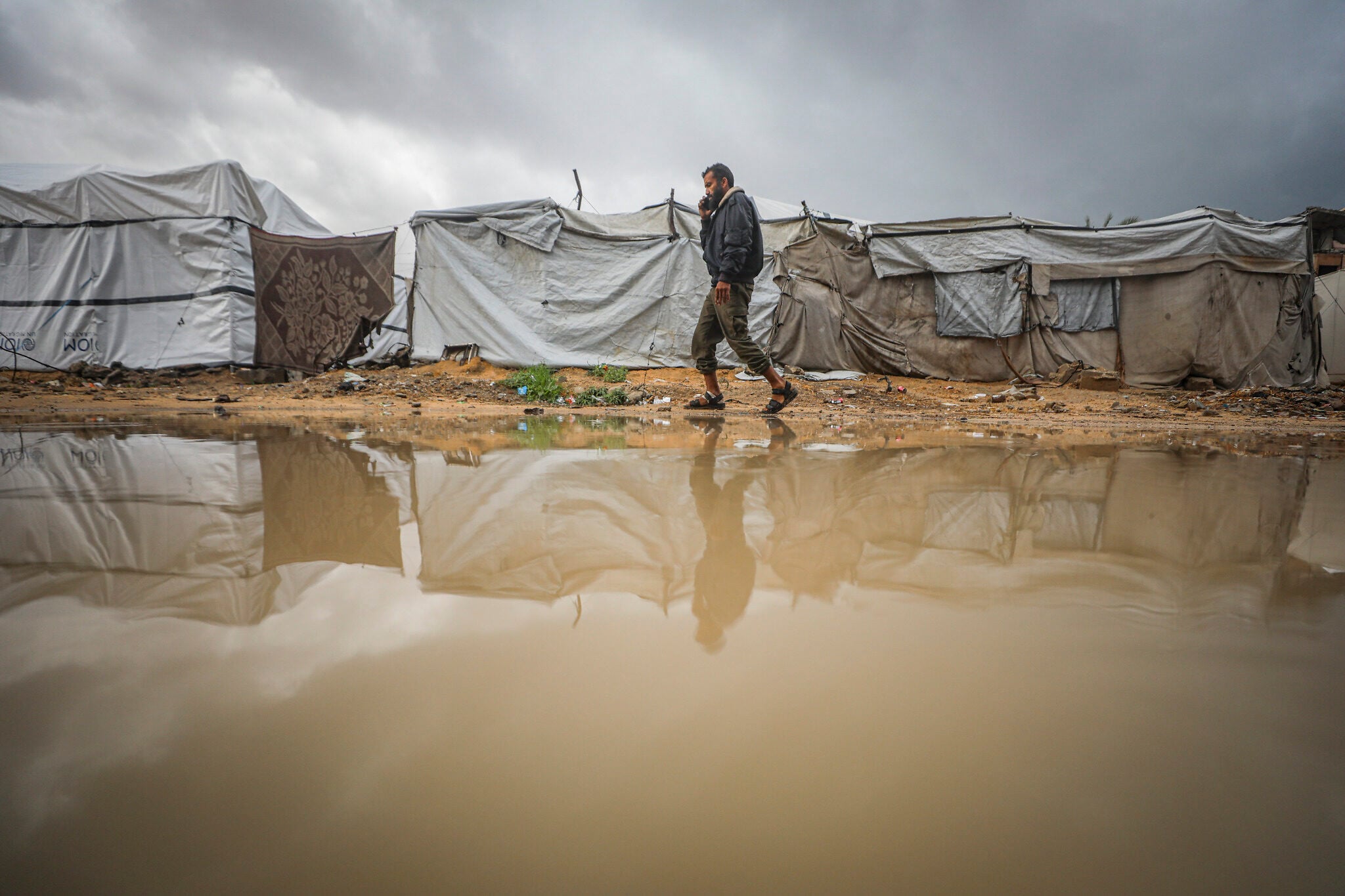
Last weekend, a winter storm blew through the eastern Mediterranean, bringing with it heavy rains that flooded tent camps in the Gaza Strip, leaving tens of thousands of already homeless families without any shelter. The collapse of a sand embankment at a displacement camp in central Gaza killed five people.

Hamas municipal officials were quick to blame Israeli restrictions and, combined with images of cold and wet Gazans, denunciations began to pour in.
British Foreign Secretary Ed Miliband, a frequent and harsh critic of Israel, warned of “intolerable suffering” in Gaza caused by Israel’s “arbitrary restrictions.”
But it wasn’t only the usual chorus of Israel-bashers who expressed serious censure. In a critique more likely to get the attention of Israeli decision-makers, the Board of Peace pointed a finger at Jerusalem, saying it was “deeply concerned by the… immediate humanitarian emergency.”
“The urgent entry and distribution of essential shelter, sanitation, drainage, and other winterization supplies is critical to protecting civilian lives,” said the Trump-founded body in a statement, warning against “preventable humanitarian emergencies.”
The Board of Peace emphasized that it had “specifically urged” Israel to allow in “temporary shelter, water and sanitation infrastructure, waste management, drainage, and sewage removal.”
Israel’s response is “insufficient,” it said. Going further, the Board also blamed Israel for significantly delaying Hamas disarmament and the replacement of the terrorist group by the NCAG.
Much of the Board’s anger, The Times of Israel has learned, comes from Israel digging in its heels over dual-use materials, and the official seen as most problematic is COGAT chief Halevi.
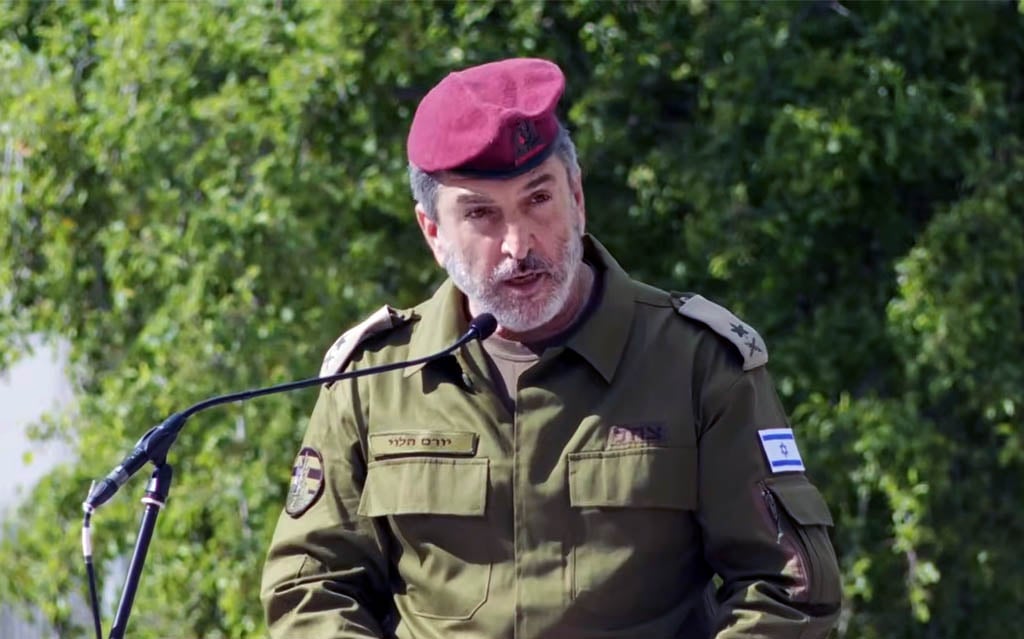
“There is a lot of frustration over the dual-use issue,” a foreign diplomat told The Times of Israel.
Halevi, Jerusalem’s former top cop, has ties to the right flank of the outgoing government. He was in far-right National Security Minister Itamar Ben Gvir’s informal circle of retired senior police officers to advise on dealing with protests and crime.
Defense Minister Israel Katz, a hardliner on Palestinian issues, called Halevi “well-acquainted with Jewish settlement in Judea and Samaria” when he was selected to lead COGAT.

Beyond Halevi, far-right Religious Zionism party leader Bezalel Smotrich holds a cabinet-level role in the Defense Ministry that gives him extensive influence over COGAT activities.
Hamas responsibility
Israel has pushed back hard against the growing campaign, placing the spotlight squarely on Hamas and insisting that it’s hamstrung because of the terror group’s continued control over Gaza’s population.
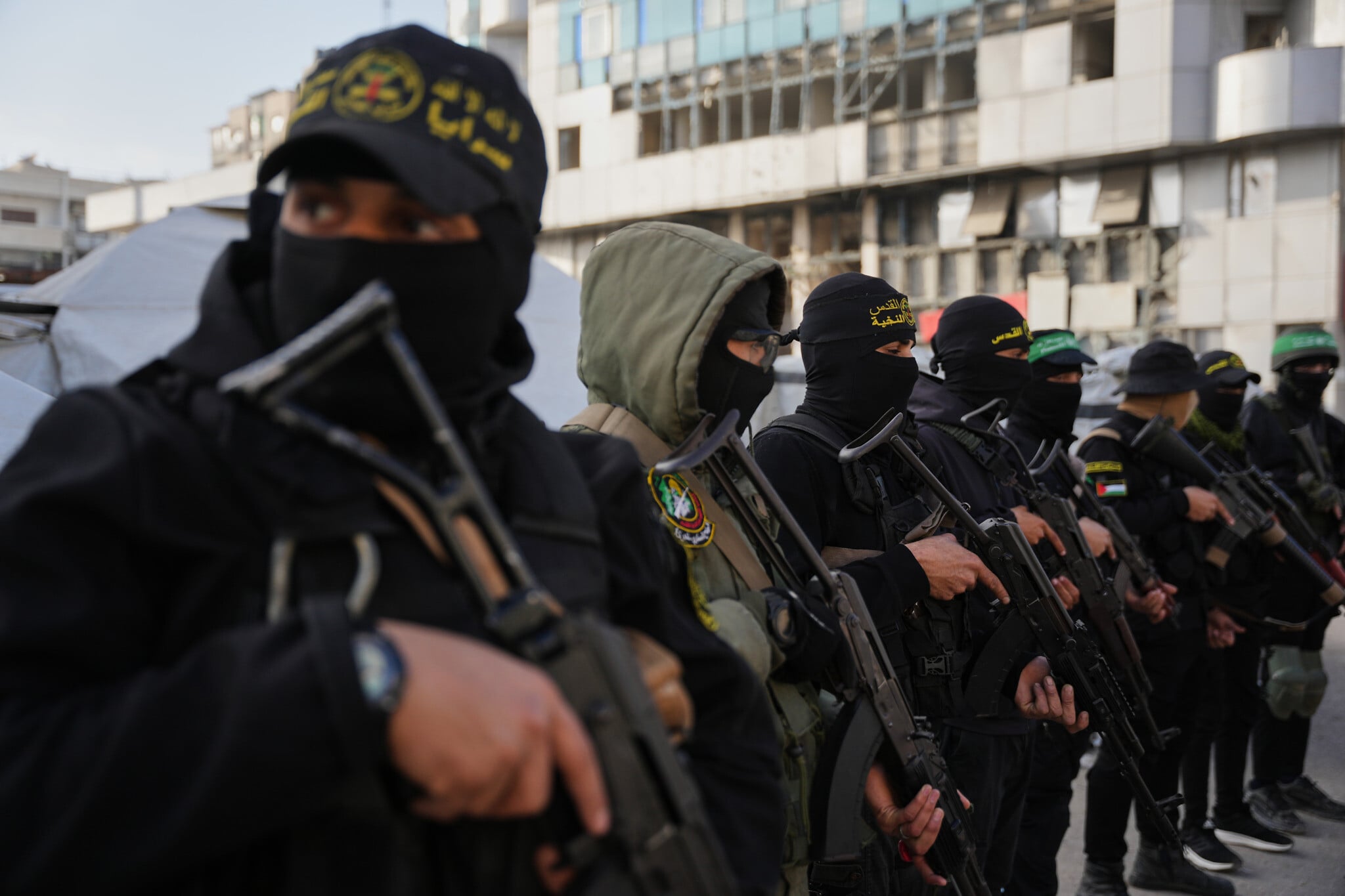
The allegations “divert attention from Hamas’s responsibility,” COGAT told The Times of Israel, pointing out that the terror group is still using civilian and humanitarian areas in Gaza for military activities.
It stressed that it is “fulfilling its humanitarian obligations under the ceasefire agreement,” and has been working for months with the United Nations and other international agencies on a winter preparedness plan.
“Requests to bring in dual-use equipment are assessed according to humanitarian need, the characteristics of the equipment, and the risk of Hamas exploiting it,” COGAT explained. “When bringing in the requested equipment entails a security risk, COGAT works with international organizations to advance alternatives that will address the needs on the ground, subject to a monitoring and oversight mechanism.”
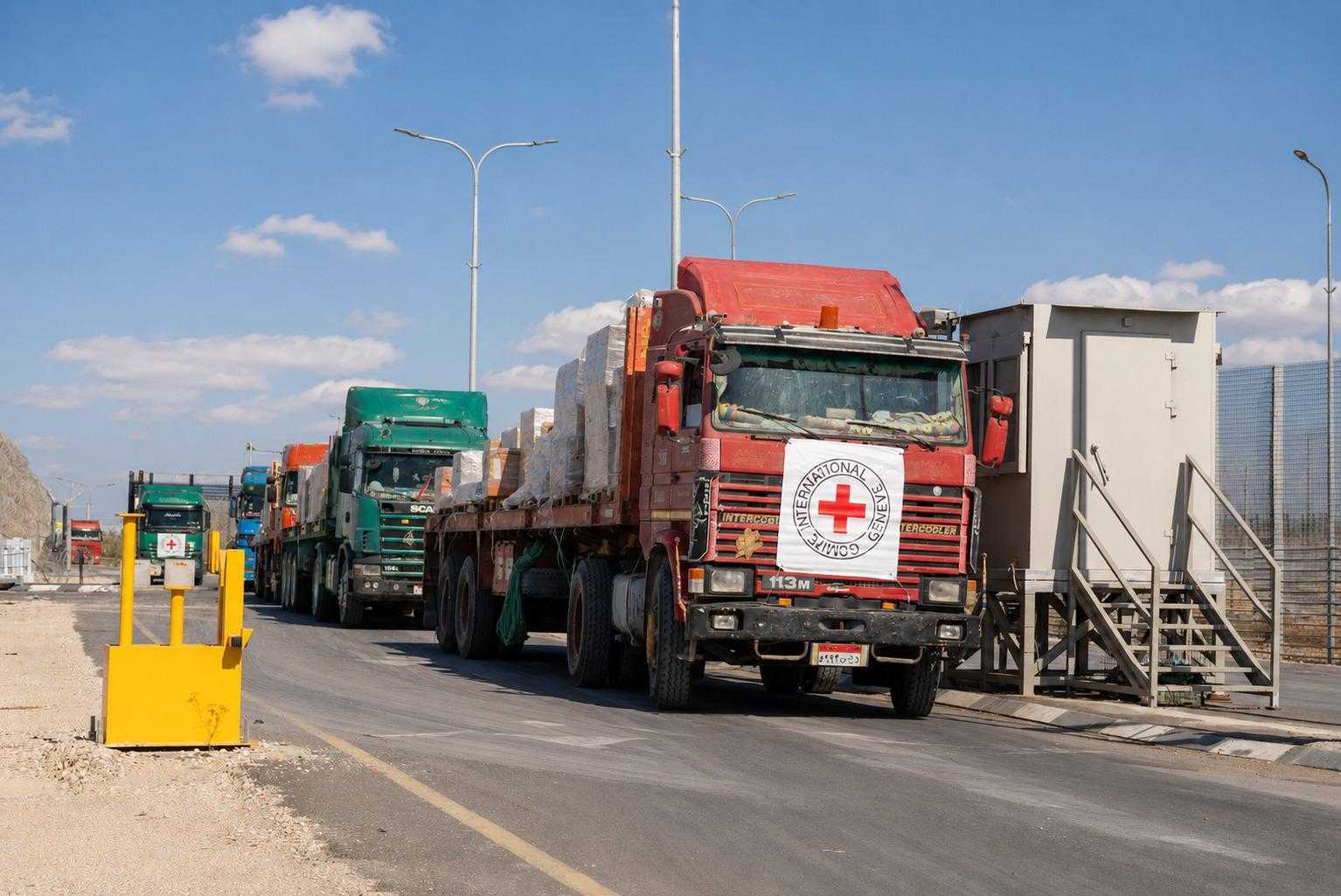
A day after the Board of Peace criticism, Netanyahu’s office released an English-language statement that said it is working with the US and the Board on a winter plan that includes the entry of over 91,000 tents and more than 8,200 trucks’ worth of winter clothing and supplies, as well as 12 trucks to remove sewage, and repairs to water and sewage infrastructure.
Hamas, meanwhile, has “used cement intended for homes to build terror tunnels, it turned water pipes into missile launchers, and it used sanitation pumps to manufacture rockets,” the statement said. “Hamas steals from Gazans to arm itself, systematically diverting humanitarian aid to military infrastructure while the United Nations and UNRWA turn a blind eye.”
“As long as Hamas remains in power, it will use every dual-use item entering Gaza to entrench its terror regime and expand its military arsenal,” said the Prime Minister’s Office.
Aid groups note that tents are a poor substitute for more substantial shelters, like modular structures that protect against heavy rainfall and winter conditions.
However, Israel bans the entry of prefab and mobile homes, which it worries would be seen as allowing a form of rebuilding while Hamas still has weapons. The terror group, it fears, would interpret a compromise on the issue as evidence that it can hold onto its weapons while international pressure forces Israel to consent to reconstruction.
Price of delay
The winter issue is just one area in which key international players want to see more flexibility from Israel.
The multinational International Stabilization Force still does not have a mutually agreed-upon mandate, and its base inside the Gaza Strip has yet to be built. According to the Guardian, Jerusalem hasn’t authorized construction to begin on the project, with contractors and trucks blocked from Gaza two months after a US company won a tender to build an outpost for 150 troops.
“Israel won’t open the border,” a source is quoted as saying, lamenting that without the deployment of the International Stabilization Force in Gaza, “You can’t rebuild.”
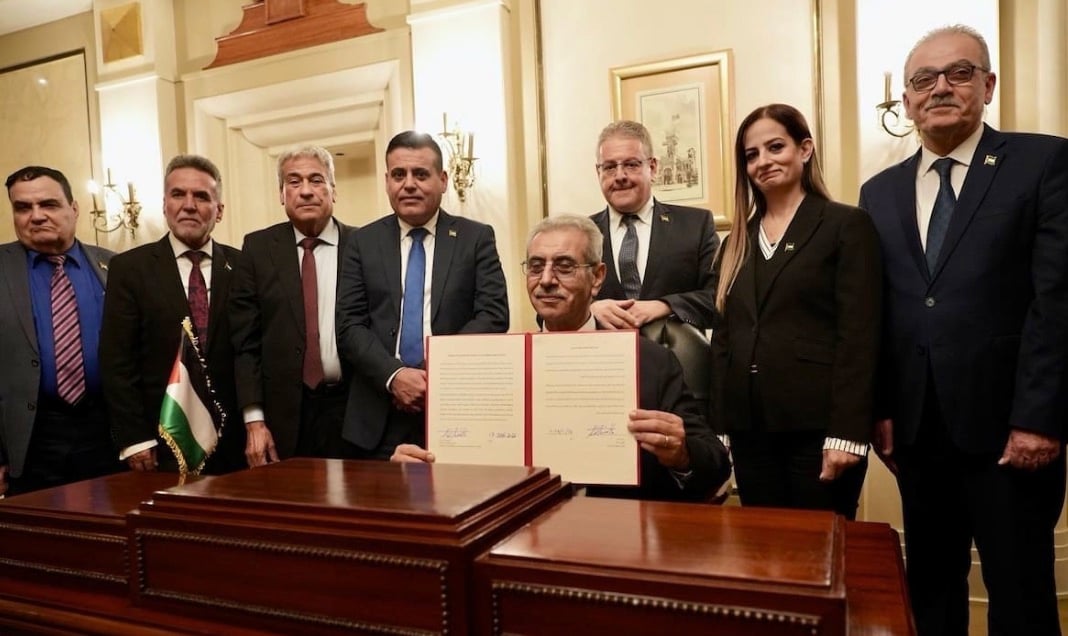
The NCAG, designed to replace Hamas as the ruling administrative entity in Gaza, has also not entered the Strip, with many claiming that it is Israel preventing the technocrats from entering. Security concerns over being targeted by Hamas have also been cited.
Netanyahu’s government has also prevented some 16,500 Palestinians who have successfully undergone Israeli vetting to serve on the Board of Peace’s new Gaza police force from leaving the Strip to begin training, two Board of Peace officials told The Times of Israel.
The White House and Board of Peace may believe Netanyahu freed of his pre-election concerns thanks to the fact that the vote already happened, but the lack of certainty over whether it will result in a government or a second round of voting means the prime minister, now in caretaker mode, is still seemingly not finished campaigning.
Netanyahu is trying to present his opponents as weak on Hamas and willing to ally with ostensible terror supporters in the Arab parties. Anything that could open him up to attacks of being soft on Hamas after failing to vanquish the group is something he will take great pains to avoid.
His chief rival Gadi Eisenkot, if he manages to form a new government, will likely be willing to change the tenor of ties with international partners, and could be open to requests from Trump and the Board of Peace to allow in more humanitarian materials in exchange for a concerted push on Hamas to disarm.
With his own electoral fate already sealed and keen to see progress on Gaza, Trump likely prefers for Israel to resolve its political situation sooner rather than later. With Eisenkot currently best positioned to do that, and having seen the current government’s unwillingness to act, the US president may be less interested in granting Netanyahu any more passes.






The Times of Israel Community.