

Mossad chief in US for talks on Iran, Netanyahu didn’t update Eisenkot on visit – report
Gofman said to be meeting CIA chief and Witkoff; Zamir still reportedly alone among Israel’s security chiefs to oppose immediate strike on Iran that could derail coalition talks
 Add ToI as a Preferred Source on Google
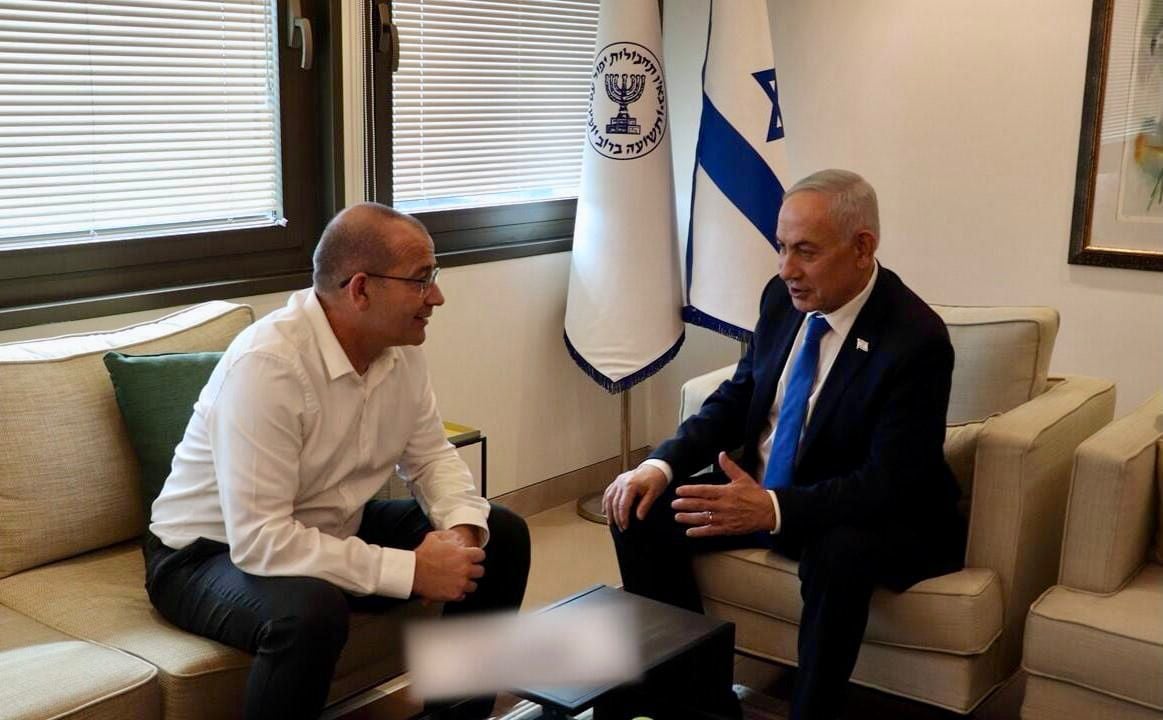
Mossad Director Roman Gofman was in Washington on Friday for a meeting about Iran with his CIA counterpart John Ratcliffe, the Axios news site reported, citing three sources with knowledge of the matter.
One of the sources said Gofman would later travel to Miami for talks with White House envoy Steve Witkoff.
Axios said the Mossad, CIA and White House declined to comment.
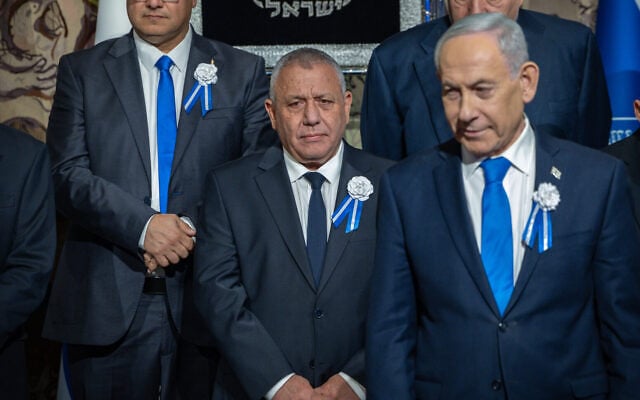
According to Channel 12 news, Gofman’s trip was not disclosed to Gadi Eisenkot in the Yashar party chief’s Thursday security briefing with Prime Minister Benjamin Netanyahu.
The spy chief’s trip to the US comes as Netanyahu is working to convince US President Donald Trump to launch a renewed military offensive against Iran.
Trump has said publicly that such an attack is less likely, as he prefers the current strategy of squeezing Tehran through economic sanctions and a blockade of its ports, but the US president has said he could return to using military force if deemed necessary.
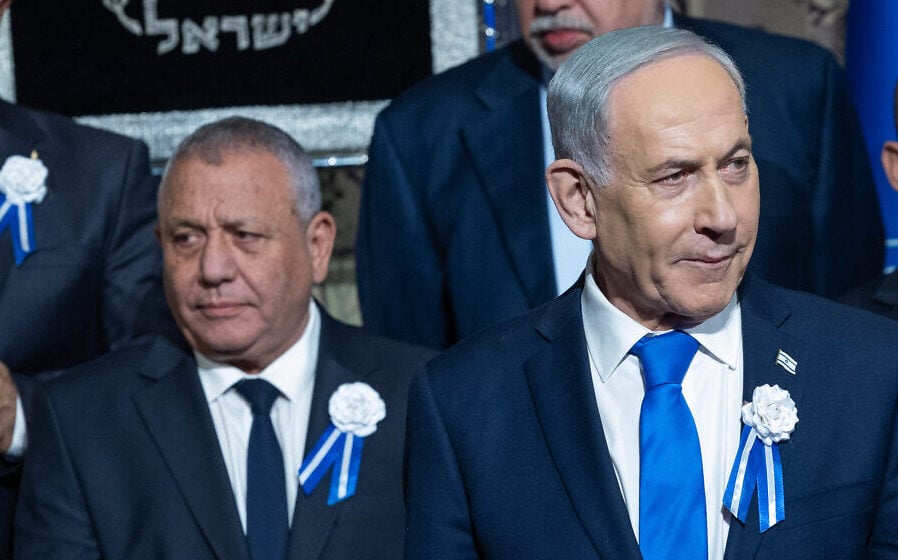
Senior figures in the Eisenkot-led bloc told Channel 13 news on Friday that Netanyahu failed in the briefing to convince Eisenkot that it was necessary to launch “an immediate attack in Iran.”
Eisenkot himself on Friday wrote on social media following the briefing that Netanyahu’s government needed “strict supervision” to prevent any bid to “reap a political dividend” off Israel’s security.
Zamir remains holdout
In a separate unsourced report, Channel 12 said IDF Chief of Staff Lt. Gen. Eyal Zamir remains the holdout among Israel’s security chiefs to oppose an immediate Israeli strike on Iran.
In favor of a strike were Netanyahu, Gofman and Shin Bet chief David Zini, as were National Security Council chair Shmuel Ben Ezra and Israeli Ambassador to the US Yechiel Leiter, Channel 12 said.
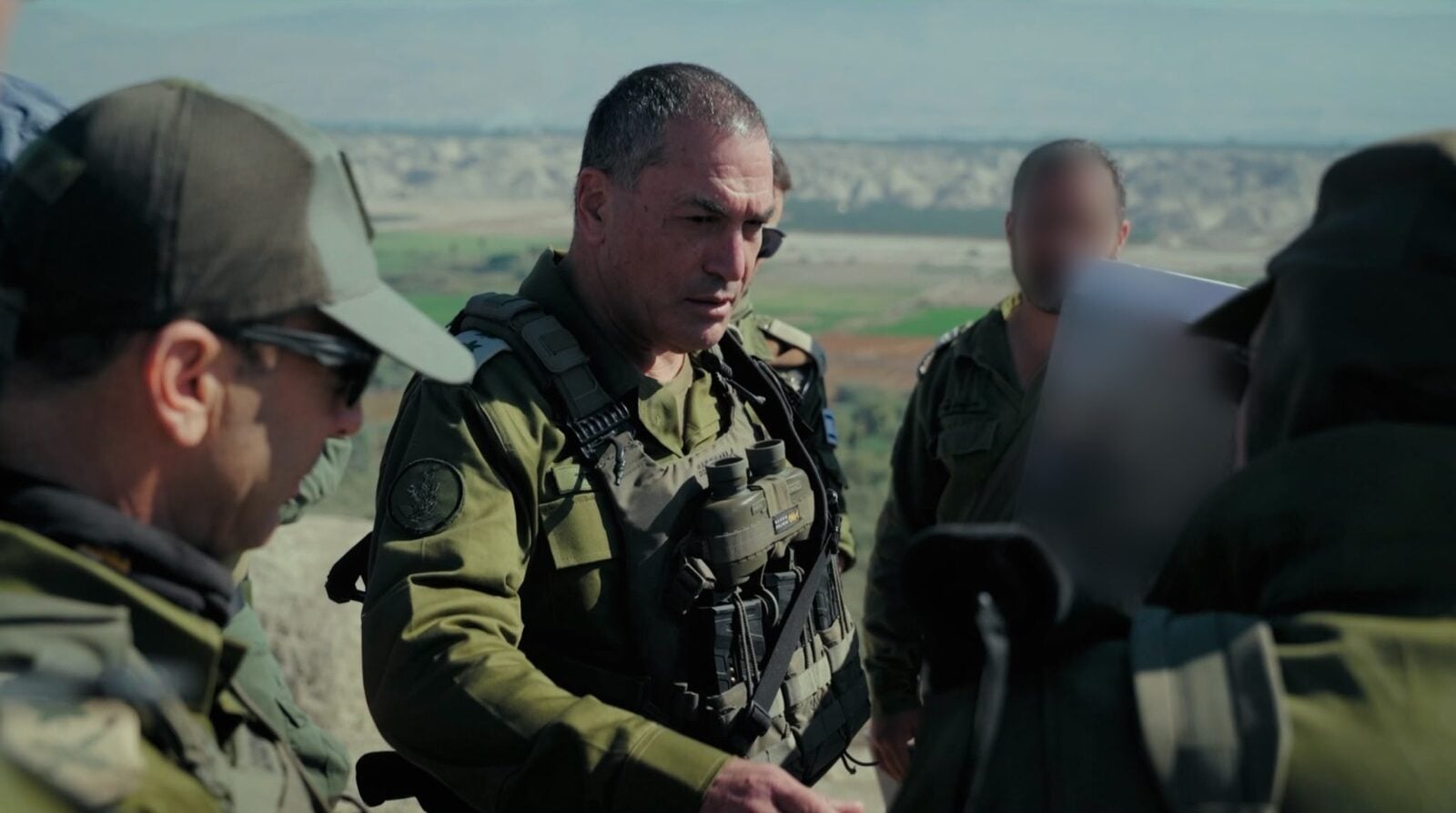
According to Channel 12, Zamir considers Iran to be a credible threat, but not urgent enough to warrant a strike that could throw off the formation of a new government following the Knesset election last month.
A security source told the Kan public broadcaster that while the military was ready for action in Iran, “the army’s role is to prepare for war. What happens behind the scenes does not always indicate decisions that will be made.”
Zamir, Zini, Gofman and Leiter are all Netanyahu appointees, with the appointments of the Mossad and Shin Bet heads drawing fire from critics who accused Netanyahu of placing loyalists in key positions out of improper motives.
Commander of US Navy’s 5th Fleet visits Israel, Iran launches drones at Bahrain
Meanwhile, the US Navy’s Bahrain-based 5th Fleet completed a visit to Israel this week, the IDF said Friday.
During the visit, 5th Fleet commander Vice Adm. Curt Renshaw met with Israeli Navy chief Vice Adm. Eyal Harel and other top naval officers, according to the Israeli military.
“The commanders discussed the Navy’s actions during operations across the various arenas, strengthening the partnership to maintain regional stability and the security of maritime routes, mutual coordination between the fleets, and technological knowledge-sharing,” the IDF said in a statement.

The 5th Fleet is headquartered in Bahrain and has been involved in low-level fighting against Iran in the Gulf and Strait of Hormuz in recent months, amid the blockade that the retaliatory naval blockade that the US launched on Iran in April.
The visit came as the US military’s Central Command (CENTCOM) confirmed Friday that Iran launched an attack on Bahrain overnight — the first such attack on a Gulf country since early September.
Iran’s Islamic Revolutionary Guard Corps (IRGC) claimed that it targeted a US early-warning radar in Bahrain, in response to an attack on a telecommunications tower in Iran’s southern Sirik county.
Contrary to that account, CENTCOM said the IRGC “launched two one-way attack drones toward Bahrain” but that US troops shot down both drones and “there were no injuries or damage.”
Israel and the US jointly launched the war on Iran on February 28 in a bid to destabilize its regime and destroy its ballistic missile and nuclear programs.
Iran responded with missile and drone strikes across the region and with a blockade of the Strait of Hormuz, which previously carried about a fifth of the world’s oil shipments.
The fighting entered a truce in April, with Arab and Muslim mediation ongoing for a peace deal, even as skirmishes between the US and Iran have continued to occasionally erupt around the strait.






The Times of Israel Community.