

Eisenkot says Netanyahu refusing to give him security briefings, asks AG to intervene
Yashar chair warns PM against non-urgent military action, which he says could have ‘devastating consequences for Israeli democracy’; PM accuses him of politicizing national security
 Add ToI as a Preferred Source on Google
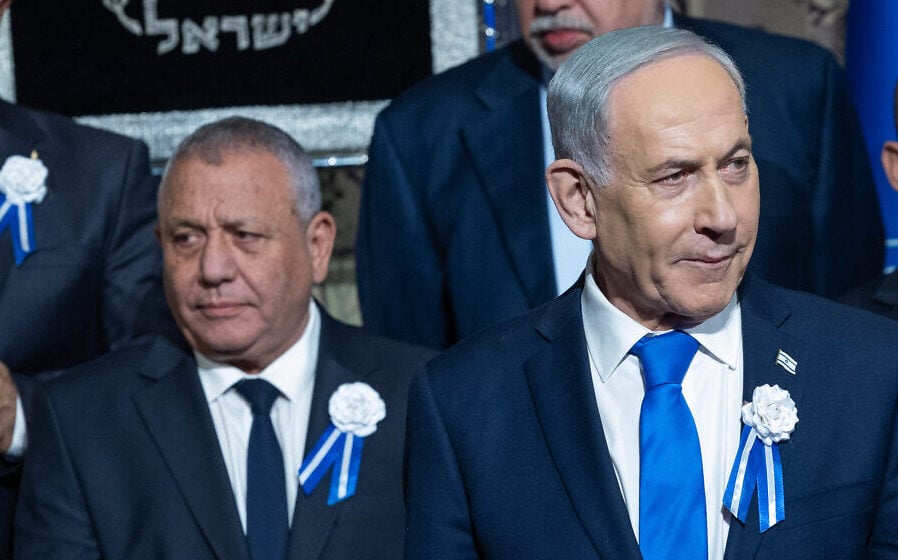
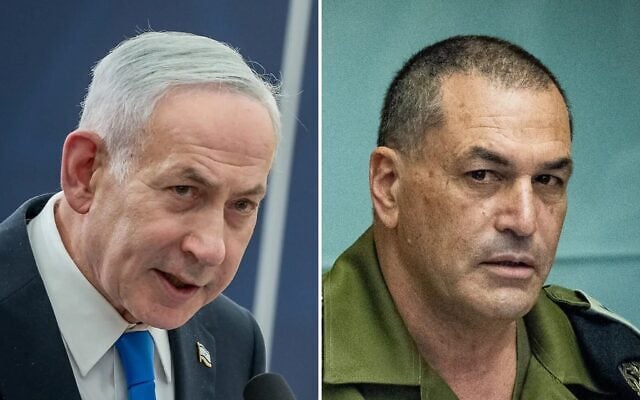
Yashar party leader Gadi Eisenkot on Wednesday urged Attorney General Gali Baharav-Miara to intervene so he could receive regular security briefings from Prime Minister Benjamin Netanyahu, after warning the premier not to deploy security forces for non-urgent action amid the transitional period following the election.
Eisenkot said he should receive “regular, structured and comprehensive” briefings and access to intelligence assessments because there is currently no opposition leader under the law and President Isaac Herzog has tasked him with forming a government.
He alleged that his team’s attempts to arrange them with Netanyahu’s staff have failed.
Eisenkot also urged the attorney general to ensure that any military or operational action is properly discussed and approved by the cabinet and government, as required by law. He said this is necessary for “effective oversight, proper national decision-making and protection of security interests.”
The appeal came after Eisenkot warned Netanyahu not to deploy security forces without an immediate threat, amid reports that the caretaker prime minister was seeking military action against Iran despite objections from security chiefs.
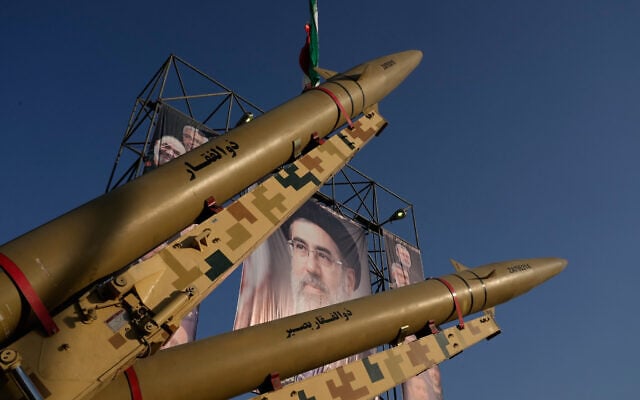
His letter earlier did not mention Iran, but it came amid recent reports that Netanyahu is seeking a military operation there despite security chiefs’ objections, including an Israeli television report on Tuesday that IDF Chief of Staff Lt. Gen. Eyal Zamir had again opposed unspecified actions the premier wanted against Iran, after reportedly resisting a similar move before the October 27 election — when defense officials feared it could trigger an escalation and derail the vote.

“In recent weeks, deeply concerning reports have been published about extraneous considerations being introduced into the holiest of holies, Israel’s security,” a statement said Eisenkot had written in a letter to Netanyahu. “In this complex and sensitive political situation — perhaps the most sensitive our country has ever known — you have a duty to exercise extra caution and responsibility in making security and national decisions.”
“Deploying the security forces without a direct and immediate threat that cannot wait could have devastating consequences for Israeli democracy and public trust in the institutions of government,” he warned. “I demand that you act with national responsibility during this sensitive period. Show restraint and caution, and refrain from dangerous moves that can wait until a new government with the Knesset’s confidence is sworn in. Do not undermine the public’s trust in government institutions and the decision-making process.”
Eisenkot also warned against placing security chiefs in “a grave constitutional conflict” or leaving them uncertain “about what is required of them and what the right course of action is,” urging Netanyahu to let them “uphold, without doubt, the sacred duty entrusted to them.”
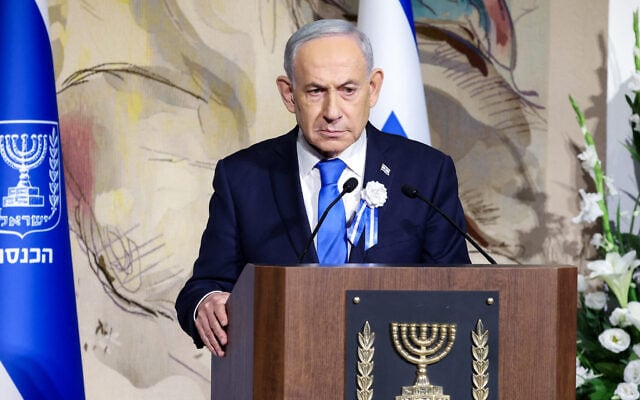
Netanyahu’s bloc lost its parliamentary majority in last month’s election, and Herzog tasked Eisenkot with forming a government on Sunday after he received the most recommendations from lawmakers. Netanyahu remains caretaker prime minister, however, with control over the government and security forces until a new government is formed. Eisenkot noted in the letter that “only 46 MKs still support your continued tenure as prime minister.”
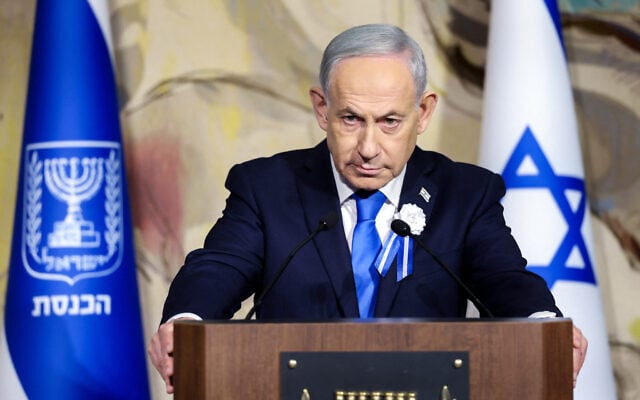
Netanyahu responded to Eisenkot’s letter by saying the Yashar chair was trying to politicize national security, saying such matters shouldn’t be discussed in public.
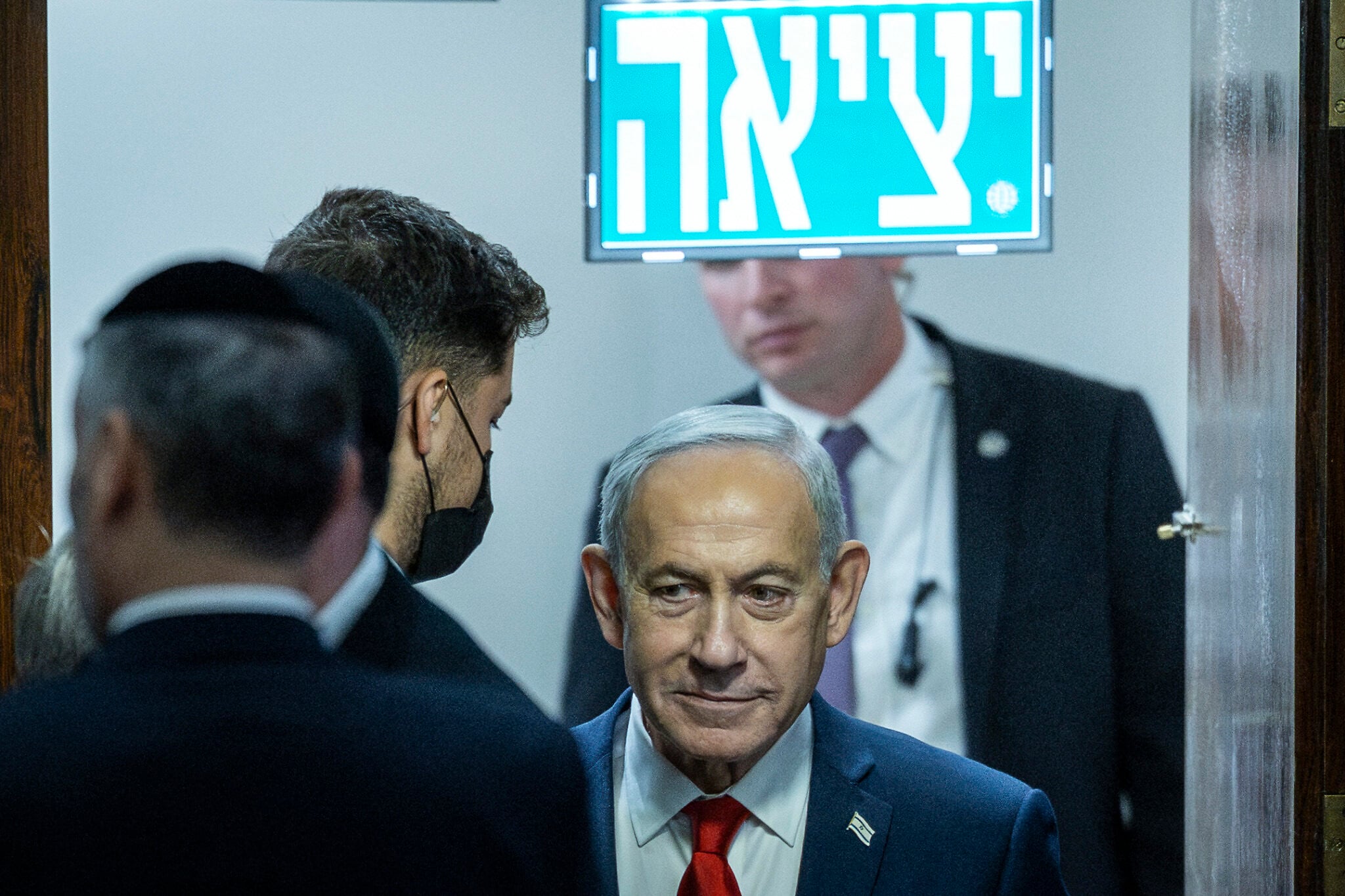
“All decisions taken by the government led by Prime Minister Netanyahu were taken solely based on security considerations and in full coordination with the security establishment,” said his office.
“Instead of sowing fear and division, one must act responsibly,” it continued, responding to Eisenkot’s missive.
“Eisenkot’s letter is an irresponsible move to discuss sensitive security issues in public,” said the Prime Minister’s Office. “This is a transparent attempt to introduce politicization into Israel’s national security issues.”
It also called on Eisenkot to join a Netanyahu-led government.
Responding to the prime minister’s response, Eisenkot claimed Netanyahu has refused his request to get an operational update via official channels, “as is custom.”
While he has the mandate to form a government, Eisenkot’s path to the Prime Minister’s Office is uncertain. His bloc of parties holds 48 seats, compared with 53 for parties in Netanyahu’s governing coalition. However, the ultra-Orthodox party United Torah Judaism did not recommend the incumbent to retain his position, meaning he only got the support of 46 mandates after the election.
Arab parties control the remaining 19 seats, but the leaders of all the Zionist anti-Netanyahu parties, other than the Democrats’ Yair Golan, have rejected them as partners in government.



The Times of Israel Community.