

On 1st day of Knesset, Eisenkot bloc submits bills to form Oct. 7 state inquiry, nix judicial overhaul
Other proposals include term limits on PM, repealing communication minister’s media overhaul; Democrats submit laws allowing civil marriage, public transport on Shabbat
 Add ToI as a Preferred Source on Google
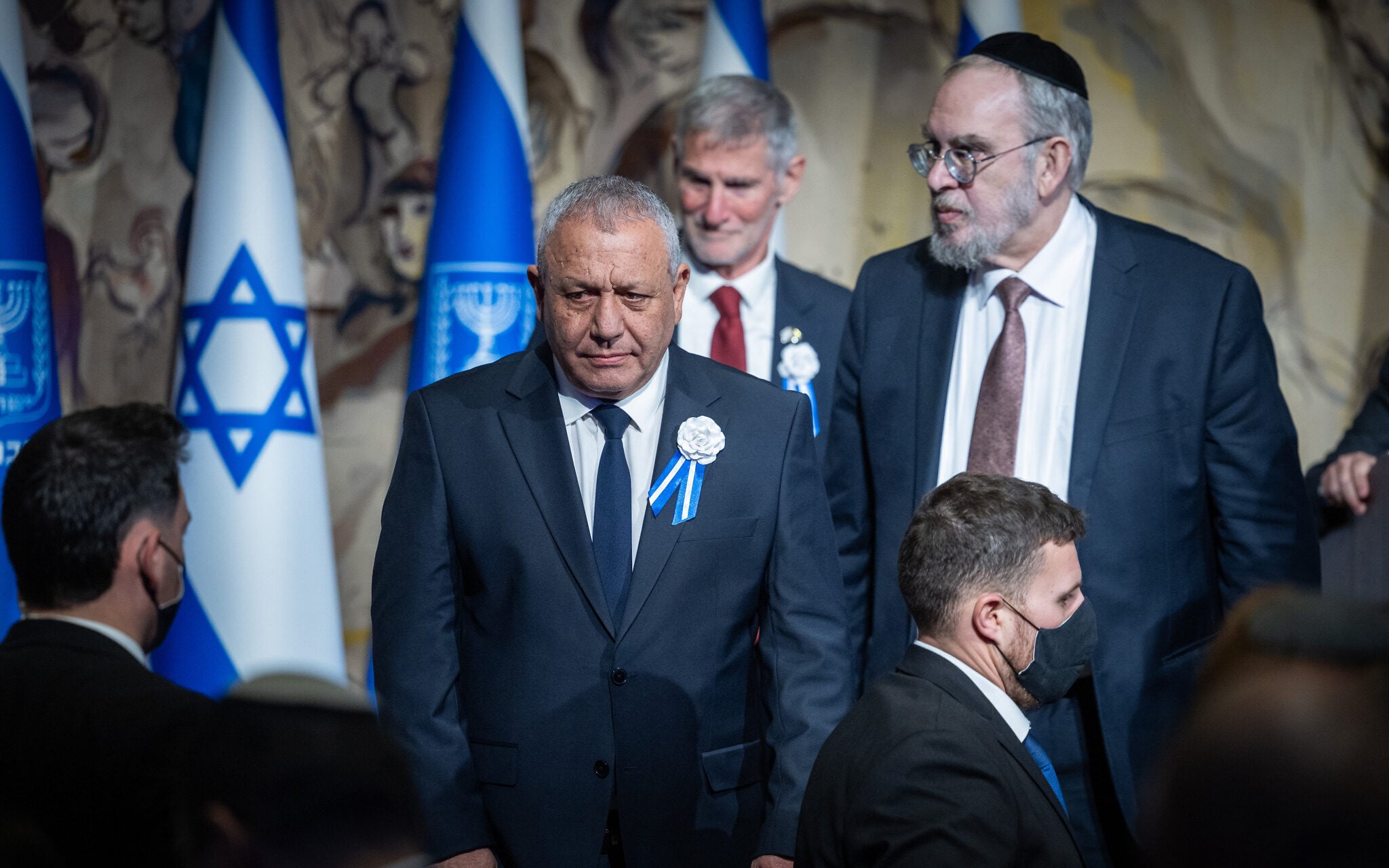
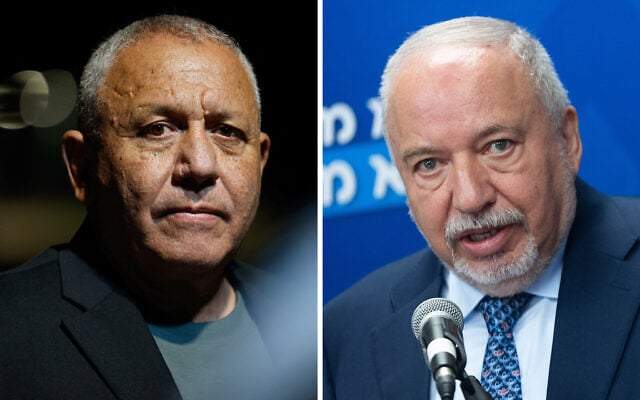
Yashar leader Gadi Eisenkot’s bloc of parties on Tuesday submitted a series of bills on the opening day of the 26th Knesset, including ones that would establish a state commission of inquiry into the October 7, 2023, Hamas-led massacre, impose term limits on prime ministers, and repeal laws passed as part of the outgoing government’s judicial overhaul agenda.
Eisenkot’s Yashar and Yair Golan’s Democrats said they submitted proposals to repeal a series of controversial laws passed by Prime Minister Netanyahu’s government, including the law eroding the powers of the attorney general, the Judicial Selection Committee law, and Communications Minister Shlomo Karhi’s media overhaul.
Yashar submitted a proposal to repeal the government’s previous amendment to the law governing circumstances under which a prime minister can be declared incapacitated — likely referring to a controversial 2023 law that blocks the court’s ability to order the prime minister to recuse himself from office, while the Democrats separately submitted a proposal prohibiting individuals under criminal indictment from holding office.
Additionally, Yashar submitted a proposal giving the justice minister control over the Department for Internal Police Investigations.
Meanwhile, the Democrats submitted bills allowing public transportation on Shabbat, civil marriage, regulating the status of Haredi schools, enshrining equality as a Basic Law and expanding LGBTQ rights.
The parties have not given further clarification on the details of the bills.
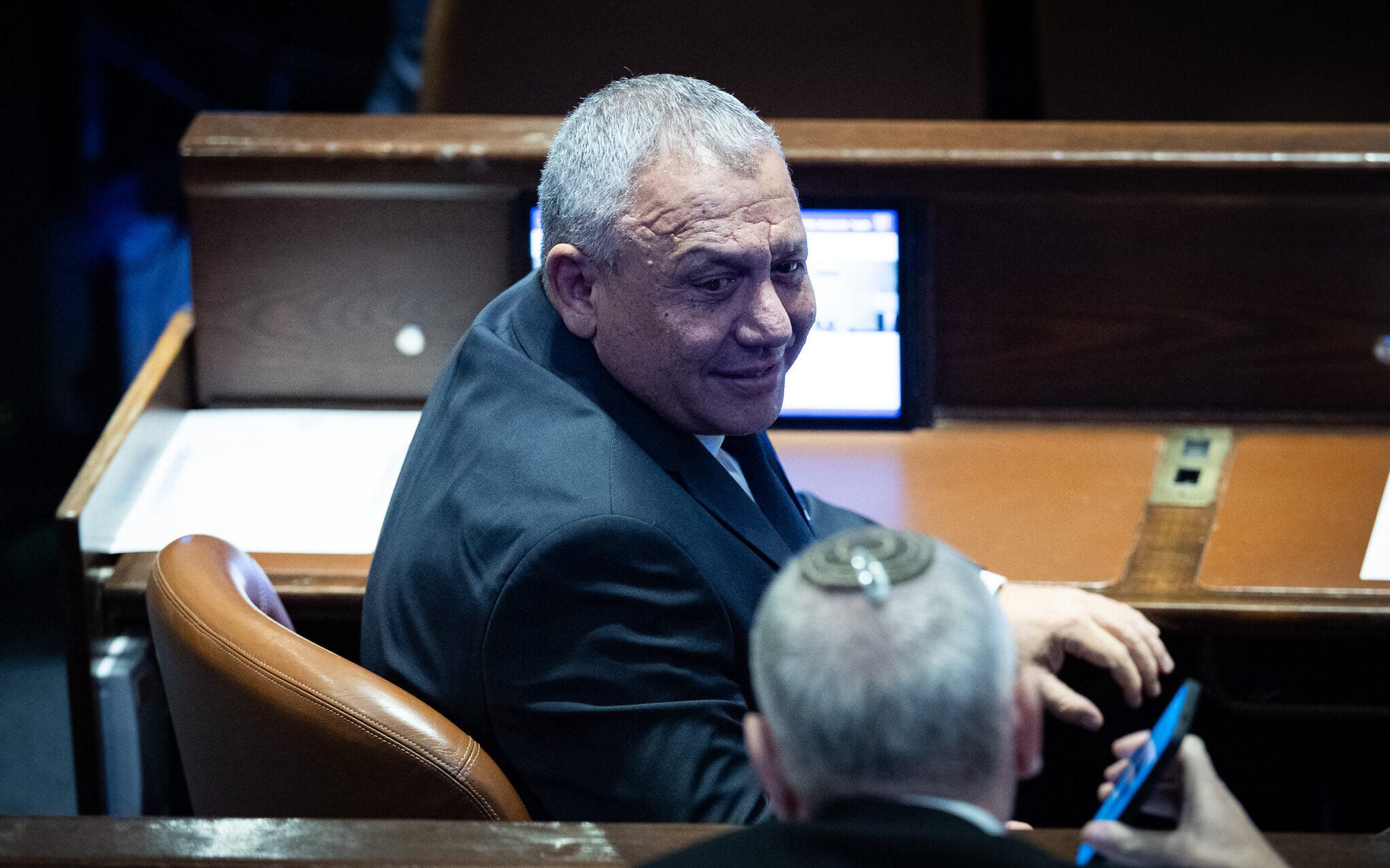
The Netanyahu government has long opposed the establishment of a state commission of inquiry into the catastrophe, arguing that an independent panel appointed by the Supreme Court would be biased against the government. Opposition parties, which accused the government of trying to evade responsibility for the disaster, made it a key election promise to set one up should they gain power.
The bulk of Tuesday’s proposals seek to repeal the raft of measures pushed by the previous government as part of its plan to give it greater control over the judiciary and law enforcement. The laws sparked widespread protests.
Critics of the judicial overhaul, which was largely in hibernation during the war and revived over the past year, say that it is undermining democracy and destroying the country’s system of checks and balances, while proponents assert it is a necessary corrective against abuse of judicial power.
The law gutting the Attorney General’s Office, set to enter into effect in January 2027, would effectively strip the role of authority over the government by allowing ministers to reject the official’s currently binding legal positions. It would also grant the coalition effective control over appointing and dismissing the person holding the office, replacing the current system under which the cabinet acts on the recommendation of an independent public committee headed by a retired Supreme Court justice.
The changes approved by the previous Knesset to the nine-member panel that makes all judicial appointments included the removal of the two representatives of the Israel Bar Association, replacing them with one lawyer to be directly chosen by the coalition and another to be chosen by the opposition. It also gives political representatives from the coalition, opposition and judiciary veto power over lower court appointments, as opposed to the current system where no side has a veto. It also removes any influence of the three judges on the committee over appointments to the Supreme Court while granting the coalition and opposition vetoes.
In the event that there are two empty slots on the Supreme Court and the coalition and opposition sides veto all of each other’s nominations for a year, the justice minister can activate a deadlock-breaking mechanism whereby both sides nominate three candidates, with the other side choosing at least one.
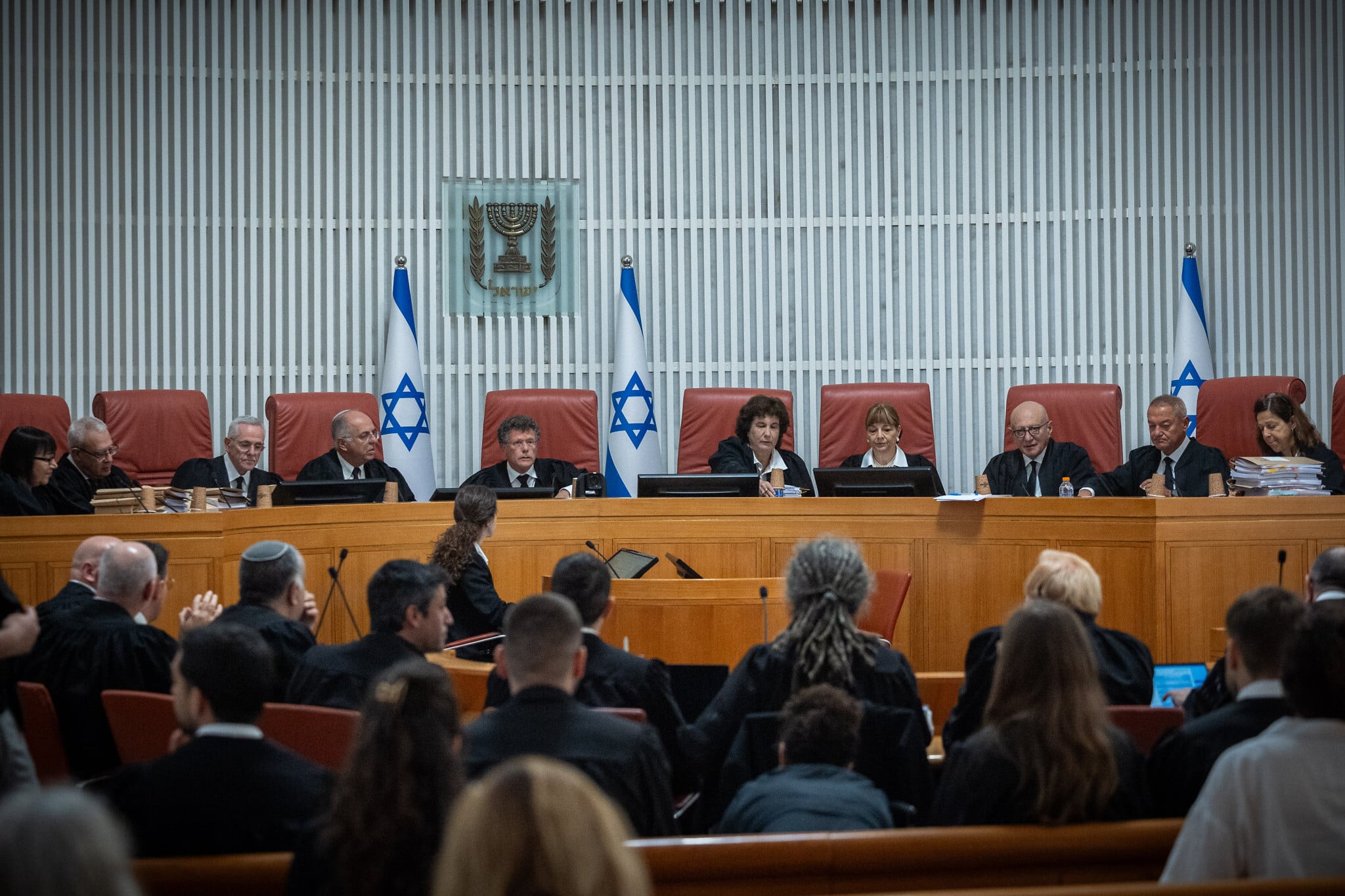
The High Court in 2024 postponed the implementation of the controversial recusal law until after the election, determining that it had been passed to personally benefit Prime Minister Benjamin Netanyahu, meaning that it will be considered law until the Knesset repeals it.
The top court also froze the implementation of the law restructuring the Department for Internal Police Investigations, placing an injunction on two of the new appointments. The law controversially gives the justice minister control over the appointment of the department’s director and also creates the post of a new, politically appointed official within the department to arbitrate disputes over investigations between the agency and the State Attorney’s Office.
Meanwhile, Karhi’s media overhaul, partially frozen by the High Court, significantly expands government control over Israel’s broadcast media and news sector by overhauling media regulation. It removes longstanding oversight mechanisms, minimum journalistic standards, obligations to invest in original Israeli productions and restrictions on cross-ownership. It gives the government greater influence over television ratings and state advertising allocation.




The Times of Israel Community.