

High Court extends freeze on implementation of controversial police investigations unit law
Justice minister rails at judges for ‘trying to defend the failed’ DIPI, as group that filed petition says order important in ‘protecting the independence of the law-enforcement system’
 Add ToI as a Preferred Source on Google
Jeremy Sharon is The Times of Israel’s legal affairs and settlements reporter
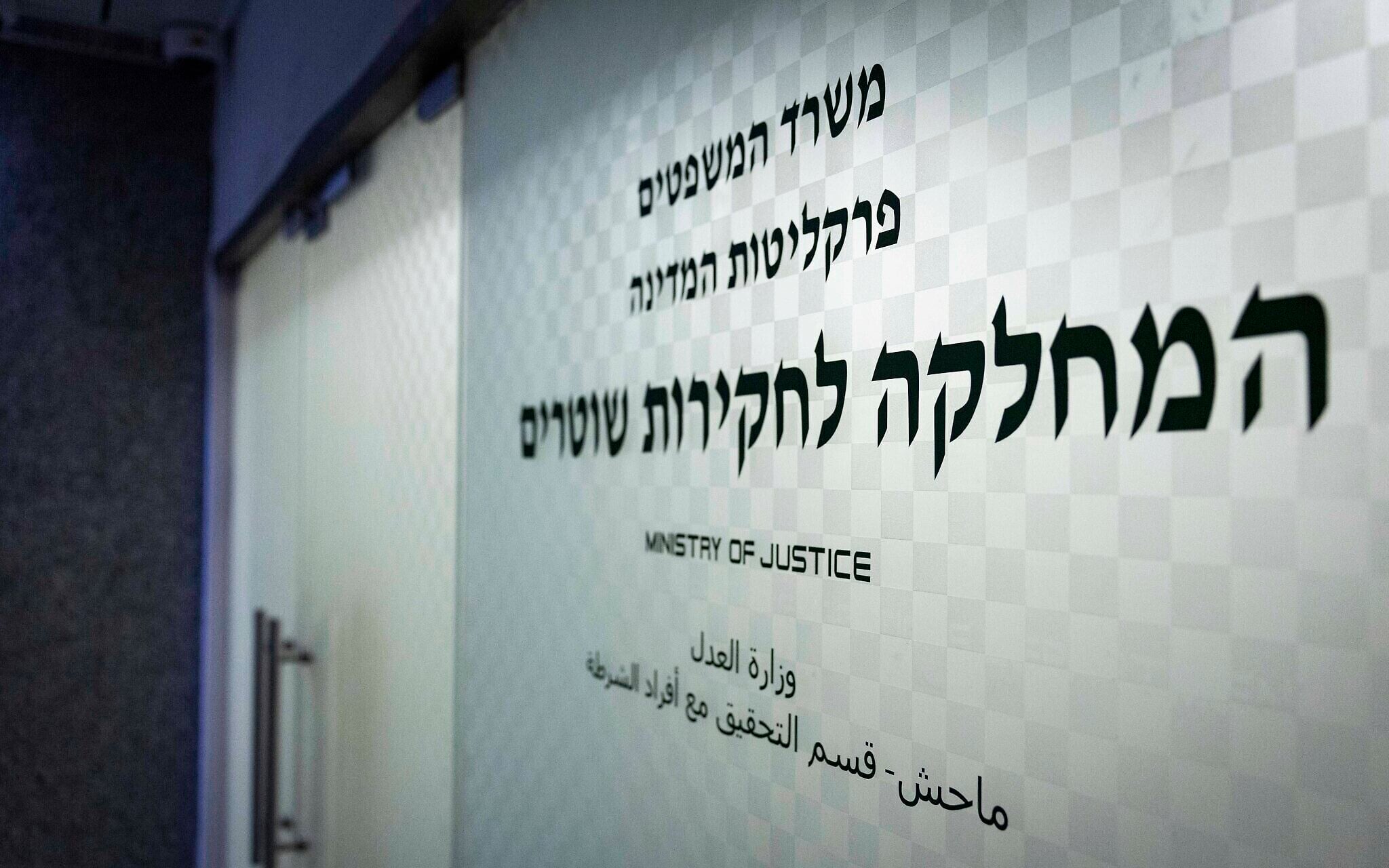
The High Court of Justice on Thursday issued an interim order freezing the appointment of two key officials to the Department for Internal Police Investigations (DIPI), which was recently restructured by contentious Knesset legislation.
The court issued a temporary injunction against the appointments last month, but the interim order froze the appointment process and, in practice, the implementation of the new law until a further decision by the court.
Specifically, the interim order froze the appointment process for the new DIPI director and the investigation disputes arbitrator established by the new law, and also barred the justice minister from preparing the budget for the agency.
The DIPI, a Justice Ministry department that investigates police misconduct, answers to the state attorney, who is a civil servant, rather than the justice minister, who is almost always a politician. The new law controversially gives the justice minister control over the appointment of DIPI’s director and also creates the post of a new, politically appointed official within the department to arbitrate disputes over investigations between the agency and the State Attorney’s Office.
Attorney General Gali Baharav-Miara, who has expressed concern that an unduly politicized DIPI would intimidate law enforcement and harm the state’s ability to ensure the integrity of the upcoming October 27 election, had urged the judges in a filing last month to halt the appointments.
Justice Minister Yariv Levin railed at Thursday’s decision, saying it was “proof of the frustration felt by a handful of High Court judges” angered by other legislation he championed as part of the government’s broader drive to curb the judiciary’s powers.
“The judges… are trying to defend the failed institution of the DIPI,” he said in a statement.

The Movement for Quality Government in Israel, which petitioned the High Court against the legislation, said the interim order was important in “protecting the independence of the law-enforcement system” while the court considered the petitions.
“The Department for Internal Police Investigations must be a professional, independent body free from political influence. The solution must not be to place the body responsible for investigating police officers under the authority of the political echelon,” the organization said.
Times of Israel staff contributed to this report.









The Times of Israel Community.