 Add ToI as a Preferred Source on Google
Chava the Golem and Ahmad the Jinni take their final bow in “The Gates of Midnight,” the long-awaited third and last book in Helene Wecker‘s trilogy about supernatural beings in turn-of-the-century New York City.
When Wecker published her first book, “The Golem and the Jinni” in 2013, she had no idea it would take her eight years to produce “The Hidden Palace,” and then another five to bring the gripping narrative to a close with this new book, which dropped September 15.
With the publication of the bestselling series’ second installment, Wecker told The Times of Israel that she would complete the trilogy, but now admits it was daunting at times.
“Each time — after the first book and then after the second — there was this hesitance. I had to sit and think it through and ask myself whether I was really done with these. Did I really have it in me to write another one? Was there more story to tell here? I didn’t want to just write another book to write another book, like ‘the continuing adventures of…,'” Wecker said.
Golem and Jinni fans will be pleased the author persevered, bringing main characters Chava and Ahmad forward to 1930, along with several other familiar characters — both good and evil. We also meet new cast members, including one who is both old and new at the same time.
Over the 15 years since the end of “The Hidden Palace,” Ahmad, locked into human form, worked as an architect in Chicago, helping build the expanding concrete, glass, and steel skyline along Lake Michigan. Chava, meanwhile, remained in New York. No longer a baker or teacher, she retreated to a stately home in Brooklyn surrounded by a large garden. She cultivates vegetables and bakes challah and rugelach for the Jewish girls’ school where she used to teach. Chava keeps the house immaculate and comfortable, hoping it will one day be a sort of group home for supernatural creatures. Ahmad and Chava rarely see one another, and maintain their long-term, long-distance relationship through nightly telephone calls.
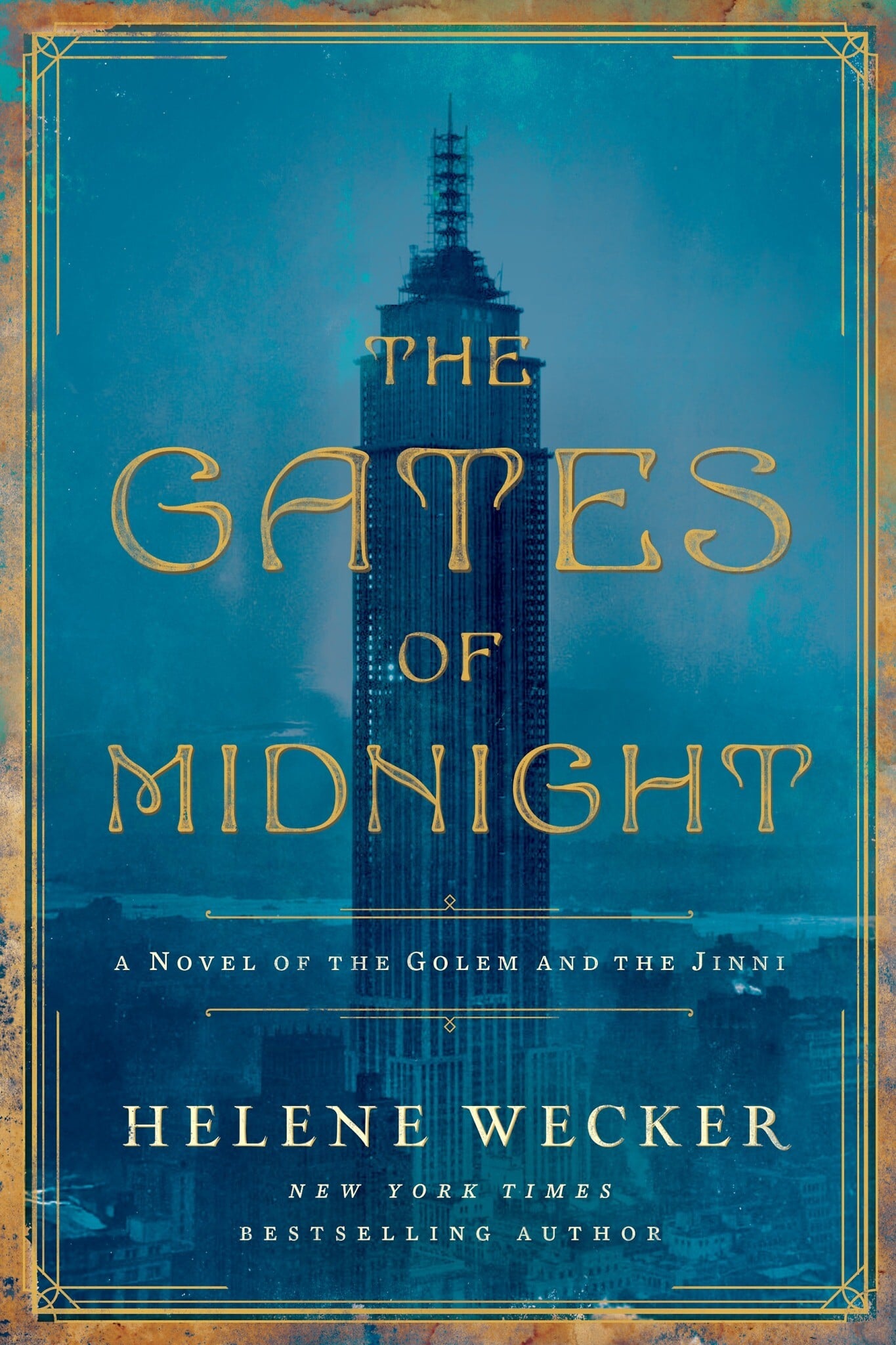
The Jinni decides he wants to reunite with the Golem, and when he loses his job in Chicago, he heads back east. His unannounced arrival coincides with all hell breaking loose as the wizard Yehuda Schaalman escapes his burial in a flask in the Middle East and returns to New York to destroy the Golem and enslave the Jinni.
“The Gates of Midnight” rounds out the historical metaphor that underpins the trilogy’s fantasy and action.
“The first book was about the shock of immigration and arrival in a new country. The second was about the long, drawn-out process of assimilation. Then I asked what book three would be about, and my brain immediately said: legacy. That was the thing that made sense and would cap off the story, that would make it a trilogy that feels complete,” Wecker said.
So what is this legacy? According to the author, it’s the next generation. It’s what it means to be the child or grandchild of immigrants and to live with specific gifts, burdens, and expectations in a culture where you are outside the norm.

“The personal experience that I’m drawing from is being the granddaughter of Holocaust survivors. In the context of the book, and of the series, I decided to bring back characters from the first and second book who we first met as children and bring them forward into adulthood,” Wecker said.
The following interview with Wecker was edited for length and clarity.
The Times of Israel: You kept your promise about writing a trilogy. Did you write this final installment out of responsibility to your readers, or to the characters?
Helene Wecker: I’m extremely fortunate that people are invested in this story, and I felt I needed to give the characters a send-off for their own benefit, too. This book is for the readers’ benefit, for my benefit, and to close the trilogy with something that I felt was worthy of everyone. The books’ characters have existed in my mind and stayed with me for the last 20 years, and now I feel deeply responsible for them. Since they couldn’t do anything without me, I had to stay in character for them and give them a story worthy of what they were capable of.
Like the other two books, “The Gates of Midnight” is long. This one clocks in at 456 pages, the shortest in the trilogy, but not by much.
Part of it is just the richness of the historical setting. I start to research, and then I want to put everything in. There are so many subplots and little tangents that I end up taking out. Every one of these books has been much longer in rough draft, and then I have to tell myself to get real and cut anything that doesn’t feel necessary or add to the book. Also, my having built up this cast of characters is another big lengthener, because everyone needs to get their due. I don’t want to give anyone short shrift. Of course, Chava and Ahmad are at the heart of it, but they’ve built a community, and that has been part of their arc through these three books. They have learned how to create a community, and so that community needs to be represented.
It was really difficult with this book to decide who to keep in the character list and who to say goodbye to before the book even began. I had to pare things down. I couldn’t include everyone because it would have been 200 pages longer than it already is. I am stopping at three books because it’s become too unwieldy to continue and remember each character’s personal history, their special powers, and how they interact. It just became Dickensian in a way that was unmanageable.
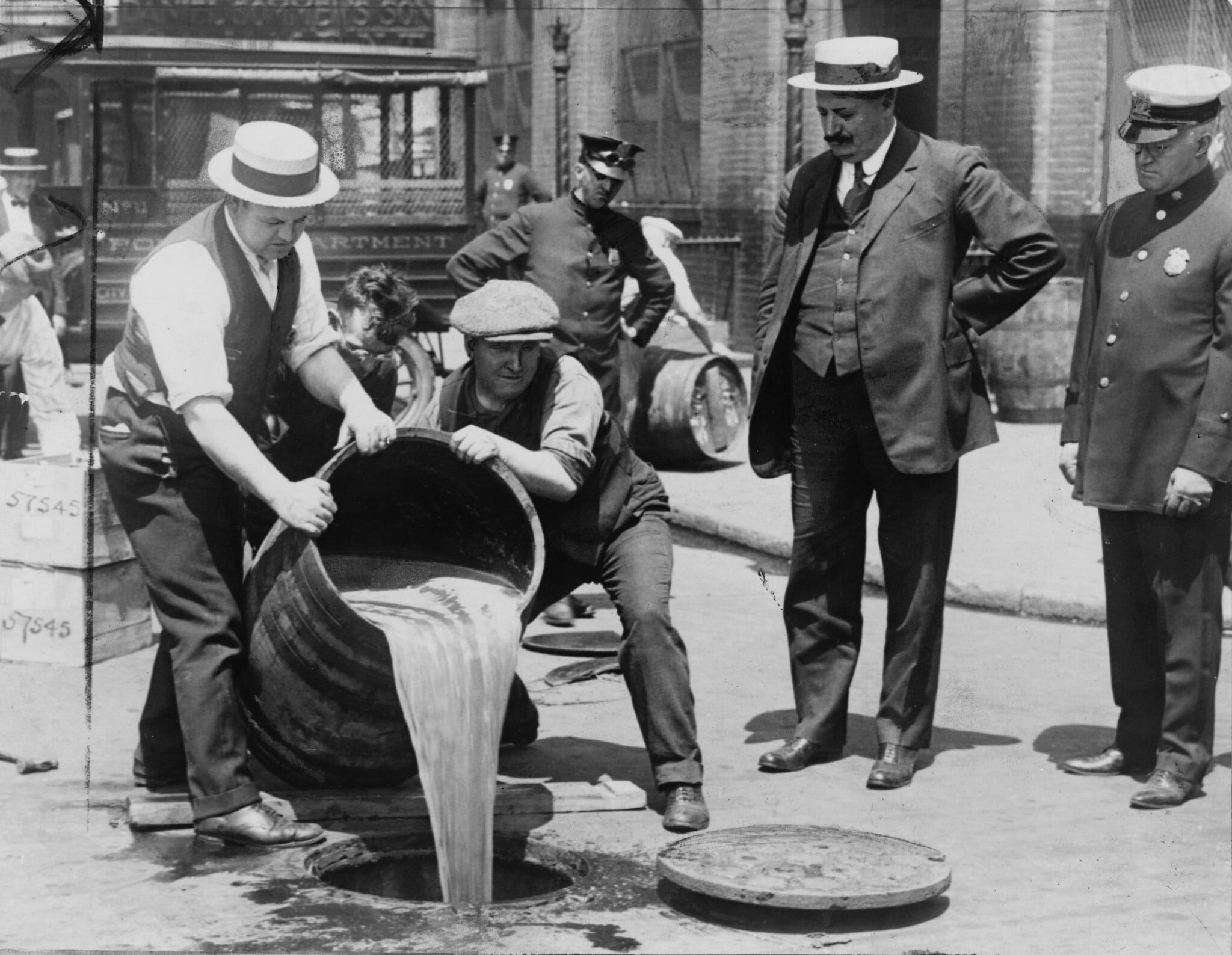
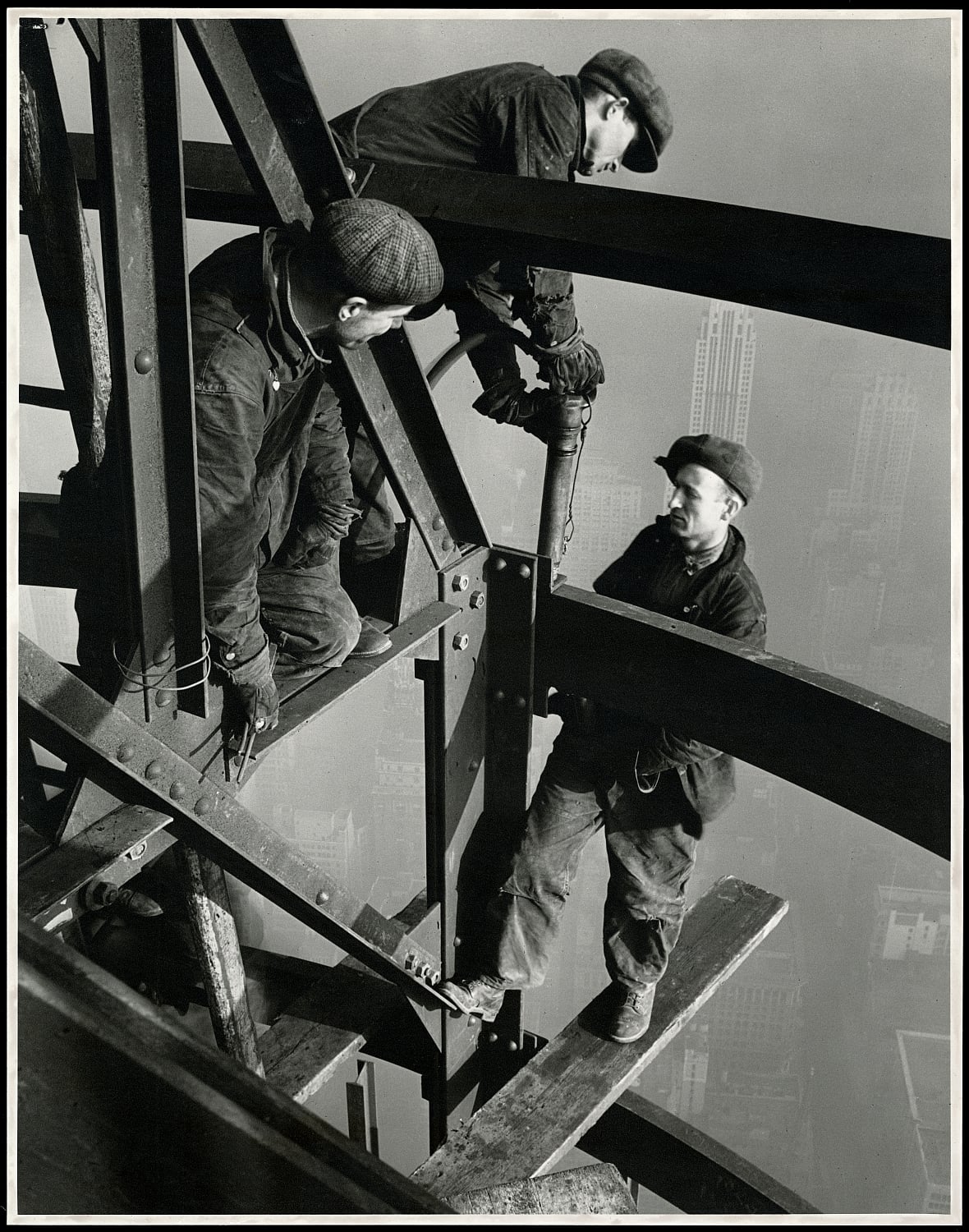
You always do extensive, detailed historical research. This book is set against events like Prohibition and gangsters, the building of the Empire State Building, the expansion of aviation, and the 1929 Stock Market Crash.
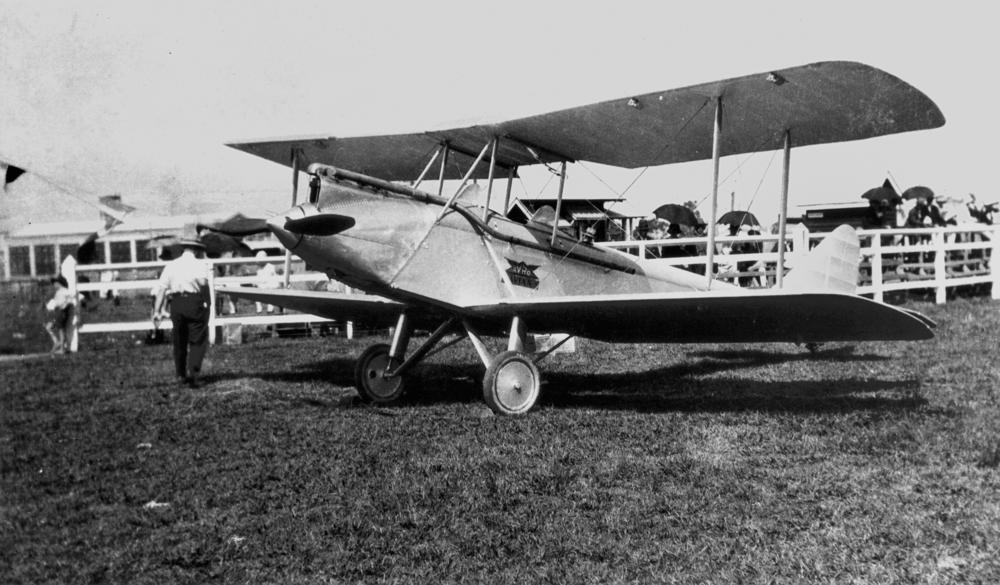
This time, it was fascinating how much more film footage I could draw from, because movie cameras were relatively ubiquitous at that point. And because so much of this material has been digitized, it’s easily accessible online. For instance, early in the book, Ahmad takes an airplane ride in an Avro Avian. I found footage of what that was like. Ahmad flies over downtown Chicago in 1930. I was able to watch on YouTube footage taken from the side of this kind of biplane as it flew over the same location in that same year. Wow! That’s a huge resource for getting the feel and perspective, and for seeing what Ahmad’s eye might have been drawn to.
Also, when researching 1930, you’re getting to a certain amount of lived memory. People are putting memories from this period online, and there are many memoirs from the era. With 1930, you’re getting into modern history that’s still in the public consciousness.
To avoid spoilers, all we will say is that the Golem and the Jinni each achieve a certain kind of much-desired freedom by the end of this book. Would you say they get their happily-ever-after?
I think happily-ever-afters can be complicated, and I think that’s what they have. They are finally in a place where it is possible to make it work between them, whatever that means for them, but there is still a lot of hard work ahead for both of them, especially since how they relate to each other has changed quite a bit. They don’t know what to expect from each other now, or from themselves, so they have to redefine their relationship. But they have the tools to do it now, and they have the potential to make something that will last, and that was really what I wanted to leave them with.
The publication of these books spanned 13 years, and you worked on them longer than that. A lot has happened in the world in that time. Did any of it influence what you wrote in these books?
As a general rule, I write with fidelity to the characters and the time they live in, but the other side of that is that history is an endless cycle. There were any number of parallels that I could find, especially in the research between the nativist attitudes in the 1920s and 30s in the US and the demonization of immigrant populations [now]. I wasn’t trying to bring this in, but at the same time, you can’t get away from it. It became more of an undercurrent in the book than an overcurrent, and that’s probably for the best because I’m not here to solve world problems. I don’t feel that is the job of a book. The job of a book, especially a fiction book, is to sneak around the barriers we put up between ourselves and the headlines, and the algorithmic echo chambers we fall into. Literature as a whole is a force for humanization, so I try to keep that in mind and hope that, if I do a good job, what I meant will come through.
This trilogy blends history, fantasy, religion, spirituality, mysticism, and the supernatural. Do you think this has become your signature genre?
I don’t know if it’s possible to get it out of my system because it’s endlessly fascinating, and there’s just so much material in there that you can play with from any number of angles. I think it’s the interplay between religion, folklore, science, history, and memory. It’s a Venn diagram where a lot of my interests lie in terms of the universal human experience, and so I wouldn’t be surprised if that all comes up again in something in the future, but maybe in a completely different form. I do think a lot of writers have the well they go back to, and this one might be mine. On the other hand, I would like to write something that is not bound and chained to historical events. I want to write an invented world, something that’s a little more purely fantastical, maybe with a little sci-fi thrown in. I’d be inventing everything from scratch. There’s a terrifying freedom to that.

The Times of Israel Community.