

Yashar’s Iran-born spy-turned-teacher eyes education overhaul with Knesset bid
Devora Sharifian Bachar rebelled against her family to join an elite ops team, and then brought her security ‘intuigence’ — intuition and intelligence — to classrooms in Eilat. Now she’s on a mission to revamp schools nationwide
 Add ToI as a Preferred Source on Google
Tal Schneider is a Political Correspondent at The Times of Israel
When the 26th Knesset is sworn in after next month’s election, dozens of new lawmakers largely unknown to the public will take their seats. According to current estimates, as many as 50 freshman politicians could join the 120-member plenum — a wave of newcomers that could easily set an Israeli political record.
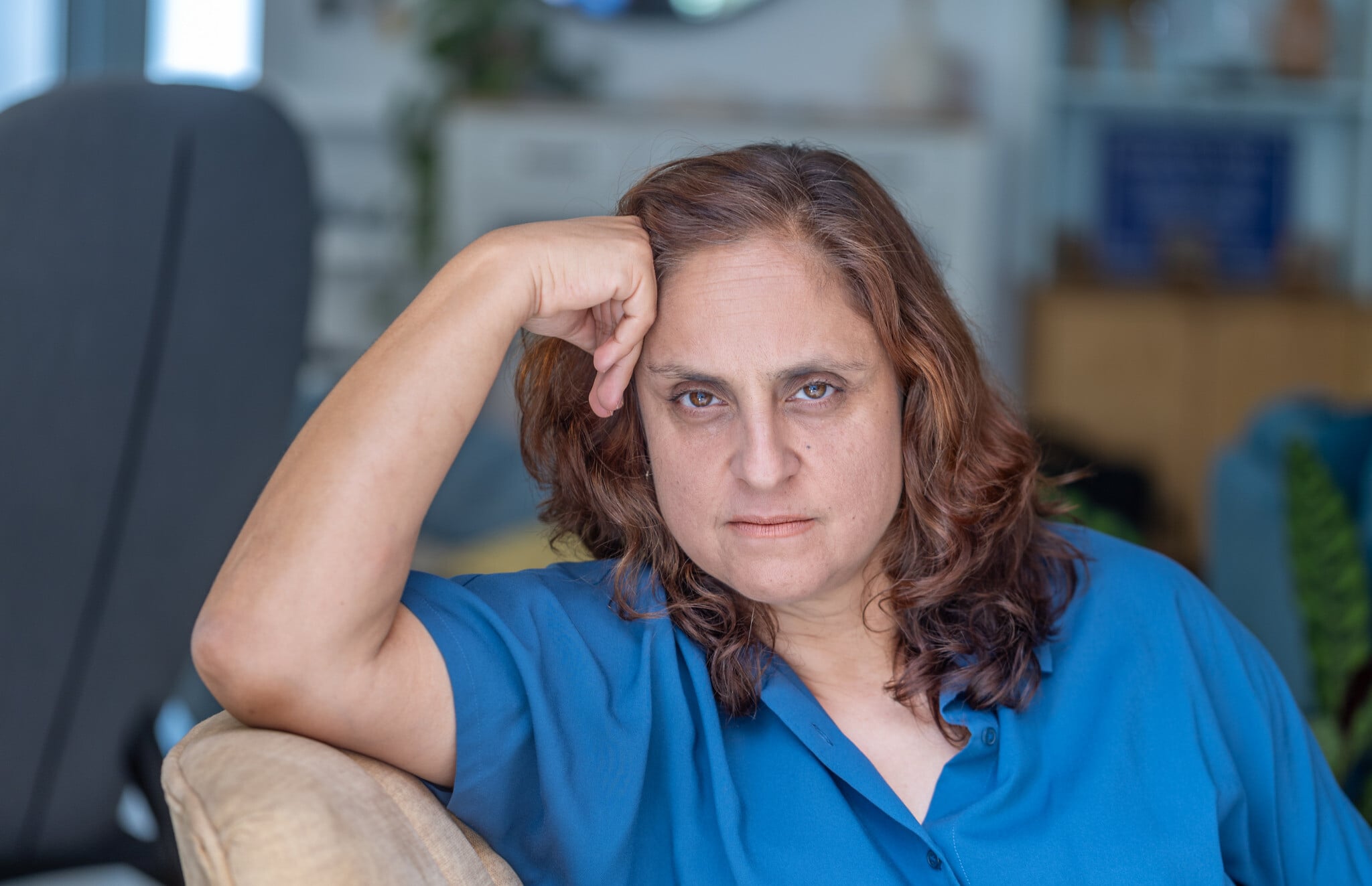
One of the most intriguing figures of the likely incoming class is Devora Sharifian Bachar, 44, No. 14 on the Yashar party slate. Yashar, headed by former IDF chief of staff Gadi Eisenkot, is seen as the leading faction of the electoral bloc seeking to oust Prime Minister Benjamin Netanyahu, and is polling at 20-25 seats, making Sharifian Bachar a near-shoo-in.
A former Mossad field operative, Sharifian Bachar began her security career as a combatant on the Shin Bet’s elite “Tequila” operations team — a legendary joint rapid-response tactical unit deployed in “ticking time bomb” scenarios, in which attacks are imminent.
“One day, the operations officer asked me, ‘What are you doing here? You know Persian. Do you understand what that means?’” she recalls, speaking to The Times of Israel about her journey from the IDF to the Shin Bet. “In my security service, my cultural background, customs of respect, and the habit of not looking people directly in the eye suddenly became incredible operational assets.”
Sharifian Bachar was born in Iran in 1982, three years after the Islamic Revolution. When she was 7, her parents fled to Israel with her and her two older brothers, concealing their true destination from the regime. The family ultimately settled in the dusty working-class city of Beersheba, a far cry from the tony Tehran neighborhood they had left behind.
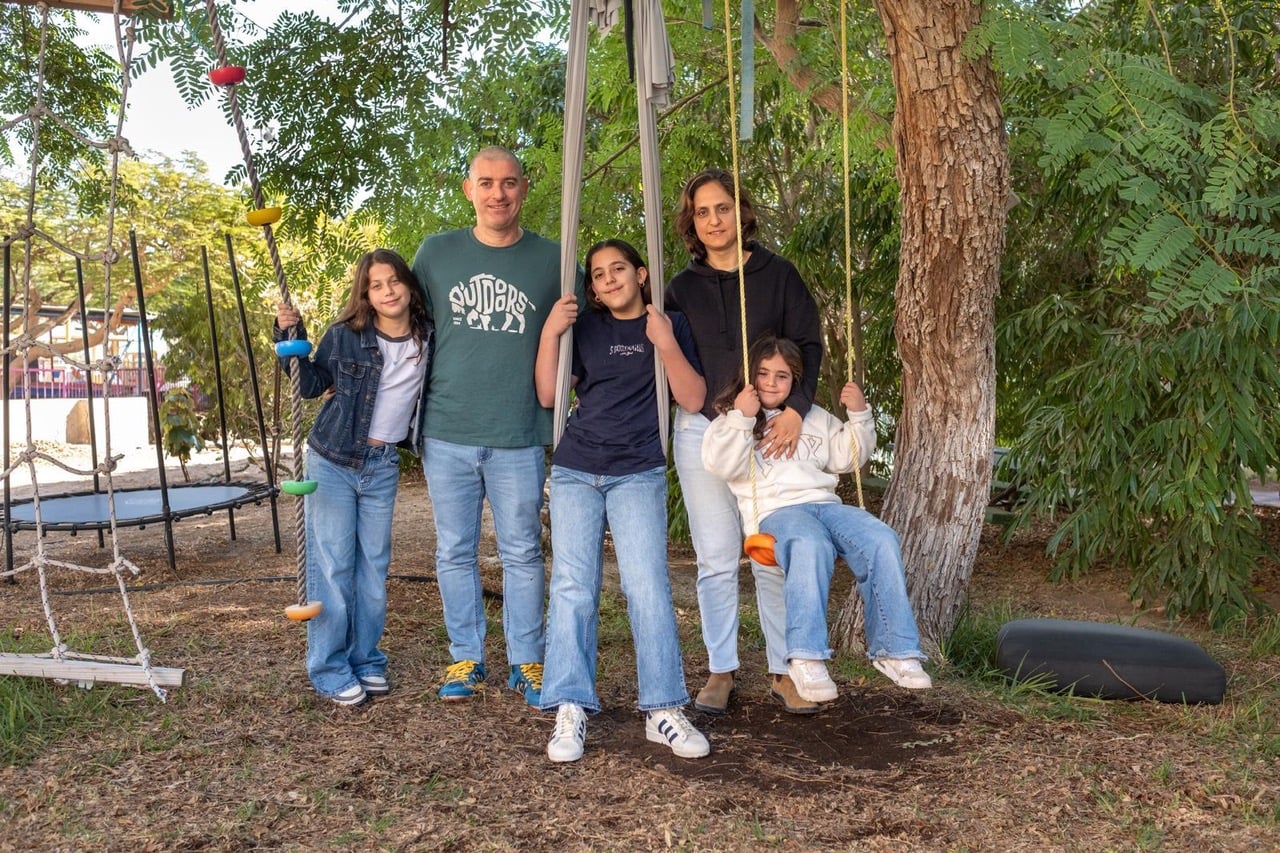
Since retiring from security work, she and her partner, Dr. Maor Bachar, now live in Kibbutz Eilot, near the far-southern city of Eilat. They made the move specifically to fulfill Maor’s ideological dream of pioneering pediatric medicine in Israel’s periphery.
In Eilat, Sharifian Bachar has immersed herself in the education system, founding an advanced program dubbed “Security and Intelligence: The Iran Track.” The high school curriculum, which includes Persian, intelligence gathering, and geopolitics, won the Head of Military Intelligence’s Award for Creative Thinking.
Sharifian Bachar’s own education includes a bachelor’s degree in criminology and political science, teaching certificates in civics and Persian, and a master’s degree in educational leadership, teaching and learning.
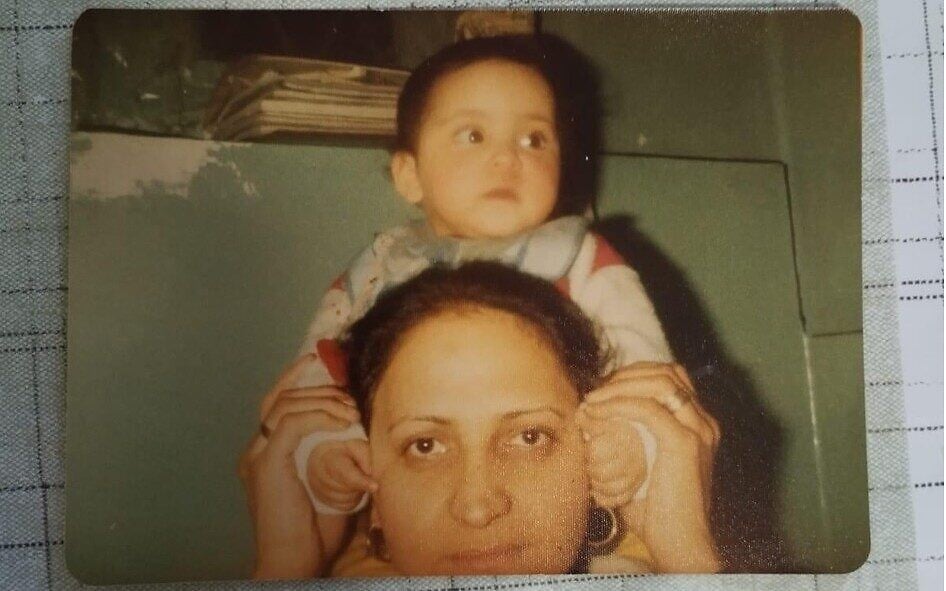
She credits Rachel Tirosh, a legendary Beersheba high school principal, with putting her on the path to public service and inspiring her turn toward education after a promising career in security.
Tirosh, she says, was both tough and warm, and she successfully persuaded the Sharifian family to abandon the patriarchal customs they had brought with them from Iran.
“I will never forget how she sat with my mother and told her, ‘This is Israel. You don’t have to marry children off at 18.’ My mother respected her, but replied, ‘You don’t understand how we Persians think,’” she says.
Tirosh persisted, fundamentally altering the trajectory of Sharifian Bachar’s life. She recognized a gifted student with raw talent and natural leadership ability.
“My home was fundamentalist and patriarchal,” Sharifian Bachar recalls. “Every girl in the family faced the exact same fate: my sister and my three older female cousins were all married off through arranged matches, and none of them enlisted in the IDF. I rebelled. At 16, I understood very quickly that the path to social mobility in Israel ran straight through the army.”
Tirosh, she says, encouraged her to seek positions of influence.
“I was chairwoman of the Southern District Student Council and chairwoman of the municipal youth council,” she says. “I knew how to speak, and the beginnings of command and leadership abilities were already there.”
A few years later, when Sharifian Bachar enlisted in the IDF despite her parents’ fierce objections, it was Tirosh who received a phone call from the young soldier just as she was about to finish her instructors’ course as the outstanding cadet.
“The day before the instructors’ course ended, they told me I was the outstanding cadet, but no one in my family was planning to come to the ceremony because they still weren’t speaking to me,” she recounts. “I called Rachel from a payphone and said, ‘You have to come to the ceremony. Who is going to cheer for me?’”
Tirosh not only came to the ceremony, but brought the Sharifians with her.
“She sat next to them in the stands with a home video camera and filmed them watching me receive the outstanding cadet award. My mother cried. From that point on, they opened up,” she said.
Sharifian Bachar recently sat down with The Times of Israel at the Yashar party headquarters near Tel Aviv. Though she is legally prohibited from revealing 99 percent of what she did during her covert career, her charismatic chumminess makes her a natural raconteur, with an endless supply of stories delivered in rapid-fire speech.
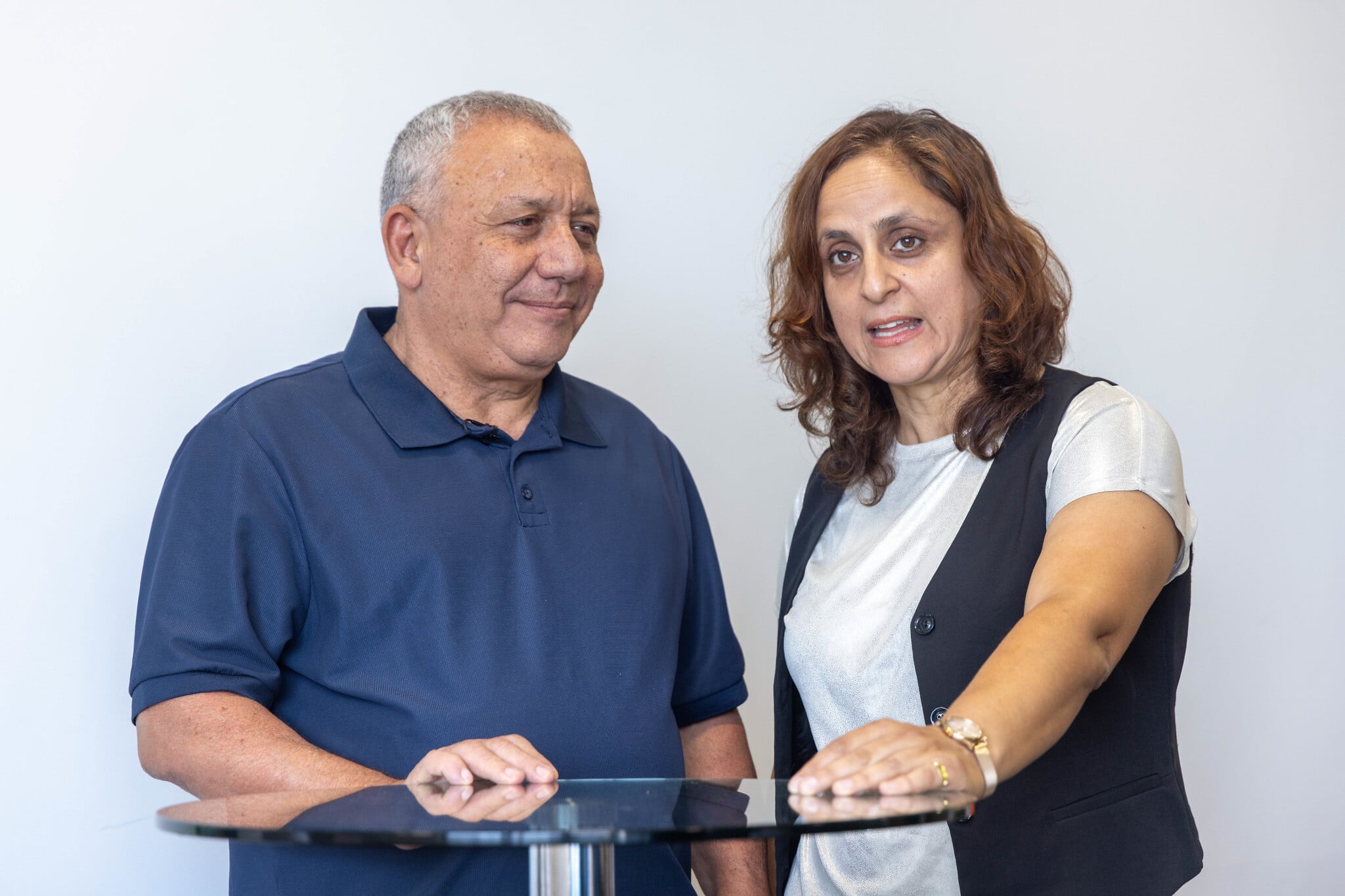
The impression one gets is of a neophyte politician who could become one of the Knesset’s most prolific new members, and not just because she would be easily capable of filling hours of filibuster time.
The following transcript has been translated from Hebrew and edited for brevity and clarity.
The Times of Israel: The public was left with a lingering sense that the Mossad misjudged the situation and wrongly expected the Iranian regime to fall during during the Iran war launched in February. What do you make of the gap between what was presented and what actually happened?
Devora Sharifian Bachar: I think it is very easy to sit on the sidelines and analyze… From my many years of familiarity with the intelligence-Mossad ecosystem, the reality is far more complicated, and I give them the benefit of the doubt.
I more or less know the people involved. Anyone who has not lived and breathed Iran for the past 25 years cannot understand what the first strike of ‘Rising Lion’ did to Iran [last year]. It was an offensive operation that fundamentally changed the Iranian ecosystem.
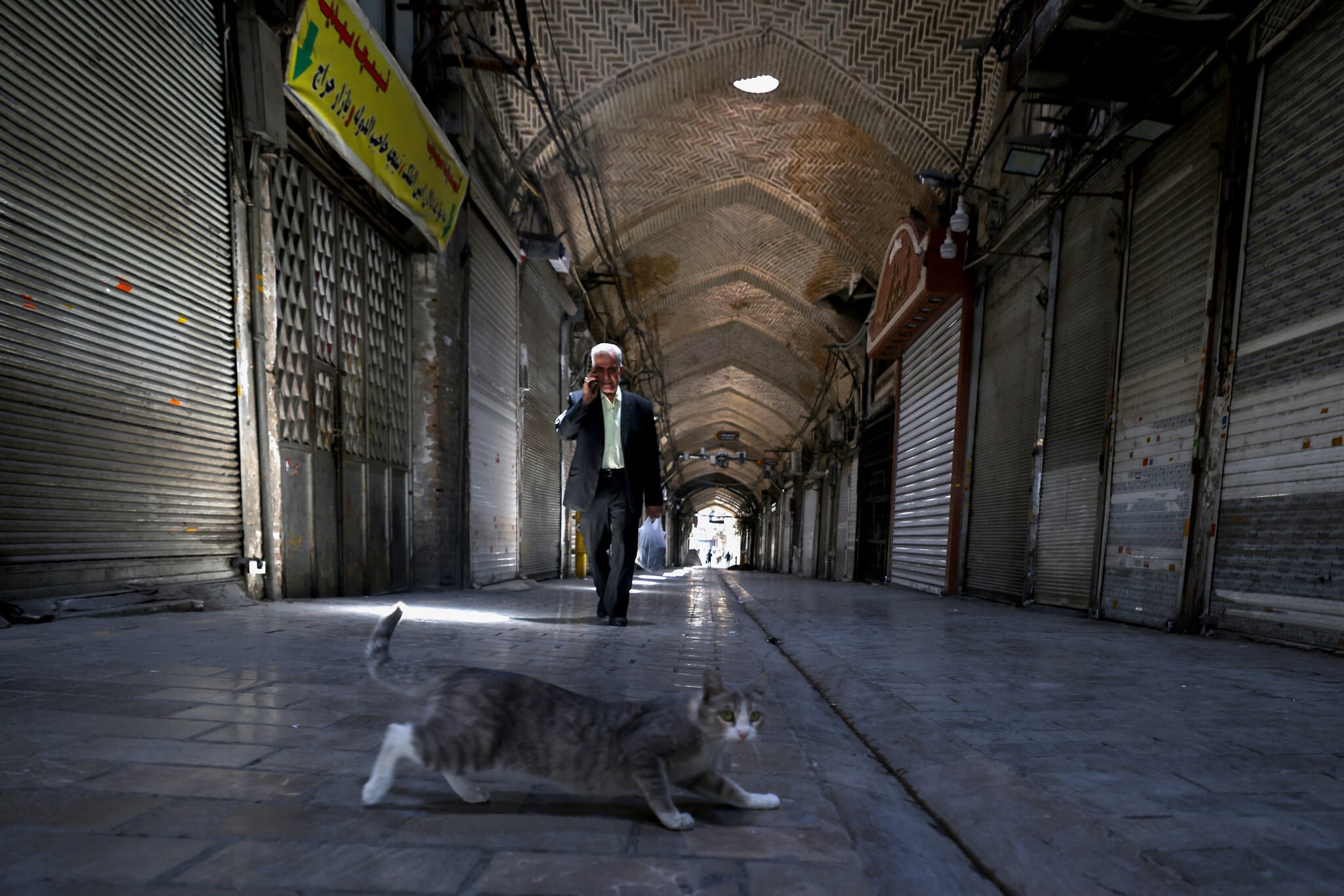
[Former defense minister Moshe Ya’alon] said “Rising Lion turned Iran from an egg into an omelet. It will never become an egg again.” I am not saying the first operation brought Iran to the brink of revolution, but it changed the social, mental, and psychological condition of Iranians beyond the point of no return. And I say that without seeing current, live intelligence.
Do you connect that to the economic protests that erupted in late 2025?
Absolutely. I am an intelligence professional working in WEBINT, gathering intelligence from the internet, because I no longer have access to classified material, and that is a good thing.
I remember that in November 2025, I read a post by an Iranian-American man who had managed to fly to Iran for the first time since the war. He came back two weeks later and said, “You have no idea what is happening in Iran. They have had enough. One day there is electricity and the next there isn’t; one day there is water and the next there isn’t.”
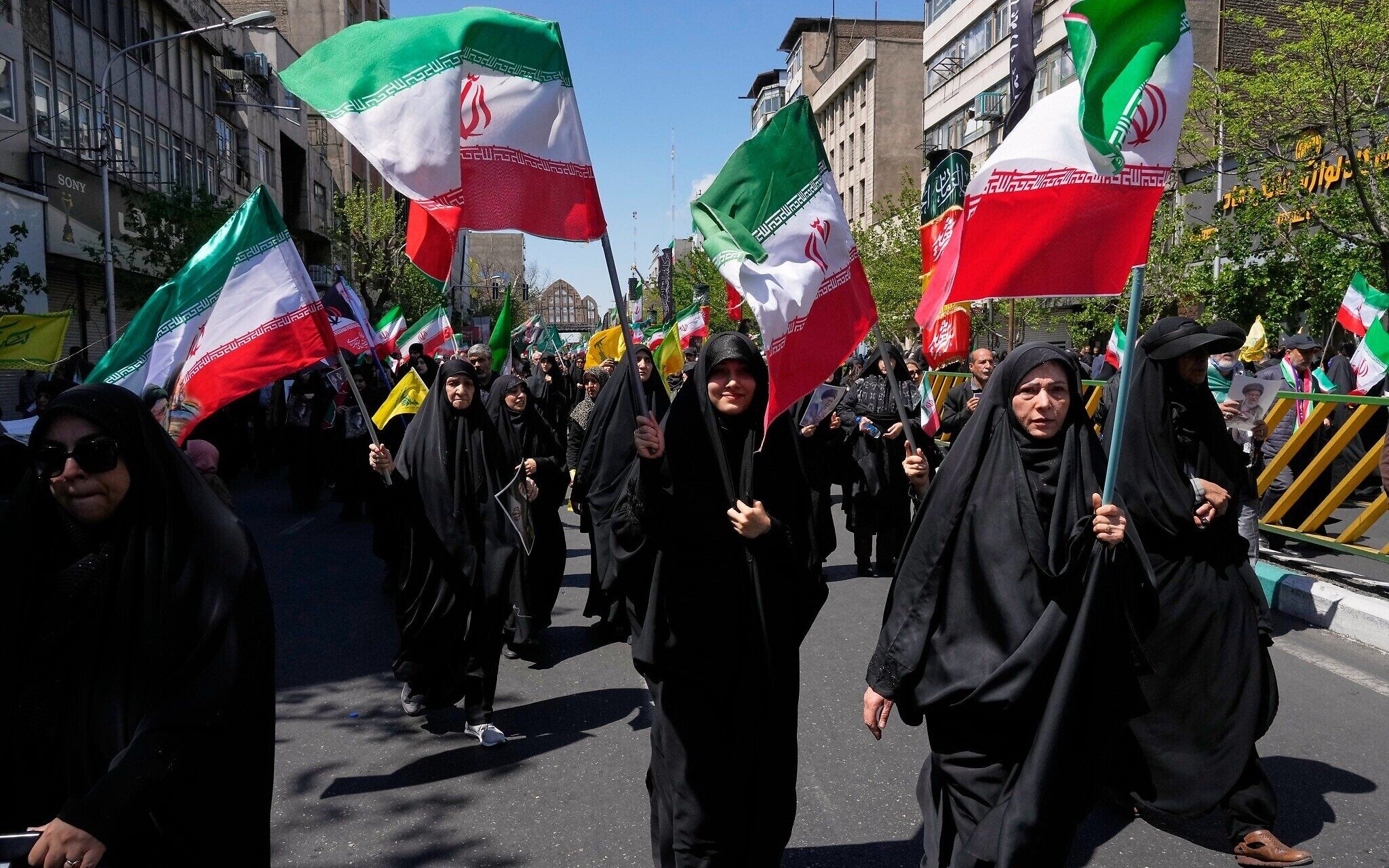
That person reported that Iran had reached the point of no return. Women are no longer willing to wear hijabs and chadors. People are dancing in the streets, they want change, and they do not believe any official institution.
But there is one group that continues to sustain the regime: some 30 million religious, extremist Shiite Muslim Iranians who want it to survive. They are hard to get rid of. The Iranian regime has been building its knotty character since February 1979 because it has been actively waiting for the day when a Western power, such as the United States or Israel, would try to dismantle it. The economic elite is woven seamlessly into the ruling elite; everything is intertwined, and the families intermarry.
This morning I read a difficult story on Facebook, in Persian, about a mechanic in Iran. When the protests began, young people were running down the street, and he told them, ‘Come in here. I’ll protect you and hide you.’ Then he called regime forces and told them to come, and the next day, bodies were found there.
These are authentic testimonies being put out by people who connect to the internet through Starlink. According to the story, [the authorities] paid him $100, a sum that could support his family for a long time.
How powerful are the sanctions announced by US President Donald Trump in August 2026? Iran has already gone through intense periods of economic pressure, yet developed ways to circumvent sanctions and survive.
After the Obama sanctions, around 2014, when they were cut off from [international banking system] SWIFT and could not make money transfers, they went back to barter. Oil in exchange for agricultural produce, for example.
This is Iran. This is a chess game.
They paid Hezbollah in barrels of oil, and since then they have learned to manage through shell companies, underground banking, and digital currencies.
But Iran’s social condition today is nothing like what it was a decade ago. Given the dramatic social reality that has emerged, sanctions are a significant tool, but they will not be enough on their own.
We Israelis like simple things and quick results: “Bang-bang, we’ll impose sanctions.” The Iranians saw the Navy SEALs bring [Venezuelan President Nicolás] Maduro out in handcuffs, and it looked simple. Here it will not be simple. This is Iran. This is a chess game.
After finishing your security service, you could easily have gone into private security consulting and earned a massive salary. Why did you choose education?
When I decided to head to the desert with Maor, my partner, I did it because his dream was to practice medicine in the periphery. He is a pediatrician and wanted to help children in the south and reduce the massive gaps in medical services between Eilat and central Israel.
At first, I received an offer from the cyber firm NSO Group to manage its clients in the Emirates, at three times the salary. Back then, people still thought we would be able to fly from Ramon Airport or take a catamaran to Jeddah.
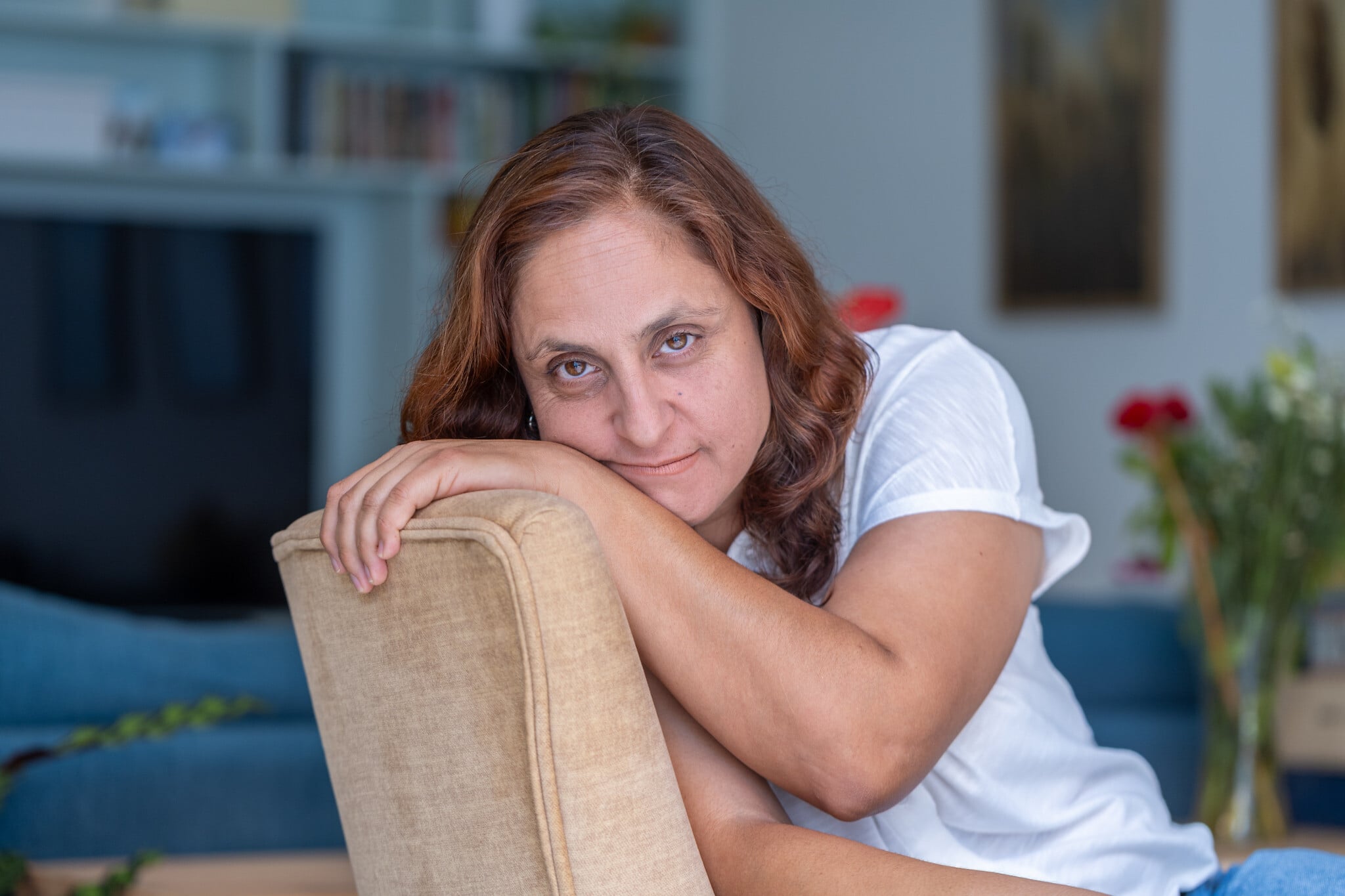
But I remembered how my high school principal in Beersheba, Rachel Tirosh, believed in me and nurtured me. I wanted to do the same for young people.
Rachel helped me write letters to the IDF asking to be summoned for air force pilot selection. When I went to the pilot training tryouts, she told my parents I was on a school trip. A month before my enlistment, I came to my mother shaking and told her I was going into the army.
My mother, who had never hit us, slapped me hard and completely cut me off. She did not come to my enlistment day. I lasted two months in flight school, mostly on sheer morale and motivation, and then I was dropped from the course and became an infantry instructor.
So throughout your adolescence in Beersheba, your family was noticeably different from those around you and remained deeply connected to its Iranian homeland?
Yes. I was captain of my high school basketball team, but my mother used to pop my basketballs because she was afraid all the training would make me grow too tall and then I would not find a husband. At home in Beersheba, we ate on a sofreh, a traditional floor cloth around which the family sits on the ground.
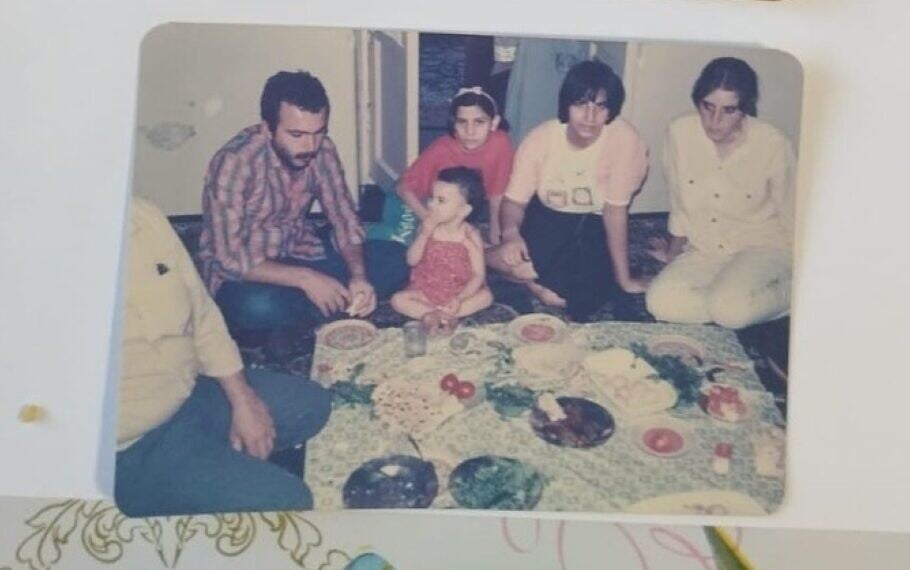
When I met Maor and moved in with him in Givatayim, my mother made me swear that no one would ever know her daughter was living with a man before marriage.
Thankfully, all the girls in the family who are younger than me have already enlisted in the IDF, and none were married off to husbands chosen for them by their parents.
What do you remember about arriving in Israel and the transition from a well-established family in Tehran to life in Beersheba?
In Iran, we lived in the upscale Shemiran neighborhood — the affluent, Beverly Hills equivalent of northern Tehran — and my father was a successful businessman in the textile industry. We arrived in Israel with $60,000 and two suitcases. In Israel, my father continued wearing suits, ties, and a hat in the heavy Beersheba heat, which people found extremely strange.
I have a photo taken two weeks after we arrived in which I am wearing an Iranian shirt, jeans, sandals, and socks. My hair was short because my parents were terrified I would get lice, while all the Israeli girls had braids.
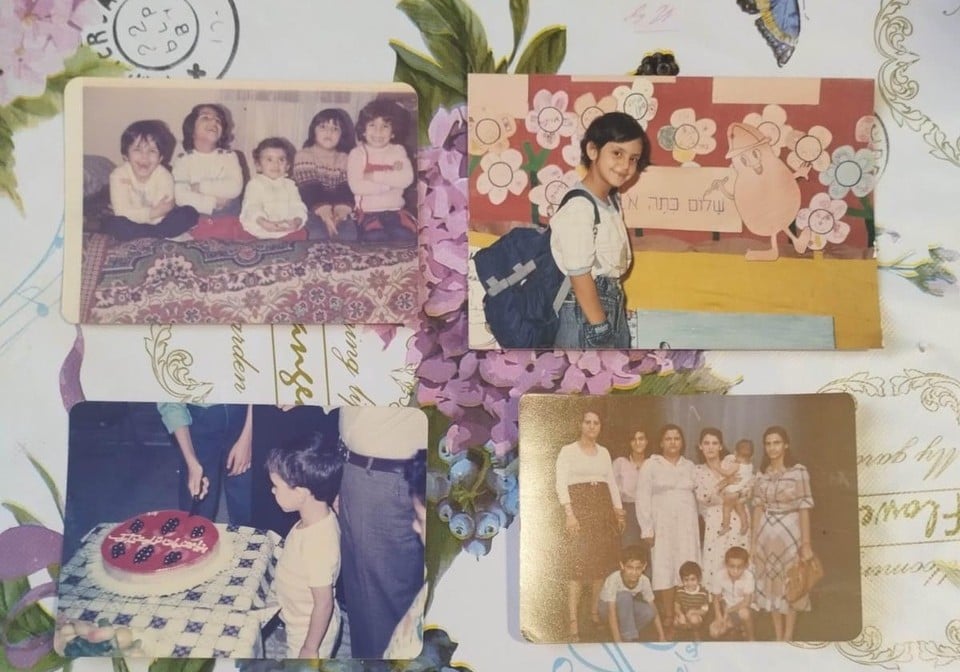
My parents had an impossibly difficult time finding work. They lived a life of exile. But the Iranian ethos is that you are not allowed to feel sorry for yourself. Be a victim? There is no such thing. You have to take responsibility. So my father began selling fabrics in the Bedouin market, and later went door to door selling cloth.
My mother came to Israel at 37, having never worked a single day in her life, never cooked, and never done laundry. In Beersheba, she studied Hebrew at an ulpan, worked as a cleaner, and cooked at a shelter for battered women. By the way, I also came to Israel with a Persian name, “Nazanin,” a very common name in Iran that means “graceful.”
The State of Israel, and especially its education system, does not teach complexity. Teachers do not talk about politics for fear they will be fired, and so you end up with a society of ignorant, foolish people who do not understand immigrants or people who are different. Until I was 18, I wanted to completely erase the Persian language we spoke at home. I was ashamed and did not want to be associated with foreignness or that accent.
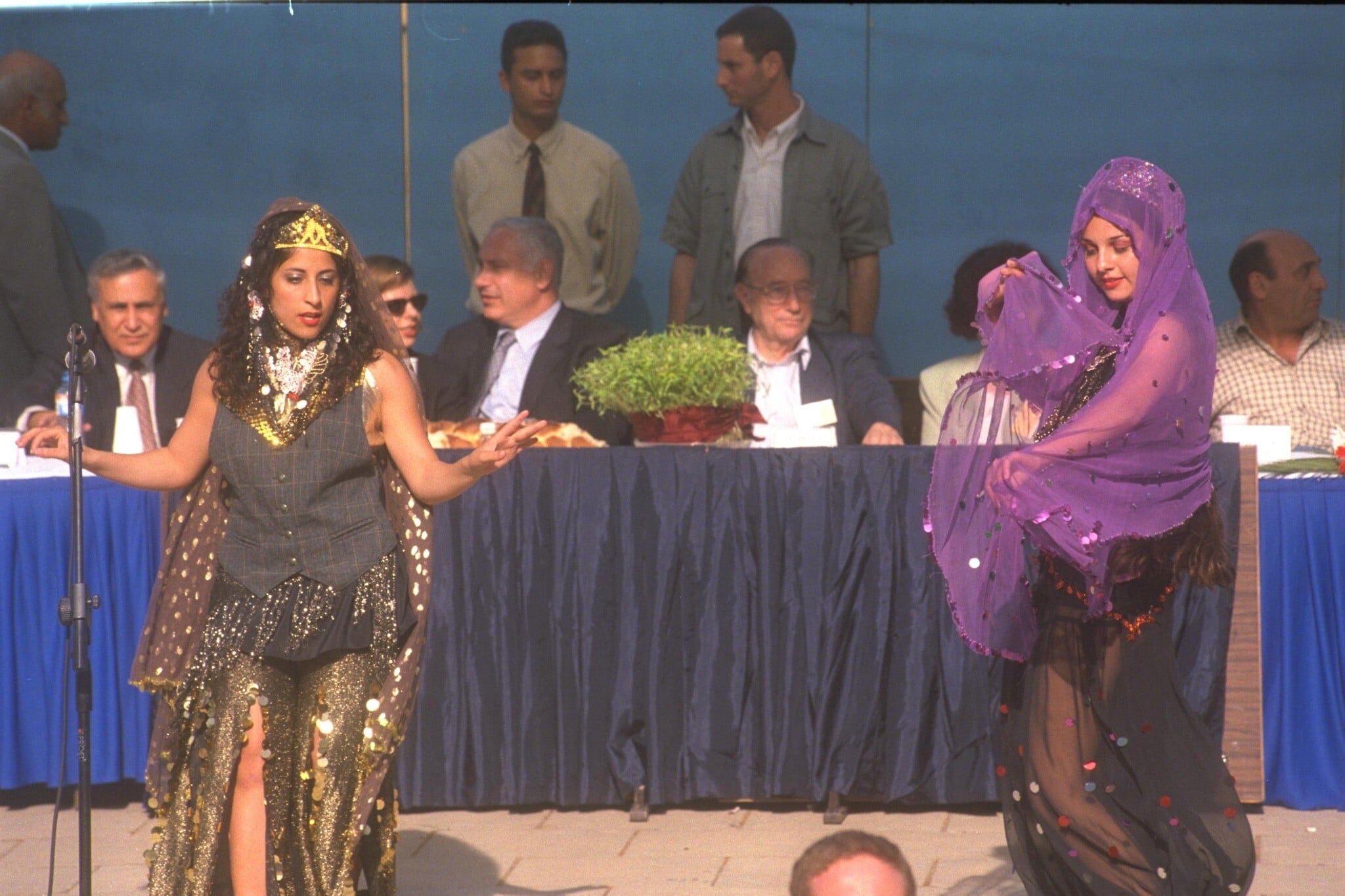
Only at 24, when I was already a captain in the army and had begun what would become a nearly 20-year career in the security establishment, did I understand what an honor it was to have been born in Iran, to have heard the muezzin, and to know different customs. I felt a profound sense of belonging and understood that I had something other Israelis did not.
In my security service, my cultural background, customs of respect, and the habit of not looking people directly in the eye suddenly became incredible operational assets. Knowing exactly how a woman behaves toward a man in their culture is ingrained in me. Through “know your enemy,” I reconnected with the authentic identity I had once been so ashamed of, and it became a deep source of pride.
How did you transition from the army to the Shin Bet?
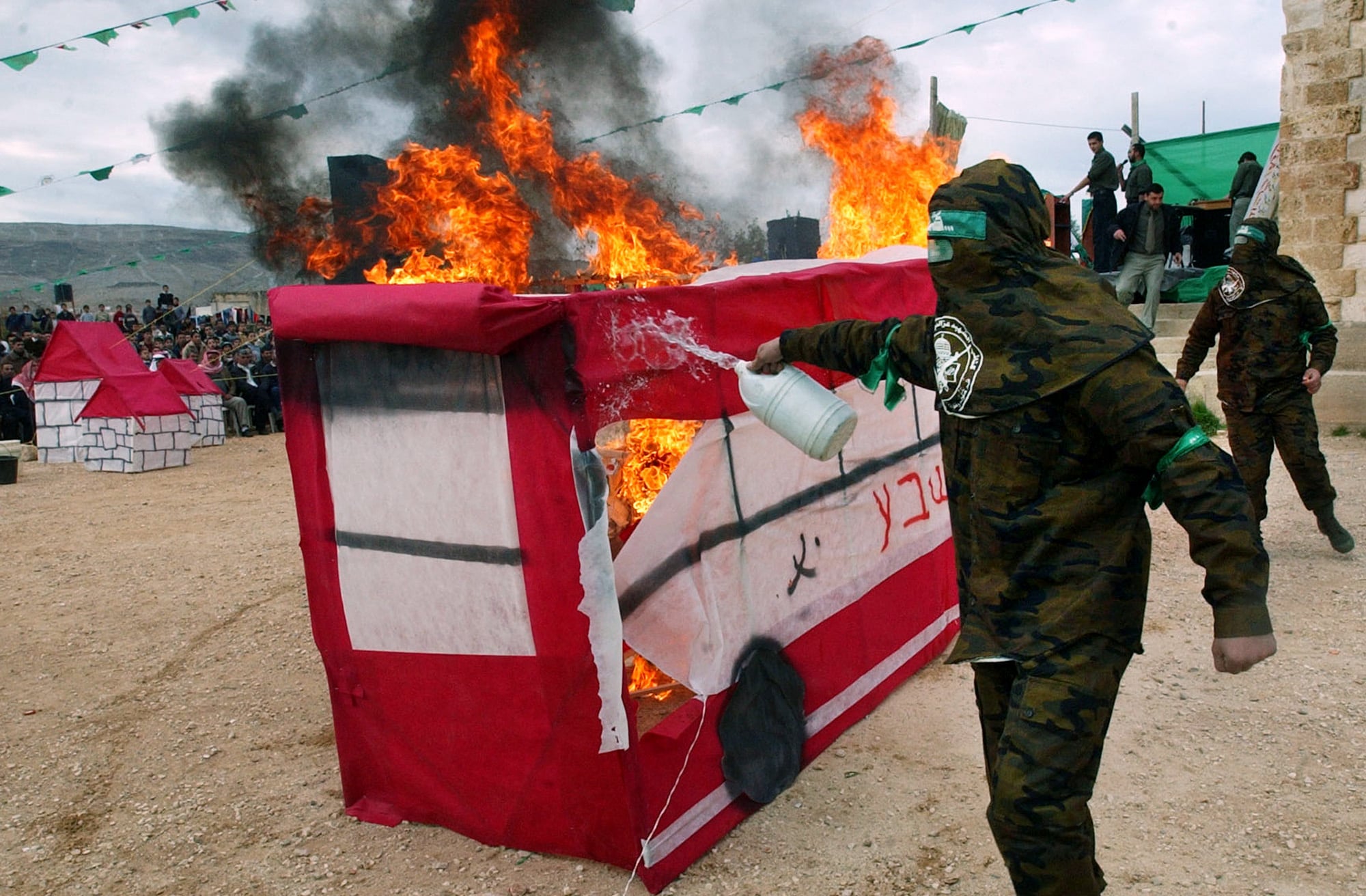
In 2003, I arrived at Central Command and served there until 2005, at the absolute height of the Second Intifada. I was an officer in the operations officer’s bureau, and I watched the state brutally reassert its sovereignty in [the West Bank]. We have short memories in this country: the West Bank came within a hair’s breadth of becoming “Hamastan,” and it was simply the right people being there at the right time.
A Shin Bet operative whom we called “Mark” used to join IDF discussions. I noticed that all the cool stuff was somehow connected to him. One day, the operations officer asked me, ‘What are you doing here? You know Persian. Do you understand what that means?’ They gave Mark my name and ID number and told him, “This is a serious young woman, a knife between her teeth, not afraid of anything, speaks Persian, and does not exactly look Swedish.”
I was invited to test for a Shin Bet operational unit. I went through many grueling rounds of screening without fully understanding where I was headed. Only when I sat at headquarters and received an employee badge did I understand: I’m in the Shin Bet.
The selection process included a rigorous personality interview and operational field exercises. As you progress through the stages, you develop a real sense of your capabilities. I served as an operational combatant, and it is no coincidence that the training also includes acting lessons. The ability to quickly assess a situation, walk into a room, identify who has something to hide, who has noticed me, what activates and motivates that person, and what their narrative is — that is all part of the work.
There are also personality traits you bring from home, such as emotional intelligence. We call it intuigence — intuition and intelligence.
Which Knesset committees would you like to serve on?
The Education Committee, the Foreign Affairs and Defense Committee, and eventually the security cabinet as well. I am not asking to become a minister immediately. I want to work my way up, and I am not afraid of hard work.
Are you ready for the theatricality of the Knesset, the games and the political dirt?
In my previous career, I was on the theatrical side. I want to believe that new blood in the system will prove that things can be done differently, that it does not have to be dirty, dishonest, and full of endless games. I want to believe that the lion’s share of the next Knesset will be made up of good people. Just look at the caliber of people joining the “change bloc.”
What legislative or systemic change is at the very top of your agenda?
To restore Israel’s education system to its rightful place as the wellspring of the best human capital in the world. To bring the absolute best people into teaching, make the profession desirable, and get people to line up for jobs running high schools. There are currently around a thousand school administration positions for which no one even applies. It is inconceivable.
Arabic should be compulsory from the first grade. You cannot sit in a bomb shelter and not understand what people outside are saying.
The country is entirely consumed by the Foreign Affairs and Defense Committee, and that is where all the money goes. The money simply does not reach the Education Committee.
In Eilat, I executed extremely complex projects with a budget of just NIS 10,000. It is not only about money, although of course people have to be able to feed their families with dignity. I have 30 teachers in the project I founded, and I know firsthand the story is much bigger than salary alone.
And what about the study of Arabic and Persian?
Arabic should be compulsory from the first grade. I would teach it as a second language, not instead of English. I want an Israeli child to speak Hebrew, Arabic, and English equally well.
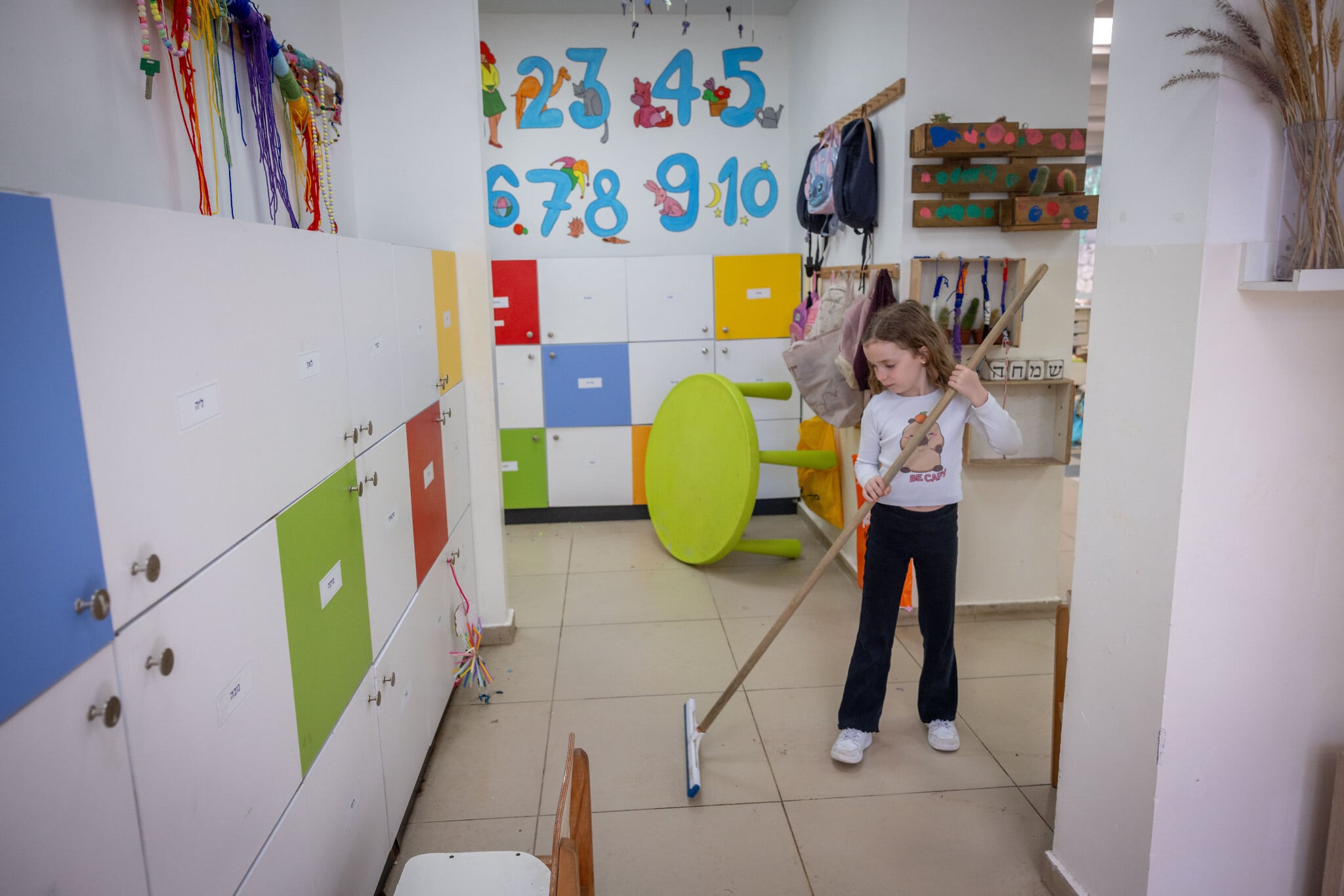
We are surrounded by allies and enemies, and that is the language spoken in this neighborhood. You cannot sit in a bomb shelter and not understand what people outside are saying. God willing, these tools will also help children and young people strengthen alliances and build business ties. Persian is already a professional specialization.
Is there Iranian literature or poetry you would recommend Israeli readers get to know?
One of my favorite poets is Ahmad Shamlou, who died more than 25 years ago. In his famous poem “In This Dead End,” he writes, “Such a strange time it is, my dear.” Translations of his poetry have been published in Israel.
The Islamist regime persecuted him throughout his life, but he remained an atheist and a liberal and continued living in Iran despite the severe persecution. He spent his whole life writing about freedom and human rights. I highly recommend reading him.





The Times of Israel Community.