

US and Iran discussing phased deal to reopen Hormuz and end US blockade, sources say
Neither side wants to be the first to surrender its leverage, officials say, but both would prefer to reach a solution before the midterms in November
 Add ToI as a Preferred Source on Google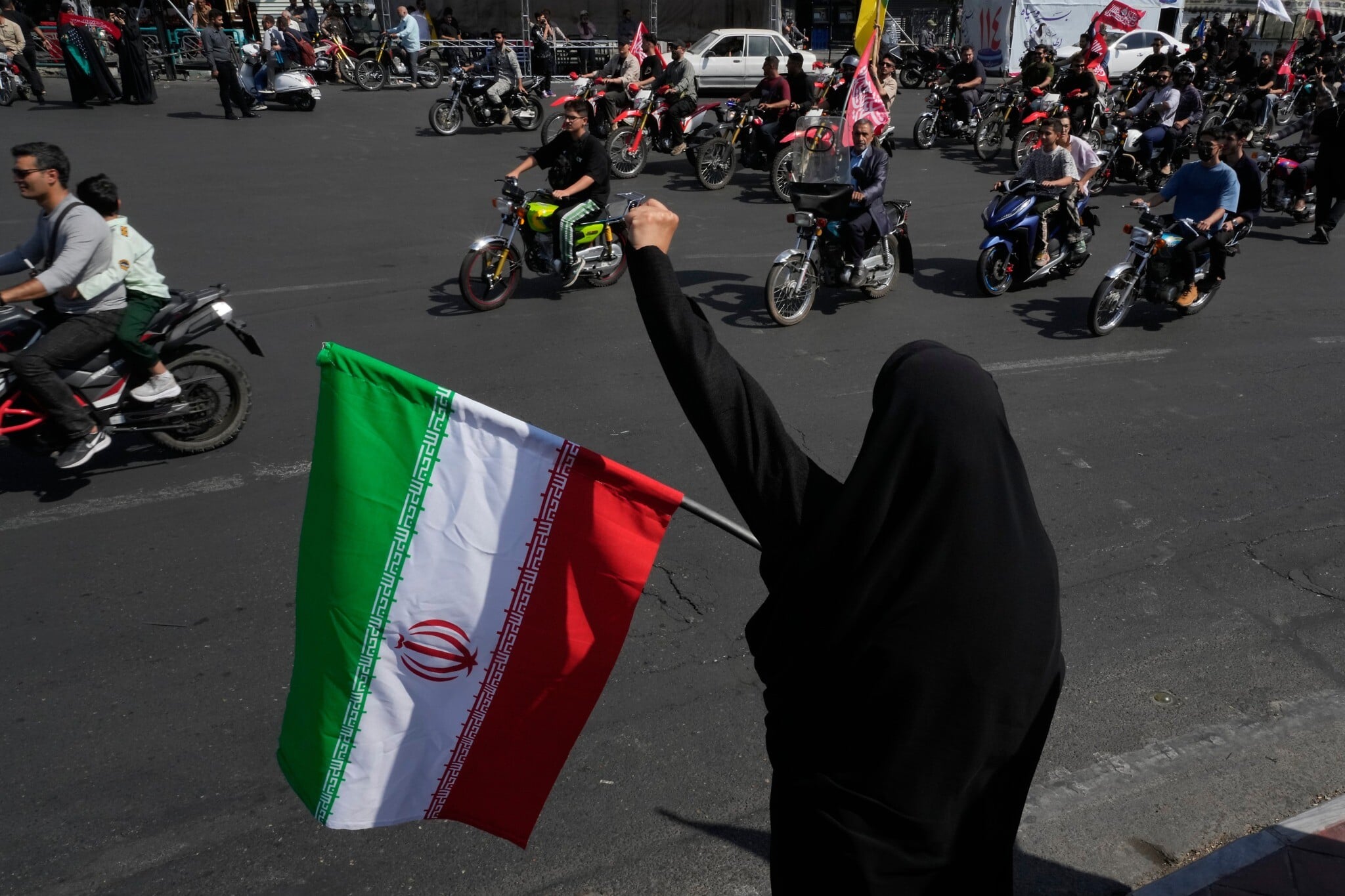
US and Iranian negotiators in New York are exploring a phased path out of war that would involve Tehran reopening the Strait of Hormuz and Washington lifting its economic blockade of Iran, sources close to the talks said.
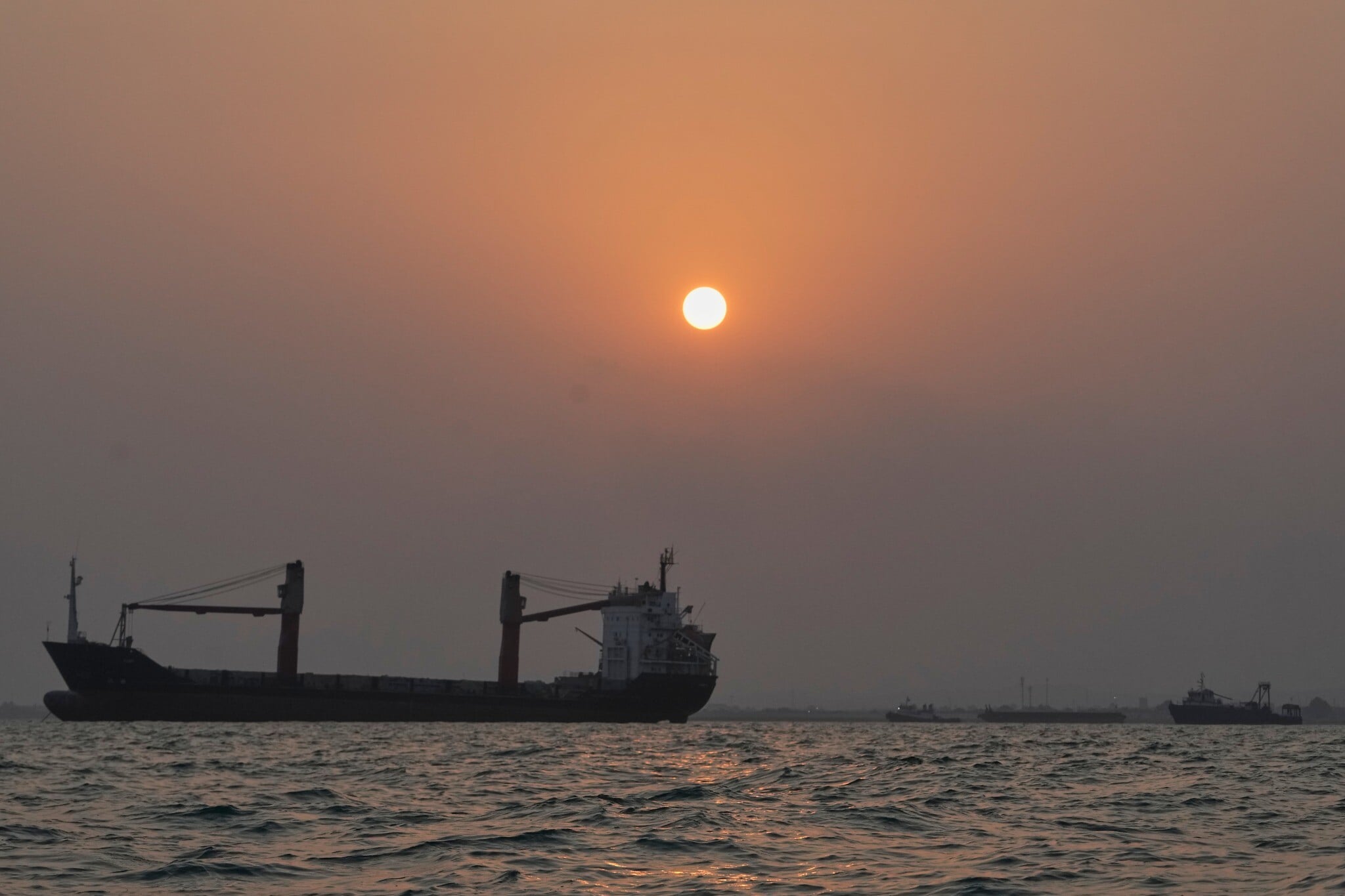
The strait has become the central bargaining chip in efforts to end the nearly seven-month US-Iran conflict, with Iran seeking relief from the US blockade that is choking its economy and Washington seeking free passage for ships on the global oil supply route now blocked by Tehran.
The talks face a big obstacle as neither side wants to be the first to surrender its leverage, according to comments to Reuters by two Iranian sources, two regional officials and two Western diplomatic sources, but behind Iran’s stance is a recognition of the economic cost of prolonged confrontation.
A senior Iranian official said the most plausible way to end the impasse would be a phased arrangement, with Iran allowing navigation through Hormuz in return for the US lifting its economic blockade and Tehran potentially gaining access to frozen assets.
“One way forward would be to solve the crisis in stages. The first would be to end the blockade and reopen Hormuz,” he said on the sidelines of the UN General Assembly.
That would involve US President Donald Trump accepting another temporary fix, after an earlier understanding collapsed in July. So a central challenge facing the negotiators is not just to sketch out a deal but also to ensure any concessions are durable enough for both sides to trust, the sources said.
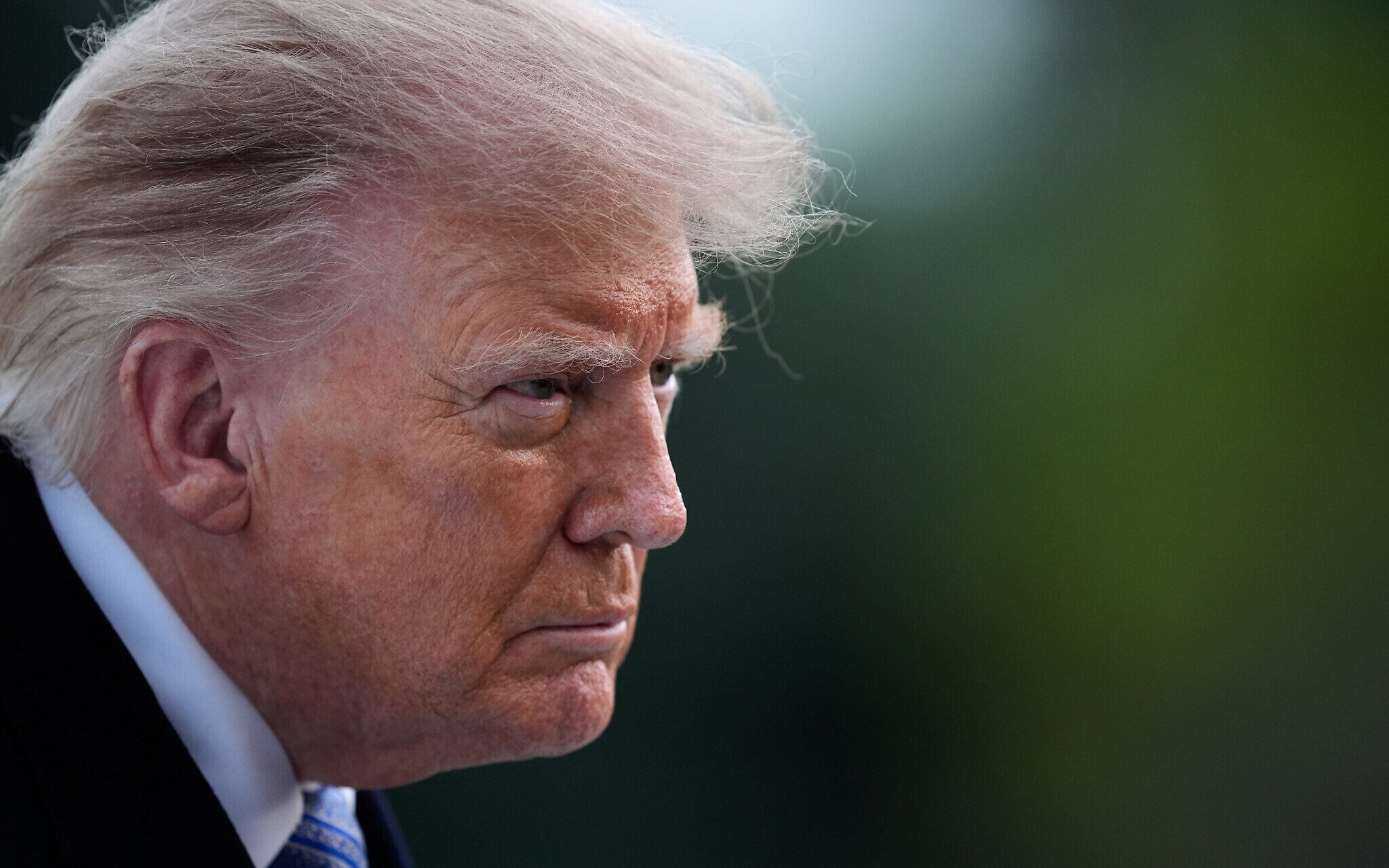
Trump has said he thinks the US and Iran could reach a deal after midterm elections to Congress on November 3. A senior European official said the Iranians “have a very long list of demands.”
A White House official said that while “Iran is desperate for a deal, President Trump holds all the cards and will make whatever decision is best for the United States.”
Trump, he said, remained “open to talking with Iran under the right circumstances” but had no need to negotiate, and the US was in a “very strong position” with control of the Strait of Hormuz and an Iranian economy that was “collapsing.”
The official said “crushing sanctions” and “one of the most successful blockades in history” have crippled Iran’s economy and left Iran completely broke. Trump was content to let the “inevitable Iranian collapse” play out rather than be “played” by Tehran, the official said.
Trump and other administration officials have previously said any deal to end the war would also need to resolve the issue of Iran’s nuclear program and its cache of highly enriched uranium, which is believed to have been buried by American strikes in June 2025.
Former US negotiator Dennis Ross said he saw only a 30% chance of an agreement being reached before the US vote, but that both sides may have stronger reasons to make a deal before than after the midterms.
“The blockade is what’s really squeezing the Iranians. It’s strangling them,” Ross said.
A deal before the midterms could benefit Trump, as reopening Hormuz could ease tensions in the Gulf, contain oil prices and help bring down politically sensitive US gasoline prices.
Iran’s chances of gaining much-needed economic relief may be greater while Trump still has a greater political incentive to strike a bargain.
After the midterms, Ross said, Trump may face fewer constraints and be more willing to intensify pressure or consider military options.
Iran’s Foreign Minister Abbas Araghchi told media outlets in New York that Tehran had submitted a proposal to the US to end their war and reopen the Strait of Hormuz within seven days.
“If certain conditions are met, the strait will be open within seven days and talks will start,” Araghchi, in the US for the UN General Assembly, told media outlets including the New York Times and The Guardian.
Japanese news agency Kyodo was the first to report the proposal, citing a senior Iranian official on Tuesday. Iranian media, however, denied the Kyodo report, while authorities in Tehran have not clarified their position.
Araghchi also met for talks on Tuesday with Trump’s envoy Steve Witkoff.
Iran has previously set out seven conditions for ending the war and reopening the strait.
According to Araghchi, as quoted by the New York Times, the latest plan calls for a cessation of all hostilities in the Middle East for seven days, including in Lebanon.
It also calls for the release of frozen Iranian assets estimated to be worth at least $12 billion, as well as the lifting of sanctions on Iranian oil and an end to the US naval blockade of Iran.
On the seventh day of the truce, Iran would reopen Hormuz.
Hossein Mohebi, a spokesman for the Revolutionary Guards, the ideological arm of Iran’s military, told AFP in an interview on Tuesday that ending hostilities in Yemen was also among Tehran’s demands.
Leverage as an obstacle
The leverage that brought Washington and Tehran back to negotiations could also make compromise harder.
Washington controls the pressure that is hurting Tehran most, while Tehran controls access to a critical energy chokepoint. Neither side wants to surrender that leverage without extracting something tangible in return.
This means the midterms may be less a deadline for diplomacy than for preserving the conditions that make the diplomatic efforts possible. If Washington and Tehran cannot turn leverage into a deal before the midterms, the diplomatic window could narrow as the risk of escalation grows.
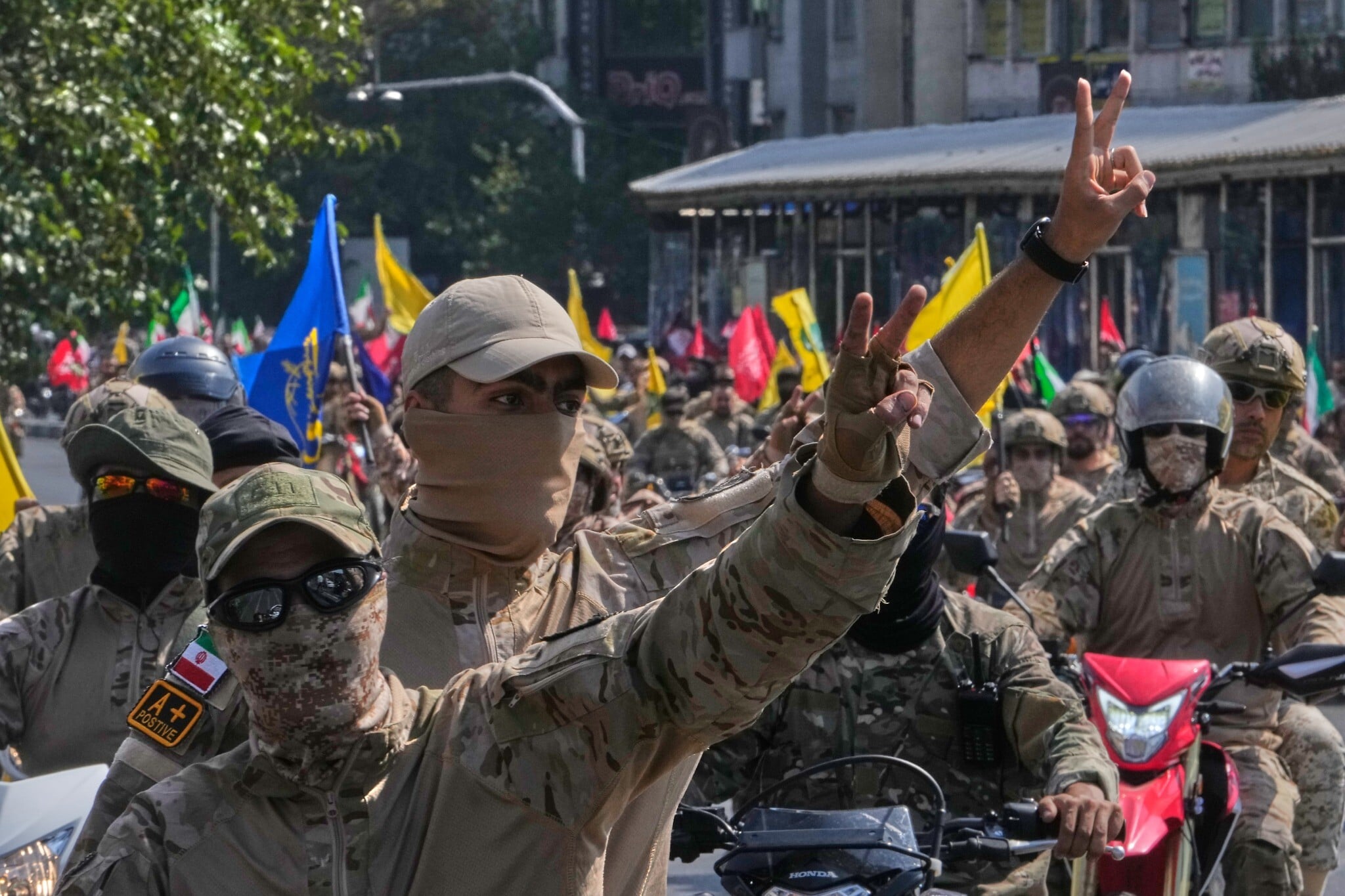
Even as it seeks a diplomatic off-ramp, Tehran is preparing for the possibility of renewed war with Washington, the Iranian official said, accusing the US of using the economic blockade and threat of force as tools of coercion.
“Our fingers are on the trigger,” said the senior Iranian official. “The Americans know what they need to do but, because of their excessive demands, the chances of diplomacy resolving this are extremely low.”
Regional sources said Tehran was willing to drop a demand for payment of transit fees to use the Strait of Hormuz from the main agreement and put the demand in a side attachment instead, as ending the blockade had become the more urgent priority.
Gulf states have rejected the proposal for payment of transit fees. Any arrangement would be temporary, not a formal abandonment of Iran’s position, the regional sources said.
The US has tightened the economic vice on Iran, layering new sanctions on top of a blockade that has choked off Iran’s oil exports, an important source of hard currency.
This month, it targeted Iran’s remaining commercial airlines and support networks as part of a campaign to sever the economic lifelines sustaining the government and the powerful Revolutionary Guards. Trump warned that Iran’s economy could “rot” unless it reached a deal.
At the heart of the diplomacy in New York is a fundamental tension. Washington wants pressure to produce concessions, Tehran wants pressure removed before making them, and the Gulf states want the conflict resolved without allowing the region’s strategic waterways to become enduring bargaining chips.
Fears of an open-ended conflict
During a separate meeting with Trump in New York, Gulf leaders sought clarity on Washington’s endgame beyond the midterms, including on whether the US would resume military action if Iran refused to return to negotiations.
They conveyed their collective rejection of any Iranian control of Hormuz, saying freedom of navigation must be restored and that the strategic waterway should not become a tool of coercion against Gulf states, regional sources said.
Yet alongside their warnings over Hormuz, Gulf leaders have pressed hard for de-escalation and a political process, reflecting the region’s determination to stay out of any further conflict between the US and Iran.
“It’s still not clear what Trump’s endgame is, or what the alternative to the pressure campaign would be,” said Ebtessam al-Ketbi, president of the Emirates Policy Center think tank based in Abu Dhabi.
“The Iranians, by contrast, know what they want. They’re reshaping the regional landscape through Hormuz and Bab el-Mandeb with a clear objective while Washington has yet to define its roadmap,” she said, referring to the Bab el-Mandeb Strait, which connects the Red Sea to the Gulf of Aden.
That uncertainty is also shaping Tehran’s calculations. Danny Citrinowicz, a regional analyst and former Israeli military intelligence officer, said the New York talks had not altered the basic positions of either side and that Iran was unlikely to retreat as long as it believed Trump wanted to avoid a wider escalation before the midterms.
“The blockade is hurting them, but rather than softening their position, it is likely to drive them to escalate because they believe that if they soften their position, they are dead,” said Alan Eyre, a former US negotiator on Iran.
A Western official familiar with the talks added: “It is all about opening the Strait of Hormuz. We’re all under pressure domestically and the Iranians know that.”
In an interview with Fox News that aired Thursday, Iranian President Masoud Pezeshkian said it was for the United States to choose whether to end the war, as Tehran does not wish to continue fighting.
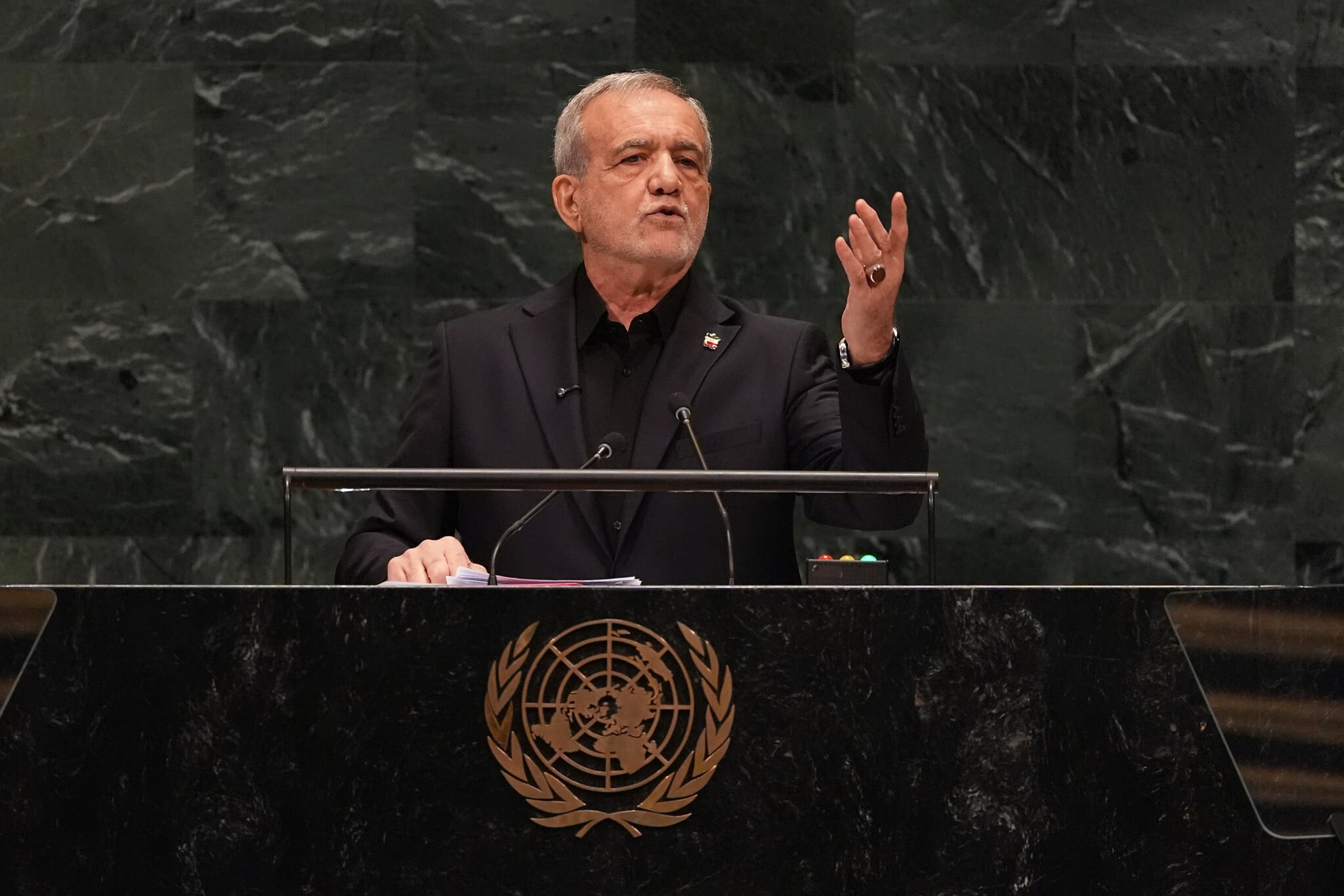
Pezeshkian took a defiant stand at the UN Wednesday, for which he travelled to New York, telling the world that Iran would not “bend at the knee” to Washington.
“When we can resolve issues through dialog, we shouldn’t resort to killing one another. But with the instigations conducted by Israel, they have imposed this war on us,” he said in remarks translated by the broadcaster.
“But we do not wish to continue. It’s America that must choose whether it wants to end this or not.”
Meanwhile, Saudi news channel Al-Hadath on Thursday cited an Israeli official as saying another round of strikes against Iran is “only a matter of time,” asserting that Tehran is racing to reactivate and fortify its nuclear program in anticipation of a possible attack.
The unnamed source said Israel had recently detected intensified efforts to relocate and fortify parts of Iran’s nuclear program at Kuh-e Kolang Gaz La, or “Pickaxe Mountain,” near the Natanz nuclear facility.
Earlier this month, the head of the United Nations nuclear watchdog said the agency had observed construction activity at Pickaxe Mountain, which Western intelligence has flagged as a site that could be used to store nuclear material.
Israel would again strike Iran’s nuclear facilities if Tehran crossed its “red lines,” and would do so either alongside the United States or independently, the official said, adding that Israel was ready for renewed fighting with Iran “at any time.”
The source said coordination with Washington remained “strong and continuous,” but voiced doubt that ongoing mediation could yield a deal between the US and Iran.



The Times of Israel Community.