

UN nuclear watchdog chief says construction observed at Iran’s Pickaxe Mountain
Underground site in Natanz likely used to store nuclear material, according to Western intel; Trump also cites ‘a little activity’ at Pickaxe, warns Tehran ‘not to get cute’ there
 Add ToI as a Preferred Source on Google
Lazar Berman is The Times of Israel's diplomatic reporter
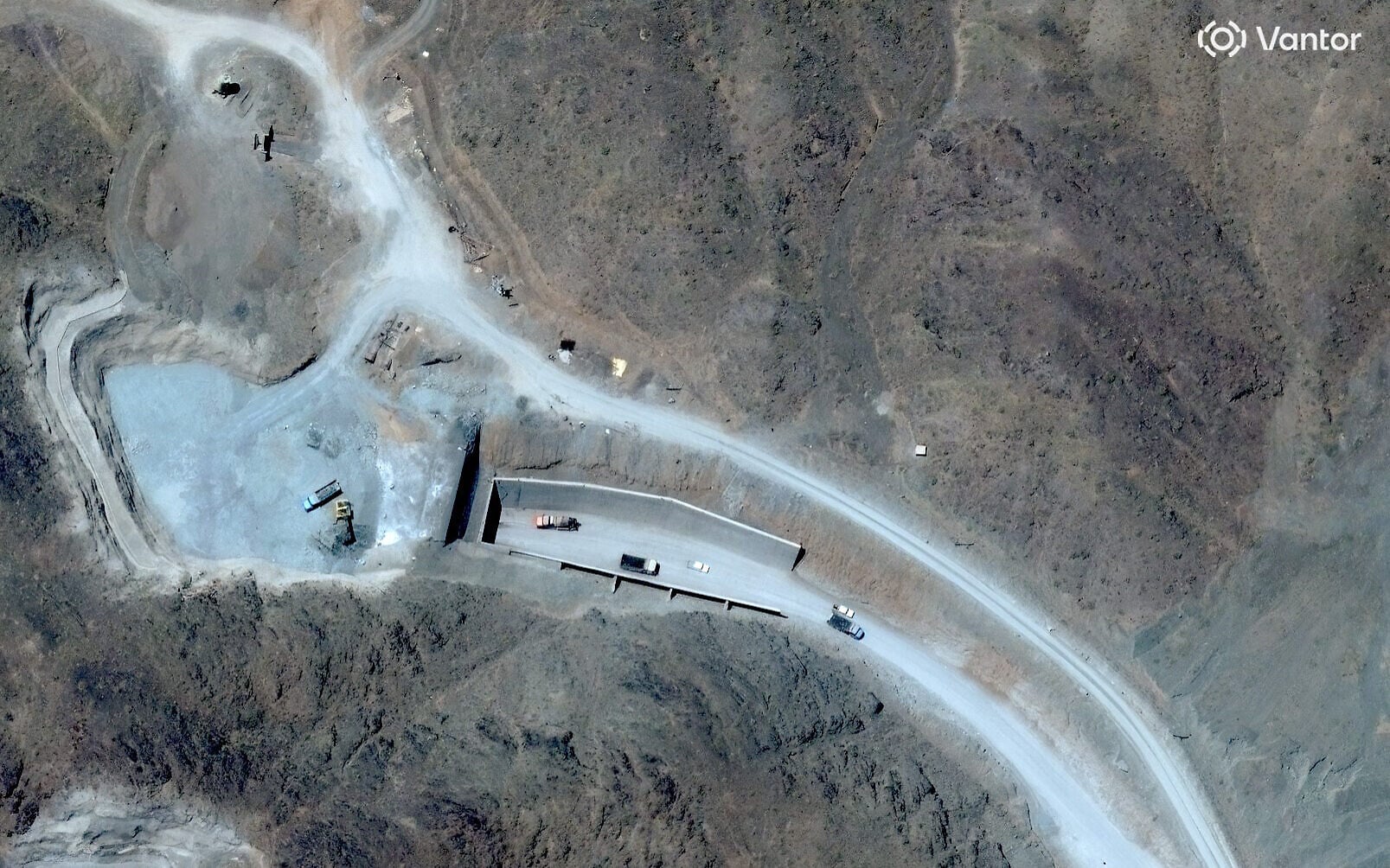
The head of the United Nations nuclear watchdog said Thursday that the agency has observed construction activity at Iran’s Pickaxe Mountain, which Western intelligence has flagged as a site likely used to store nuclear material.
The statement came alongside a report that Iran had once again stated to manufacture ballistic missiles at underground sites. Apparently responding to the reports, Prime Minister Benjamin Netanyahu said Iran was trying to rearm and promised further Israeli action.
“There are some indications that there is movement around this construction site,” International Atomic Energy Agency chief Rafael Grossi told Bloomberg. “We don’t have any concrete information as to activities that may be taking place there.”
The IAEA has not sent inspectors into the heavily fortified underground complex, in the Natanz nuclear facility in central Iran, but is relying on remote imagery, Grossi told the news outlet.
Iran’s leaders are thought to have commissioned the underground complex following a 2020 explosion, allegedly caused by Israel, that significantly harmed a centrifuge assembly site in Natanz.
“They said at the time, ‘We are going to put everything in tunnels, inside a mountain’,” Grossi said. “This was going to be impermeable and protected from attacks.”
Since Israel and the US struck Iran’s nuclear sites during the 12-day war in June 2025, Iran hasn’t given IAEA inspectors access to nuclear sites that were affected by the strikes.
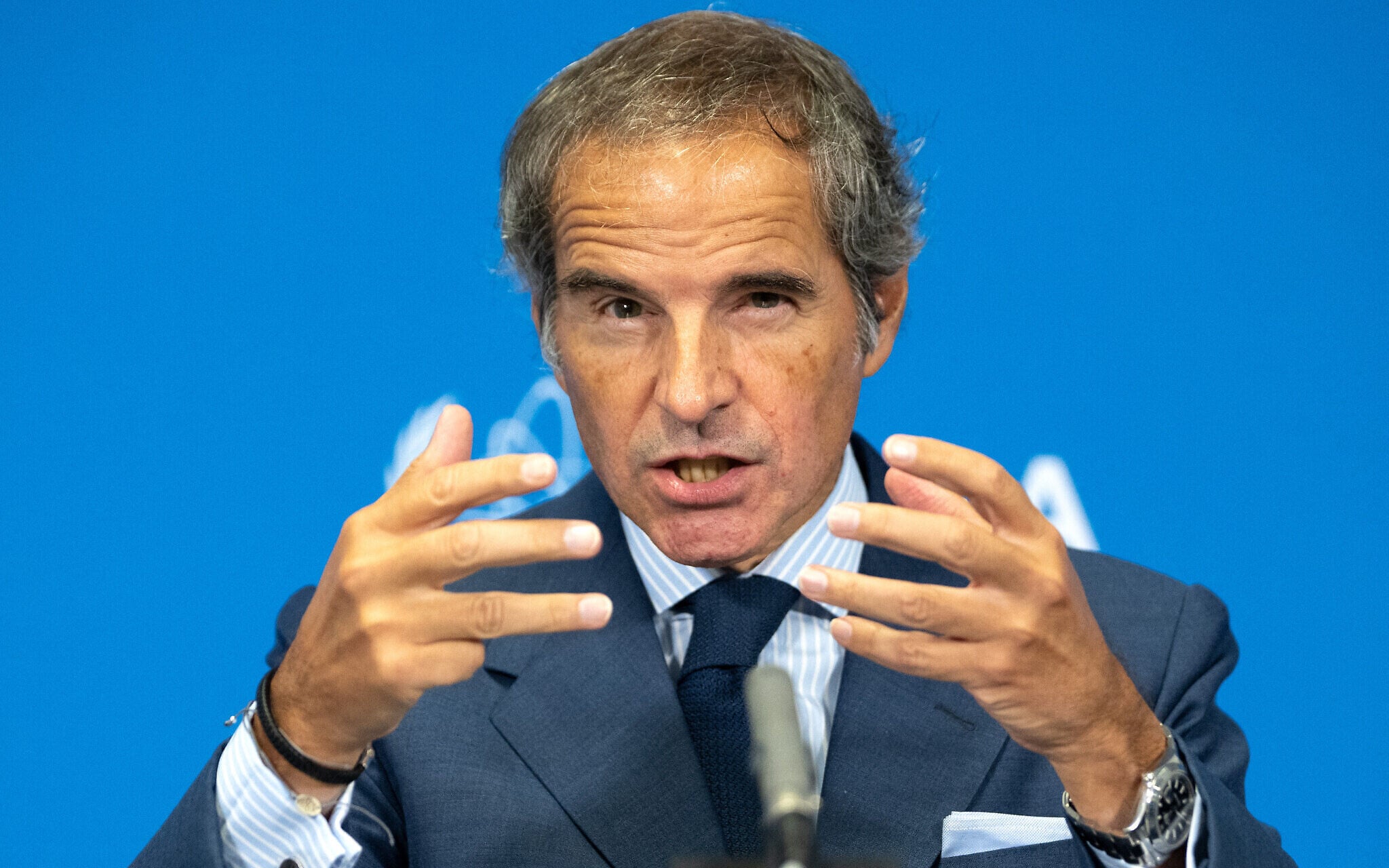
The IAEA also has been unable to verify the status of Iran’s stockpile of near weapons-grade uranium since the June bombing.
On Wednesday, US President Donald Trump said the United States may hit Pickaxe Mountain, urging Tehran to be cautious.
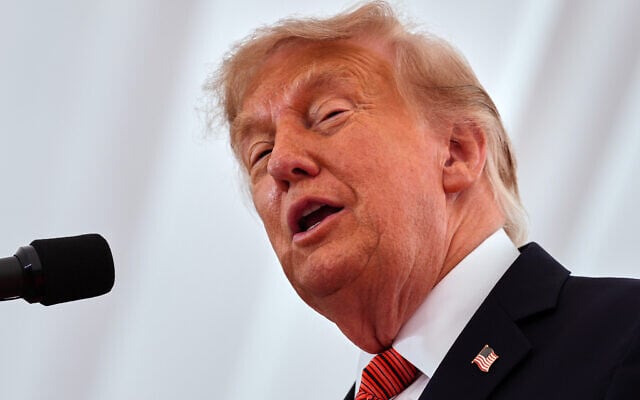
“We notice there’s a little activity at Pickaxe. I would advise Iran not to get cute because we will have to hit them very hard,” Trump said in a speech at the midterm Republican convention.
Also on Wednesday, the Washington-based Center for Strategic and International Studies said in a statement that an analysis of six years of multisource imagery at Pickaxe Mountain indicated a surge in construction.
The imagery “reveals a clear three-phase activity signature across the five key points of interest and the roads connecting them, indicating a site that has shifted from active excavation toward probable internal construction and continued exterior reinforcement,” the think tank said.
“Together, these images reveal more road activity at Pickaxe Mountain in 2026 than at any point in the site’s history. There is a clear surge in construction activity in 2026 that corresponds to the raising and hardening of the portal accesses, paving of the internal road network, reinforcement around access areas, and the flattening and removal of excavation spoil,” it said.
PM warns Iran rearming as it reportedly resumes missile production
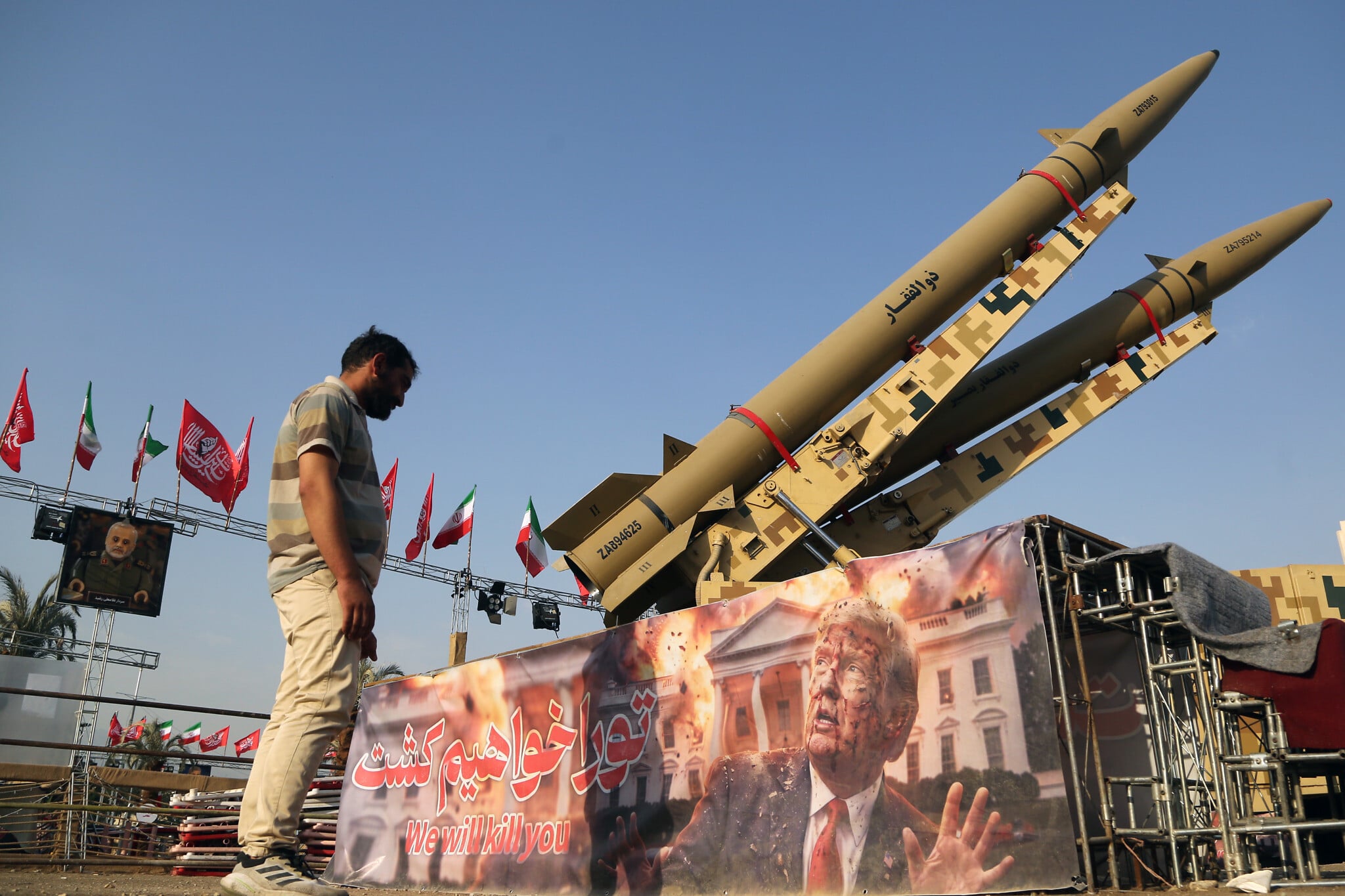
The growing warnings about Iranian activity at Pickaxe came as the Wall Street Journal reported Thursday that Iran was also using underground facilities to once again manufacture ballistic missiles.
Citing US and Middle East officials, the report said Tehran was using stockpiled parts to assemble both solid- and liquid-fueled missiles, with production taking place at several subterranean locations, including the Khojir complex east of Tehran.
The Islamic Republic was working to build new production sites as well, according to the sources.
“Iran is weaker now than ever before, and President Trump will never allow Iran to have a nuclear weapon,” a White House official told the newspaper in response, without directly commenting on whether Iran was again churning out ballistic missiles.
Seeming to confirm the report, Prime Minister Benjamin Netanyahu warned Thursday that Iran was trying to rearm.
“President Trump announced this evening that Iran is attempting to rearm with nuclear weapons,” said Netanyahu in a video filmed by his office at the Western Wall complex in Jerusalem’s Old City. “This is true.”
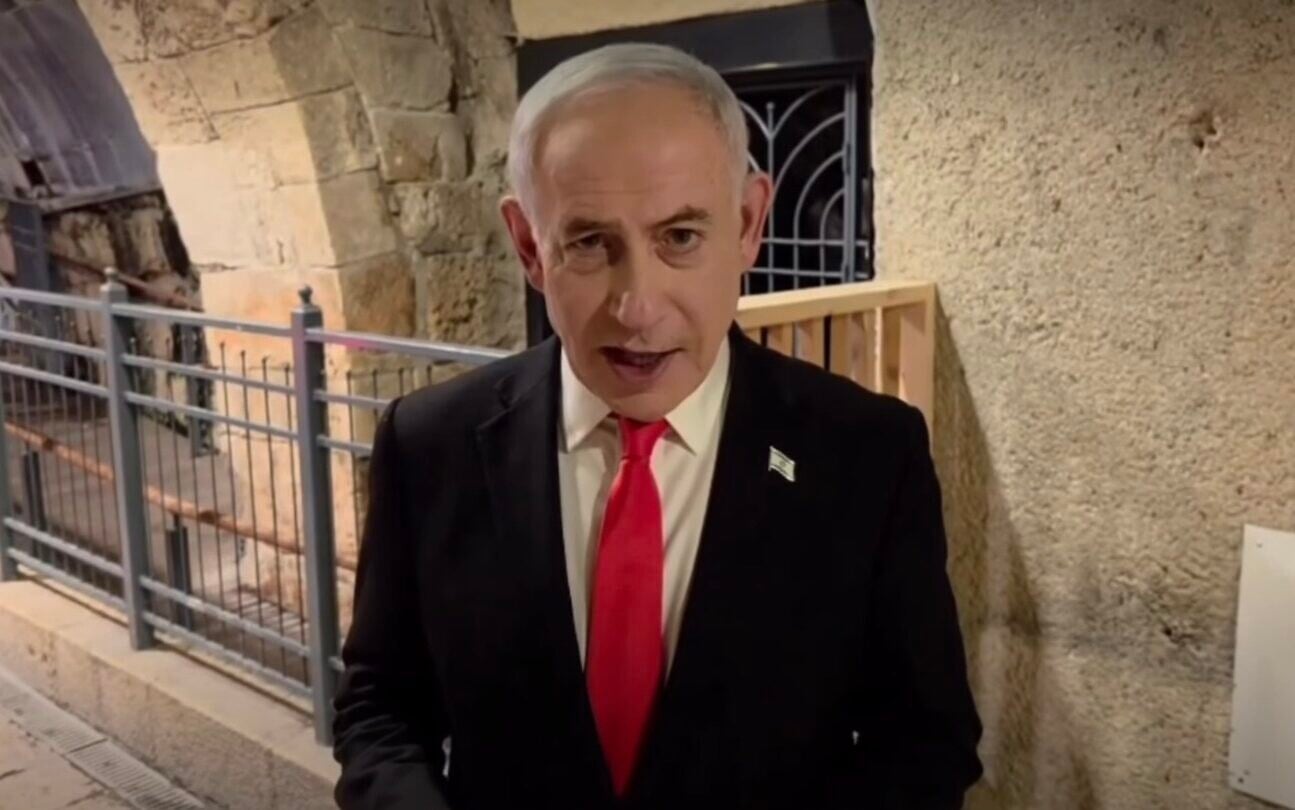
“After we destroyed its immediate capability to produce nuclear bombs — in both Operation Rising Lion and Operation Roaring Lion, it is trying again,” Netanyahu continued, using the official Israeli names for the June 2025 war with Iran and the ongoing US-Israel conflict against the Islamic Republic that began in late February.
He pledged that Iran will not attain a nuclear weapon as long as he was in office, and promised that further action against Iran and its allies as well.
“We are striking the Iranian axis,” he said, “delivering heavy blows not only in the Gaza Strip but also in Lebanon. We have destroyed the Beaufort Ridge and are now dealing with the Ali Taher Ridge.”
“More to come,” he concluded.
Netanyahu refrained from declaring that Israel was “very close” to defeating Iran, as he did several times in the preceding week as campaigning for the October 27 Knesset elections ramps up.
Also on Thursday, Israeli television reported that Israel’s security services discussed the possibility of an escalation from Iran during the upcoming Jewish holidays. According to Channel 12 news, Israel was preparing to counter the possibility of Iranian ballistic missile fire at Israel and Iranian terror attacks on Israeli or Jewish targets abroad.
The steady Iranian missile fire against Jordan and the success of the US economic blockade against Iran both point toward a potential escalation in Israeli eyes.
Hezbollah was also working to convince Iran to come to its aid in Lebanon, the TV report said, while noting there was no concrete warning or specific plot that has been uncovered ahead of the Rosh Hashanah holiday that begins Friday night.
Times of Israel staff contributed to this report.









The Times of Israel Community.