

IDF rejects testimonies in Israeli-made documentary alleging AI-powered killing in Gaza
Army denies accusations in ‘NAZA,’ which debuted to an ovation in Venice, says selection and approval of Gaza strikes done ‘by human personnel only… not by artificial intelligence’
 Add ToI as a Preferred Source on Google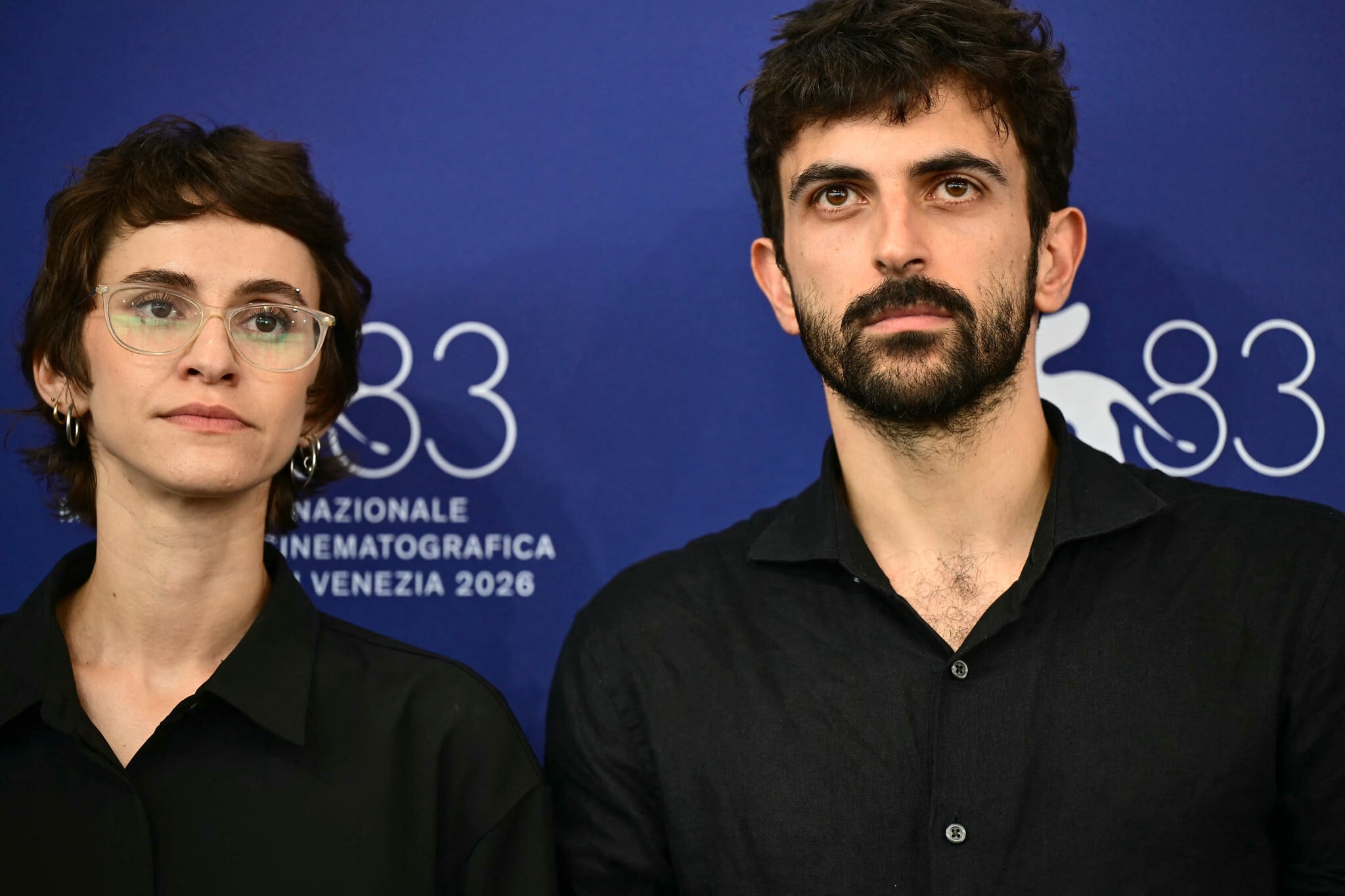
The Israeli military said Friday it “categorically rejects” allegations made in a new documentary by Israeli filmmakers about Israel’s purported AI-powered mass killing of civilians in Gaza, which received a 25-minute ovation at its premiere in Venice the day before.
The Israeli-made film “NAZA” uses conversations with 24 different Israeli military or intelligence whistleblowers who spoke on condition that their identities be protected, with interviewees describing how they felt like they worked in a killing “factory” or a lethal video game.
The IDF denied this depiction, and said decisions on the selection and approval of strikes were made “by human personnel only… and not by artificial intelligence.”
The 80-minute documentary comes from Oscar-winning Israeli filmmakers Yuval Abraham and Rachel Szor, with Abraham telling AFP the goal was to “hear in as much detail as possible, how the systems of killing in Gaza looked like, how they operated.”
“NAZA” draws its name from a Hebrew acronym meaning collateral damage.
The Israeli military on Friday criticized the use of anonymous testimonies in the film, saying the identities of the whistleblowers “cannot be verified,” including whether they served in the military or in what capacity.
“The excerpts cited include claims regarding national and military strategy that are clearly beyond the knowledge of junior-level soldiers,” it added in a statement.
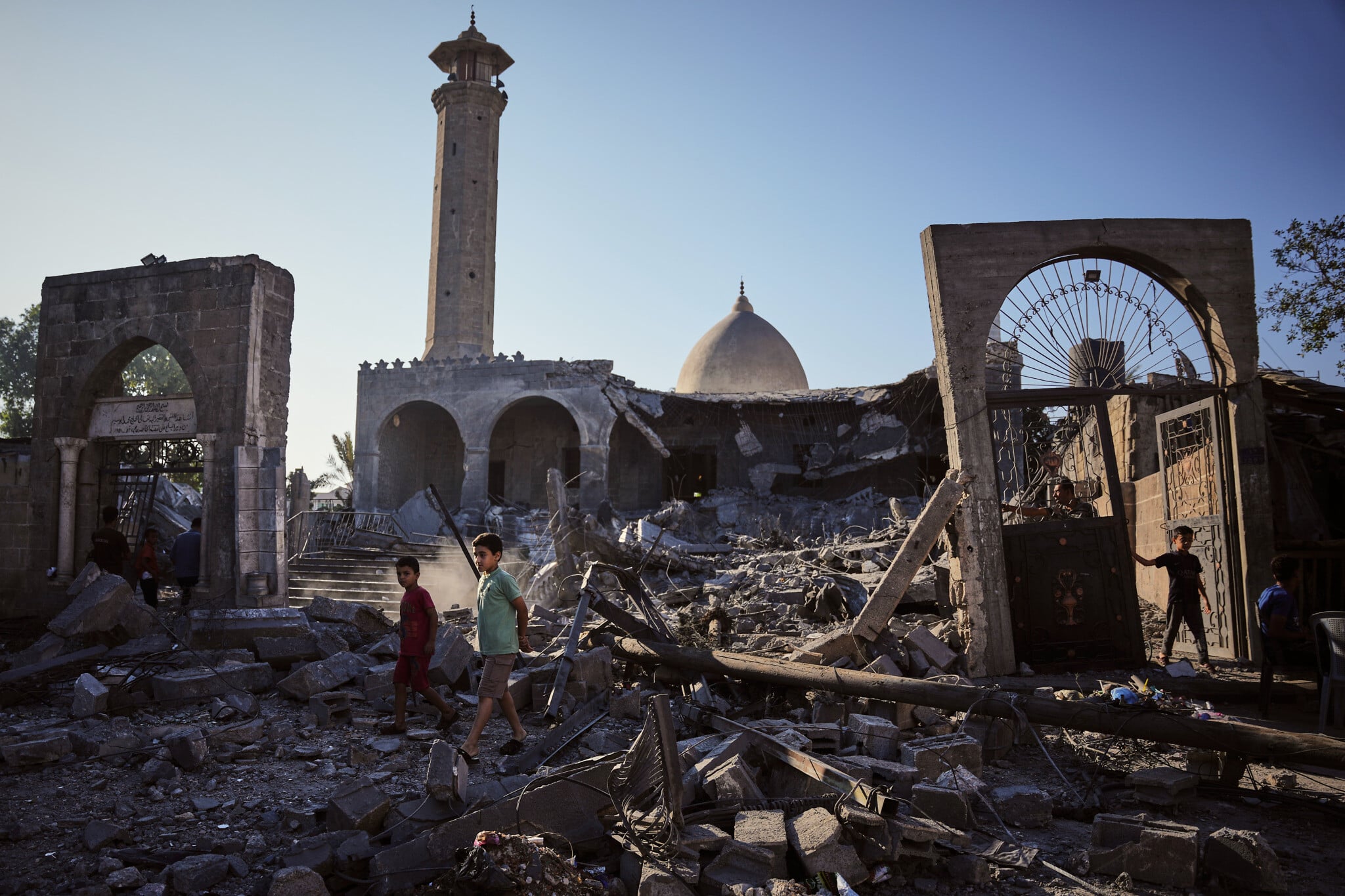
In the documentary, the men and women featured in “NAZA,” speaking on the nighttime rooftops of Tel Aviv with their voices and faces digitally altered, detail an AI-powered system known as “Lavender” that was allegedly used to identify people to be targeted.
“Lavender” reportedly uses data from the mass surveillance of Gaza, where the entire telecommunications network is monitored by Israel, to identify targets based on their phone calls, movements and interactions.

Interviewees describe the systematic destruction of civilian homes, the disregard for war and humanitarian laws and a “general atmosphere” of “hatred” toward Palestinians.
“It’s like a video game because everything is done remotely,” one interviewee involved in identifying targets says at one point.
Another describes it as “insanely fun.”
The IDF categorically denied this portrayal of systems’ use, saying that decisions regarding the selection and approval of strikes were made “by human personnel only… and not by artificial intelligence.”
It said the IDF targets “terrorist organizations, foremost among them Hamas, in accordance with international law and the laws of armed conflict,” adding that it “makes unprecedented efforts to minimize harm to civilians.”
It has denied Abraham’s reporting on the matter in the past, saying that it lacks “fundamental military understanding.”
Bennett: Lie from Israeli filmmakers, spreading worldwide
Also on Friday, former prime minister Naftali Bennett slammed the documentary as a “blood libel” against Israel.
“What makes it especially painful and infuriating is that this lie comes from Israeli filmmakers and is now being spread around the world,” Bennett posted on X the day after the premiere.
“If Israel wanted to hurt the people of Gaza, we would not send our sons and daughters to fight house to house, through alleyways and tunnels, at the terrible cost of our own soldiers being killed and wounded,” he argued, adding that “The war in Gaza is terrible. The death of every child is a tragedy. But a terrible war is not genocide.”
Yesterday, a film accusing Israel of genocide premiered.
It’s a horrific blood libel against our sons and daughters. What makes it especially painful and infuriating is that this lie comes from Israeli filmmakers and is now being spread around the world.
Let’s get the facts…
— Naftali Bennett נפתלי בנט (@naftalibennett) September 11, 2026
Israel launched the war in Gaza after the October 7, 2023, Hamas invasion of southern Israel that killed some 1,200 people and saw another 251 taken hostage into Gaza.
More than 73,000 Palestinians have been killed in the war, according to Hamas figures that do not differentiate between civilians and combatants.
Israel has said that it tried to avoid killing civilians during its operations in Gaza, accusing Hamas of embedding its operatives and military infrastructure among the civilian population, including in hospitals, schools, refugee camps and mosques.
On Thursday, Abraham and Szor received the record standing ovation at the 83rd Venice Film Festival that surpassed last year’s clapping, lasting 23 minutes for the docu-drama and Venice’s Best Film award “The Voice of Hind Rajab,” about the killing of a 6-year-old girl, her family and medics who came to save them in Gaza City in January 2024.








The Times of Israel Community.