

Energy committee opposes export limit despite looming risk of natural gas shortage
Panel seeks to prioritize gas exploration and discoveries in Israel’s waters, as reserves for domestic use are projected to fall short of energy demand in the coming decade
 Add ToI as a Preferred Source on Google
Sharon Wrobel is a tech reporter for The Times of Israel
Israel’s inter-ministerial committee tasked with the country’s future energy policy has rejected calls to reserve more natural gas for domestic use and cap exports. The decision comes despite warnings of a domestic natural gas shortage that could end the country’s era of energy independence and cheap electricity within a decade.
After two and a half years, the inter-ministerial committee on natural gas policy, led by Energy Ministry director-general Yossi Dayan, presented its final recommendations on Thursday. The committee was set up to discuss the country’s gas policy amid growing domestic energy needs, which have sparked heated debates over the volume of natural gas reserved for the local market and how much will be allowed for exports.
As part of its recommendations, the Dayan committee decided to maintain the volume of natural gas reserved for the domestic market at 440 billion cubic meters, though cumulative demand for natural gas in the Israeli economy is projected to reach 515 BCM and last only 20 years. Over the past few years, Israel has become a significant natural gas supplier with about half of its domestic production designated for export, mainly to Egypt and Jordan.
The Dayan committee’s decision follows the Finance Ministry’s call for the government to revise its policy to retain 515 BCM of natural gas for domestic use, to ensure the country’s energy independence for longer.
To fill the gap, the committee, led by Dayan and Energy Minister Eli Cohen, recommended a policy focused on encouraging exploration and discovery of new offshore natural gas reservoirs in the country’s economic waters. In addition, the committee said Israel needs a long-term national plan to diversify its energy sources and increase its use of renewable energy.
“Natural gas is a strategic asset for the State of Israel, strengthening both our diplomatic standing and the Israeli economy,” said Cohen. “Therefore, the ministry is working to expand gas exploration and increase output for the benefit of the domestic market and exports, while maintaining competition — a move that will enable attractive prices for the Israeli economy.”

The decision came as Israel announced its fifth offshore exploration tender in July, aimed at attracting global energy companies to search for natural gas reservoirs in the country’s economic waters.
Cohen and Dayan emphasized that regulatory changes to domestic and export gas policies would undermine the willingness of global energy companies to participate in exploration tenders. They both argued that Israel needs to remain an attractive investment destination with a stable regulatory environment.
Israel first discovered large natural gas fields off its Mediterranean coast in the first decade of the 2000s, transforming what had been a resource-poor energy importer into a natural gas powerhouse, with enough to supply its own needs and export elsewhere. The finds have helped shield the country from the worst of the energy crisis sparked by the Russian invasion of Ukraine and have also been leveraged as a potential bargaining chip in geopolitical diplomacy.
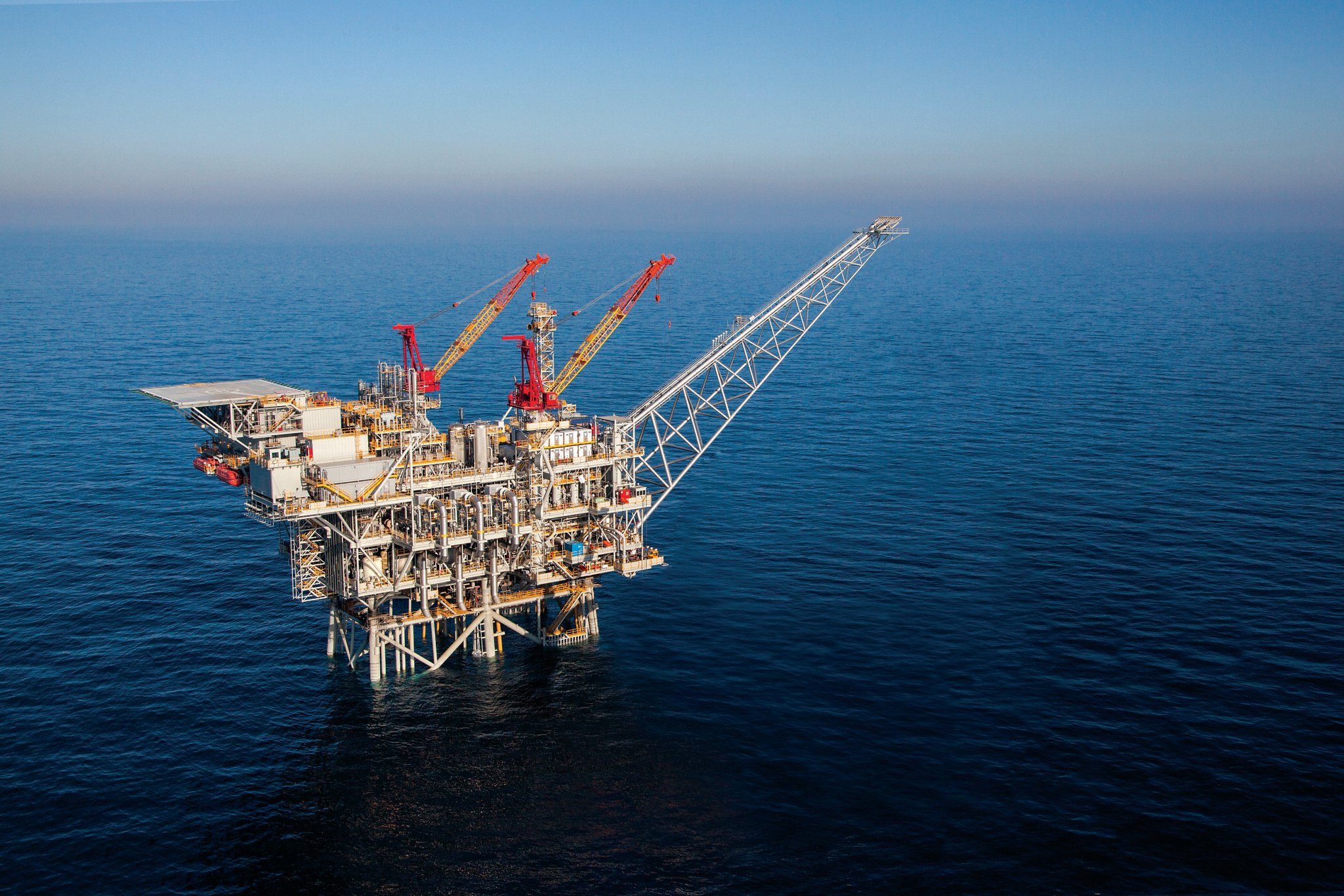
Israel’s gas supplies come from three offshore gas fields — Tamar, Leviathan, and Karish — discovered over the past 20 years off the Mediterranean coast. The country’s fourth reservoir, Katlan, is expected to start production in 2027. US energy giant Chevron operates the Tamar gas field and holds a 25% stake in it, as well as a 39.66% stake in the Leviathan gas reservoir. To date, revenues from export gas sales have funneled NIS 30 billion ($9.88 billion) into the state’s coffers, according to the Energy Ministry.
More than 70% of Israel’s electricity is currently generated from domestic natural gas production. Once the gas fields dry up, Israel will have to buy from elsewhere, and prices are expected to jump.
Lobby 99, a grassroots advocacy group, criticized the Dayan committee’s recommendations for leaving the Israeli economy vulnerable to energy insecurity and high gas prices — costs that will ultimately be reflected in the electricity bills of the general public. Over the past 15 years, domestic natural gas supply has enabled Israeli industry and the public to enjoy relatively low and stable electricity prices.
Once domestic gas supply runs out, with shortages forecast to be felt as early as 10 years from now, Israel will become dependent on imports and prices will skyrocket, the group said.
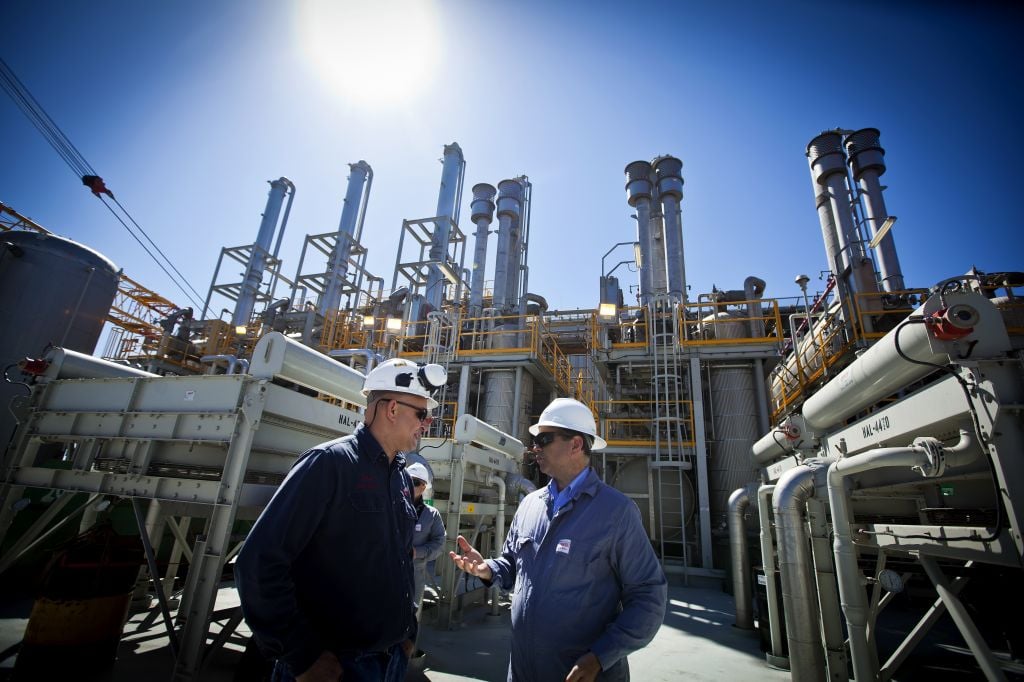
“We don’t have enough natural gas to expand exports at the level that the energy ministry supported,” Ariel Paz-Sawicki, head of research at Lobby 99, a grassroots advocacy group, told The Times of Israel. “By 2046 or earlier we are going to be in a deficit, and we will need to import gas because our production will be below our annual demand.”
“The main concern is that in the future we will find ourselves dependent on imports at a time when prices are high, similar to present fuel prices at gas stations around the country, which have gone up significantly because of global oil prices. The situation will be similar with natural gas,” said Paz-Sawicki.
In June, the State Comptroller warned in a report that Israel will burn through its gas reserves earlier than projected as national energy demand grows more quickly than anticipated, driven by both natural population growth and the rising need for energy-intensive data server farms tied to artificial intelligence. In addition, gas export sales remain robust. By 2036, the report said, there may be days when gas production won’t be enough to meet domestic energy demand.
Paz-Sawicki noted that the Dayan committee’s recommendations will need ratification by the next government before adoption.
“It’s the next government that will be elected at the end of October that will be tasked with deciding which direction and form Israel’s energy policy will take,” said Paz-Sawicki.









The Times of Israel Community.