


By Patrick Verbeten — National CEO, Bridges for Peace USA
In the arrivals hall at Ben Gurion Airport, where crowds of visitors, pilgrims and volunteers once poured off flights from across the world, there is now quiet. Foreign tourist overnight stays in the first half of 2026 ran about 75% below the same period in 2023, before October 7. For a tourism industry that employs some 200,000 Israelis, these are not abstractions. They are guides without work, hotels running dark, and a lonelier feeling in a country that has already borne so much.
For many Israelis, the emptiness carries a second, perhaps more painful sting. It can feel as though the world has turned it’s back, and that support for Israel has turned into condemnation just when it was needed most.
I want to offer a word of encouragement from a corner of the Christian world that has never looked away. And, more than that, to tell you what we are doing to make sure it never does. Because lost tourist seasons, painful as they are, will eventually recover. The harder and more urgent work, the work that decides whether Christians are still standing with Israel a generation from now, is the work of building that support deliberately. That is what Bridges for Peace has given itself to.
Six decades of showing up
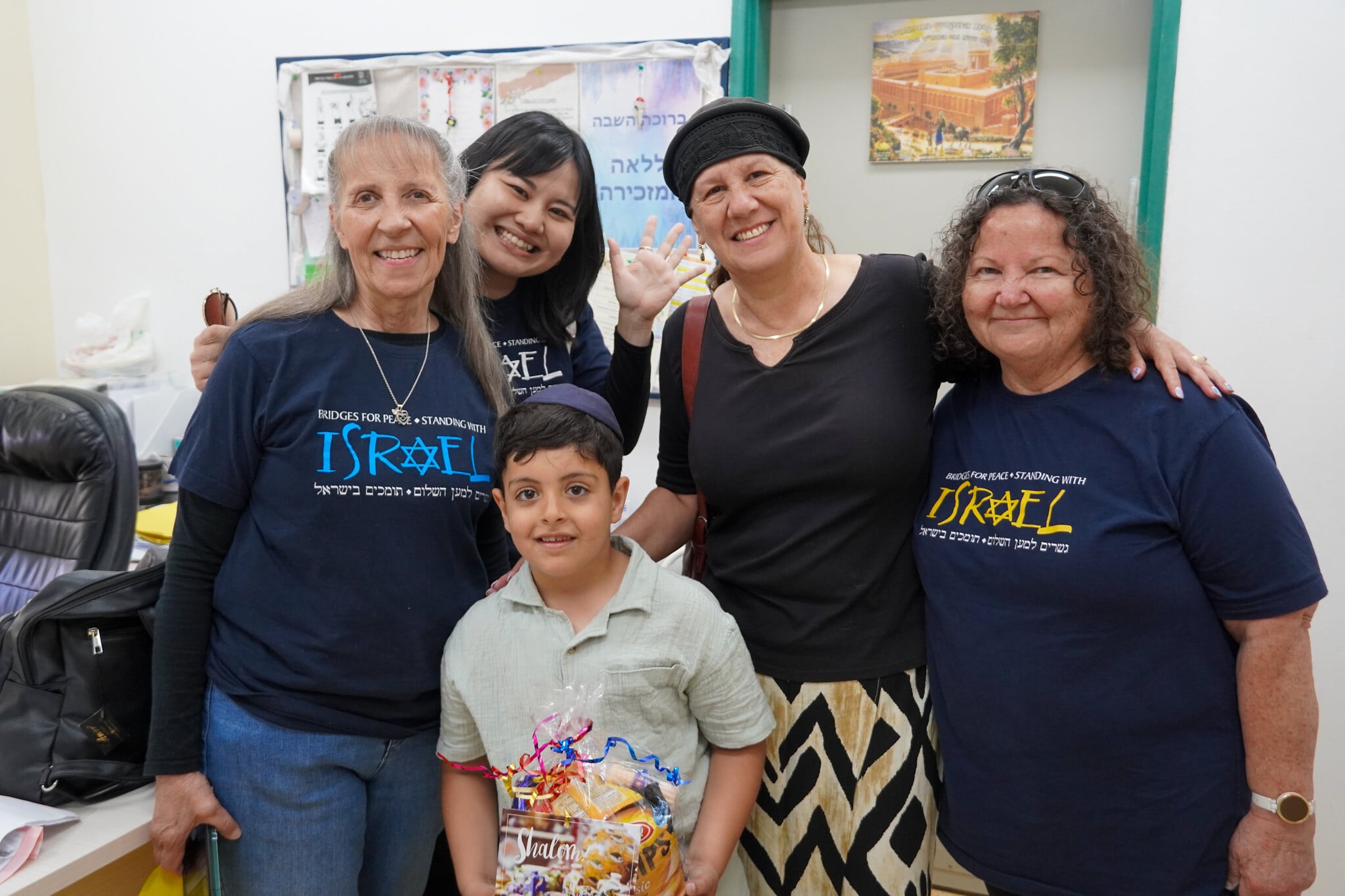
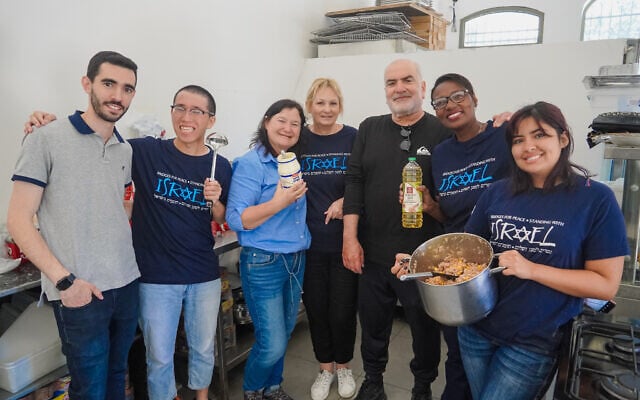 Bridges for Peace was born out of a simple conviction: that Christians have a debt of gratitude and a biblical responsibility to the Jewish people, and that gratitude should look like presence, not just words. Our founder, Dr. G. Douglas Young, moved to Jerusalem in 1964 and built his life among the people of Israel; the organization was formally established in 1976. Nearly sixty years later, our staff and volunteers are still here stocking food banks and delivering to Holocaust survivors, new immigrants, widows, and the elderly poor.
But feeding people has never been the whole of it. Over sixty years we have learned something that feels especially urgent now: friendship with Israel is not inherited automatically. It has to be formed, taught, and passed down. A ministry that only relieves need today, without raising up the advocates Israel will need tomorrow, is doing half its job. So alongside the food banks, we have always been in the business of making Christians into lifelong, informed, unashamed friends of the Jewish people. In a season like this one, that second calling is the one that matters most.
The real crisis isn’t this year’s bookings
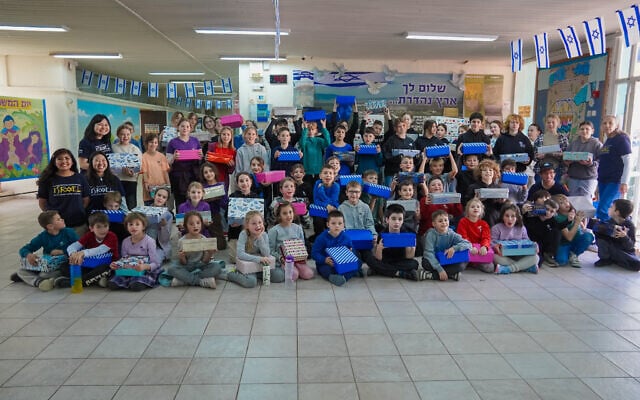 A quiet season at the airport is recoverable. What worries us more is quieter and slower-moving. Across the Christian world, and especially among the young, the old certainties about Israel are eroding. Church attendance and biblical literacy are declining among young adults in the West, while antisemitism spreads across the very social platforms where that generation forms its view of the world. A rising number of young believers are simply never taught why the Jewish people and their land matter. And, into that silence, old lies return wearing new clothes.
If that trend runs its course, the empty arrivals hall of 2026 could become the empty arrivals hall of 2046. Not because of a war, but because a generation of Christians was never given a reason to care. That is the crisis Bridges for Peace has decided to devote itself to: not only feeding people today, but forming the friends Israel will need tomorrow.
How we build that support
We do this in three connected ways, and each is aimed at the same target: keeping Israel firmly in the Christian heart.
The first is teaching. For decades, publications like Dispatch from Jerusalem and our Israel Teaching Letters have reached Christians in their homes with news, context, and the biblical roots of the Jewish story. Telling Israel’s reality plainly to people who might otherwise only hear it distorted. This is the slow, steady catechism of support: helping ordinary believers understand why they stand with Israel, so that their conviction survives the next hostile headline.
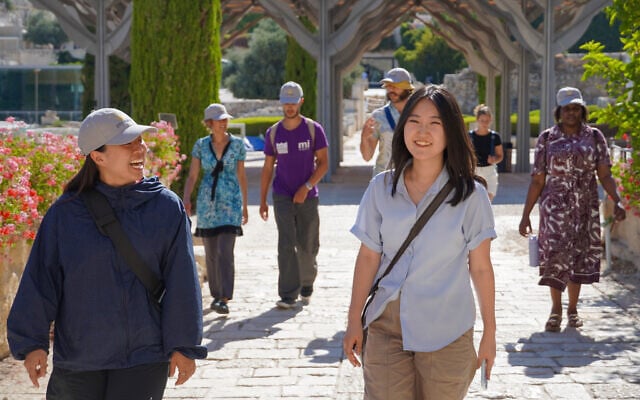
The second is travel, and here we are unapologetic in the current moment. We keep bringing Christians to Israel. Walking the land, meeting Israelis, and standing in Jerusalem changes a person in ways no feed or headline can. Every believer we help bring here in a hard season is a small act of defiance against the isolation Israelis feel. They’re a future advocate who has seen the country with their own eyes rather than through a screen.
The third is our investment in young adults, and it is the one I most want Israeli readers to know about. Through our Zealous USA program, Bridges for Peace USA is building teams of interns in their late teens and twenties. They are immersed in serious teaching from Christian and Jewish experts on Israel, the Bible, history, and the fight against antisemitism. Then we equip them to speak to their own generation in its own language, on the platforms where the battle for that generation’s heart is actually being fought, and we send them out to churches, campuses, and communities to build genuine relationships with their Jewish neighbors. This is the deliberate manufacture of a new generation of Christian advocates for Israel and the single most important thing we can do to secure Israel’s standing in the Christian world for the decades ahead.
One of our 2026 Zealous USA participants, Boaz Snider, grew up in South Dallas, Texas, and came to us out of college ministry. “God had put a calling on my heart while I was doing college ministry in Dallas to build bridges of love and understanding between Jews and Christians through the Word of God,” he says. “When I was offered the opportunity to intern with Bridges for Peace, the calling became concrete.”
A few months in, the change in him is easy to see. “I have learned during my short time at Bridges for Peace more about myself, the Bible, the Jewish people, and the Church than I have in the last ten years.” He is also clear-eyed about the danger his generation faces. “The rise of Jew-hatred,” he says, “is the sign of moral rot and collapse deep in a society, and anyone paying attention should be disturbed by it.”
That is what Zealous USA is for: discipleship aimed squarely at the goal that the next generation of Christians will not merely tolerate Israel, but love it, understand it, and stand up for it when it costs something.
A word to Israeli readers
 You do not have to share our theology to be encouraged by this. But I’ll tell you plainly where our staying power comes from. We read in the very first pages of the Scriptures we share with you a promise made to Abraham: that those who bless his descendants would themselves be blessed. For us that is not a slogan. It is a marching order that does not pause for wars, downturns, or empty flights.
So to the guide without bookings, the hotelier watching the numbers, and the ordinary Israeli who wonders whether anyone abroad still cares: some of us never stopped. And we are doing more than sending sympathy. We are raising up a generation of young Christians like Boaz, who says he hopes to “be a light shining in dark times to help other people see.” They will fill those quiet terminals again and, more importantly, they will keep standing with you long after this hard season has passed. Keeping Israel in the Christian heart is not a sentiment we hope survives. It is work we do on purpose, every single day.
Patrick Verbeten is National CEO of Bridges for Peace USA, part of an international Christian ministry founded in 1976 that supports Israel and the Jewish people and builds relationships between Christians and Jews in Israel and around the world. Visit
www.bridgesforpeace.com/LearnMore