

Metula poetry festival moved to Jerusalem, for third year
Literary event celebrates 29 years, but northern town bombarded by Hezbollah can’t host guests just yet
 Add ToI as a Preferred Source on Google
Jessica Steinberg, The Times of Israel's culture and lifestyles editor, covers the Sabra scene from south to north and back to the center
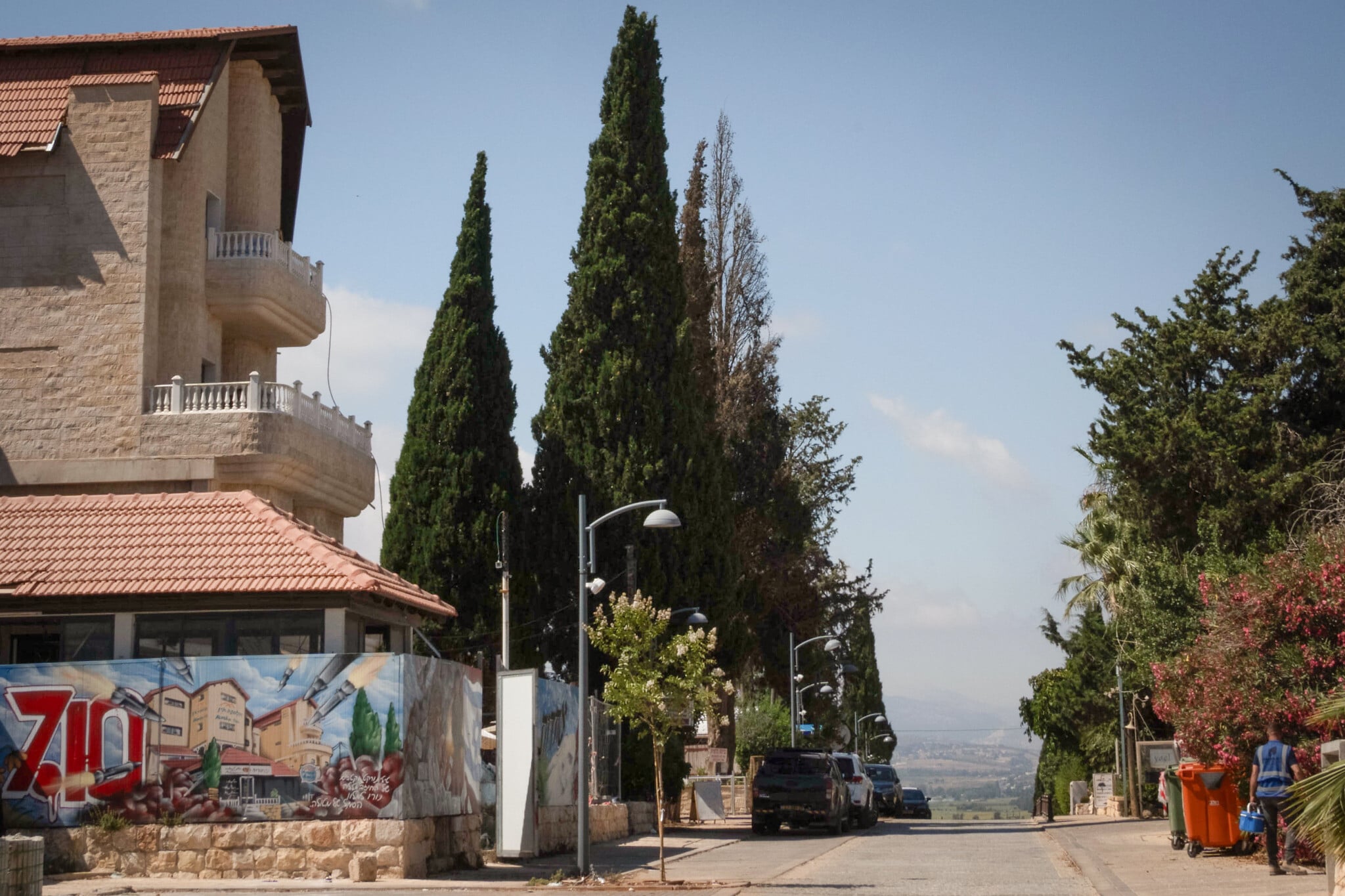
The Metula Poetry Festival will be held in Jerusalem for the third year instead of its usual location, the northern village located on the war-torn Lebanon-Israel border.
Metula became a temporary ghost town in the aftermath of the October 7, 2023, Hamas massacre in southern Israel, when Lebanese terror group Hezbollah opened a second front against Israel.
With Hezbollah rockets and drones targeting the area, residents were evacuated for more than a year.
Following the latest round of war with Hezbollah, when the terrorist group again targeted Israel’s north, the village is still under repair, and not all of its 2,000 residents have returned.
Poet Karen Alkalay-Gat, a regular at the festival and one of its speakers this year, said she will miss the charms of Metula.
“I enjoy the festival more in Metula,” said Alkalay-Gat.
Still, when the festival takes place August 25 to 27 at Jerusalem’s Confederation House under the direction of Effie Benaya, Alkalay-Gat will be there on August 26 to discuss her latest book, “Here Lies a Poet: Journeys to Poets’ Graves,” about her visit to poets’ burial places as a curious traveler.
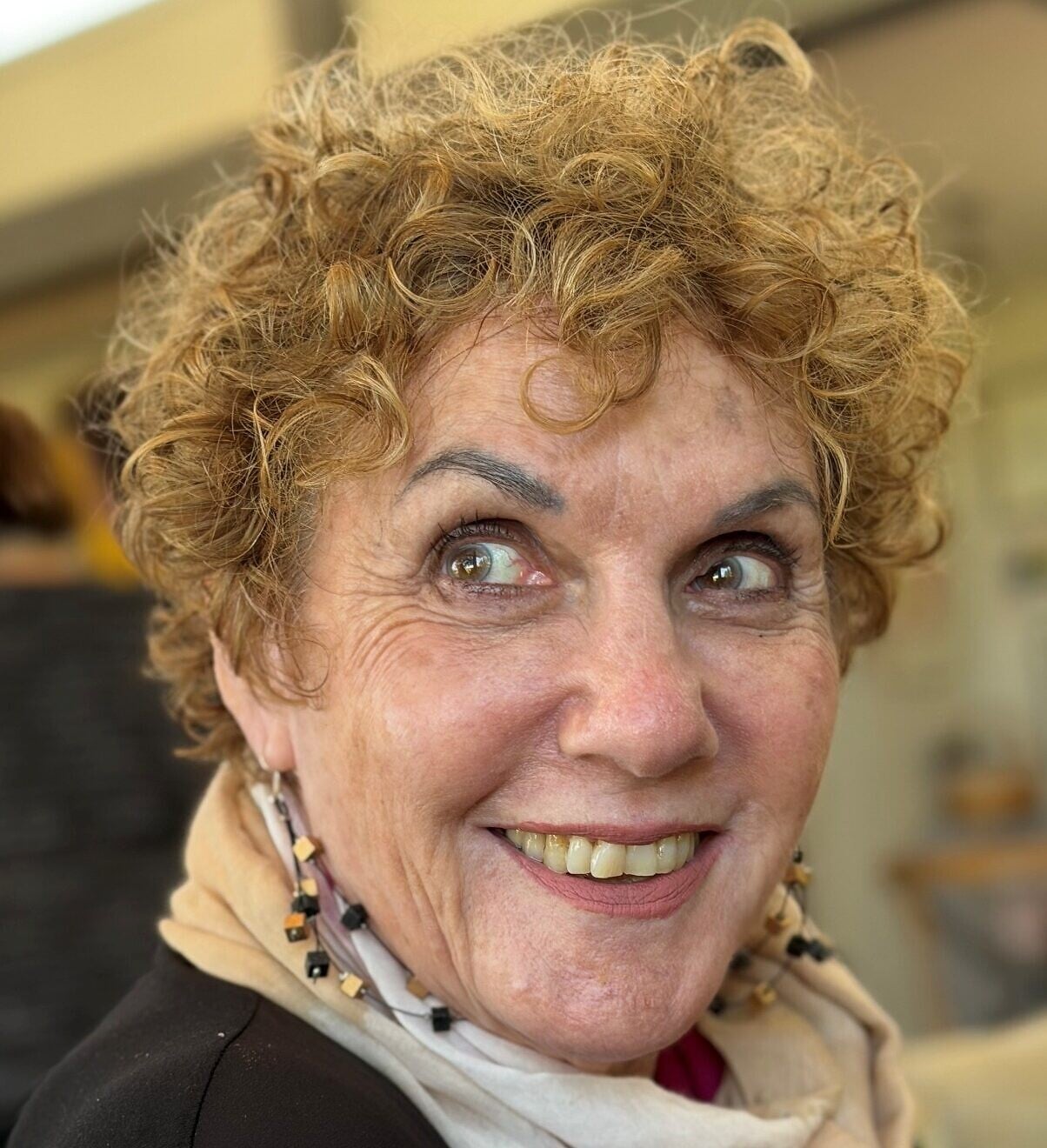
While many of the panels and sessions will revolve around Israeli poets and writers, others will focus on the work and research conducted by local literati such as Alkalay-Gat, who taught English literature for decades at Tel Aviv University.
Alkalay-Gat’s unexpected project began by chance about a decade ago, when she arrived at Newark Airport in New Jersey, too early in the morning to show up at her hosts’.
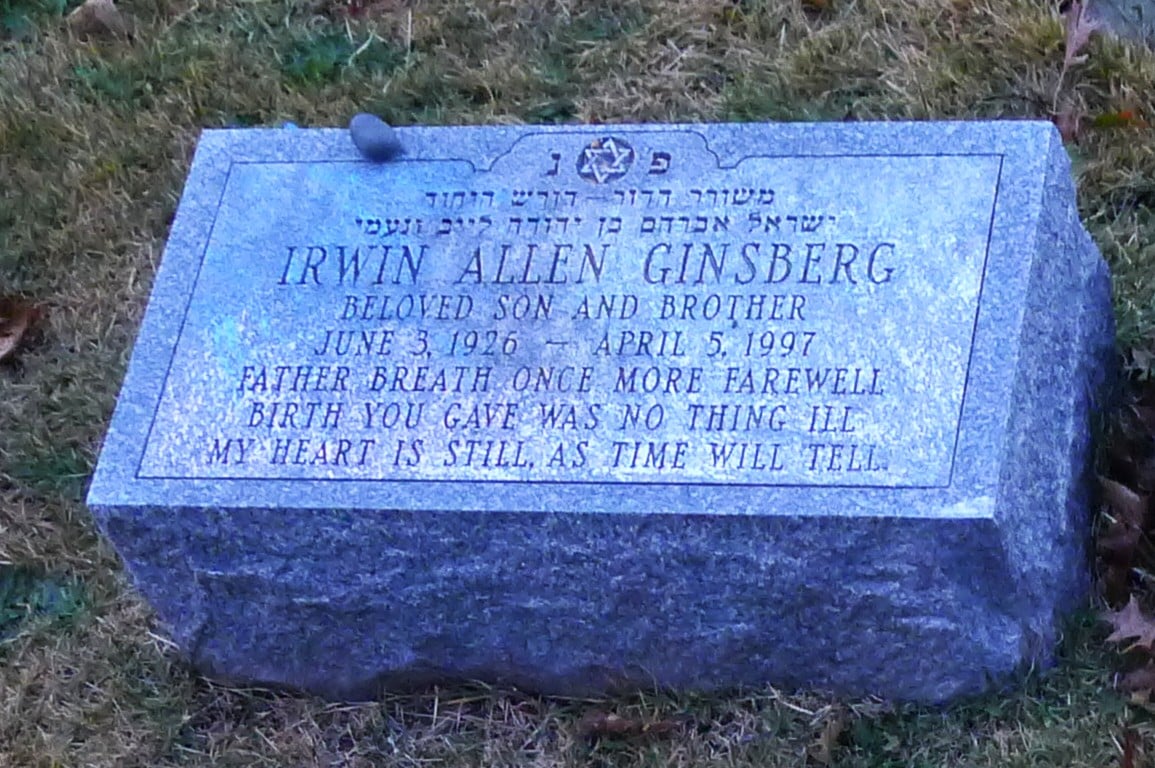
She then remembered that the poet Allen Ginsberg had written a poem about his father’s nearby grave with specific directions.
“It was about an eight-minute walk from the airport,” said Alkalay-Gat. “We took a cab, but we followed the directions, and we got there, and it was so amazing.”
She studied the Hebrew writing on Ginsberg’s father’s grave, remembering speaking to Ginsberg during visits to Tel Aviv University, and the conversations they’d had about his family’s graves located in Israel.
The Ginsberg grave visit spurred other trips, to Herman Melville’s grave (empty, with no epitaph), to Yiddish poet Anna Margolin’s grave (she was buried under a different name), to William Yeats’ grave, and others.
At one point, an errant comment made to Benny Ziffer, the Ha’aretz literary editor — who manages the festival — turned Alkalay-Gat’s hobby into an article and then a book, now in Hebrew.
Born in England to refugee parents who immigrated to the US and settled in Rochester, New York, Alkalay-Gat found that the grave project interested her at her age.
“When you’re younger you’re not interested in graves,” she said. “And when you’re older it’s not so good either.”
Alkalay-Gat continues to write poetry in Hebrew, English and Yiddish.
Beyond the discussion about poets’ graves, additional panels at the annual festival will examine poetry’s role during wartime, right-wing and political poetry, Arabic poetry in Israel, literary translation, literature’s place in Israeli society, and secular and religious poetry.
And while the festival isn’t being held in Metula, the beloved northern town will still be a focus of the three-day occasion.
One of the first events will mark the 29th year of the festival, with readings of poems about Metula and the war in the north, as participants will share memories about the town, including current residents and leaders of the village.
For a full schedule of events, visit the Confederation House website for events and times (in Hebrew).







The Times of Israel Community.