

Critics cry foul as Israel cranks up deportations of foreign activists in West Bank
After dozens kicked out in recent weeks for allegedly violating IDF orders and visa rules, lawyers allege decisions being made on political grounds, including in cases of 2 Jewish volunteers barred from immigrating

 Add ToI as a Preferred Source on Google
Nurit Yohanan is The Times of Israel's Palestinian and Arab world correspondent
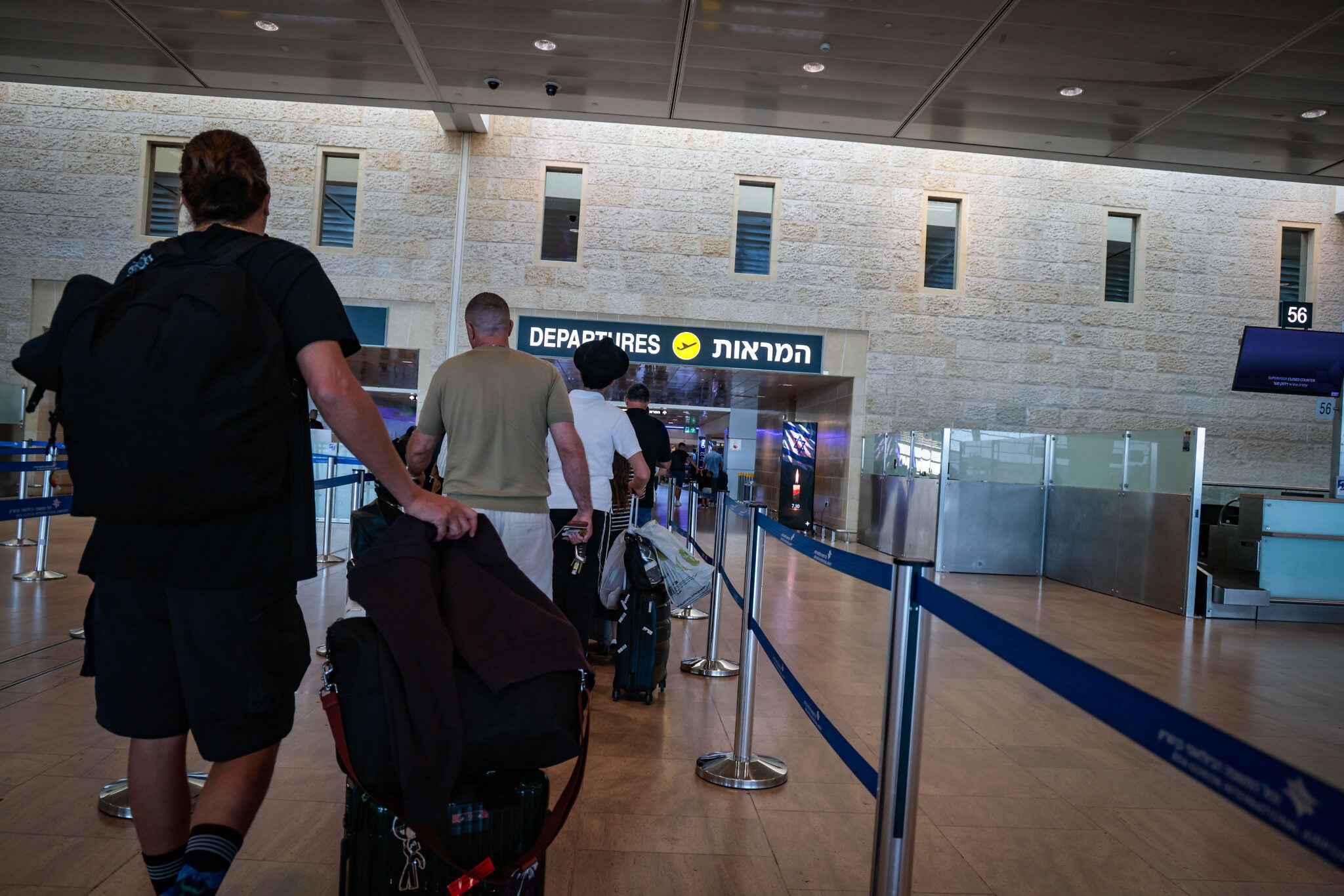
For the past five years, Lawrence Shenkin, a religious British Jew, lived in Israel as a student, studying at a number of different yeshivas. During his time in the country, he became acquainted with Bnei Avraham, an organization made up of religious Jews who assist Palestinians in the West Bank, and began volunteering with the group to protect vulnerable communities from settler violence.
“I’ve cared about Israel since I was very young and I really thought that what was going on [in the West Bank] was an existential threat to the country that I really love. So I went to do something about it,” he told The Times of Israel.
Shenkin spoke from his parents’ home in Britain, where he has been staying for the past several months. Though he had sought to remain in Israel and was in the process of becoming a citizen under the Law of Return, his involvement with the group had led Israeli authorities to revoke permission for him to remain in the country, and eventually reject his application to immigrate to the Jewish state.
Shenkin’s case and that of another Jewish activist similarly denied citizenship appear to be the most extreme instances of what activists and lawyers say is a growing campaign by Israel to deport or bar entry to foreign nationals, including Jews, who travel to the West Bank in support of Palestinians.
According to police statements, between October 9 and November 8 of this year, 40 foreign nationals were deported following arrests in the West Bank. The tally includes two separate groups of 14 activists each deported about a week apart earlier this month.
Police said the deportees were suspected of incitement against Israel, supporting organizations that advocate boycotts of Israel and, in one case, supporting a terrorist organization.
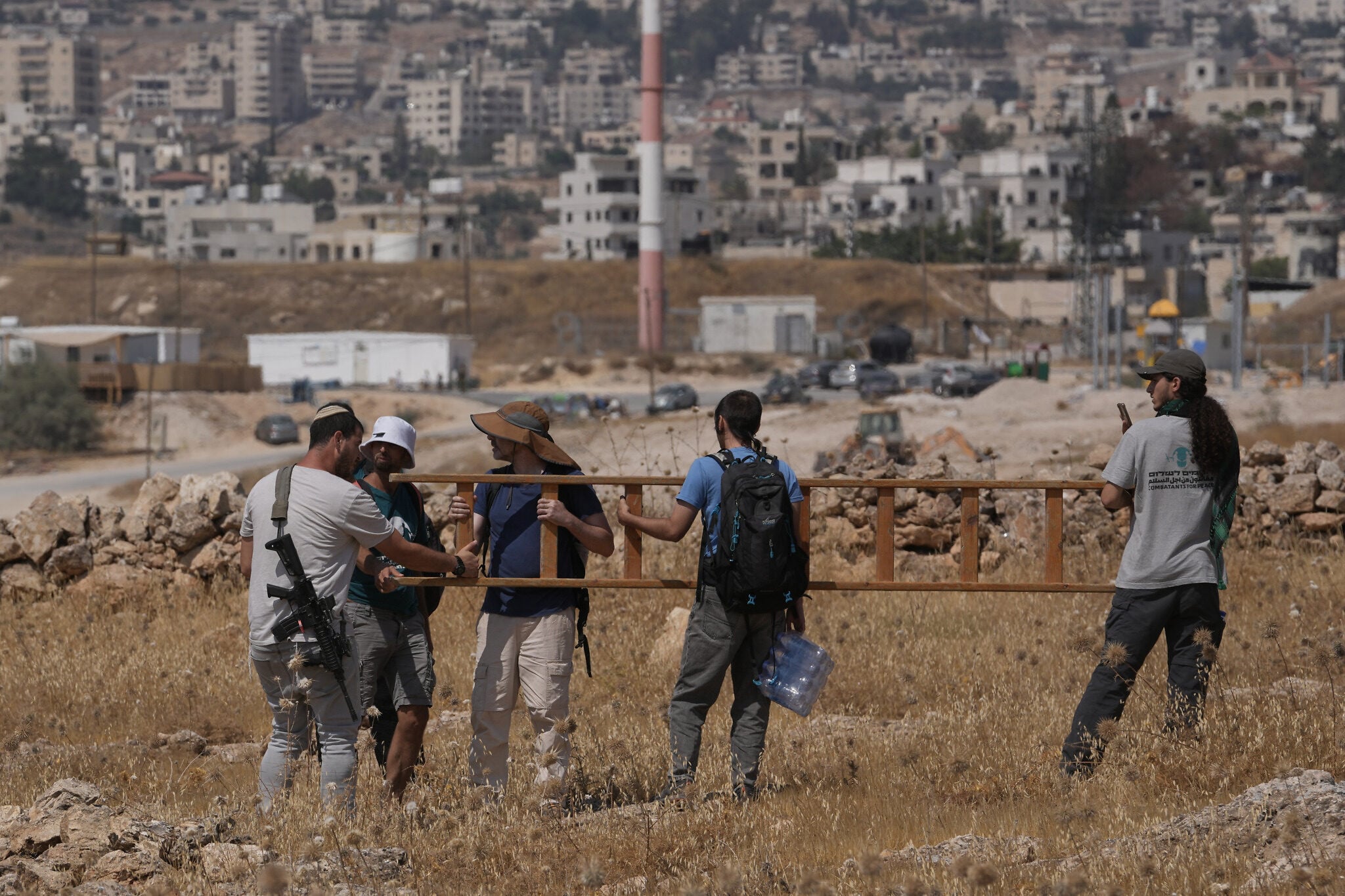
The foreign activists and their lawyers, however, accuse Israeli authorities of politically motivated enforcement aimed at keeping out foreigners who criticize Israel or assist Palestinians.
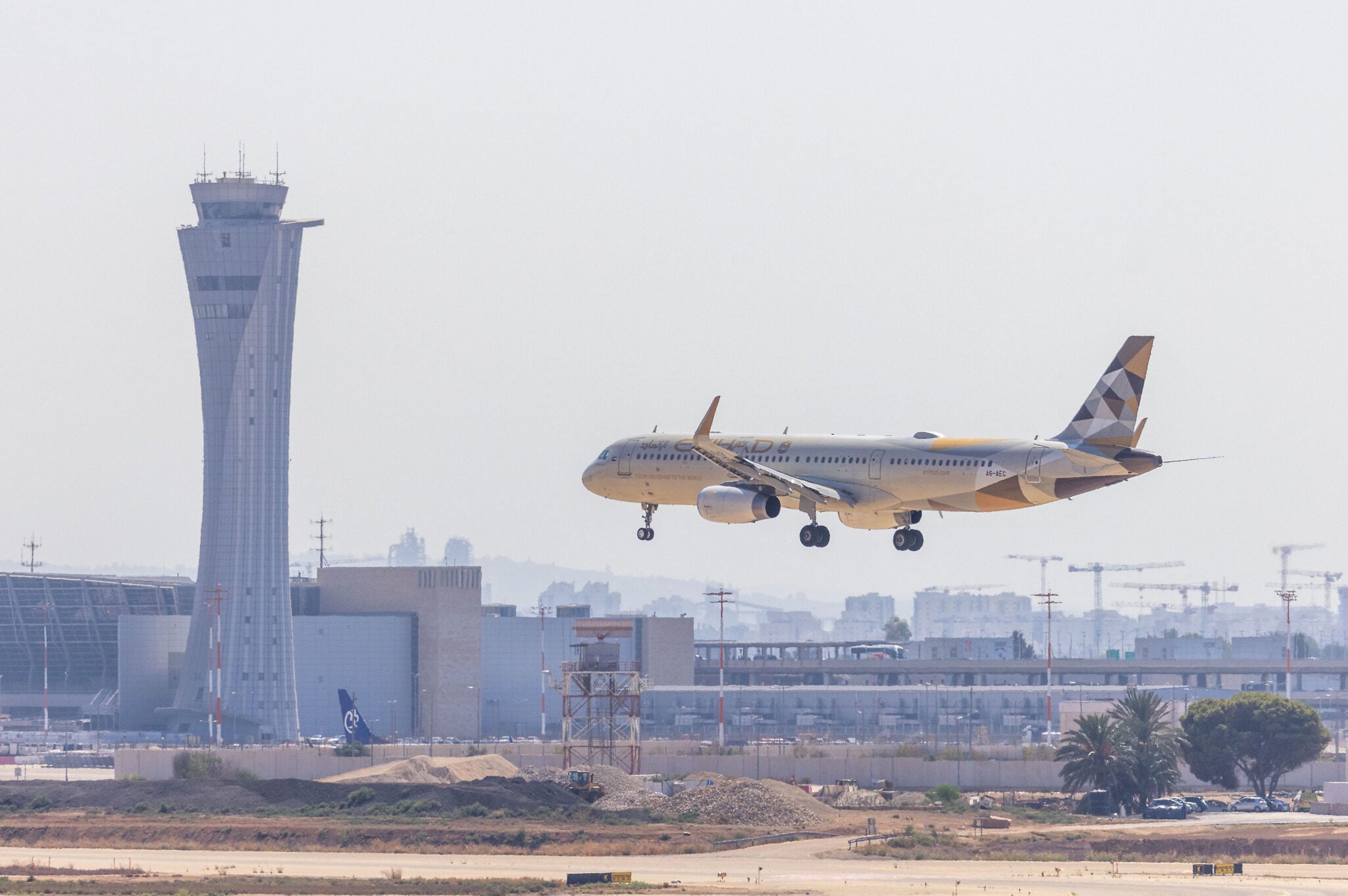
While there are no official tallies of how many activists have been deported or refused entry in recent years, the latest numbers published by the Population and Immigration Authority, or PIBA, show a sharp rise in 2025 of foreign nationals from the US and UK being refused entry over concerns that they will disturb public order, a category that includes activists critical of Israel.
In 2025, according to the figures, 138 Americans were refused entry for that reason, nearly triple the 49 barred in each of the two years prior. Another 315 British citizens were denied entry for the same reason, more than 30-fold the 10 UK nationals not allowed in in 2021, the only other year for which numbers are available.
Dozens of deportations a month
When police arrest a foreign national suspected of committing an offense, authorities can either pursue criminal proceedings in Israel or refer the case to PIBA, which determines whether the individual should be deported.
Arrests and interrogations of foreign nationals in the West Bank are led by a dedicated foreign nationals desk within the Judea and Samaria District Police’s central investigative unit.
According to Alon Sapir, an attorney who has represented foreign nationals questioned by police, dozens of foreign nationals have been deported from the West Bank each month since the unit was established some three years ago.
“Before that, deportations and denials of entry were practically nonexistent,” he said.
Police declined a request from The Times of Israel to provide details about the desk’s activities.
However, Sapir alleged that the squad actively searches social media for information about foreigners entering Israel who have been involved in anti-Israel activities.

“I’ve had cases where [police] went out into the field [in the West Bank] looking for a specific person, apparently because they had conducted mass background checks and found, for example, footage of someone participating in an anti-Israel protest in New York,” Sapir said.
Questions over olive harvest arrests
Several recent deportations have occurred following arrests of foreign nationals who were in the West Bank supporting Palestinians during the annual olive harvest, when there is often a rise in confrontations with settlers and increased fear of violence.
Activists who are detained by Israeli troops are usually transferred to police for questioning and can be deported if authorities determine they were involved in criminal offenses or took part in anti-Israel activities.
However, a review by The Times of Israel found discrepancies between several police statements issued over the past month regarding activists it kicked out of the country and the accounts of those deported.
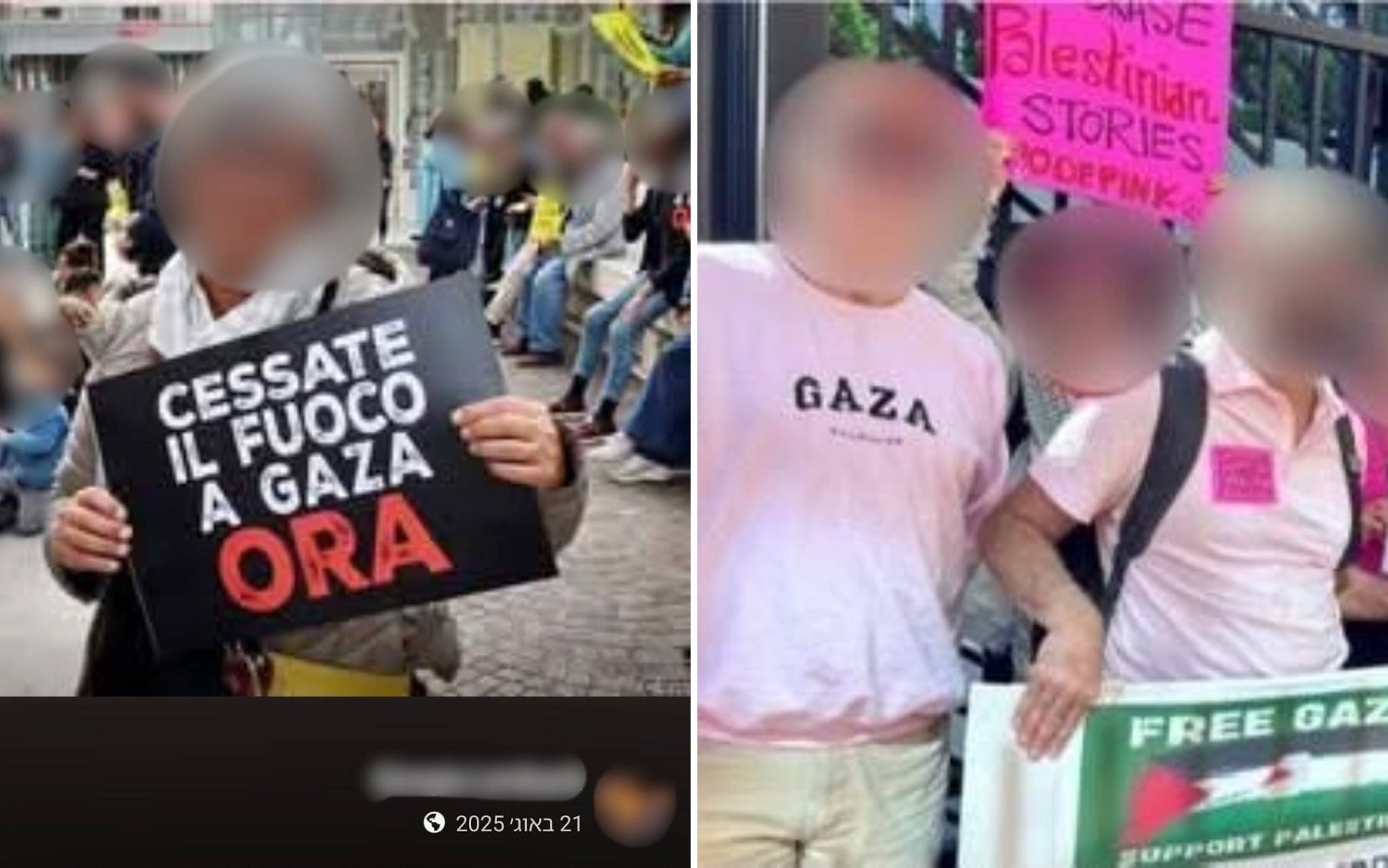
On November 8, police announced that 14 foreign nationals had been deported, saying that some were affiliated with the movement to boycott Israel. As with the other group of 14 deportees, those put on planes on November 8 had not been in the country together.
Police also published pictures of several people with their faces blurred participating in demonstrations against Israel, apparently abroad. In one picture, a person can be seen holding a sign in Italian reading “Ceasefire in Gaza.” Another shows what appears to be a Code Pink protest in which participants hold a Palestinian flag reading “Free Gaza.”
A Chilean journalist based in Italy who was one of the 14 told The Times of Israel that she was arrested on November 6 after traveling to a village near Ramallah to document Palestinians harvesting olives.
The journalist, who asked not to be named, said she was first questioned by police and accused of entering a closed military zone, although no such order was presented to her. Later, she said, immigration authorities interrogated her about her political views, including asking her “What do you think about the State of Israel?”
“The officers yelled at me. What scared me most was being surrounded by weapons and knowing the situation could escalate at any moment,” she recalled.
She was deported on November 8 and barred from entering Israel for 10 years.
Her lawyer, Inbar Shaked Vardi, told The Times of Israel that none of the 14 had been questioned by the police about incitement or boycotts of Israel. Instead, their sole supposed offense was suspicion of entering an area designated as a closed military zone, although they were not informed they had done so until after they were detained.
As the governing military authority in the West Bank, the IDF has the legal power to declare areas closed military zones on security grounds that it is not required to disclose, barring civilians from entering. Still, being present in an area after it has been declared a closed military zone does not in itself constitute a criminal offense. Refusing to leave or knowingly reentering the area in violation of the order, however, can constitute an offense.
Just over a week earlier, on November 1, police had announced the deportation of 14 other foreign nationals, saying they were accused of “disturbing public order and were questioned on suspicion of violating a lawful order and being present in a closed military zone.”
However, an Israeli activist who was with them told The Times of Israel that the foreign nationals were arrested and taken to a police station immediately after soldiers arrived and presented them with the order.

On October 21, police announced that two foreign activists had been arrested after “harvesting olives without coordination or authorization, with the encouragement of the Al-Haq terrorist organization in the South Hebron Hills.”
According to their lawyer, Alon Sapir, the two were not harvesting olives at all, but were documenting the demolition of buildings in a nearby village. During questioning, they were asked about their ties to Youth Against Settlements, he said.
Founded in Hebron in 2008, Youth Against Settlements describes itself as a Palestinian movement committed to nonviolent resistance against settlements. The organization has not been designated a terrorist organization by Israel.
The justification: Violation of visa conditions
Police did not formally respond to the allegations. However, a police source told The Times of Israel that “these foreign nationals enter the country on tourist visas and choose to take part in events that provoke tensions and damage the image of the State of Israel. That is why these procedures [of questioning and deportation] are carried out.”
PIBA told The Times of Israel that the activists had been deported in recent weeks for violating the conditions of their visas, including participating in volunteering activities.
“A foreign national entering Israel on a tourist visa declares that the sole purpose of their visit is tourism. Any other activity, including volunteering, employment or studies that have not been authorized under the appropriate visa, constitutes a direct violation of the visa conditions,” the authority said.
“In recent weeks, foreign activists who blatantly violated the conditions of their tourist visas have indeed been deported,” it added.
Several organizations in Israel, including some that receive state support, cater to Jewish families from abroad by offering volunteer opportunities as part of a tour of the country. These include packing food boxes for the needy or preparing meals for soldiers, including in the West Bank. There have been no known cases of participants being deported, an indication that enforcement may be selective.
PIBA’s website indicates that only those entering Israel to volunteer as part of an organized activity or group, such as a youth mission or to farm on a kibbutz, need apply for a special volunteer visa.
Michael Sfard, an attorney who has represented several foreign nationals denied entry to Israel over the past year, including Shenkin, argued against the authorities using visa conditions as justification to deport activists.
“I accept that Israel has the right to decide who enters Israel and who doesn’t, although as an Israeli I’m appalled that we would screen people based on political considerations,” he said.
He also argued that Israel has no authority to deport people from the West Bank.
“The West Bank is not the State of Israel. Israel is only temporarily administering that territory,” he said. “Israel cannot simply start deciding whom to allow in unless they pose a security threat.”
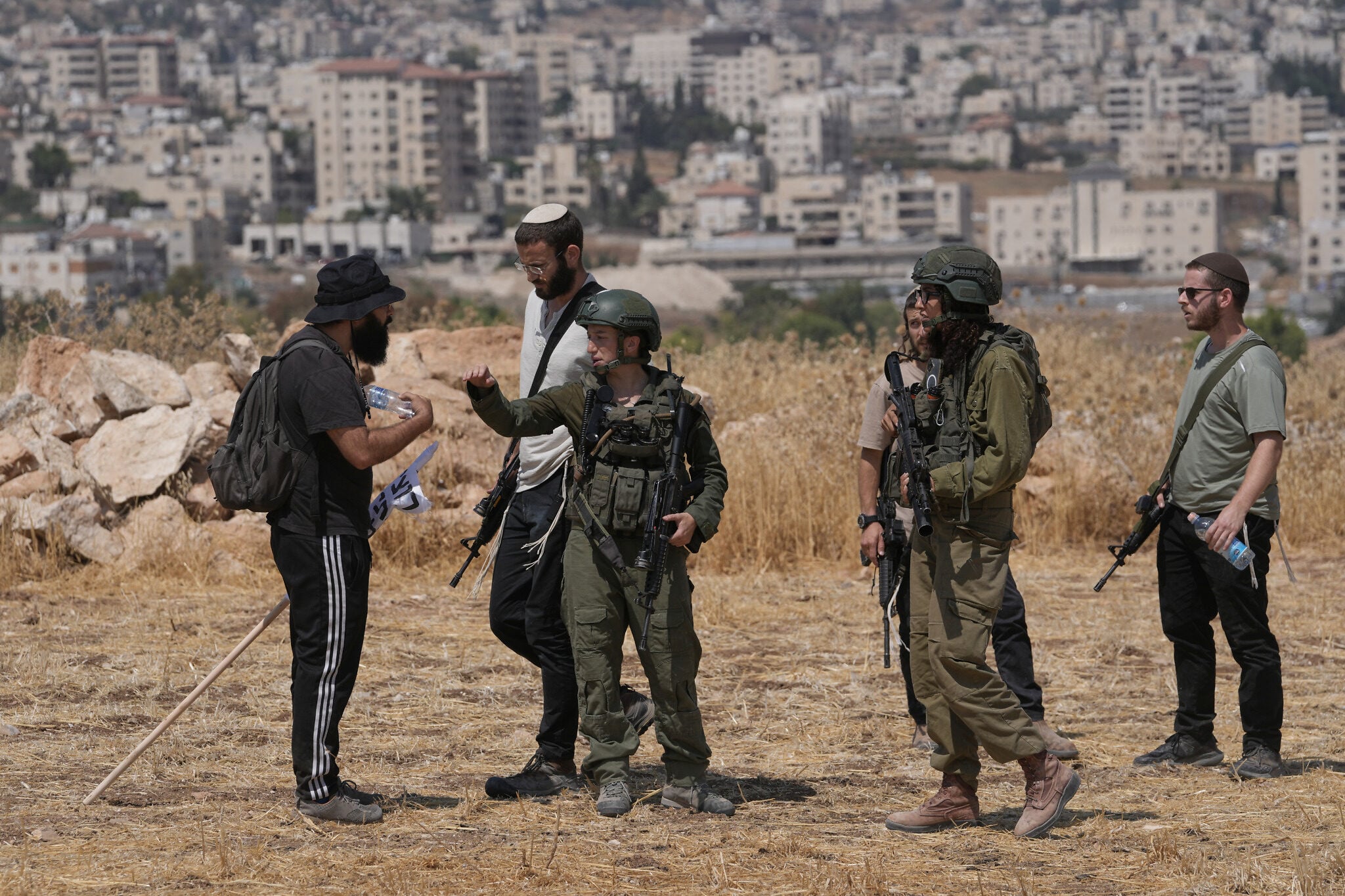
Lawyers representing deported foreign nationals allege that when activists are transferred from police custody to PIBA, the latter does not independently examine the police’s allegations but instead automatically moves to deport them, effectively serving as a rubber stamp.
PIBA, however, stressed that “decisions to deny entry or deport individuals are made based on a range of professional considerations, and each case is examined individually on its own merits.”
Immigration approval revoked
Unlike most of the other deported activists, Shenkin, the British volunteer, was never arrested or detained by authorities over his activities. Instead, he was simply informed by Israeli authorities in January that his electronic travel authorization had been revoked.
Six months earlier, according to Shenkin, he had been volunteering with Bnei Avraham near Jericho when he got into a confrontation with the security coordinator from the nearby settlement of Mevo’ot Yeriho. During the altercation, the security coordinator threatened to have Shenkin deported, he recalled.
The security coordinator demanded a photograph of Shenkin’s passport, which Shenkin subsequently provided.
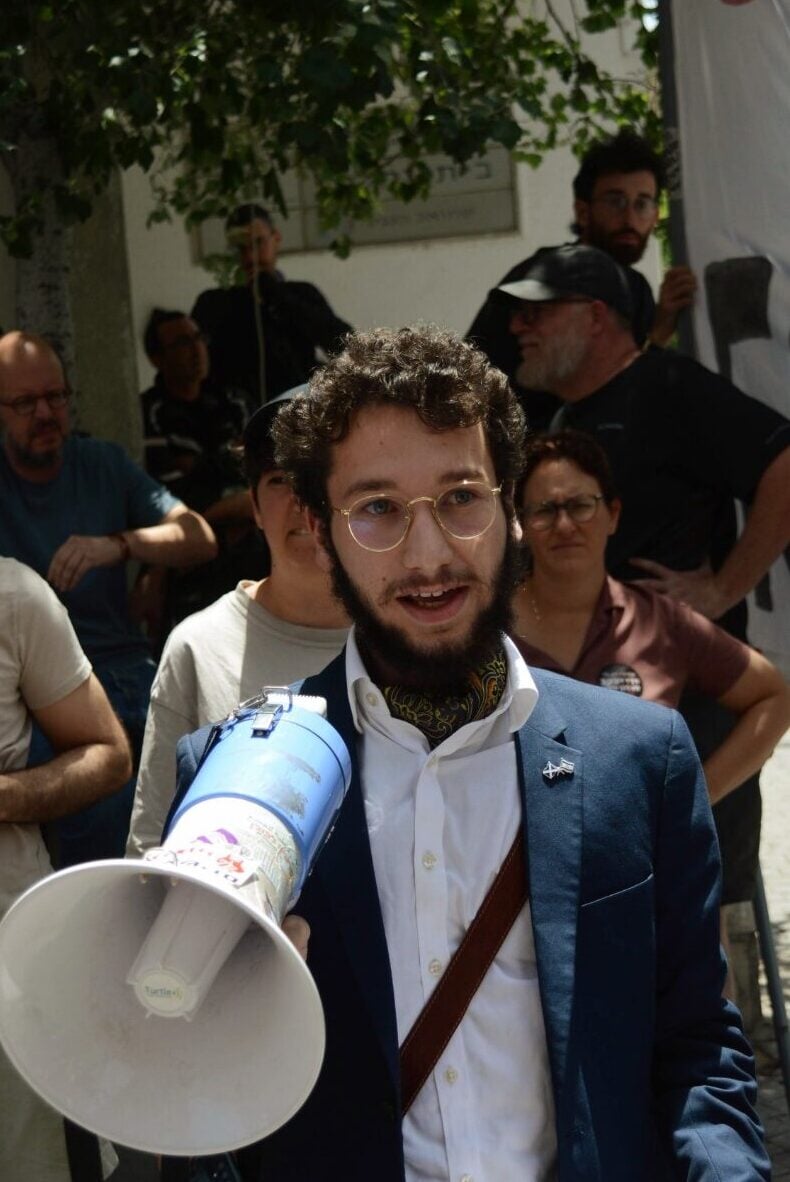
In November 2025, Shenkin began the process of immigrating to Israel under the Law of Return, but in August, after having returned to Britain, he received official notification that his application had been rejected.
At around the same time, an American Jewish activist who had been detained by soldiers while volunteering with Rabbis for Human Rights in the West Bank in June 2025 was informed that her immigration application had also been turned down. She had also been barred from re-entering the country.
Shenkin’s case and that of the second activist, who asked that her name not be used, were raised during a hearing of the Knesset’s Immigration, Absorption and Diaspora Affairs Committee in October.
During the meeting, a PIBA representative denied that their immigration had been rejected, saying the matter was still being looked at, while indicating that decisions regarding their status had been made on the basis of police recommendations, though the two had never encountered the police.
The committee chair, Democrats MK Gilad Kariv, accused authorities of “political harassment… of young people who want to immigrate to Israel [whose] opinions don’t fall in line with the government.”
The Population Authority did not respond to The Times of Israel’s questions regarding Shenkin’s case.

However, it said that “in exceptional cases where official, substantiated recommendations are received from other relevant authorities, the circumstances are carefully examined and a decision is made accordingly, including the possible revocation of a residence visa or [entry] authorization.”
Shenkin, who has appealed the PIBA decision and plans to turn to the High Court if necessary to resume his immigration process, said he had been stonewalled by the Population Authority for months when he asked for an explanation.
Eventually, it informed him by email that he had been barred under a provision of the Entry into Israel Law banning individuals who knowingly issue public calls to boycott Israel, deny the Holocaust or the October 7 massacre, or support the prosecution of citizens before international courts.
Shenkin categorically denied engaging in any of these activities, saying he was deeply hurt by the allegations.
“I’m a passionate Zionist — a left-wing Zionist, I admit. A religious Zionist as well, I admit,” he said, speaking with evident pain from his parents’ home. “But I’ve never broken the law, not in the UK, not in Israel.”







The Times of Israel Community.