

Integrating AI into defense, states seek delicate balance between armies and industry
As new tech seeps onto battlefields, militaries and governments grapple with ‘fine line’ of entrusting private companies with national security, potentially risking sovereignty
 Add ToI as a Preferred Source on Google
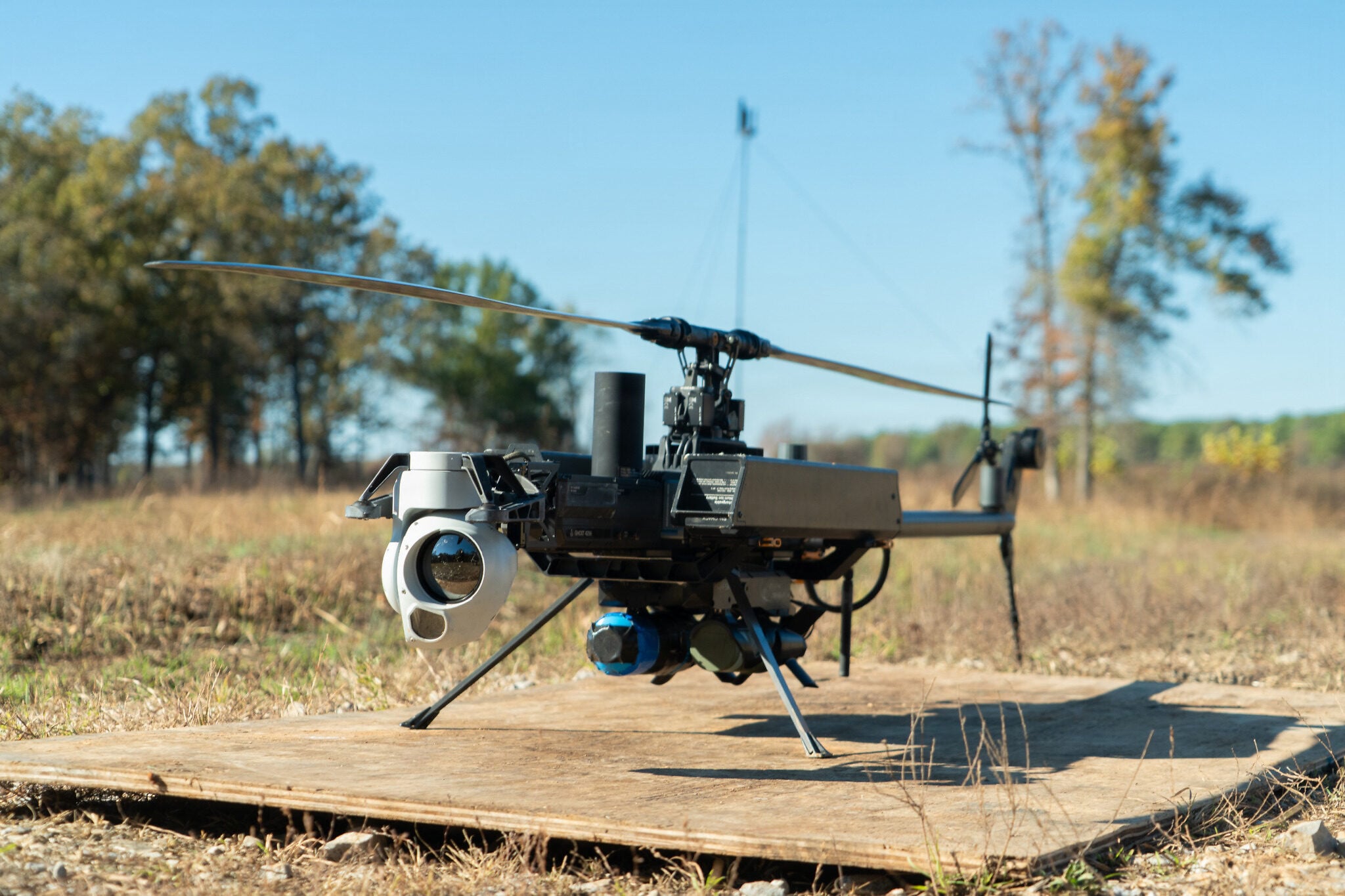
IZMIR, Turkey (AFP) — The rapid integration of high tech and artificial intelligence into the armed forces presents a tricky dilemma: entrusting part of their future to private companies while risking their sovereignty.
On one side are digital and mission-critical technology specialists driven by market forces and controlled by private capital demanding profits, independent of any political control.
On the other are military leaders who answer only to political authority and are obsessed with strategy, hierarchy and the sacrosanct nature of defense secrecy.
Between them is the race to connect the battlefield, from troop coordination to real-time terrain analysis, generating terabits of data which can decide a war’s outcome and the fate of many lives.
Beyond the even more complex issue of so-called killer robots, one example sums up the defense challenge: the civilian Starlink satellite network and its military counterpart, Starshield, which Ukraine desperately needs.
Since Russia’s invasion in 2022, Kyiv has faced restrictions on access to Starshield, owned by Elon Musk’s SpaceX, leaving a Sword of Damocles hanging over Ukraine’s armed forces.
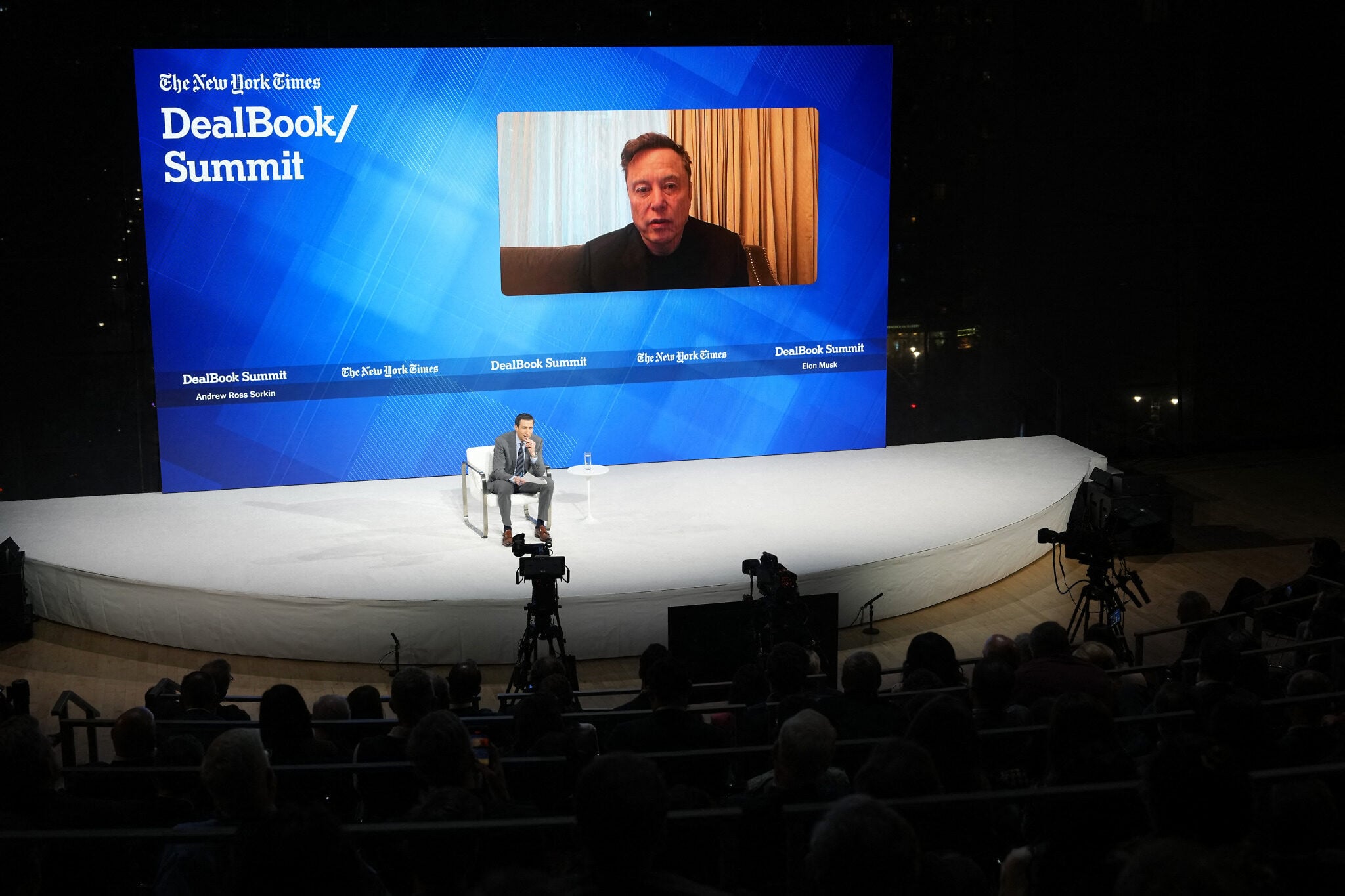
Musk has shifted his stance on Ukraine many times, insisting any disruption was the responsibility of Washington, not SpaceX.
‘A fine line’
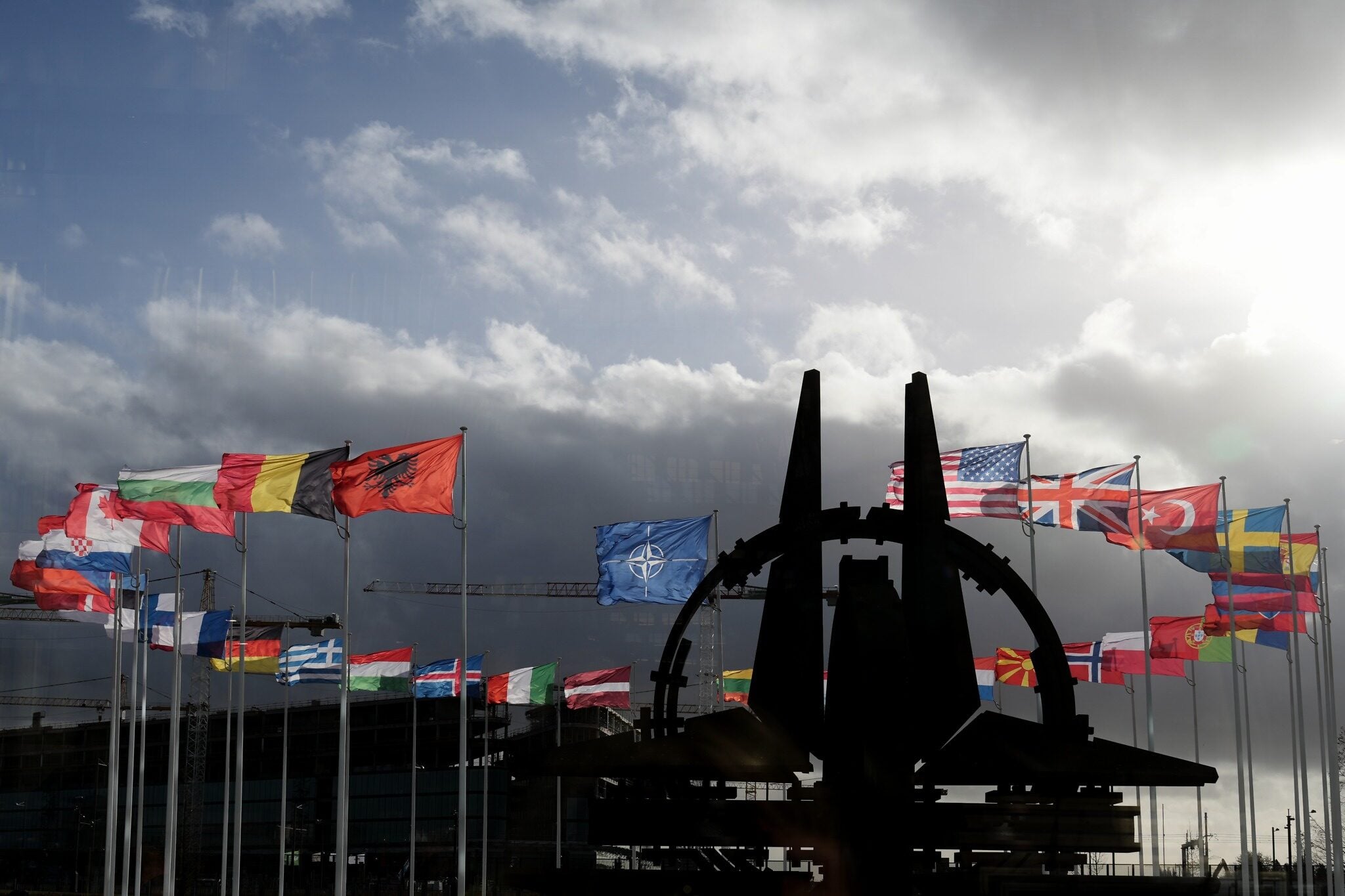
The issue loomed over NATO Edge this week, a three-day conference on critical technologies and digital warfare where military chiefs, government officials and defense experts from NATO’s 32 member states and Ukraine gathered in Izmir, Turkey.
“This is a difficult issue, one many ministries of defense are grappling with,” analyst Tom Barton with intelligence firm Janes told AFP.
For companies “to deliver the so-called ‘networked battlefield,’ some access ideally needs to be given” to confidential data, he explained.
“From space to land-based sensors and military communications, defense establishments are experimenting with standalone exercises and varying levels of trust and access,” Barton said.
But militaries — without safeguards — cannot entrust their fate to developers, who are often focused primarily on civilian needs.
“There is a lot of push or advocacy for military and government to have a closer relationship with industry,” a US company representative told AFP on condition of anonymity.
“But there’s a fine line. You turn on the news and you see Elon Musk doing shit in Ukraine like slowing down the internet,” he fumed.
With boundaries constantly shifting, military leaders have little choice but to compromise.
“You don’t need to be 100% sovereign, but sovereign enough,” he explained.
‘The problem is the trust’
For Maj. Gen. Rainer Beeck, one of NATO’s top cyberspace commanders, it is “a hard nut to crack.”
“You have to make choices about which classification you make, for which data… The problem is the trust,” he said.
Admiral Pierre Vandier, NATO’s Supreme Allied Commander Transformation (SACT), likewise insisted that “trust… is the most important thing.”
“Trust in architecture, in data sharing, in AI agents, in decision-making tools,” he said. “We need to close the fighter-factory gap. Ukraine did it.”
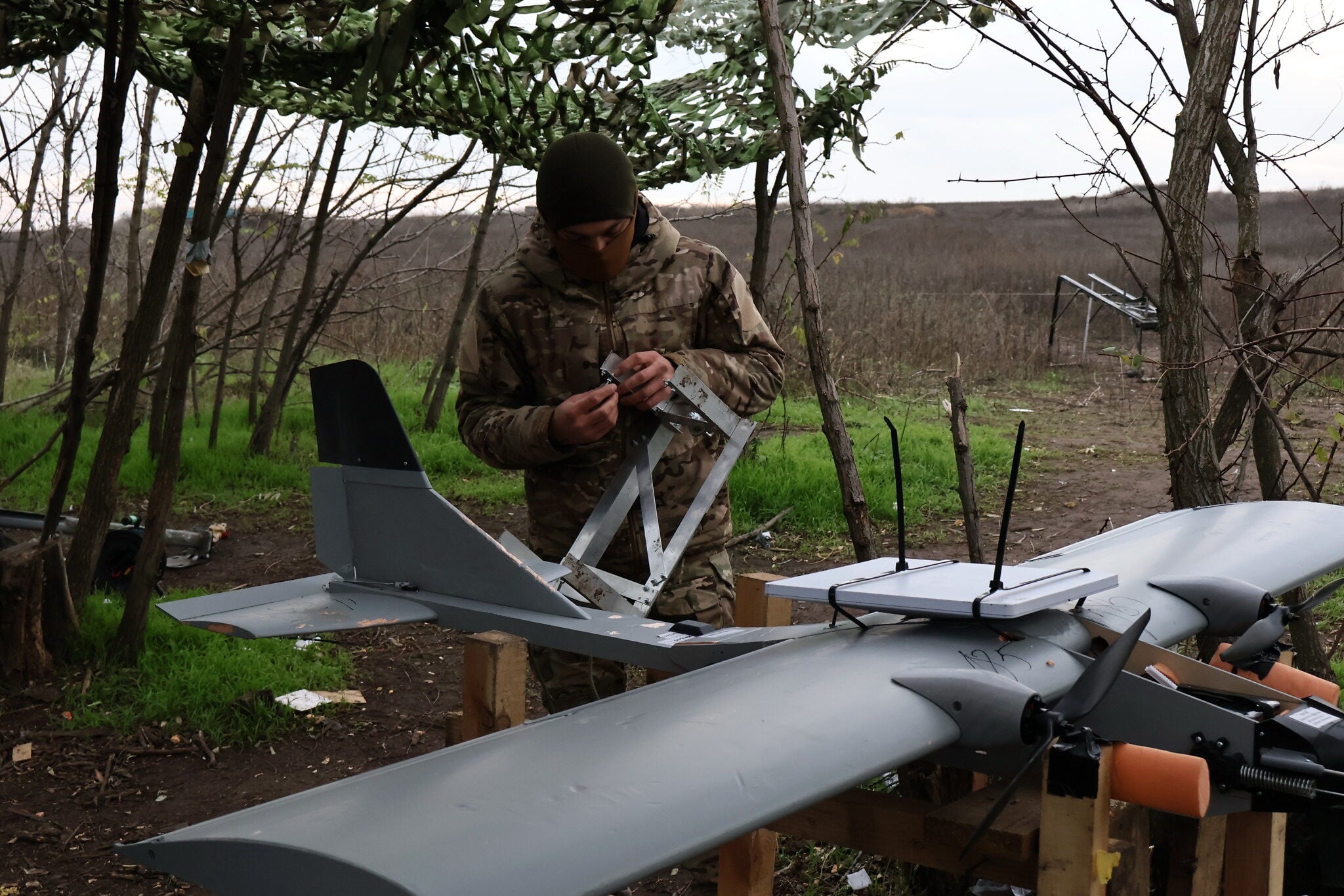
Nearly five years of war have given Kyiv more experience than anyone else in NATO. The dynamics also vary according to the size of national defense budgets.
For large powers, “data collection is not the problem… If war would start, we would get [it]. The problem then is it’s too late to organize,” Beeck said, calling for a more proactive approach.
Smaller governments need “to build up their capacity,” said Mitch Free, vice president of international government at Vantor, which provides satellite imagery for defense and intelligence agencies.
Many may only own a handful of satellites and must weigh their intelligence value against the cost of building and operating them.
“This is where commercial… helps fill the gap,” he said.
Ultimately, the real debate is about the best way to use AI.
“The bottleneck is often not technology, but permission: classification boundaries, national rules and trust decisions,” said Jean-Charles Ellermann-Kingombe, NATO’s cyber and digital transformation chief.
The alliance must make “AI adoption possible at scale,” with these capabilities “secure, interoperable and deployable within NATO’s infrastructure… by personnel who understand their value and their limitations,” he added.










The Times of Israel Community.