

Lebanese army arrests three accused of smuggling explosives from Syria
Officials don’t name Hezbollah as recipient of shipment of over 260 kilograms; source says material was brought in via ‘illegal crossing point’
 Add ToI as a Preferred Source on Google
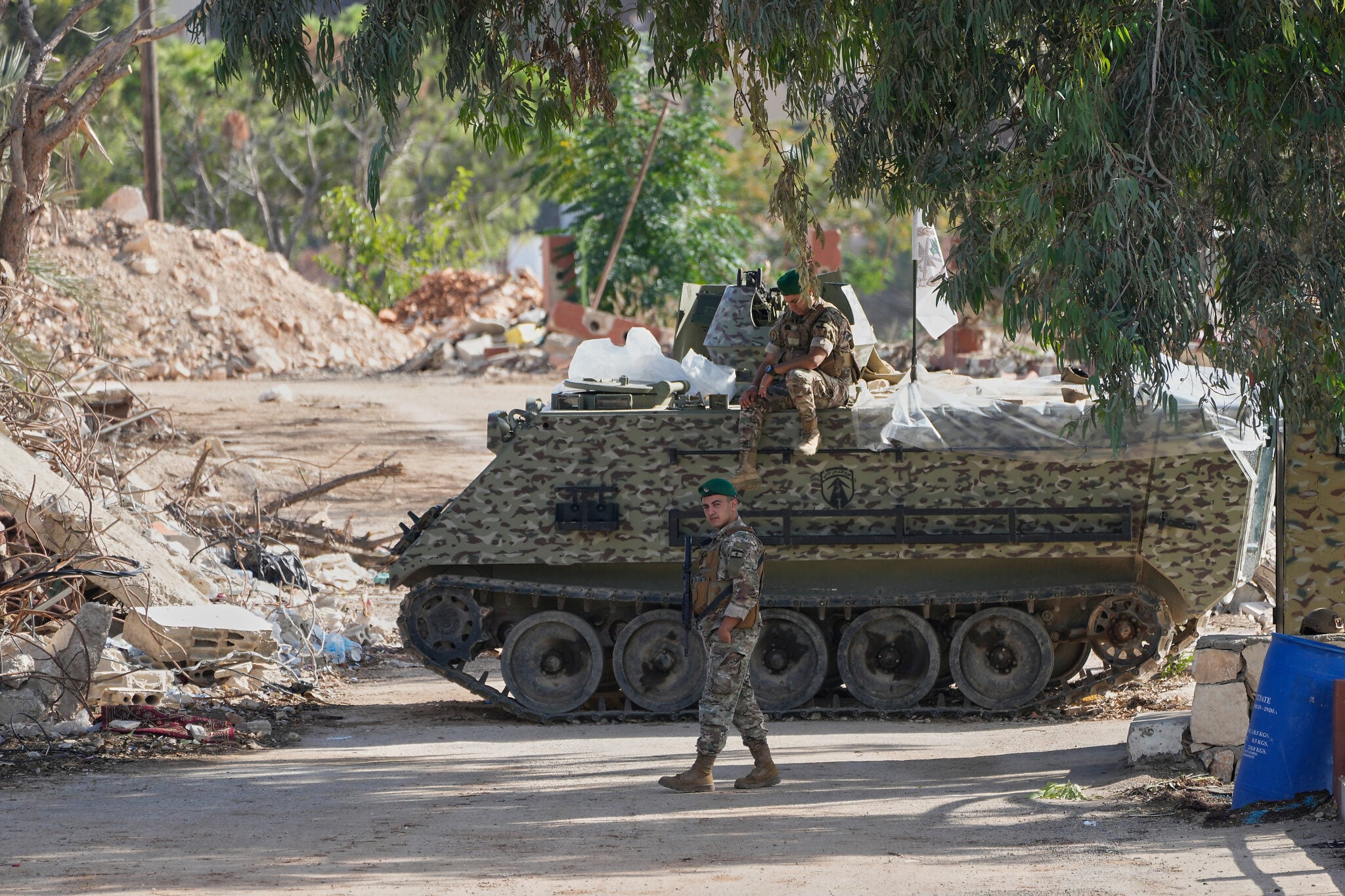
BEIRUT, Lebanon — Lebanon’s army on Sunday announced the arrest of three people accused of smuggling more than 260 kilograms (573 pounds) of explosives from Syria, after a separate shipment belonging to Hezbollah was seized last month.
“As a result of surveillance and monitoring operations along the northern and eastern borders, an army unit seized approximately 264 kilograms of explosives… smuggled from Syrian territory,” the army said in a statement.
It said three suspects had been arrested and an investigation launched.
The development was the latest sign of a dramatic shift in relations between Hezbollah and Lebanon after two wars between the Iran-backed terror group and Israel in the past three years.
For decades, Hezbollah moved weapons freely in parts of Lebanon. That changed in March, when the government declared the group’s military activities illegal following the outbreak of the latest war.
A Lebanese security source also told AFP the explosives entered Lebanon from Syria via rugged terrain and an “illegal crossing point,” adding the three arrested men were “civilian smugglers with no party affiliation.”
بتاريخ ٢١ / ١١ / ٢٠٢٦، نتيجة عمليات الرصد والمراقبة للحدود الشمالية والشرقية، ضبطت وحدة من الجيش في منطقة الدورة – مشاريع القاع حوالي ٢٦٤ كلغ من المواد المتفجرة (حوالي ٢٠٣ كلغ من مادة C4 و ٦١ كلغ من مادة TNT) المهرَّبة من الداخل السوري، وأوقفت المواطنين (ا.ف.) و(ز.ر.) و(ز.ر.)… pic.twitter.com/GaOn4sqC1t
— الجيش اللبناني (@LebarmyOfficial) November 22, 2026
The publication of the interdiction operation came a day after Lebanon’s President Joseph Aoun blasted Iranian interference in Lebanese affairs, including supplying weapons to Hezbollah.
While the army’s statement did not mention Hezbollah, pressure has been mounting on the Iran-backed group.
A judicial source told AFP on Wednesday that five Hezbollah members had been charged with recruiting and arming others. The five were arrested earlier this month in northern Lebanon, a predominantly Christian region far from Hezbollah’s main strongholds, the source said.
They were charged with “forming an armed group, recruiting members, equipping them and supplying them with weapons,” it added.
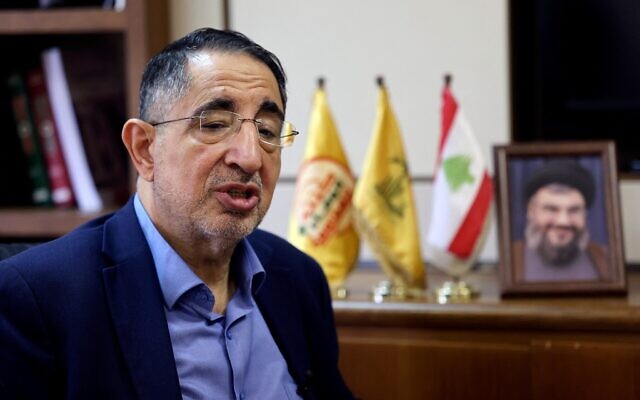
A Hezbollah MP on Friday slammed the decision, saying the individuals had been “arbitrarily detained.”
“This unacceptable and condemnable prosecution… constitutes a dangerous course of action,” said lawmaker Hussein al-Hajj Hassan.
“It raises serious questions about the motives and objectives behind these practices,” he added.
Hezbollah media officer Youssef al-Zein said last week that only one of the five was a member of the group and had not been carrying out a “party-related mission at the time of his arrest.”
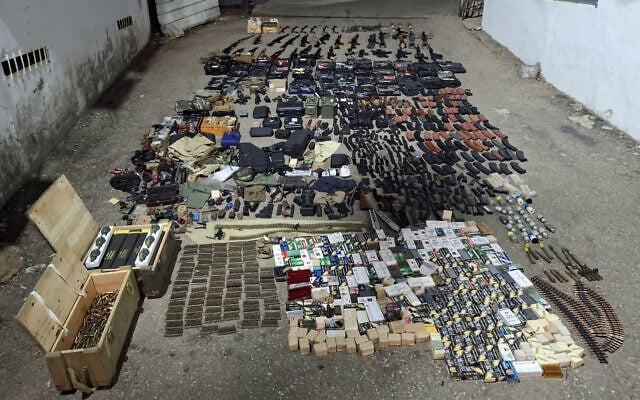
Earlier this month, the Lebanese army said it seized “a large quantity of weapons and military ammunition” during a raid in Beirut’s southern suburbs, known as a stronghold of the Hezbollah terror group.
Last month, a Lebanese court charged 13 people for their alleged involvement in shipping explosives to Hezbollah, after authorities seized the half-ton cargo.
In a rare acknowledgement, the group said the vehicle and its load “belong to the resistance” against Israel and demanded that the shipment be returned.
Two days after the cargo of explosives was seized, Israel carried out a rare airstrike in Lebanon’s eastern Beqaa Valley, with the IDF saying it targeted a weapons shipment destined for Hezbollah.
Hezbollah, whose arsenal has long outstripped that of the national army, pulled Lebanon into the Israeli and American war with Iran on March 2 in support of its Iranian patrons, prompting massive Israeli airstrikes and a subsequent ground invasion of southern Lebanon. An agreement between Jerusalem and Beirut to halt the conflict was reached in June, though sporadic fighting has continued.
The Shiite terror group has refused to comply with the deal, which calls for the IDF to withdraw from areas of southern Lebanon it holds in parallel with the deployment of the Lebanese army, starting with so-called pilot zones, under the condition that Hezbollah disarms. The Iran-backed terror organization has refused to do so despite heavy pressure from the country’s non-Shiite leaders and international actors.
Israel has said Beirut’s efforts to disarm the terror group were encouraging but insufficient, and that Hezbollah is rearming faster than it is being disarmed.
Lazar Berman and Emanuel Fabian contributed to this report.






The Times of Israel Community.