

Trump weighs return to large-scale Iran strikes: ‘I have a big decision coming up’
President says will meet with Gulf leaders at UNGA next week before determining next steps; State Dept. confirms Iranian delegation will attend; Iranian crypto exchange hit with sanctions
 Add ToI as a Preferred Source on Google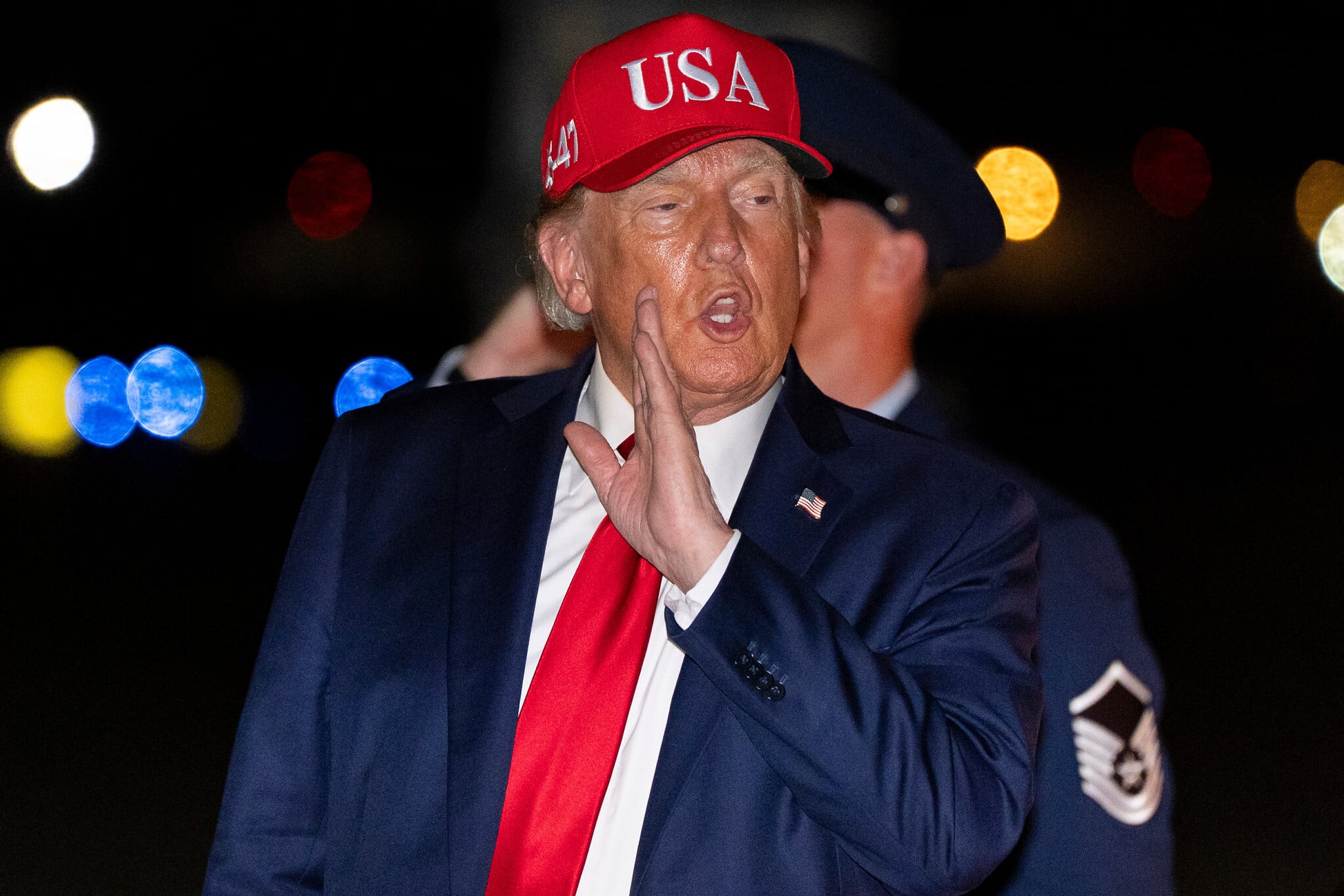
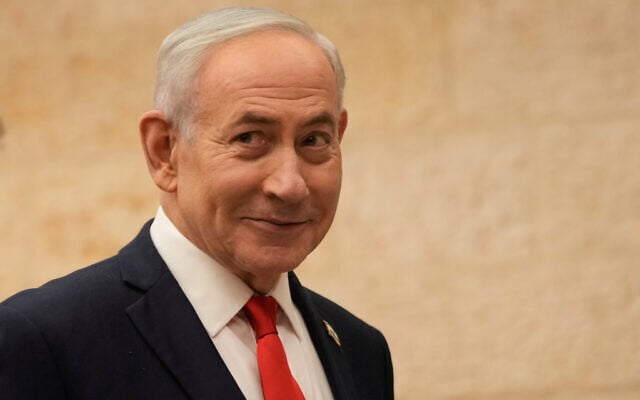
US President Donald Trump said on Thursday that he was approaching a major decision on whether to resume large-scale attacks on Iran, as Washington weighs how to bring the months-long war to an end, according to a report published by Barak Ravid of Israel’s Channel 12 and US news outlet Axios.
“I have a big decision coming up. Do I want to go in and annihilate them [the Iranian regime] or do I not?” Trump told Ravid in a phone interview. “It’s a big decision. Anything could happen with me.”
The comments come days before Trump was set to meet the leaders of Saudi Arabia, the United Arab Emirates, Qatar, Bahrain, Kuwait and Oman on the sidelines of the UN General Assembly in New York on Tuesday, with the future of the Iran war expected to be a central focus.
Trump said he intends to use the meeting to gauge the Gulf states’ positions before determining his next steps against Iran.
“I want to find out where they are and how they are doing,” Trump said. “We have been very protective of them.”
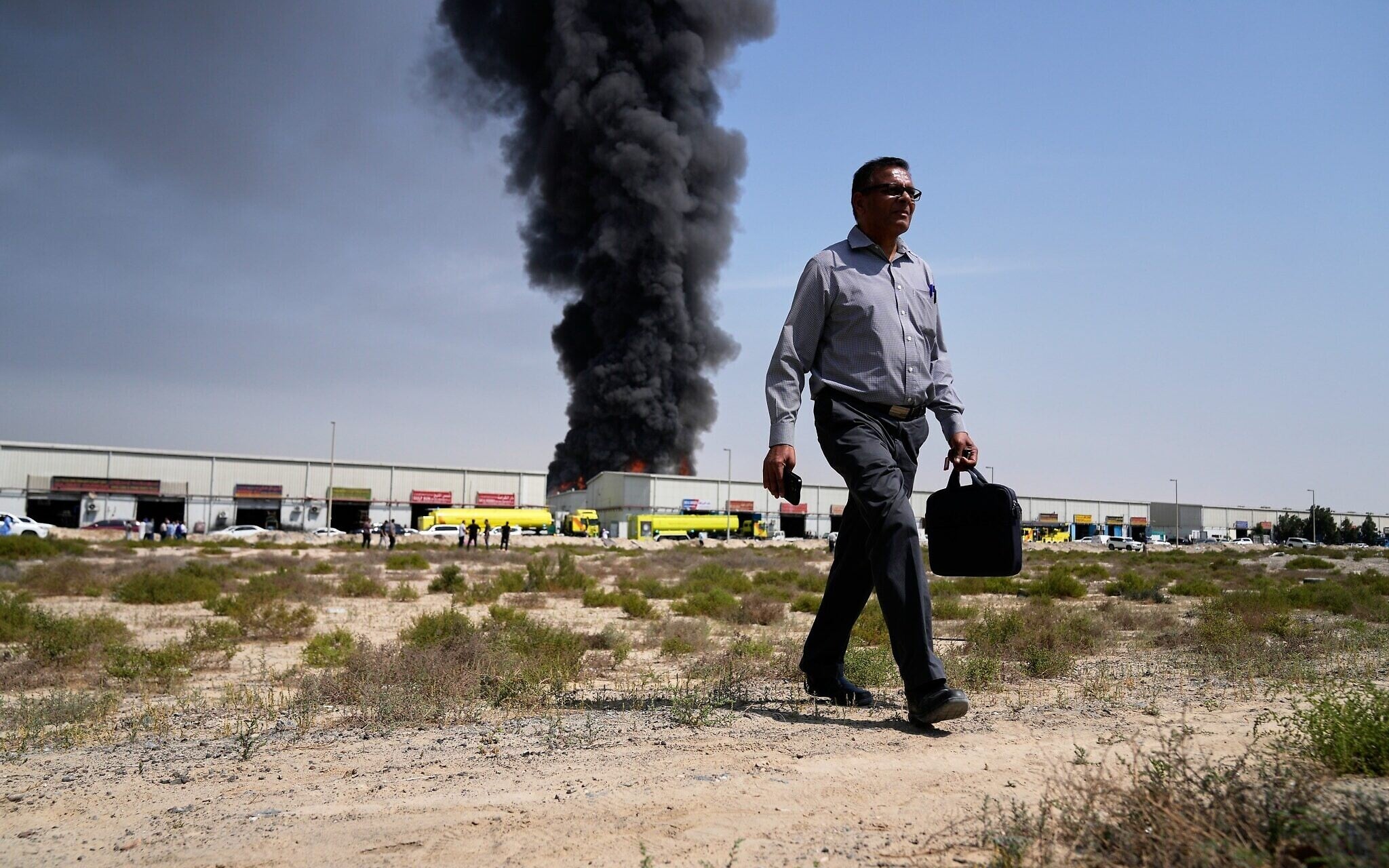
The Gulf states have been repeatedly targeted by Iran since Israel and the US launched the war against the Islamic Republic on February 28.
According to Ravid, Trump has not said whether he will make a decision on what steps to take before the US midterm elections in November or whether he will wait until after.
US officials warned that the current military posture is difficult to sustain indefinitely, with one telling Ravid, “At some point you have to decide what is the endgame.”
The US and Israel launched the war on February 28 with the stated goals of eliminating Iran’s nuclear and ballistic missile threats, destabilizing the regime, and weakening its network of regional proxies.
Iran retaliated with attacks across the region and blockaded the Strait of Hormuz, through which one-fifth of world oil supplies previously flowed — a move that has sent oil prices soaring and caused global economic fallout.
Hostilities between Israel and Iran have been halted since early April — with one exception in June — but violence has periodically flared between the US and the Islamic Republic, with the Gulf states bearing the brunt of Iran’s anger.
With the military offensive largely halted, the US has instead turned to economic pressure and sanctions to try to force Iran to reopen the Strait of Hormuz — which it has not yet done.
Iranian crypto exchange hit with Hormuz-related sanctions
The US has, however, continued to target the Iranian economy.
On Thursday, the US Treasury announced sanctions on an Iranian cryptocurrency exchange controlled by sanctioned Iranian financier Babak Zanjani, accusing it of processing payments for ships to transit safely through the Strait of Hormuz.
The Treasury said BitBank has routed hundreds of millions of dollars to the Islamic Revolutionary Guard Corps and described the exchange as a key component in Iran’s digital assets-based sanctions-evasion infrastructure. The exchange was used to transfer funds paid to Iran’s newly established Hormuz Safe Marine Services Authority, the Treasury says in a statement.
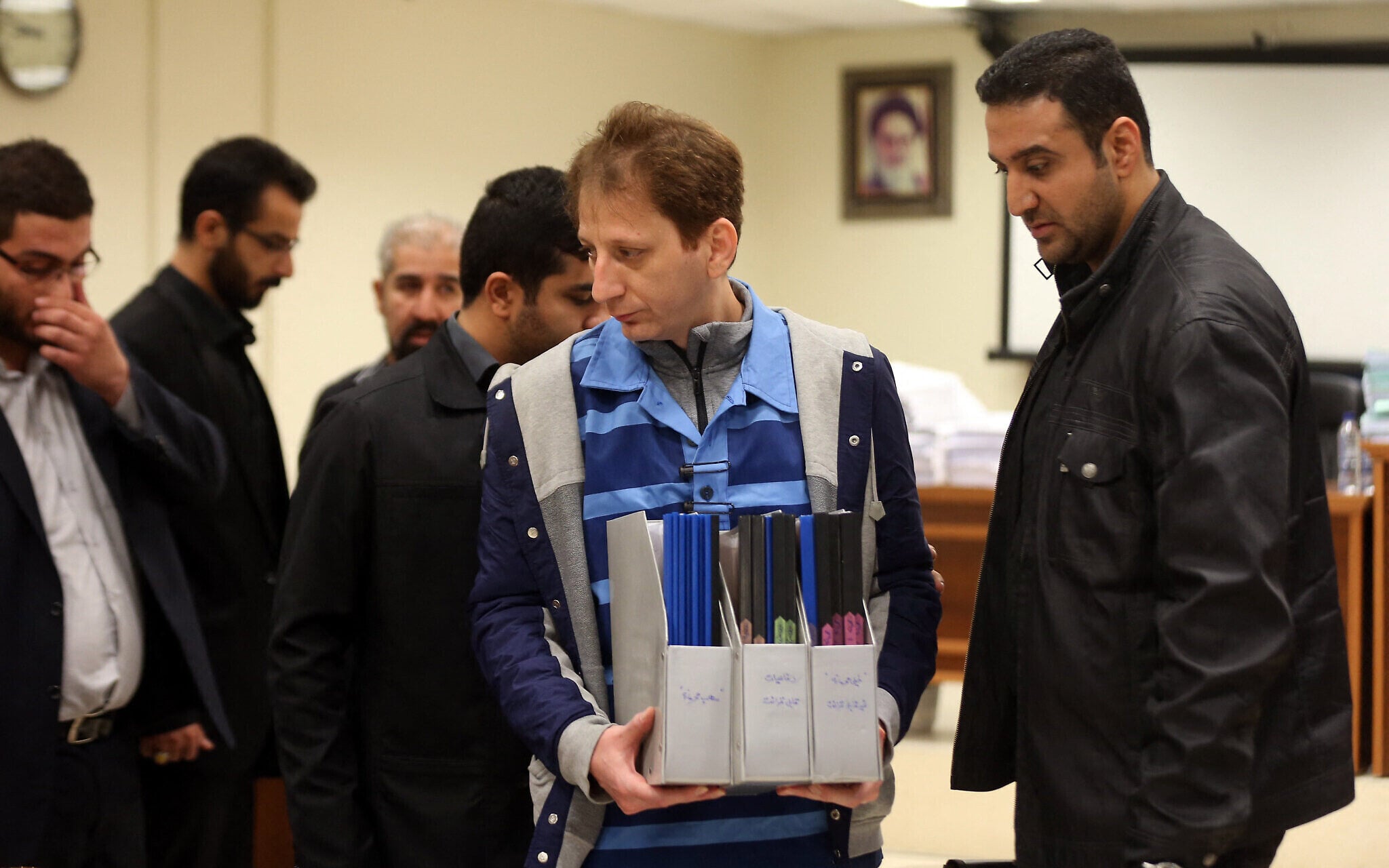
Zanjani has long been a key figure in Iran’s sanctions-evasion networks. He was sentenced to death by Iranian authorities in 2016 for embezzlement. His sentence was commuted in 2024. The following year, he re-emerged as a backer of Iranian government economic projects.
The designation is part of the Treasury’s “Operation Economic Outcast” intended to isolate Iran economically and disrupt Iran’s global financial, commercial, and logistical networks, according to the statement. The strategy has targeted Iran’s illicit oil trade, financial intermediaries, exchange houses and shipping, aviation and front companies.
The US also sanctioned Pishtaz Simorgh Electronic Trade Company, the software developer behind BitBank, and three close associates of Zanjani, Hossein Ali Zaker Hossein, Mohammad Mahdi Zaker Hossein and Seyed Adel Heidari.
Reduced Iran delegation to attend UN General Assembly
But despite the seven-month-old war and the ongoing US pressure campaign, a State Department spokesperson confirmed on Thursday that Washington would still allow an Iranian delegation to attend the United Nations General Assembly in New York next week.
“Consistent with our host country obligations, the core delegation from the Iranian regime will be able to attend UN General Assembly High Level Week,” the spokesman said.
A source familiar with the matter confirms that this will also cover the Iranian president.
The delegation will still face restrictions, however.
“The delegation will be under travel restrictions and will face prohibitions on the purchase of luxury and other goods per our policy. The delegation is smaller than last year,” a State Department spokesperson said.
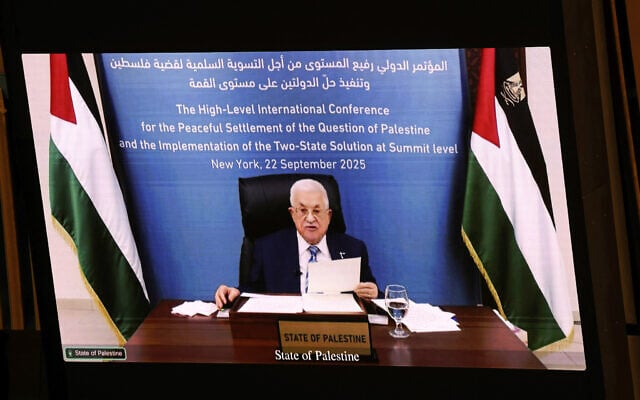
Despite allowing Iran’s entry, the US blocked Palestinian Authority President Mahmoud Abbas and a number of Palestinian officials from attending the General Assembly, forcing him to address the assembly remotely for the second year running.
Times of Israel staff contributed to this report.






The Times of Israel Community.