

Israel adds tender for 2,167 housing units to E1 settlement plan, rights group says
Tender to open two days before election; settlers seen setting fire to olive trees; Palestinians in Jordan Valley say work on new security barrier is blocking them from their homes
 Add ToI as a Preferred Source on Google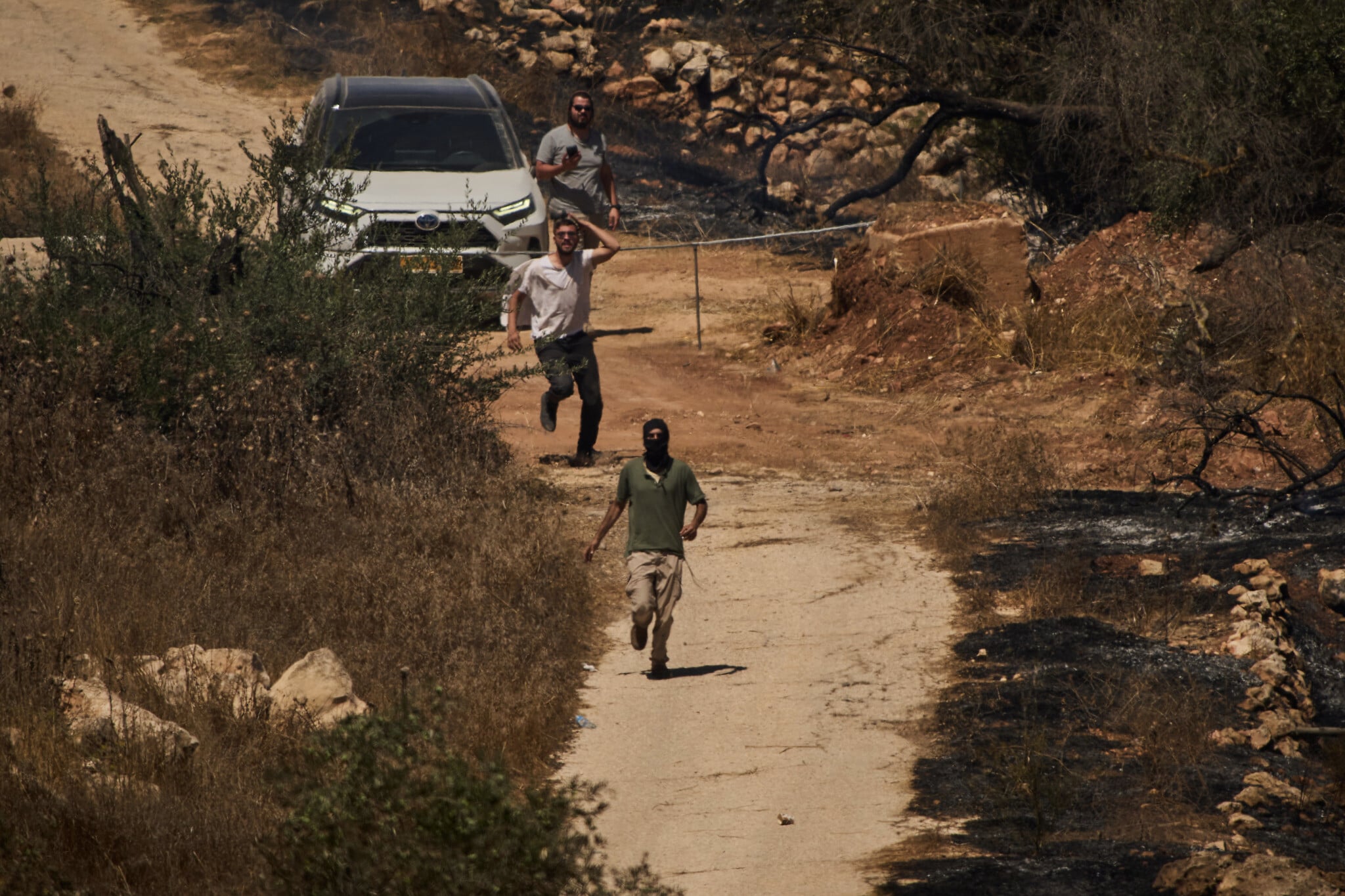
Israel has added a tender for 2,167 housing units to its E1 settlement expansion plan, a left-wing Israeli rights group said, referring to a controversial project near Jerusalem that critics — and proponents — say undermines prospects for a future Palestinian state.
The new tender is in addition to a previous tender for 1,234 units announced at the end of August, bringing the total number of housing units to 3,401, rights group Ir Amim said in a statement on Wednesday night.
Finance Minister Bezalel Smotrich greenlit the construction of roughly 3,400 housing units as part of the E1 settlement expansion plan in August 2025, saying that it “practically erases the two-state delusion” by splitting up territory that would be slated for a Palestinian state.
The E1 expansion intends to connect the Jerusalem and Ma’ale Adumim areas, while seemingly scuttling the prospect of a contiguous Palestinian presence between the population centers of Bethlehem, East Jerusalem and Ramallah — long considered the basis for a Palestinian state.
The project was frozen for long years amid fierce opposition from the international community, including past US administrations
The new tender is scheduled to open for bidding on October 25, two days before the 2026 Knesset election.
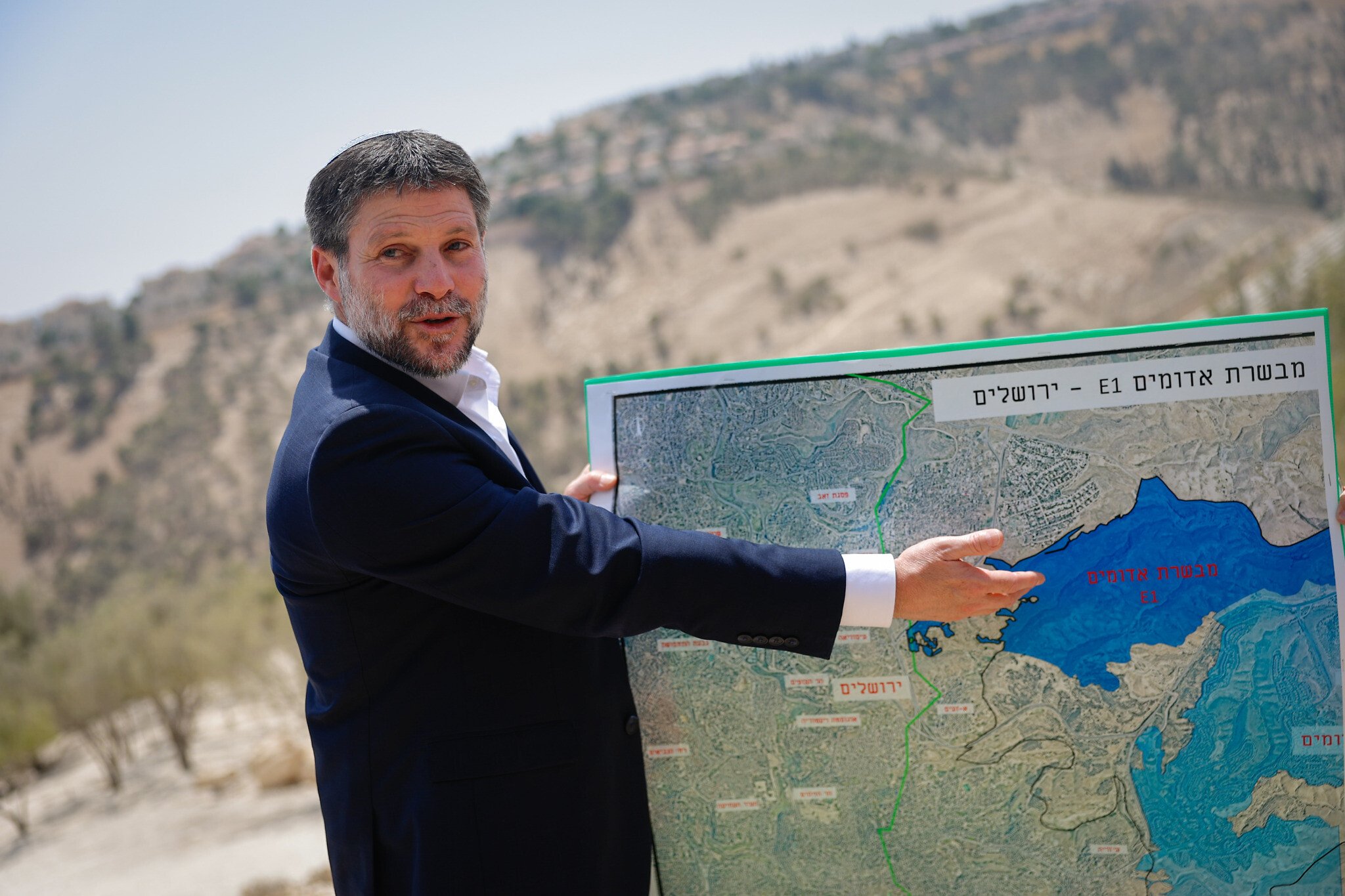
Ir Amim said the bidding date showed the government’s resolve to push ahead with the E1 project and “create an increasingly irreversible reality on the ground ahead of the elections.”
The Prime Minister’s Office did not immediately respond to a request for comment.
Palestinian Authority President Mahmoud Abbas condemned the newest tender on Thursday, reiterating that it was in violation of international law.
Many Western states and campaign groups have opposed the E1 settlement project over concerns that it could undermine a future peace deal with the Palestinians. The United Kingdom, backed by several nations, announced sanctions targeting Israeli settlements in the West Bank earlier this month, largely in response to the E1 project and mounting settler violence.
Israel’s current government, including Prime Minister Benjamin Netanyahu, has reiterated its opposition to the two-state solution and the creation of a Palestinian state.
The push for the E1 expansion comes amid an unchecked spate of settler violence against Palestinians, which critics have accused the government and military of ignoring, or even encouraging.
Extremist settlers have also engaged in a campaign of violence and harassment against Palestinians in rural communities, leading to the depopulation and dispossession of dozens of them.
Over the last four years, the government built and approved for construction an unprecedented number of settlements and settlement housing units in the West Bank, alongside the construction of some 200 illegal settlement outposts and farming outposts in the territory.
On Thursday, Palestinian media outlets published footage showing several settlers, most of them masked, throwing stones at the village of Burqa, in the Ramallah area.
شاهد | جانب من هجوم المستوطنين على أراضي المواطنين وإضرامهم النار فيها في بلدة برقا، شرق رام الله pic.twitter.com/7QSyGKR5Wu
— شبكة فلسطين للحوار (@paldf) September 17, 2026
One settler was filmed setting fire to an area near the village where olive trees are grown.
Another was also seen firing a handgun at the village, although there were no reports of injuries.
Elsewhere in the West Bank, Palestinians reported that for the past two days, Ras al-Ahmar, a Palestinian community in the Jordan Valley home to some 40 families, has been blocked to vehicles from all sides due to construction work on a security barrier that the IDF says is intended to prevent smuggling across the Jordanian border and thwart terror attacks in the area.
The security barrier consists of a dirt road for military vehicles, trenches and mounds of earth.
Thaer Basharat, a resident of the community, told The Times of Israel that because of the trenches dug around the area, it is no longer possible to enter or leave by vehicle. He said that he was forced on Wednesday to cross the trenches on foot in order to leave, despite having a disability that makes walking difficult.
According to another resident, who asked not to be named, the army is also preventing residents from passing through an area that is not blocked by the trenches, having declared it a military road open only to IDF vehicles, despite it normally being used by the locals.
Construction of the security barrier, which is planned to be 20 kilometers (12.4 miles) long, began in July. For the project, the IDF issued an order expropriating the land on which the barrier is being built. More than 85% of the area seized under the order for the barrier runs through privately owned Palestinian land.
The IDF did not respond to a Times of Israel request for comment.
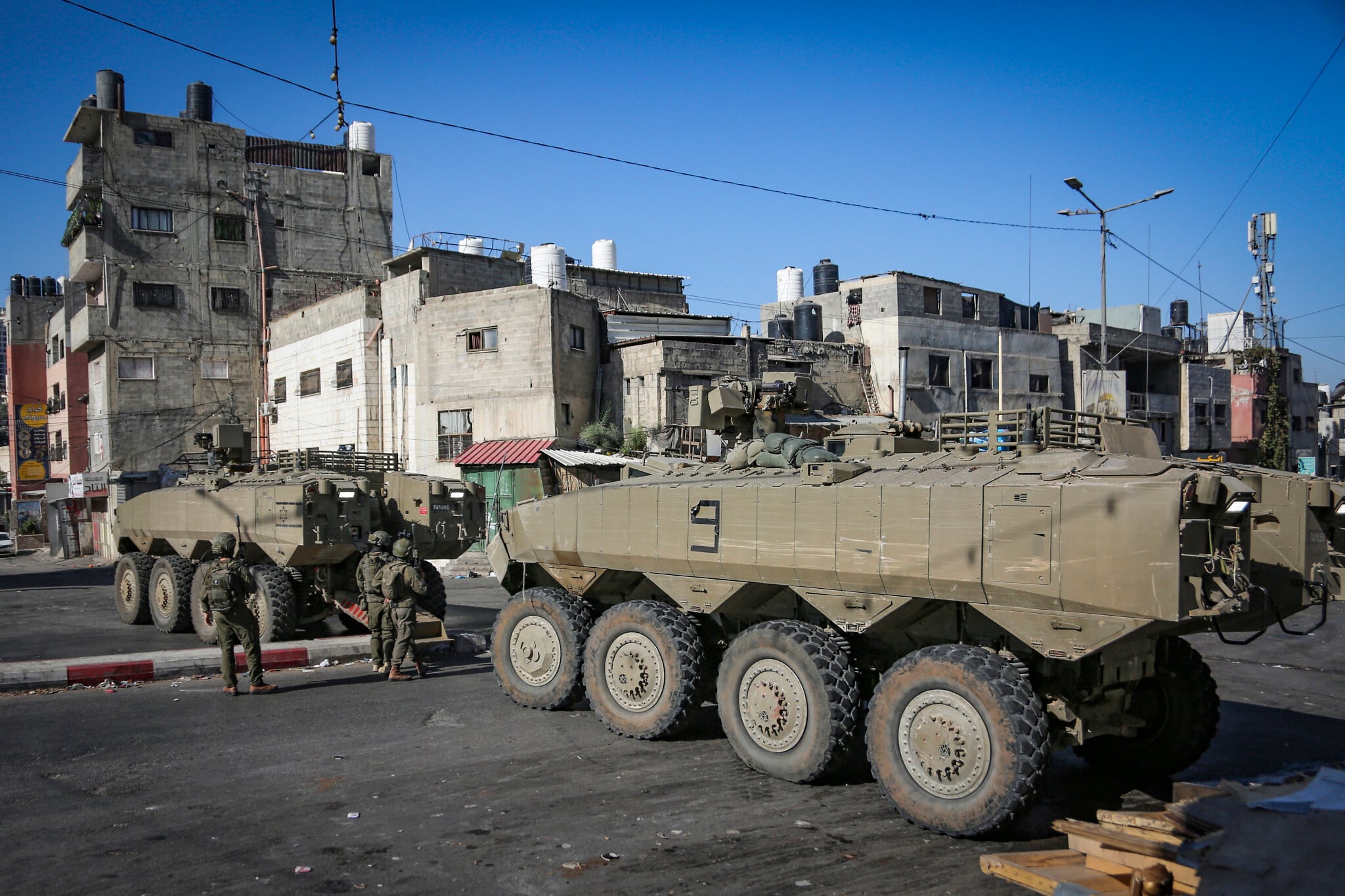
Separately on Thursday, the Israel Police said that a wanted Palestinian man affiliated with the mostly dormant Tanzim terror group was nabbed overnight by Israeli special forces in the Nablus area of the northern West Bank.
Police said that officers of its elite Gideon unit, also known as Unit 33, raided the Balata refugee camp on the outskirts of Nablus and located the wanted man in a store.
Law enforcement said the man, aged 35 and a resident of Kafr Qallil, is a Tanzim operative and has “access to weapons.” He was named by Palestinian media as Rami Shalbai.
“Upon entering the building and identifying the wanted man, the terrorist attempted to flee the scene while resisting the force,” police said, adding that the commandos shot the man in the leg and detained him.
He was then transferred to the Shin Bet for questioning, police said.
Times of Israel staff contributed to this report.








The Times of Israel Community.