

Critics say upcoming UN Durban commemoration whitewashes antisemitic 2001 conference
Anti-racism gathering marred by antisemitism and Hitler support to be reaffirmed later this month for 25th anniversary, drawing pushback from Israeli and US missions
 Add ToI as a Preferred Source on Google
Luke Tress is The Times of Israel's New York correspondent.
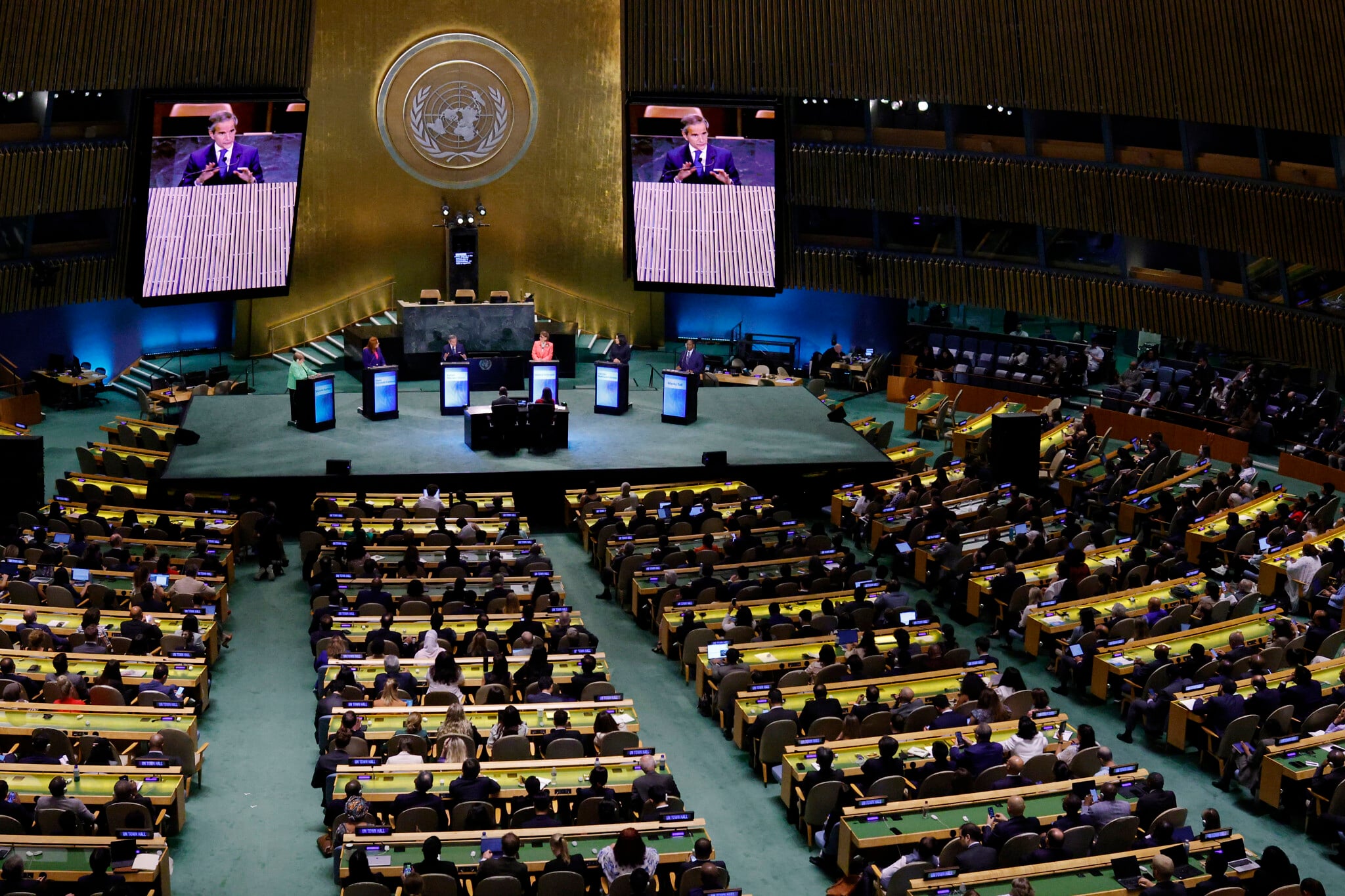
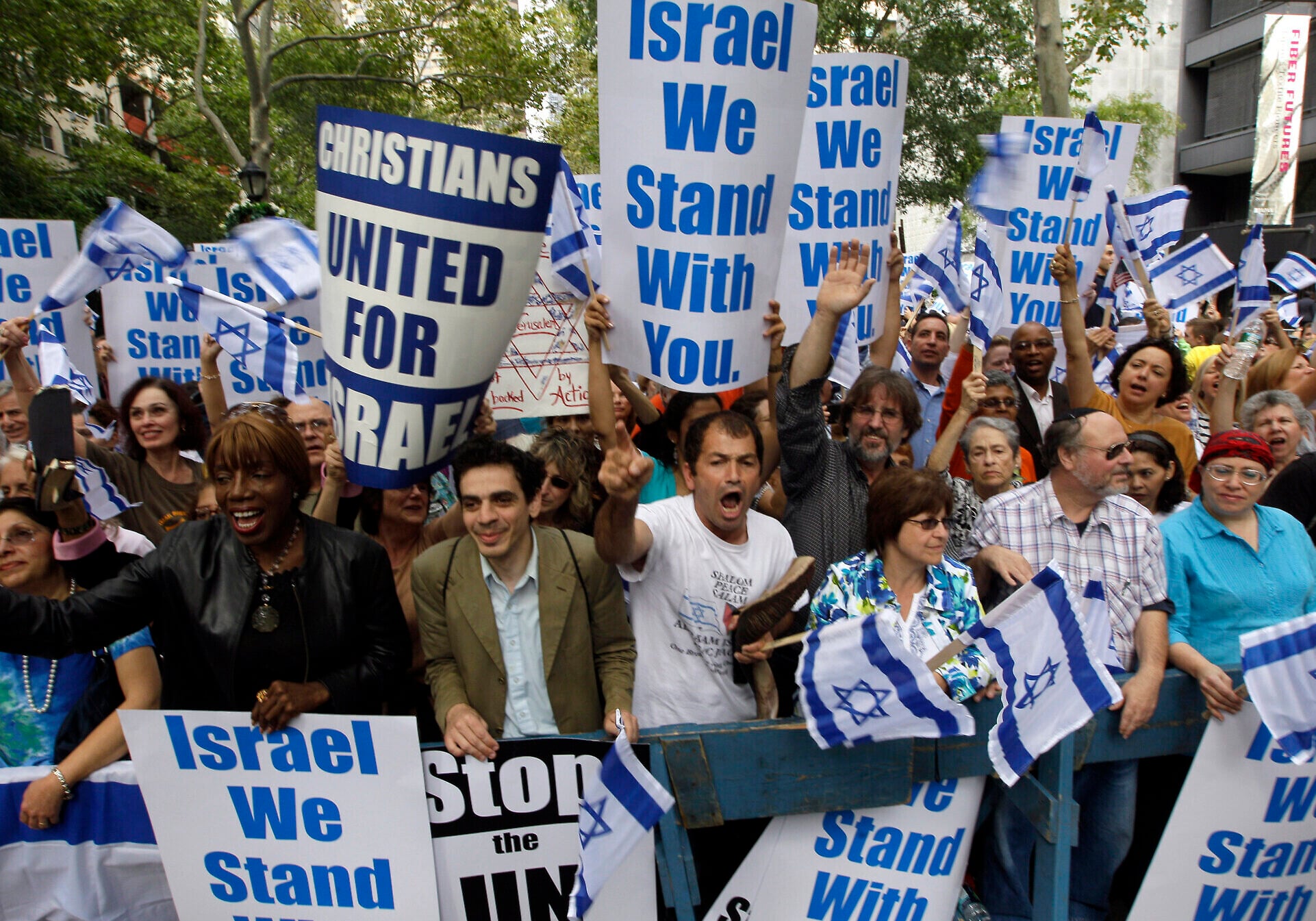
NEW YORK — The Israeli mission to the United Nations and other critics have pushed back against an upcoming UN commemoration of the 2001 Durban conference against racism, an event that critics see as a landmark in contemporary discrimination against Jews.
Israel’s ambassador to the UN, Danny Danon, on Tuesday called for a boycott of the event.
“Do not legitimize this toxic legacy,” he said. “There is nothing to celebrate about 25 years of antisemitism and incitement against Israel.”
The UN World Conference Against Racism, Racial Discrimination, Xenophobia and Related Intolerance, held in Durban, South Africa in 2001, brought together thousands of representative from around the world to establish an agreed-upon agenda for combating racism.
The conference was marred by antisemitism and extremist rhetoric against Israel, especially at an NGO forum held in parallel to the governmental conference.
The NGO forum, attended by 50,000, overwhelmingly focused on Israel, as panelists and protesters railed against the Jewish state. NGOs sold the antisemitic forgery “The Protocols of the Elders of Zion,” activists distributed pamphlets supporting Nazi dictator Adolf Hitler, and protesters shared caricatures of hook-nosed Jews spearing Palestinian children, with blood dripping from their fangs, according to a Jewish Telegraphic Agency report from the conference.
During a march, activists held a placard that said, “Hitler should have finished the job.” Jewish students in attendance were harassed, ostracized and subjected to antisemitic chants.
The US and Israeli delegations and the Jewish caucus left the conference in protest.
The conference is seen as a turning point because it framed Israel as a racist violator of human rights in a global forum, providing a blueprint for anti-Zionist activism. While the UN General Assembly adopted a resolution in 1975 declaring Zionism was racism, it was repealed a decade before Durban.
An NGO declaration adopted at the conference accused Israel of racism, war crimes, apartheid, genocide and ethnic cleansing, the Jewish Telegraphic Agency reported. The accusations have since become commonplace in leftist discourse.
The governmental 2001 Durban declaration, issued alongside the NGO gathering, took a more moderate tone toward Israel. The declaration recognized the “right to security” for all Middle Eastern states, “including Israel,” and said the Holocaust “must never be forgotten.”
Jewish community advocates have objected to the declaration, though, because Israel is the only country singled out in the document.
The declaration expresses “concern about the plight of the Palestinian people under foreign occupation” and recognizes Palestinians have a right to self-determination.
Critics have said that singling out Israel alone in a landmark declaration about racism associates Israel with racism and recasts the conflict as racial, not political.
Anne Bayefsky, the director of New York’s Touro Institute on Human Rights and the president of the Human Rights Voices advocacy group, said, “The Durban Declaration claims that Palestinians are ‘victims’ of Israeli racism.”
“Israel is the only named country, the sole identifiably racist country on earth,” Bayefsky, who attended the 2001 Durban conference, said in an interview. “Durban spins the cause of Palestinians into a racial one, pitting non-Jews against allegedly racist Jews, in the name of combating racism.”
This year’s commemoration will take place on September 28, during the UN’s annual General Assembly, to mark the 25th anniversary of the Durban conference. Announcing the event, the UN said that the anniversary is an “an opportunity to accelerate collective efforts to combat racism, racial discrimination, xenophobia and related intolerance.”
None of the UN materials promoting the anniversary mention Israel or the 2001 conference’s antisemitism, but hail the Durban declaration as the UN’s “blueprint to combat racism.”
A draft of the declaration planned for the upcoming commemoration calls to “reaffirm” the original Durban declaration, without mentioning Israel or any other states.
Danon told The Times of Israel earlier this month that the Israeli mission to the UN is pushing countries to boycott “this circus.”
“I hope them to remind them what happened 25 years ago and why it should not be celebrated, and I hope that many countries will not take part this year,” Danon said.
Some countries have said they will not participate, while others will send a low-level diplomat instead of a more prominent representative, Danon said.
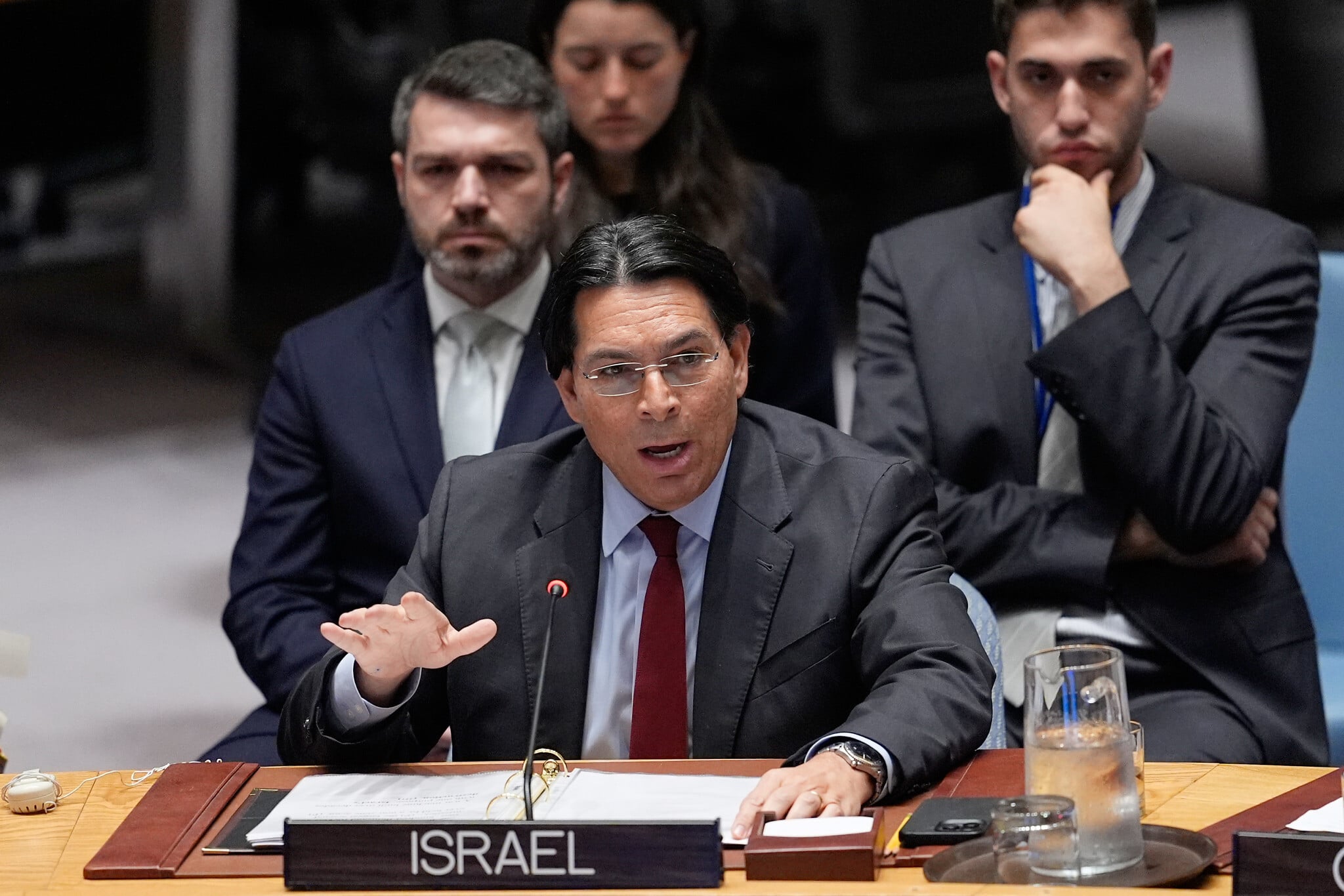
“The headline is to fight hate and to fight incitement, but the content is all about promoting hate and promoting incitement against Israel,” he said. “It’s actually hypocritical, and maybe we got used to it at the UN, but when it comes to the Durban Conference, it’s a symbol of that.”
A petition asking world leaders to withdraw from the conference has garnered more than 10,000 signatures.
Jewish groups including the Anti-Defamation League have also opposed the commemoration and urged states to boycott.
Bayefsky said the commemoration will “deny what actually happened at Durban, misrepresent it and then repeat it. Not just to whitewash the despicable reality of UN-driven antisemitism, but also to embrace the messaging.”
At a July General Assembly hearing, a US representative Dan Negrea said the commemoration will “celebrate a toxic legacy. The United States will have no part in it.”
“The original 2001 Durban Conference was not an honest effort to combat racism. It was hijacked and transformed into a vile platform for anti-Semitism and anti-Israel bigotry,” Negrea said. “The United States will not stand by or provide diplomatic cover for an international framework rooted in institutional prejudice.”
During the July hearing, a resolution on the commemoration passed by a vote of 142 countries in favor, three against, and 13 abstentions. Those voting against were the US, Israel and Argentina.
The UN previously commemorated the Durban conference in 2009, 2011 and 2021. During the 20th anniversary event in 2021, 38 countries boycotted.







The Times of Israel Community.