

Israeli travelers returning to Morocco as direct flights resume after three years
Travel industry sources report renewed interest in Morocco’s synagogues, cemeteries and historic Jewish quarters, as well as kosher travel and heritage tours
 Add ToI as a Preferred Source on Google
Zev Stub is the Times of Israel's Diaspora Affairs correspondent.
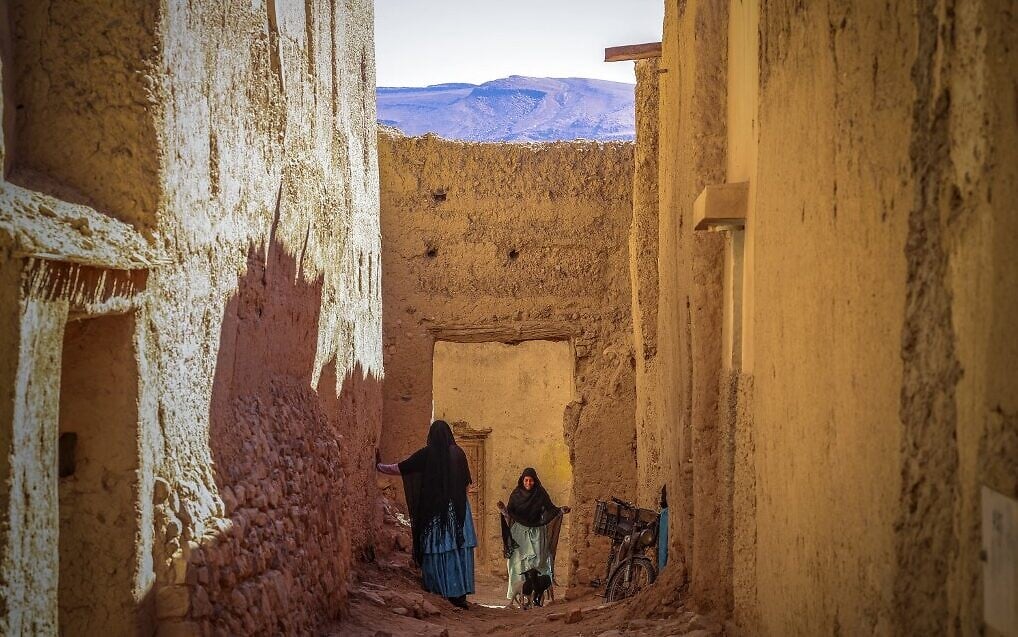
Israeli travelers are beginning to return to Morocco after direct flights between the two countries resumed last month for the first time in almost three years, according to travel agents and tour operators.
A route between Ben Gurion Airport and Marrakech, relaunched last month by Arkia Israel Airlines, is the first direct service available since Israeli carriers stopped flying there after the October 7, 2023, Hamas terror attack. As many as 200,000 Israelis visited in the year before the attack, according to Moroccan Tourism Ministry estimates.
Travel demand has quickly grown despite the National Security Council’s Level 3 travel advisory for Morocco, which calls for increased caution in parts of the country, travel agents said. Arkia currently operates two flights a week, on Mondays and Wednesdays. Israir and Sun D’Or are also planning to launch similar routes after the holiday season. El Al has not yet announced plans to resume flights.
Morocco was a hot destination for Israelis before demand dried up virtually overnight after the October 7 attack. After the country normalized diplomatic relations with Israel in December 2020 as part of the US-brokered Abraham Accords, direct flights between the two became available for the first time. Until then, travel was only available indirectly through connecting flight routes.
“Now, Israelis have started to come back again,” said Jamal Benkirane, a tour guide in Marrakech who has guided Israeli groups. “There is a lot of Jewish history here, with many Jewish tombs and synagogues. Every big city has kosher food now.”
The reopening of the Arkia route followed months of discussions between aviation and security officials in both countries. Transportation Minister Miri Regev joined the inaugural flight in late August.
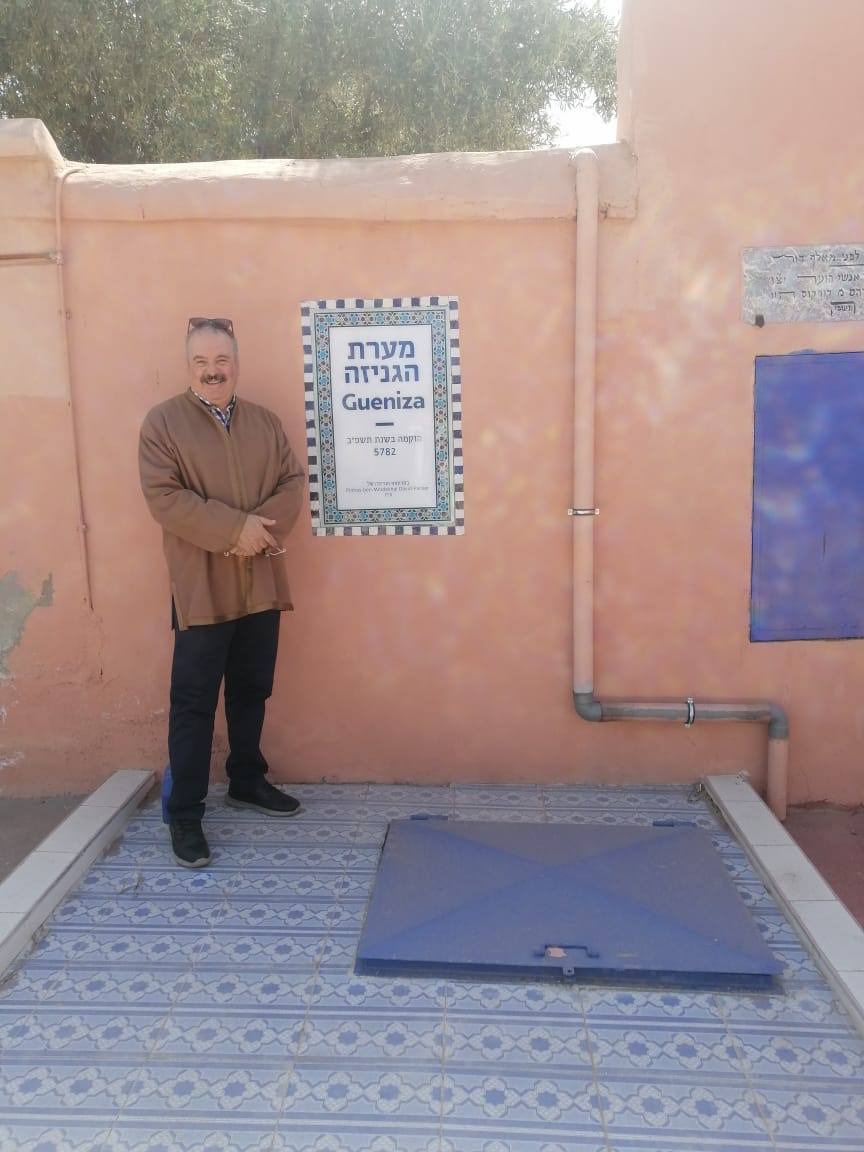
Demand has been particularly strong for organized tours during the autumn and early winter season, Eshet Tours CEO Gil Hahn noted. Heritage “roots” tours have become popular among Israelis of Moroccan descent, who number as many as a million people, according to some estimates.
But the revival is not limited to Israelis with Moroccan roots, said Mark Feldman, CEO of Ziontours Jerusalem.
“Without discounting the roots trips, the Ashkenazim are going just as much,” Feldman said. “Most of our tours are going to see the country and its strong Jewish history, even if it’s not their personal history.”
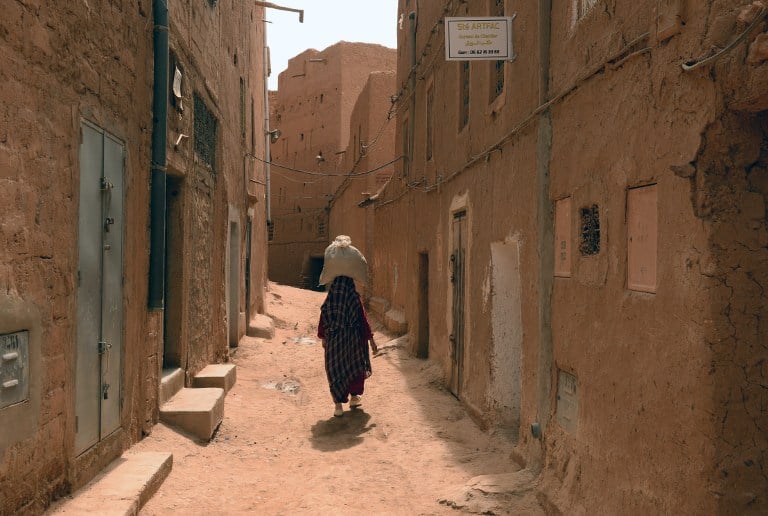
A rich Jewish history — and easy access to kosher meals
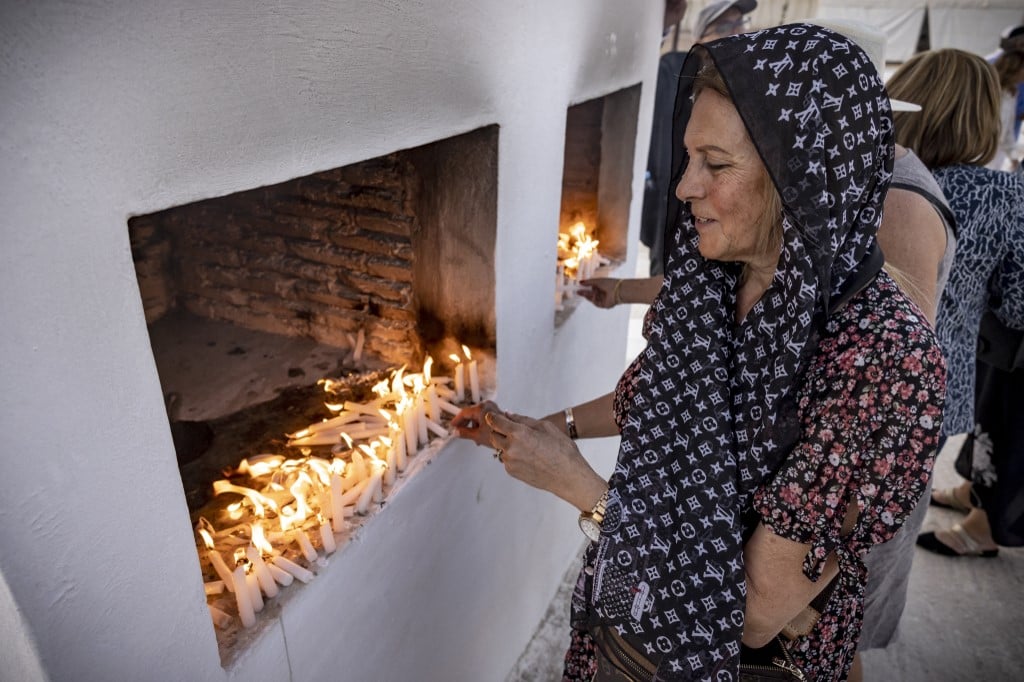
Marrakech is home to some of Morocco’s most prominent Jewish heritage sites, including its Mellah Jewish quarter, which dates back to the 1500s, Benkirane said. Alongside the Slat Al Azama Synagogue, founded in 1492 by Sephardic Jews fleeing Spain, and the Miaâra Jewish cemetery, the city is home to six kosher restaurants today, he noted.
Fez, once home to the medieval Jewish philosopher Maimonides and Talmudic commentator Isaac Alfasi, also has a number of Jewish heritage sites, as does the coastal city of Rabat, Benkirane said. Casablanca’s Jewish presence is relatively new compared to those cities, but, with an estimated 1,000 to 2,000 Jews and active synagogues and schools, its Jewish community is the largest in the Arab world today.
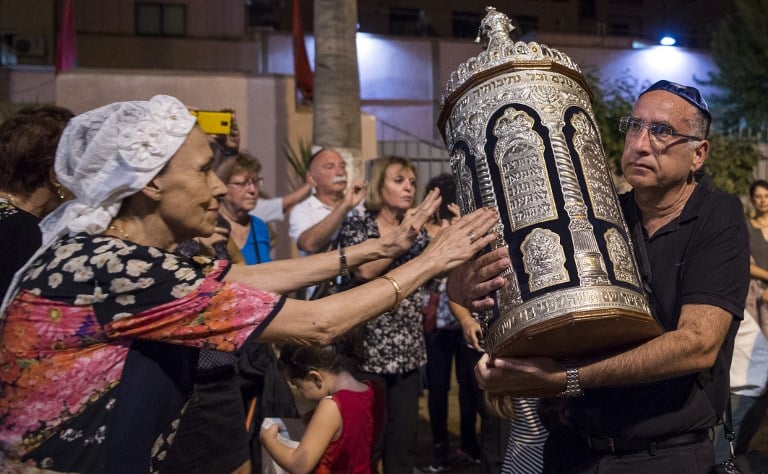
Tours of the country typically run 7-10 days and are best organized with local tour guides who can provide transportation between cities and through desert sites, said Ophir Tours deputy chairman Yoni Waxman. Observance of Jewish traditions, once a logistical headache, is now relatively easy in Morocco, he said.
“The infrastructure for kosher is very strong,” Waxman said. “It’s very easy to find kosher food and religious services there.”
High threat advisory no deterrent to Israelis
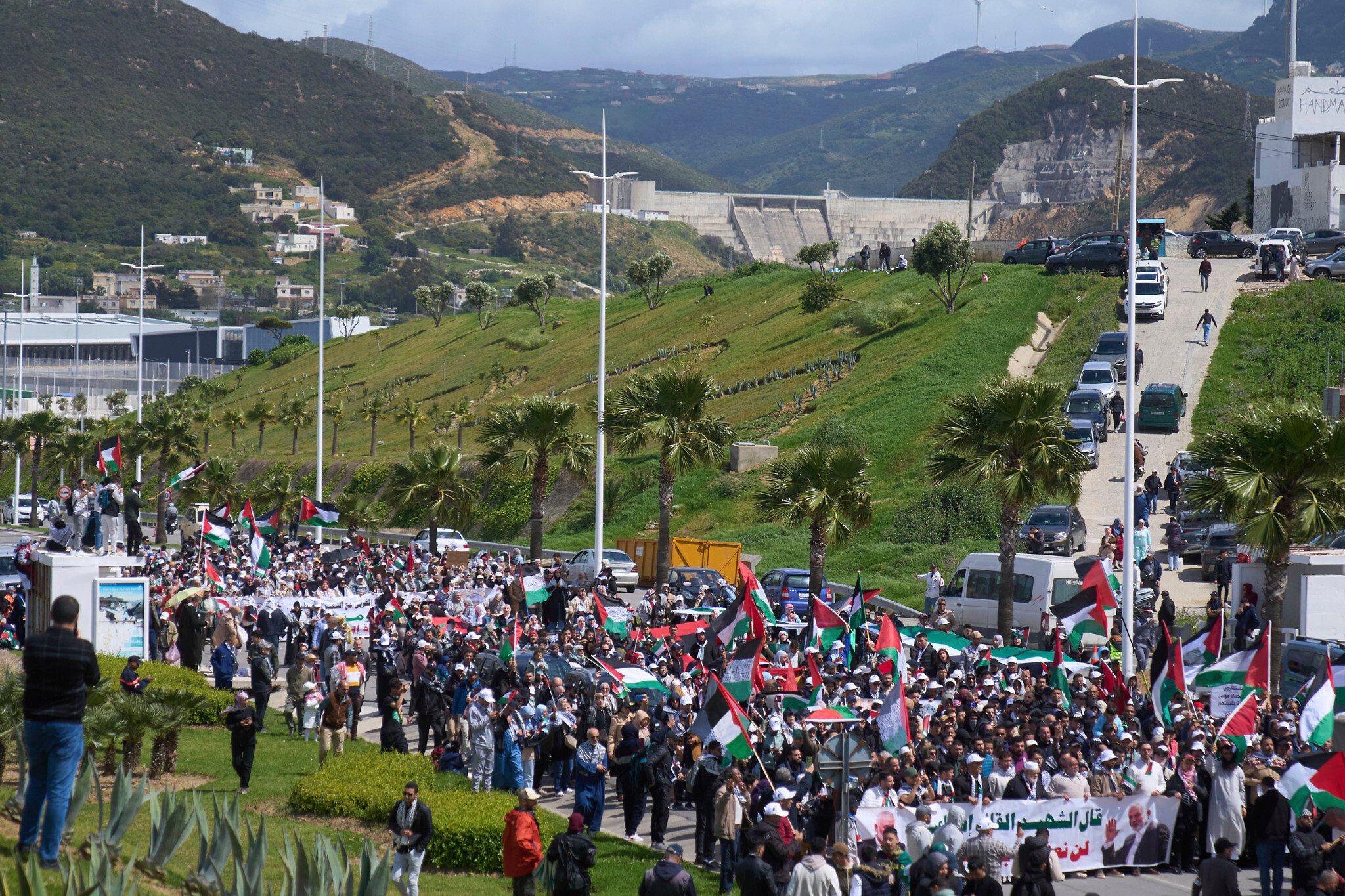
The Israeli government currently has assessed a Level 3 threat advisory for Morocco, recommending increased caution in the north and central regions and advising against non-essential travel to the south. However, travel industry officials said they nonetheless consider the main tourist routes manageable.
“The security level is quite high, and the government is very much involved,” Waxman said. “They know they need to keep tourists safe to bring back visitors.”
Feldman, meanwhile, is more measured in his outlook about the security situation, saying he views it with “cautious optimism.”
The Moroccan travel partners his company works with “are incredibly friendly, and love working with Israelis,” but anti-Israel protests in recent years have left him a bit skeptical, Feldman said. “We’re selling it to customers, but more cautiously than we did before.”
Travelers should keep in mind that the country is less developed than many European and American destinations, and adjust their expectations accordingly, Feldman said. Tourists should generally expect three- and four-star hotels rather than the luxury resorts found at some European and American destinations, he noted.
Israelis are advised to choose only direct flights from Israel to minimize travel risks, and to purchase comprehensive travel insurance, Feldman said. But customer service there is generally good, and shopping is generally inexpensive, he added.
“For most travelers, it’s a very exotic location,” Feldman said. “There’s a big ‘wow factor’ your first time there.”

The renewed interest in Morocco comes as Israeli travelers and airlines increasingly look beyond traditional European and American destinations, due in part to rising antisemitism. Airlines are also seeking routes to farther-flung markets in Asia and elsewhere where they can face less competition from low-cost carriers, Feldman noted.
Morocco, meanwhile, offers Israeli travelers a combination of the familiar and the exotic: deep Jewish history alongside a distinctly unique travel experience.
“It’s a country with a strong and proud Jewish tradition,” Feldman said. “It’s a good travel option today in 2026.”









The Times of Israel Community.