

The Macklemore battle presents a trap that pro-Israel activists have yet to escape
The cancellation of the pro-Palestinian rapper from Ed Sheeran’s tour is still playing out. But advocates for Israel are still struggling to figure out how to quash anti-Israel invective without drawing even more attention to their opponents

 Add ToI as a Preferred Source on Google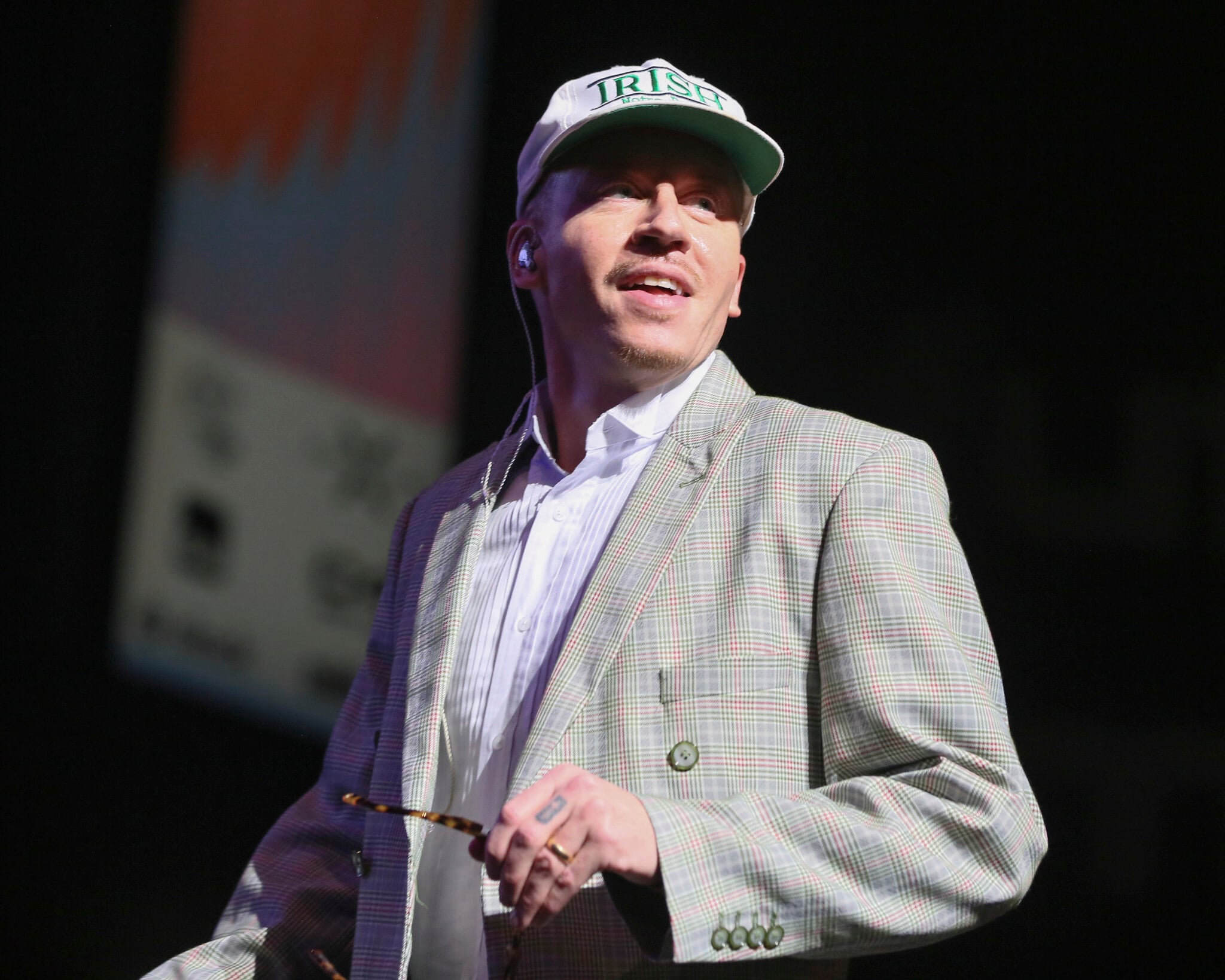
Anyone who has paid any attention to Macklemore’s career over the past couple of years can’t have been surprised by his performance on September 4, when he shouted “Free Palestine!” from the stage, showed a giant Palestinian flag on a screen behind him and launched into an anti-Israel protest song.
These are the same things the rapper has been doing since at least May 2024, when he released that same protest song, called “Hind’s Hall,” which supported the pro-Palestinian Columbia University encampment demonstrations and accused Israel of, among other things, genocide, apartheid, colonialism and white supremacy.
He has since released a follow-up song with the same themes. He’s placed pro-Palestinian activism at the center of his public persona.
And yet, after his performance two weeks ago — as an opening act for the British pop star Ed Sheeran — the internet erupted. Pro-Israel activists accused Macklemore of “hijacking” the stage and blindsiding Israeli and pro-Israel fans at what they thought was an apolitical concert. Pro-Palestinian activists celebrated him. The cacophony got only louder when Macklemore repeated the performance at a subsequent Sheeran show.
At first, the pro-Israel groups got what they wanted. Robert Kraft, a Jewish philanthropist who owns one of the stadiums on the tour, successfully pressured Sheeran to drop Macklemore from the rest of the itinerary. The Israeli-American Council, which had launched a petition to drop Macklemore, declared that its membership “has proven that when it stands united – its voice is heard.” StopAntisemitism, an activist group whose viral social media post on the concert amplified the outcry, cheered, “THIS is how it’s done.”
But if any truth is eternal in the world of Israel activism, it’s that there will always be backlash to the backlash. The dust has yet to settle, but two things have so far become clear: None of the main players can really declare victory in the fight over Macklemore. And, almost three years after October 7, 2023, pro-Israel activists are still struggling to fight a punishing culture war — striving to quash anti-Israel invective only to draw even more attention to their opponents when they do so.
A clear example of the ‘Streisand effect’
Just like Macklemore’s performances were predictable, so too has been the fallout from his cancellation. He’s presented himself in two long statements as a martyr, saying he was pulled from the stage for daring to “say the words that somehow became too dangerous to say.”
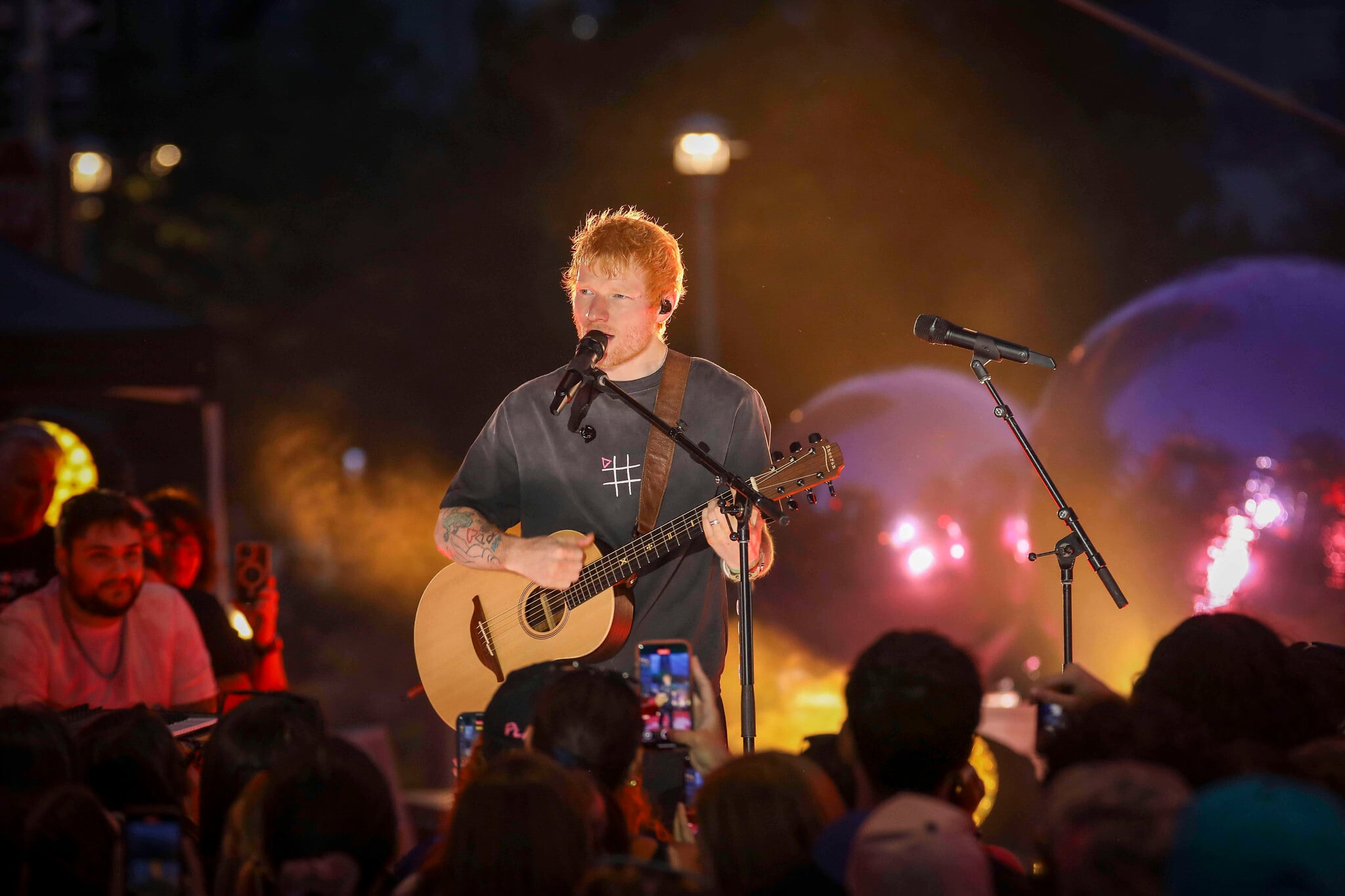
Sheeran, hoping to calm the criticism he faced, only exacerbated it with his own lengthy statement about how he doesn’t want to take sides and why he acceded to Kraft’s demand. That led four other acts on his tour to drop out, including his backup band, putting the whole itinerary in jeopardy.
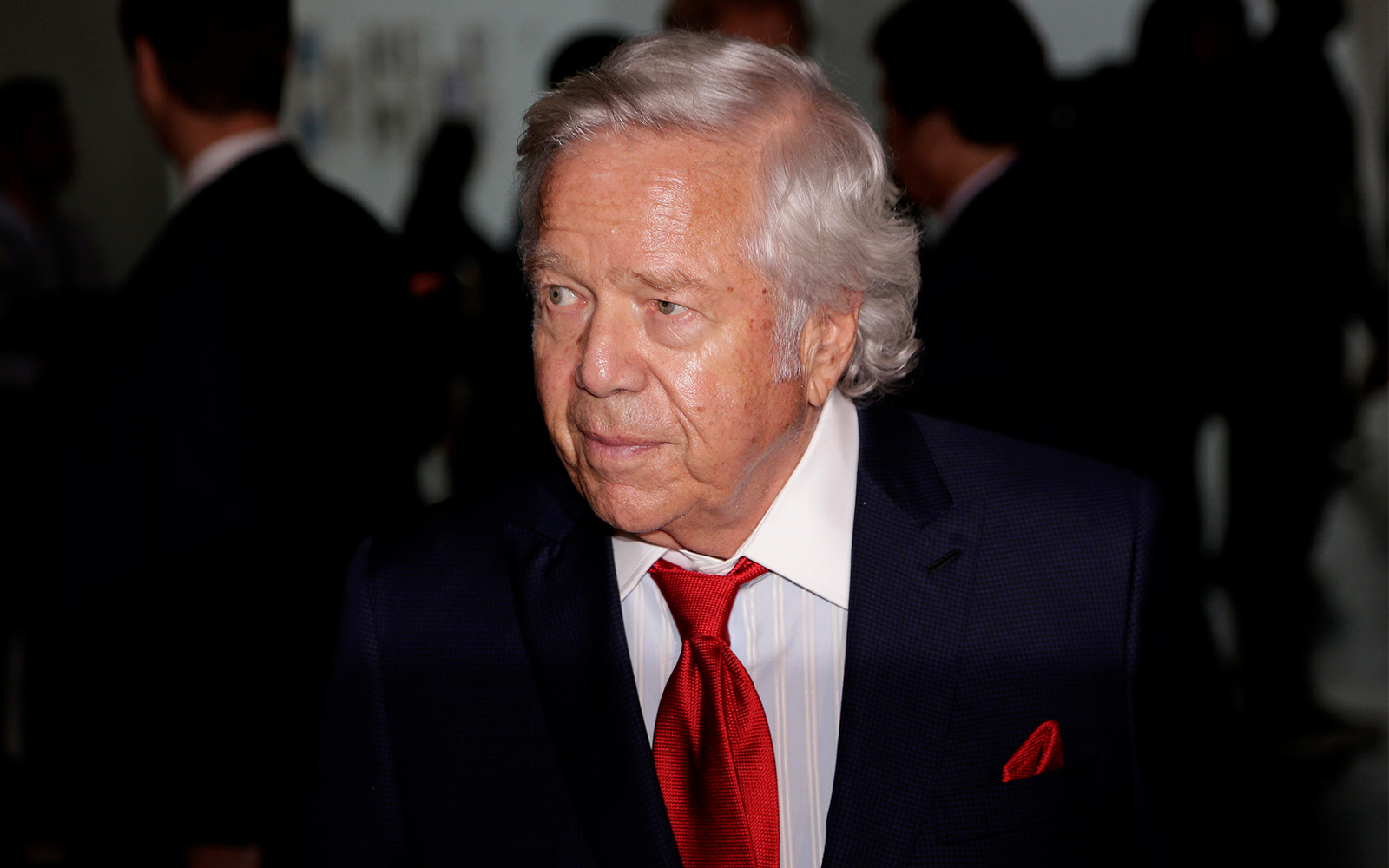
Kraft has put out his own statements, explaining that he didn’t push out Macklemore just for saying “Free Palestine, but because of a “broader history of antisemitic rhetoric and imagery.” That may be a reference to an antisemitic costume the rapper wore onstage, and apologized for, in 2014. Kraft added, “Standing with the Palestinian people and standing against Hamas, antisemitism and hate should not be mutually exclusive.”
Who comes out ahead here? For pro-Israel activists, this looks like a clear example of what’s called the “Streisand effect.” It’s a term — originating in a 2003 court case in which Barbra Streisand tried to get a photo of her house taken offline but ended up getting it viewed hundreds of thousands of times — that refers to an attempt to censor something only to draw far more attention to it as a result.
Macklemore, who’s best known for the 2012 song “Thrift Shop” and hasn’t had a top-100 single in seven years, had eight shows left on the Sheeran tour. Now, because of the efforts to push him out, he’s the topic of a days-long international news cycle, and is being lauded in some corners as a champion of free speech.
“People need to understand that attempts to punish political speech almost always result in magnifying it,” Greg Lukianoff, CEO of the Foundation for Individual Rights and Expression, posted on X. “Would we be talking about Macklemore’s views on Israel right now if it wasn’t for this campaign to bar him? Probably not.”
“Would we be talking about Macklemore’s views on Israel right now if it wasn’t for this campaign to bar him? Probably not.”
Lukianoff, on CNN, called the controversy “the Streisand effect on steroids.”
Macklemore’s defenders aren’t only coming from the progressive world. Fox News’s Jesse Watters — no left-winger — quipped this week, “All I heard was ‘Free Palestine.’ I don’t think that’s hate speech.”
‘You don’t get to decide that for us’
Some argue that by refusing to host anti-Israel invective, Kraft wasn’t chilling the free speech of others but exercising his own. And some pro-Israel advocates have countered that keeping crowds in 80,000-seat stadiums from listening to, and cheering for, accusations of genocide is well worth the public heat.
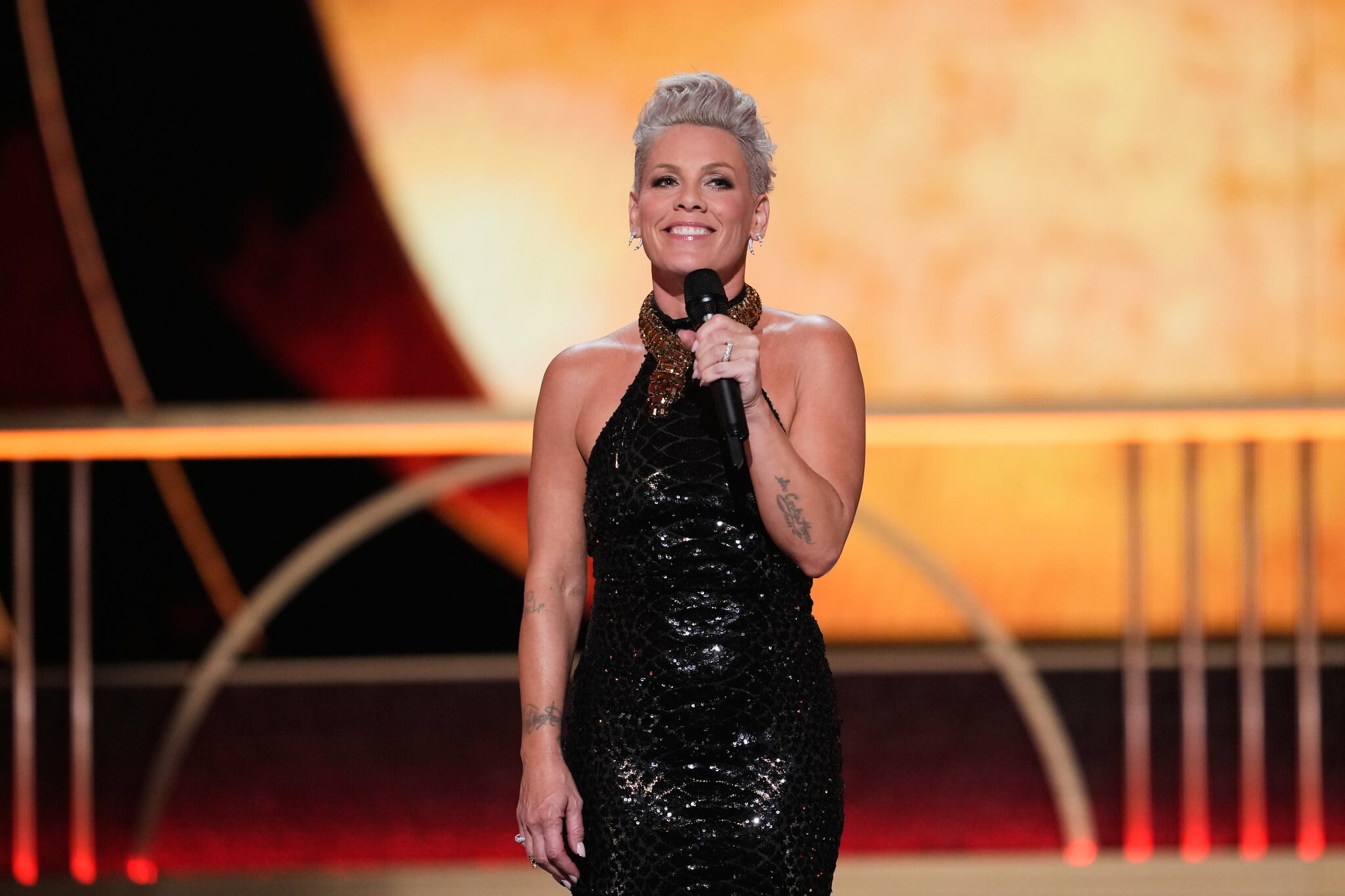
For example, when Macklemore addressed his “Jewish brothers and sisters” from the stage, saying that “criticism of apartheid, being against genocide, in no way is a criticism of you,” the Jewish pop star Pink shot back on Instagram. She wrote that Macklemore “dedicated a song to the movement of his choice, and then took the mic to tell all of the Jews in the stadium that it wasn’t about them. You don’t get to decide that for us.”
But those pro-Israeli activists also must now grapple with Macklemore’s sentiments being broadcast across the globe, with Kraft and those supporting him depicted as censorious villains.
The popular anti-Israel streamer Hasan Piker, for example, is celebrating. On a recent episode, he scrolled through the statements of the bands that have left the Sheeran tour, one of which decried “the silencing of Macklemore by Zionist lobbies.” Another ended its statement with “FREE PALESTINE” in all caps. Piker was giddy, at one point literally screaming in joy.
“This is what solidarity looks like!” he crowed, accentuating each word. And then, in an almost word-for-word echo of StopAntisemitism, he added, “This is how it’s supposed to be done.”
Nor is Macklemore exactly the victor here. Yes, he has become the cause celebre du jour for many who see him as a courageous artist willing to sacrifice fame on the altar of principle. But he’s also lost out on a co-billing with one of the world’s most popular singers — and may have risked future gigs of that nature.
He’s clearly eager to tie himself to the pro-Palestinian, anti-Israel cause. But next time a big act is looking for an opener, will they want that rhetoric on their tour, having seen how this saga played out? And for Sheeran, of course, this has been, in the words of a BBC commentator, a “disaster,” as his attempt to save his tour may in fact be destroying it. Ticket prices on his remaining dates are plummeting.
For Kraft, the consequences will almost certainly be milder. An octogenarian billionaire best known for owning the New England Patriots, an iconic NFL franchise, he’s weathered controversy before and probably will again.
Still, it’s clearly affected him enough that he’s put out two statements about it, both stressing that just because he’s a pro-Israel philanthropist who’s dedicated millions to fighting antisemitism doesn’t mean that he supports “diminishing the suffering of innocent Palestinians or denying anyone the right to advocate on their behalf.”
Preparing for the next battle
A detente may be coming. Kraft offered to meet with Macklemore. Then, after Macklemore announced that he’d be donating his $1 million income from the tour to a range of pro-Palestinian nonprofits, Kraft said Sheeran called him and asked him “to commit $2 million to match his donation to aid in the region to fight this humanitarian crisis.”
Of course, the list of nonprofits Macklemore is donating to includes one supporting UNRWA, the UN agency for Palestinians that Israel has accused of collaborating with Hamas — which could touch off a new round of argument.
More broadly, debates like these, recurring regularly since Hamas’s October 7, 2023, attack and the start of the Gaza war, present a trap that pro-Israel activists have yet to escape. The Macklemore battle illustrates that they seem to have two options: Either stay silent as more and more celebrities accuse Israel of genocide in ever more prominent forums, and hope the tide will pass, or wield the tools available to them to shut down such discourse — and risk magnifying the issue while being labeled as enemies of free speech.
How and when this saga will peter out is yet unclear. What we do know is that whatever debate comes next, it won’t be the last, playing out on the same tricky terrain.






The Times of Israel Community.