

Far-right AfD tops a German state election for second time in a month; Merz rues ‘disaster’
AfD wins almost 40% in eastern Mecklenburg-Western Pomerania; party seen by Jewish groups as harboring antisemitism leads in national opinion polls but has been kept from power by the other main parties’ refusal to work with it
 Add ToI as a Preferred Source on Google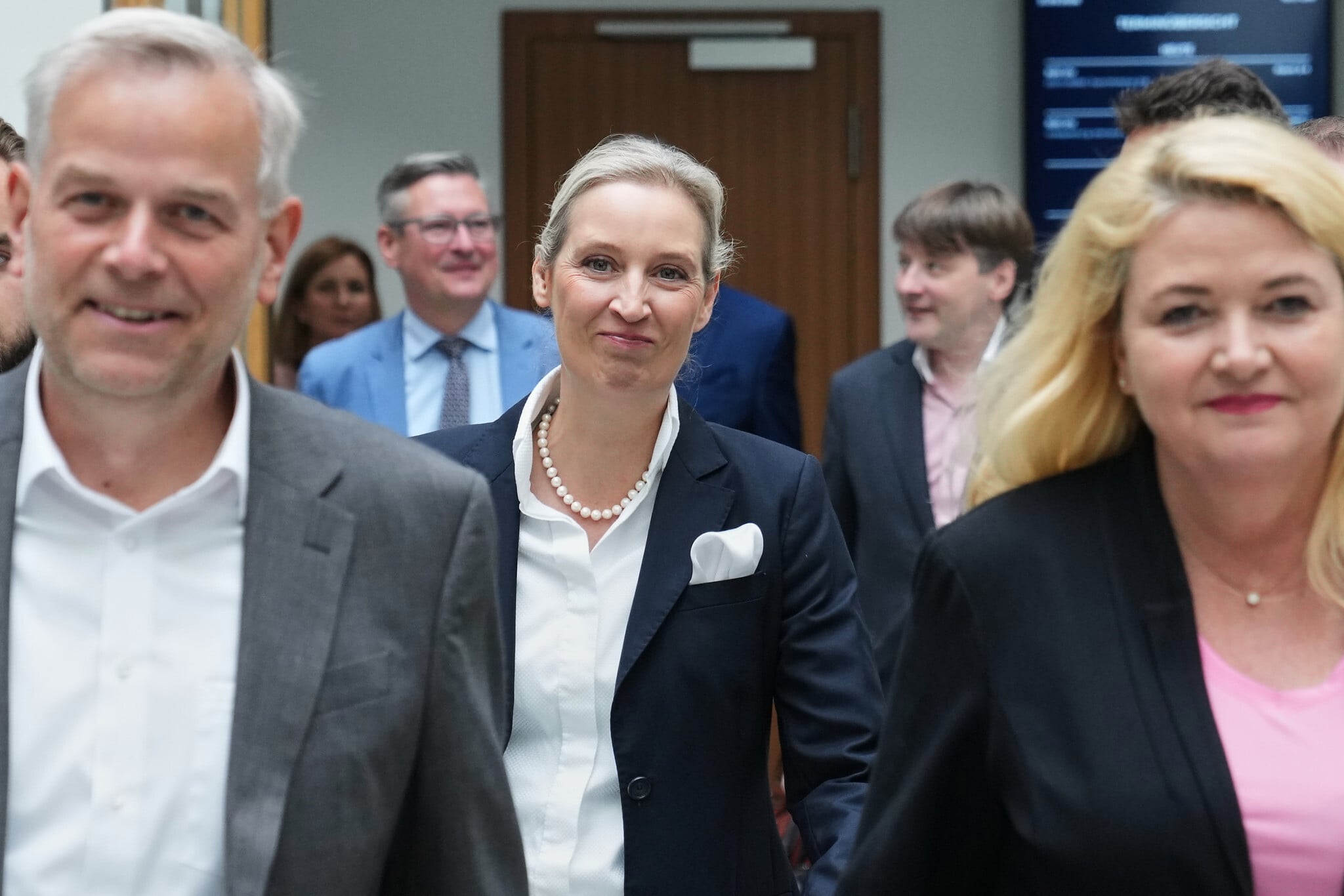
SCHWERIN/BERLIN, Germany, Sept 20 (Reuters) – The far-right Alternative for Germany (AfD) took first place in state elections in northeastern Germany on Sunday, voting projections showed, delivering the worst result for Chancellor Friedrich Merz’s mainstream conservative party since 1949.
“It’s a disaster,” Merz, leader of the Christian Democratic Union of Germany (CDU), said after exit polls were published, although he signaled he would fight on as chancellor and continue his reform agenda after speculation that a bad result could prompt him to resign.
The AfD was set to win 38.3% in the state of Mecklenburg-Western Pomerania, ahead of the center-left Social Democrats (SPD) at 35.4%, according to projections on ARD public television. Both parties were far ahead of Merz’s conservatives, who at the latest count had fallen to 4.9%, below the 5% threshold needed to enter the state parliament and indicating they may be excluded altogether.
Sunday’s result has given the AfD its second top-place finish this month at the state level. The AfD beat out other parties in Saxony-Anhalt on September 6 with 43.8% of the vote and 39 of 83 state parliament seats, falling just short of a majority and marking Germany’s greatest far-right victory in a state election since World War II.
The AfD leads in national opinion polls but has been kept from power by the other main parties’ refusal to work with it.
“Antisemitism is embedded” in parts of the AfD’s rhetoric, ideology, and political culture, according to the American Jewish Committee, which also says that “the AfD’s support for Israel is selective and does not necessarily reflect a rejection of antisemitism.” In a report last year, it also charged that some of the AfD’s most prominent politicians “have minimized Nazi crimes, promoted conspiracy theories, or used language associated with Germany’s far-right extremist tradition.”
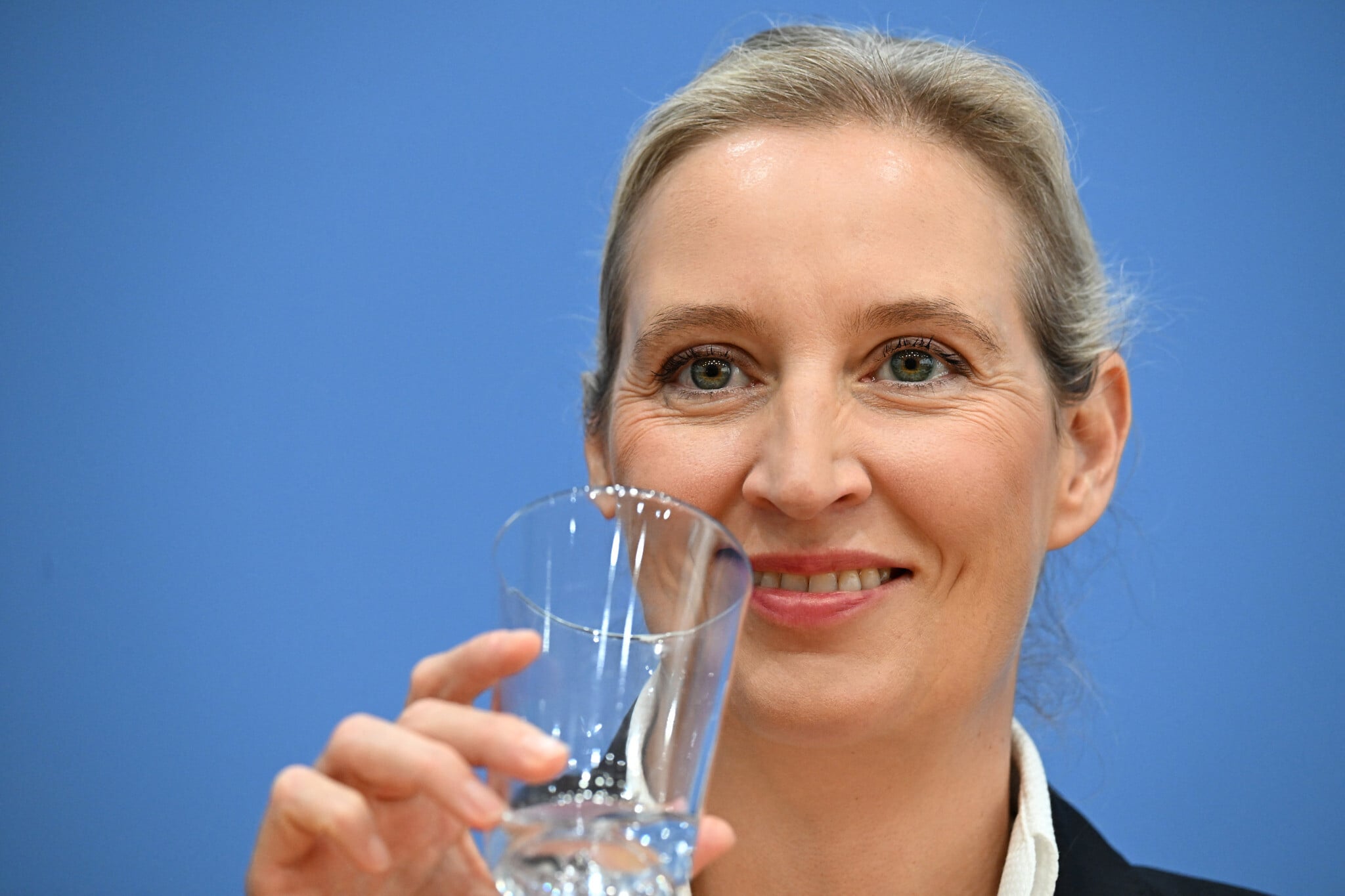
Josef Schuster, President of the Central Council of Jews in Germany, said in 2024 he feared the AfD “would deliberately act against Jewish life, if it fits into their concept,” and charged that the party offers antisemites a home.
In another election on Sunday in the capital Berlin, the far-left Linke party was at 25.3% while the vote share of Merz’s conservatives, who currently govern the state in a coalition with the Social Democrats, tumbled to 19%. The AfD also gained in strength in the typically liberal city, hitting 16.3%. It is the first time Linke has topped polls in the state, where it wants to nationalise housing from corporate landlords and cap rents.
Merz’s future in the balance
Sunday’s results may not prove a knock-out blow for Merz, but his low approval ratings, unpopular reforms and the triumph of the AfD in an earlier state election in Saxony-Anhalt have left his future in the balance.
“It will now become even more difficult for the federal government to muster the courage and political support for a fundamental reform program,” Marcel Fratzscher, president of the Berlin-based DIW research institute, told Reuters.
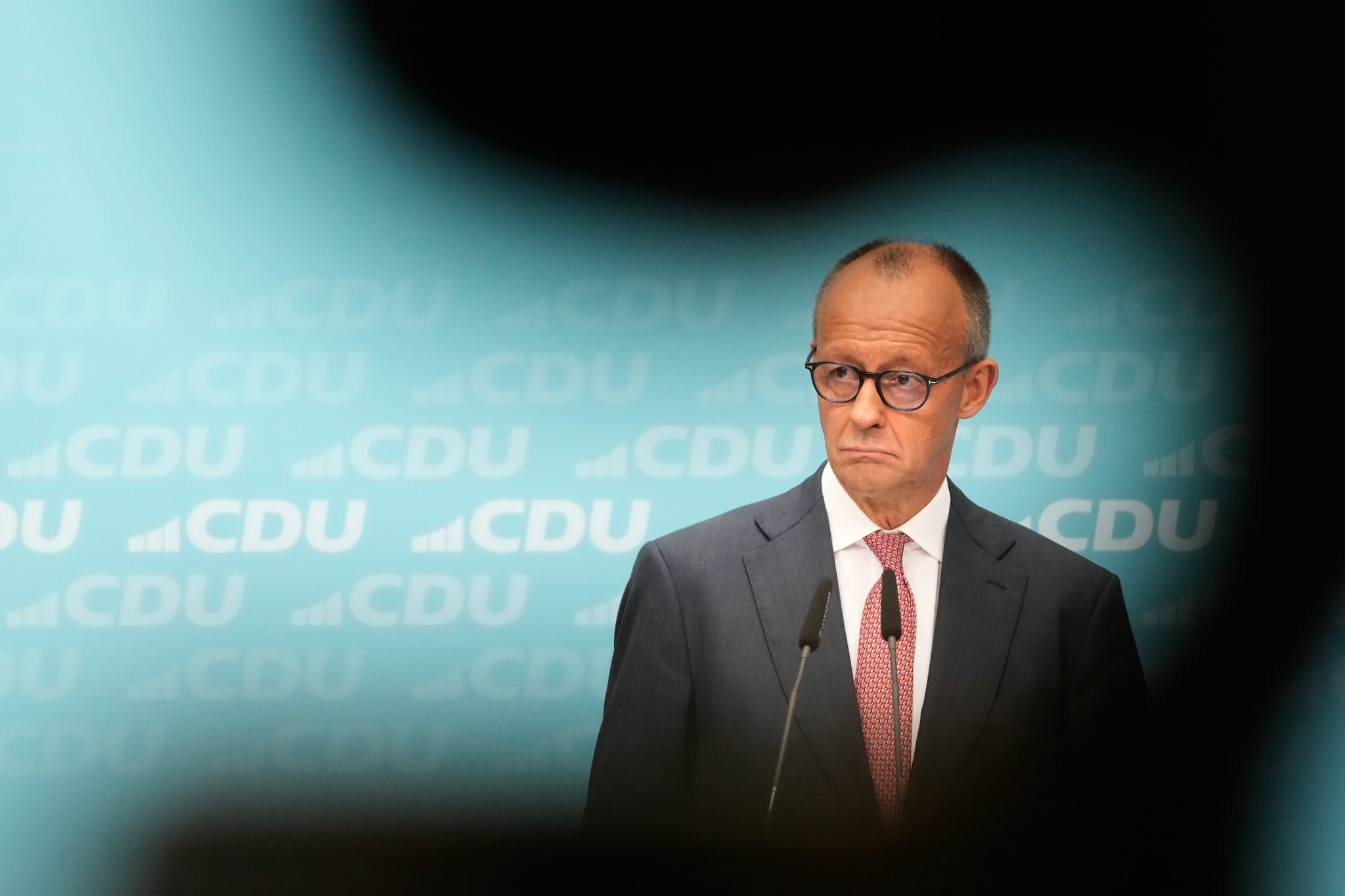
If the ruling coalition parties stick to their red lines, he said, “political paralysis will become entrenched, economic weakness will persist, and the likelihood of an AfD election victory in 2029 will rise further.”
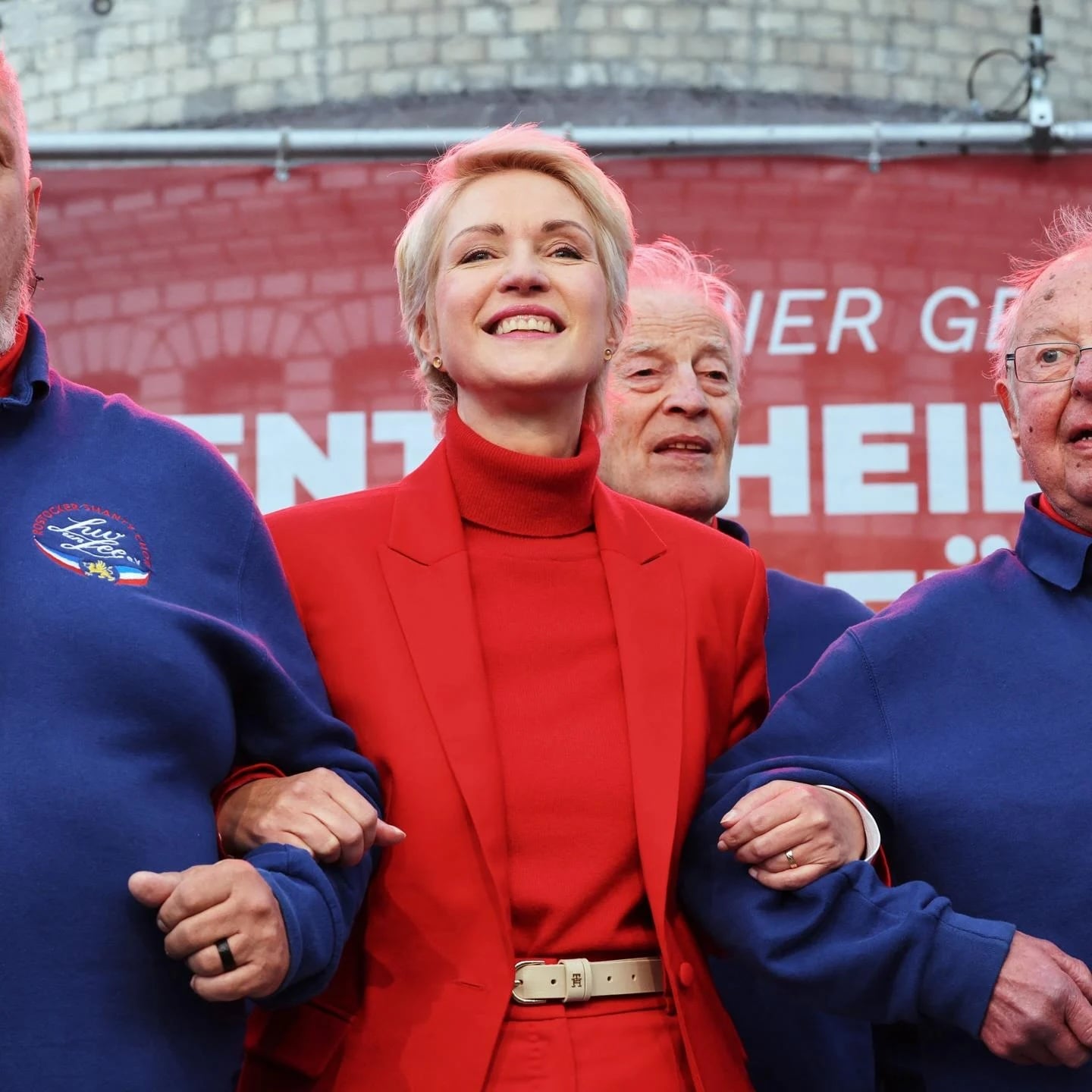
The SPD’s popular state premier in Mecklenburg-Western Pomerania, Manuela Schwesig, had climbed in the polls ahead of Sunday’s vote by openly criticizing both the AfD and the Merz-led federal government’s reforms.
Schwesig also said the AfD had won votes by criticizing Germany’s support for Ukraine. She had supported the Nord Stream pipelines carrying Russian gas through her Baltic Sea coast state into Germany before they were blown up in 2022, but later changed her position.
“First, in my state, many people oppose support for Ukraine, both financial and military,” she said.
“And a second point: Many people also wish to see energy flowing through Nord Stream again.”
German Vice-Chancellor Lars Klingbeil, who is also the SPD leader, signaled he wanted a change of course, citing voters’ concerns over pension reforms.
But Merz instead doubled down on a reform agenda he says will revive sluggish growth in Europe’s largest economy.
“What needs to be done now requires backbone, steadfastness, and patience,” he said. “I would go so far as to say that these reforms are the antidote to the authoritarian poison that is penetrating ever deeper into our society, driven by the allure of authoritarianism.”
The elections in Mecklenburg-Western Pomerania, a largely rural state in the formerly communist east, and Berlin follow the September 6 election in Saxony-Anhalt, where the AfD came close to the rare feat of winning an absolute majority.
In just over a decade, the party — which wants to take tough action to deport foreigners with no right to stay in Germany, restore energy ties with Russia and quit the euro — has transformed itself from a fringe eurosceptic movement to the country’s most popular party.
Its success in Saxony-Anhalt, which it sees as the first step towards winning federal elections due in 2029, has sent shock waves through Europe.
Sunday’s results underscore the advances the AfD has made in recent years and raise fresh questions over the “firewall” strategy, under which the other main parties refuse to enter coalition agreements with it.
Merz has struggled
Elected last year on a promise of reforms to return Germany’s stagnant economy to growth, Merz has struggled to win over voters, as a stream of communication missteps served to compound resentment over unpopular pension, tax and healthcare reforms.
Disillusionment with his government has hung over the campaigns in both Mecklenburg-Western Pomerania and Berlin, where voters have focused on soaring energy and housing costs. Merz presented a consumer relief package on Friday that included tax cuts on gas and diesel.
Several people who voted in Mecklenburg-Western Pomerania said living costs were a major concern.
“Here in Schwerin, with these wages, you can hardly afford anything anymore,” voter Carlotta Heick told Reuters in the state capital.
One elderly man criticized funding for foreign aid. “We need our money here, for our country, for children and pensioners,” he said, asking not to give his name.
Times of Israel staff and JTA contributed to this report.







The Times of Israel Community.