

Netanyahu under fire after report he was repeatedly warned Qatar was funding Hamas military wing
Yedioth Ahronoth says Israeli agencies and Egypt all told PM the Qatari funding he backed was building terror group’s war machine; Israeli intel also uncovered separate covert money channel to terror group
 Add ToI as a Preferred Source on Google
Opposition leaders lambasted Prime Minister Benjamin Netanyahu on Friday after a report revealed new details about the extent to which Israeli intelligence believed Qatari money was funding Hamas’s military wing prior to the October 7, 2023, onslaught, including an assessment that it accounted for as much as half of the wing’s entire budget.
The Yedioth Ahronoth investigation found that the prime minister was informed of this fact several times, but ignored the matter.
The outlet also reported that Egypt, too, had warned Netanyahu that Qatari funds were reaching Hamas’s military wing, and that Israeli intelligence had uncovered a separate, covert channel through which money from Qatari sources was being transferred directly to the terror group’s armed forces. According to the report, Netanyahu was also informed about that funding route.
The findings add new details to previous reports that Netanyahu was warned by Israeli security officials that money from Qatar, which his governments allowed into Gaza, was being diverted to Hamas’s military buildup.
Netanyahu’s office rejected the investigation as “a collection of recycled lies that have already been disproven in the past,” maintaining that Israel’s security chiefs had supported the Qatari grant because it was intended for humanitarian purposes and was expected to help maintain calm in Gaza.
Qatar also categorically denied the report, saying it had “never provided money to Hamas” and that its assistance was delivered to Palestinian civilians through mechanisms coordinated with Israel and international organizations.
“Any funding that may have reached Hamas outside these mechanisms had nothing to do with Qatar,” its International Media Office said, accusing Israeli political figures of seeking to make the Gulf state “a convenient scapegoat” ahead of Israel’s upcoming election.
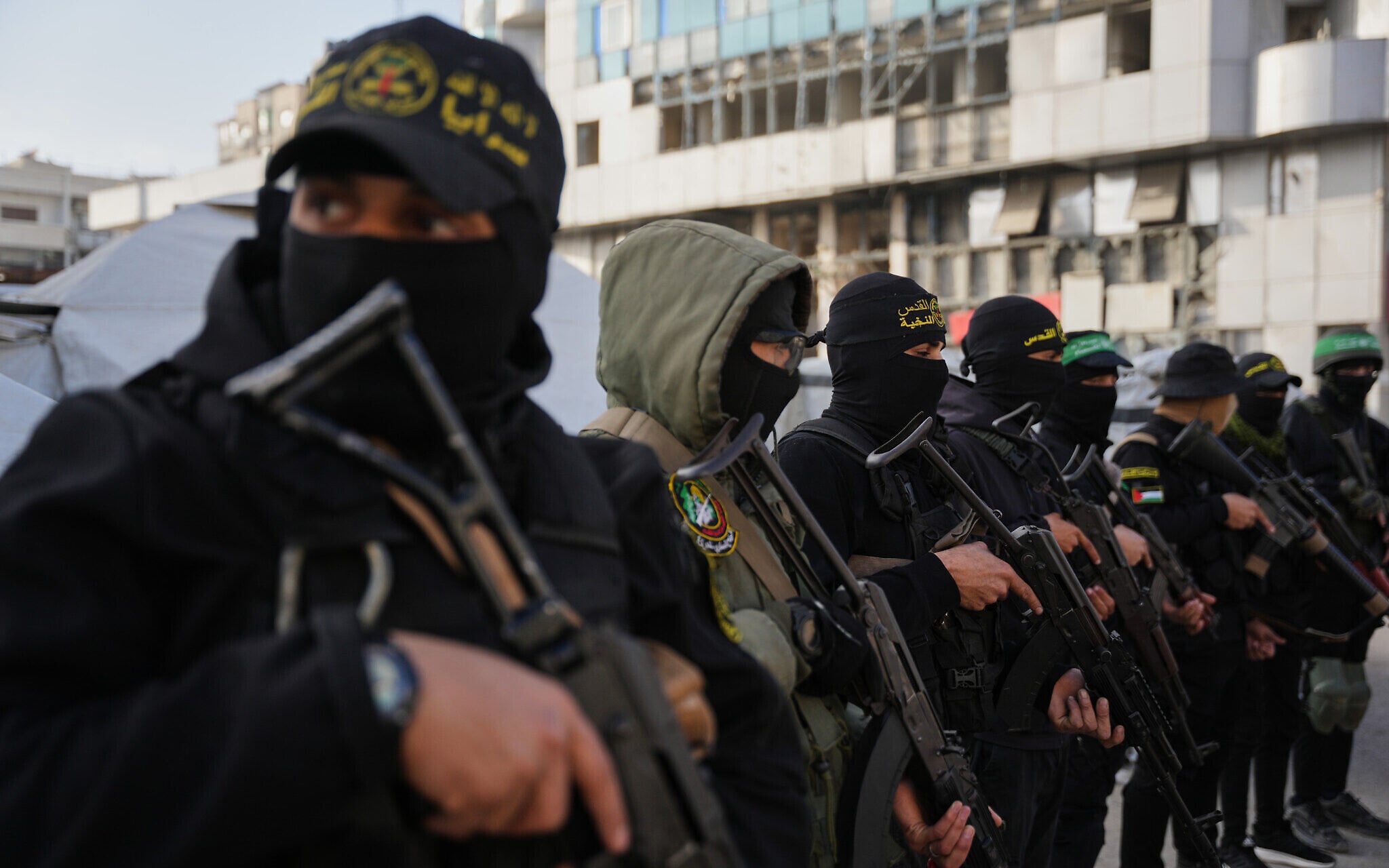
Yashar party chairman Gadi Eisenkot, Netanyahu’s main election rival, said the disclosures further demonstrated the need for a state commission of inquiry into the failures surrounding October 7.
“The fact that almost three years after the worst disaster the country has ever known, new scandals and revelations are still emerging every day about the warnings Netanyahu received and his conduct before October 7, is a failure in itself,” Eisenkot said.
“There is no doubt about one thing: Netanyahu abandoned Israel’s security in the months before the massacre and ignored every warning sign and red flag,” he charged. “Through his conduct, he led Israel to the worst disaster in its history.”
B’Yachad party chairman and former prime minister Naftali Bennett said the investigation was “further proof of what Netanyahu is fighting to conceal — he bears personal and direct responsibility for the October 7 massacre.”
“A prime minister who knew that the suitcases of dollars he was approving [for Gaza] were funding those who massacred us must be held accountable for it,” Bennett said.
Yisrael Beytenu chairman Avigdor Liberman, who resigned as defense minister in 2018 amid disagreements with Netanyahu over the Gaza policy, said he had warned at the time that allowing Qatari cash into the enclave would lead to “disaster.”
“Military Intelligence and the Shin Bet also warned him that the Qatari money was flowing to Hamas’s military wing,” Liberman said. “Netanyahu knew, and knowingly continued transferring millions to terrorists.”
Democrats chairman Yair Golan similarly charged that Netanyahu had maintained the policy despite warnings.
“The materials revealed this morning in Yedioth Ahronoth will lead any state commission of inquiry to one clear conclusion: Netanyahu served as Hamas’s financier, and he stuck to this policy even though he knew it was harming security and posing an immediate danger to the lives of Israeli citizens,” Golan said.
Up to half of Hamas’s military budget
The investigation by journalists Ronen Bergman and Yuval Rubovitch was based on internal intelligence documents and testimony from senior officials.
From 2018, Qatar provided dozens of millions of dollars in cash to Gaza on a monthly basis. The payments were publicly encouraged by Netanyahu as a means to prevent a humanitarian disaster in the Strip and to maintain calm.
Last week, Netanyahu sought to minimize the transfers, telling i24NEWS that the Qatari funds Israel allowed into Gaza amounted to just “two percent of all the money that entered the Strip.”
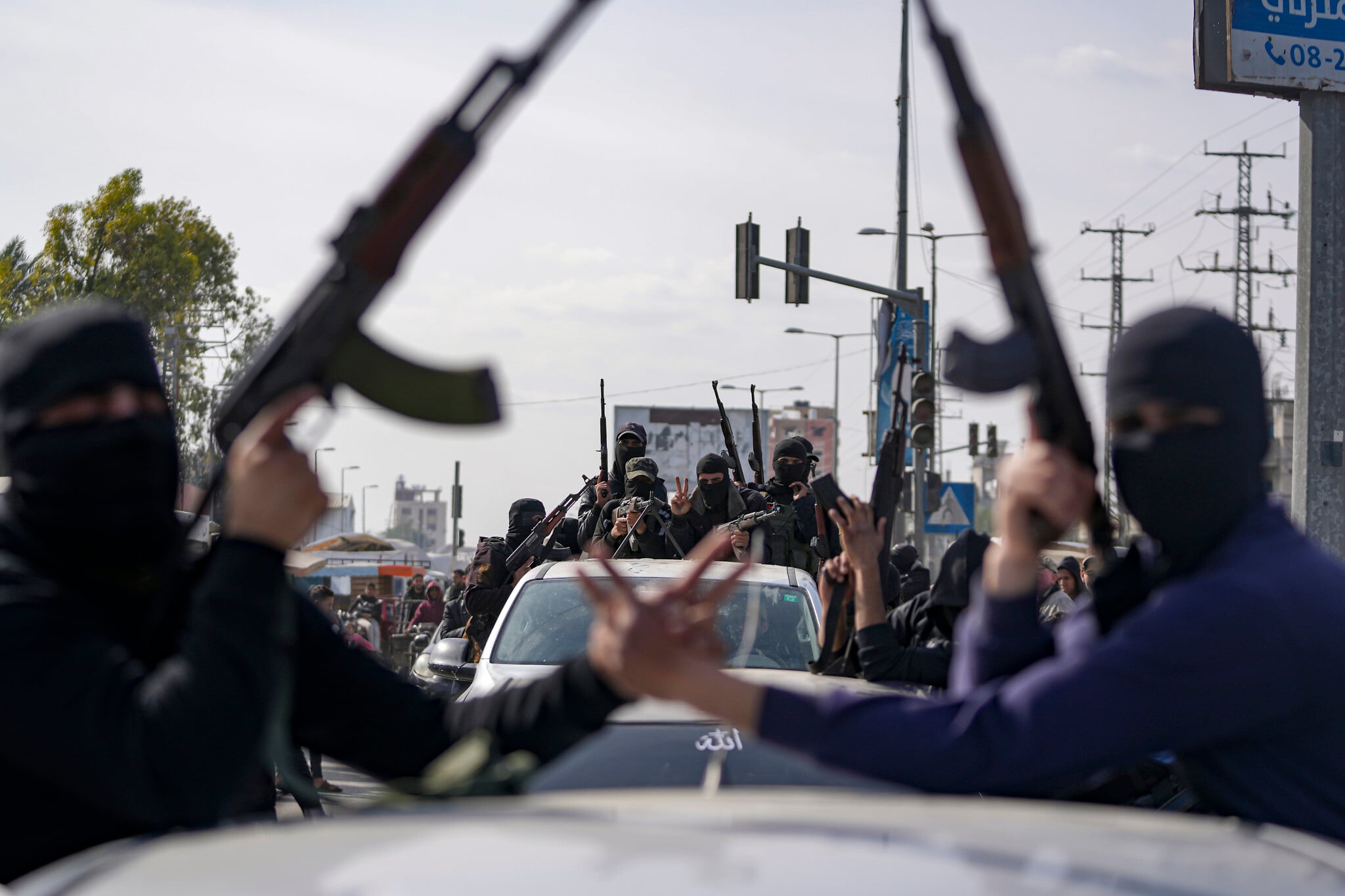
The intelligence assessments cited by Yedioth, however, indicated that Qatari funds represented a significant source of financing for Hamas’s military wing.
A senior Military Intelligence officer who later testified to the state comptroller said Hamas regularly diverted some $4 million a month from the Qatari funds to its Izz ad-Din al-Qassam Brigades between at least 2019 and 2021.
The officer put the military wing’s annual budget at the time at $70 million-$100 million, and said the diverted Qatari funds accounted for around 50% of it. Another Military Intelligence document cited by Yedioth estimated the share at 40%.
Separate covert funding
The investigation also revealed that Israeli intelligence had identified what it believed was a second, covert funding route from Qatari sources directly to Hamas’s military wing, separate from the money diverted from grants Israel had authorized for Gaza.
Yedioth used the pseudonym “Panther’s Eye” for the classified codename given to the alleged channel.
A senior Military Intelligence officer testified at the time that in addition to then-Hamas leader Yahya Sinwar’s diversions of the Qatari money, “there is a covert funding channel from Qatar — and it goes directly to the military wing.”
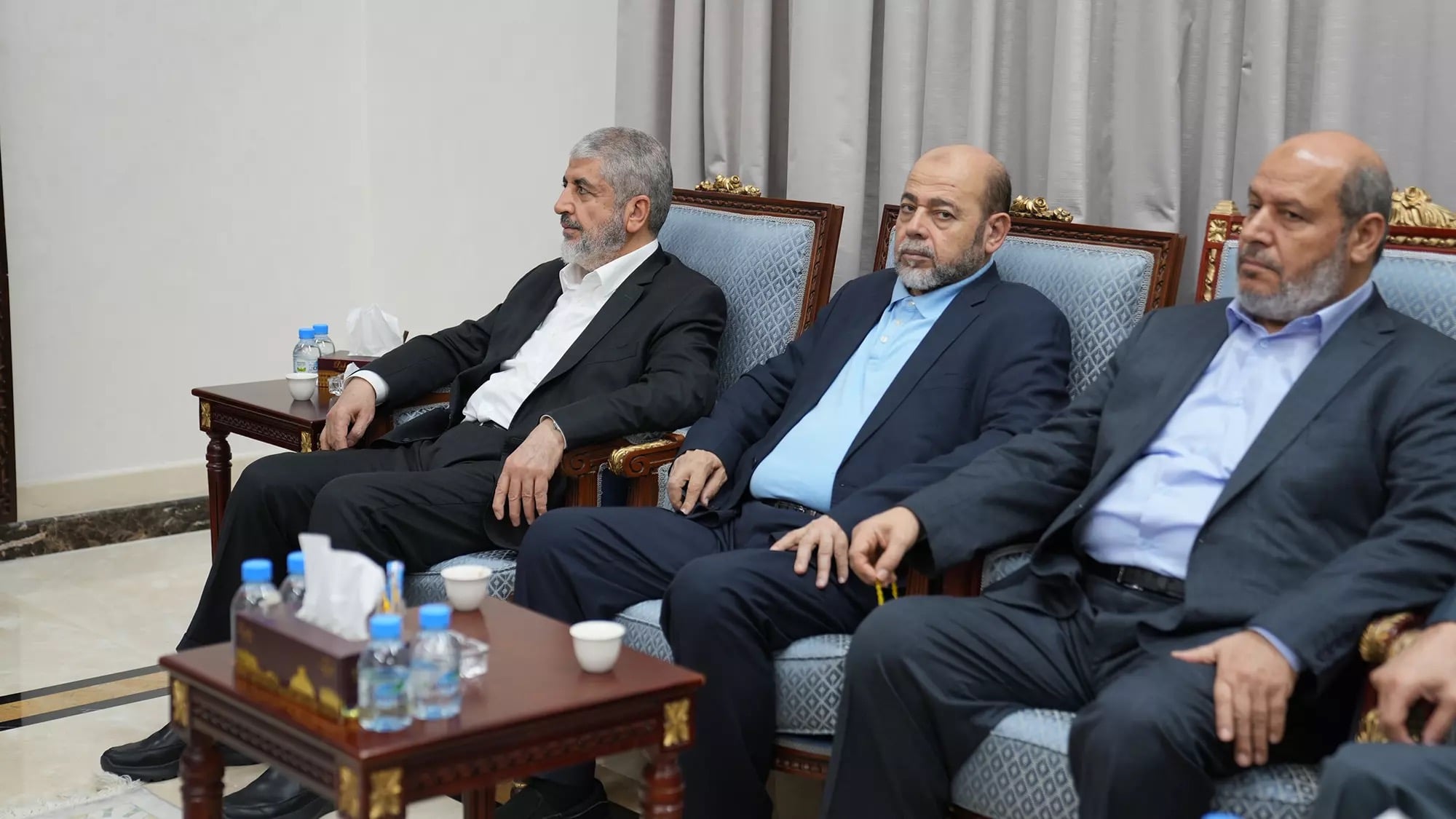
According to the report, Israeli intelligence believed the money originated with wealthy Qatari individuals and not the government, but assessed that the transfers would not have occurred without approval from Doha.
There was no definitive calculation of the amount transferred through the alleged covert channel, but estimates cited by Yedioth ranged from around $100 million to several hundred million dollars.
What Netanyahu knew
Yedioth reported that Netanyahu was informed about both the diversion of the authorized Qatari funds and the alleged covert funding channel.
“There is nothing that we knew about this issue that we did not immediately share with the prime minister,” one former senior intelligence official told the newspaper.
Netanyahu was reportedly informed at least twice that the money was being transferred to Hamas’s military wing, once in 2019 by then-Shin Bet chief Nadav Argaman, and again in 2020 by the IDF’s Military Intelligence Directorate.
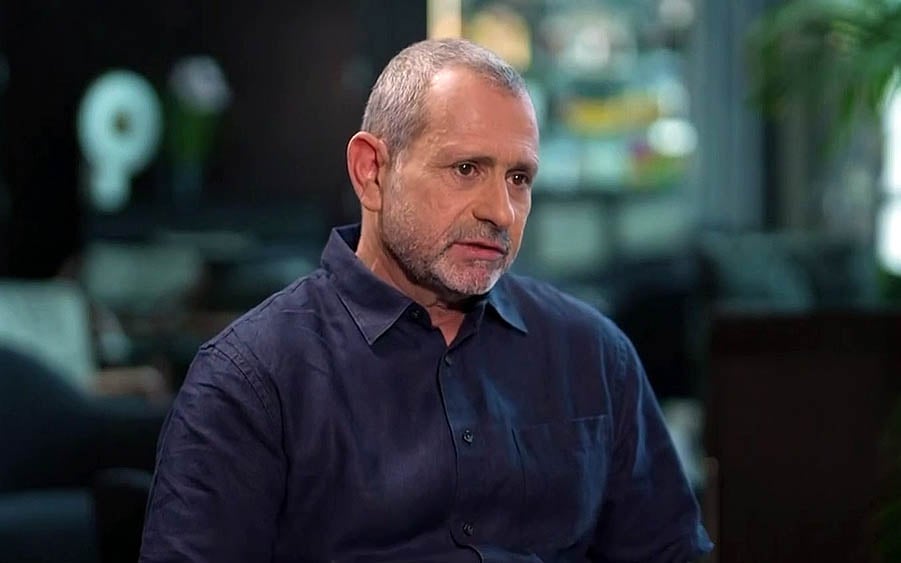
Yedioth also reported that Egypt warned Netanyahu in 2018 that money from Qatar, Turkey and Iran was being transferred directly to Hamas’s military wing rather than solely for civilian purposes.
Ronen Bar, who led the Shin Bet during the October 7, 2023, attack on Israel, wrote shortly before leaving office in June 2025 that “throughout the years, the Shin Bet opposed the transfer of funds from Qatar to the Gaza Strip” and repeatedly warned decision-makers that the money strengthened Hamas and financed military activities.
“Moreover,” Bar wrote, “the Shin Bet presented evidence that the money was indirectly reaching the military wing.”
The Prime Minister’s Office also disputed that account on Friday, asserting that Israel’s security chiefs had supported the Qatari grant as a means of addressing humanitarian needs and maintaining calm in Gaza.
The PMO said that when conflict with Gaza broke out in 2021, “Prime Minister Netanyahu instructed that the Qatari grant be halted immediately. The Bennett-Lapid government [of 2021-2022] reinstated it,” the PMO said, adding that Netanyahu “consistently supported offensive measures in Gaza and never restricted the security establishment.”





The Times of Israel Community.