

US intelligence repeats warning F-35 sale to Saudis could expose tech to China — report
After a general 2025 report, NY Times says new detailed brief calls for Chinese personnel to be blocked from any Saudi bases hosting advanced jets
 Add ToI as a Preferred Source on Google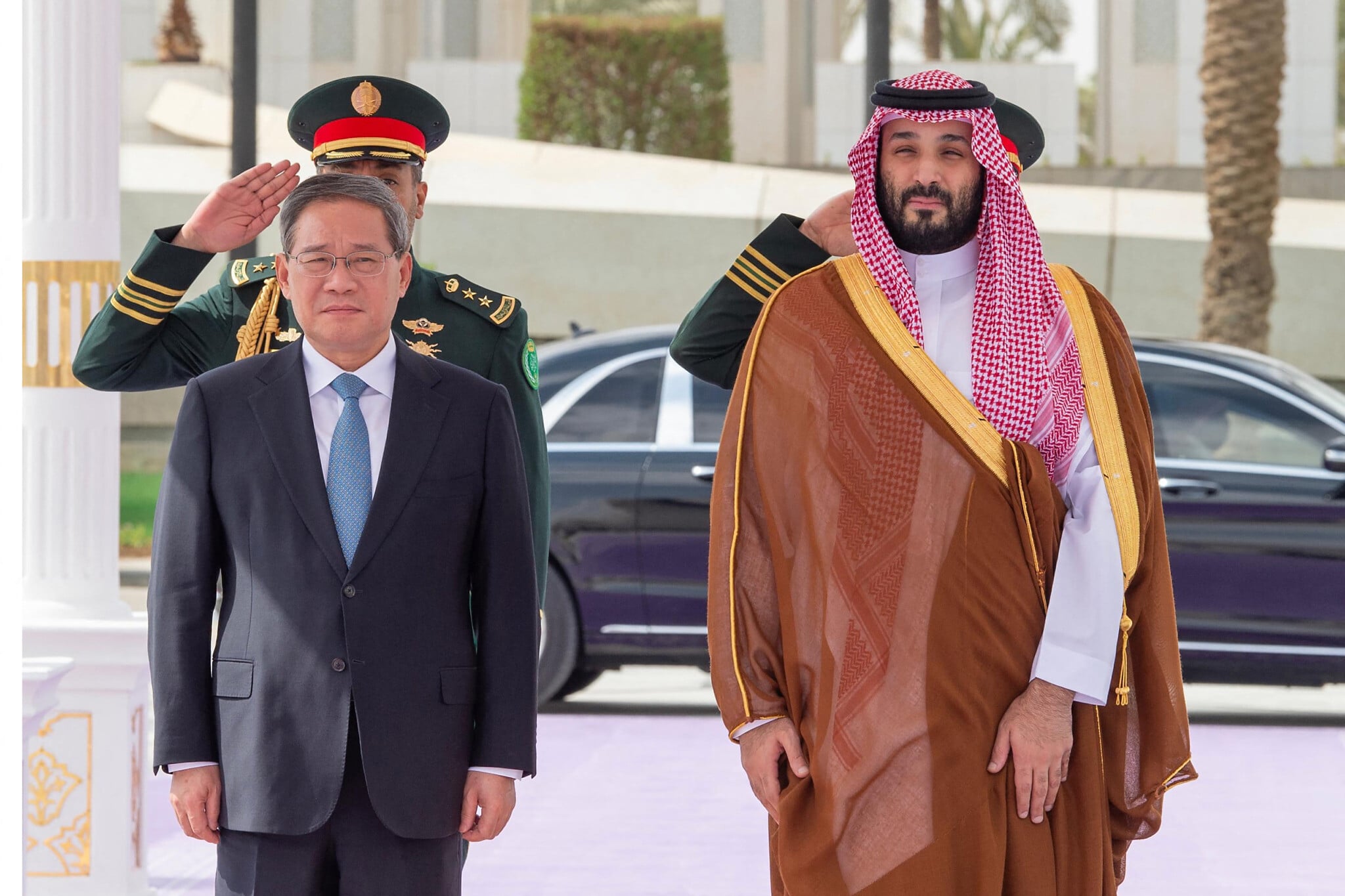
US intelligence analysts have warned that if Washington allows Saudi Arabia to purchase F-35 fighter jets, sensitive technology could wind up in Chinese hands, The New York Times reported on Wednesday.
A Pentagon report issued some months ago noted that Saudi Arabia uses Chinese technology in its telecommunications infrastructure and raised the issue of Chinese access to Saudi military bases, according to the article, which cited a US official.
The brief has circulated in Congress and among officials in US President Donald Trump’s administration, the newspaper said. It was preceded by a more general report in fall 2025.
According to The Times, the more recent report urges that any sites hosting F-35 technology should be accessed only by US and Saudi officers and contractors, despite Riyadh’s general security cooperation with Beijing. Officials are especially worried about the jets’ radar and surveillance technology, the article said.
The US State Department, the Pentagon, and the Saudi Embassy in the US declined to comment, while the White House and Chinese Embassy did not respond to The Times’ questions, the newspaper said.
Trump said last year, ahead of a visit by Saudi Crown Prince Mohammed bin Salman, that the US would sell up to 48 of the fighter jets, worth billions of dollars, to Riyadh as part of a broader package that also saw the Gulf state designated a major non-NATO ally and sign a separate civil nuclear agreement with Washington.
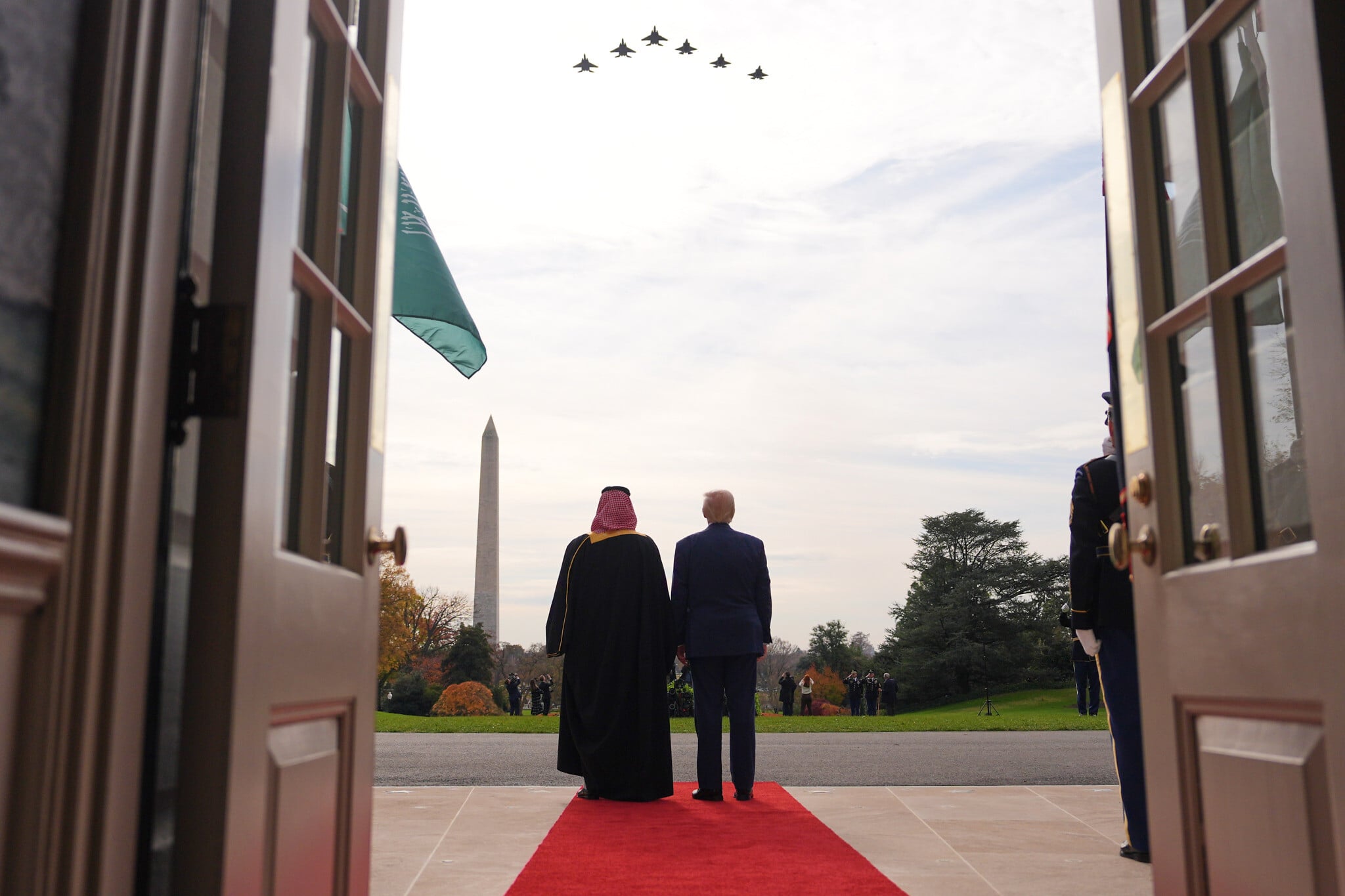
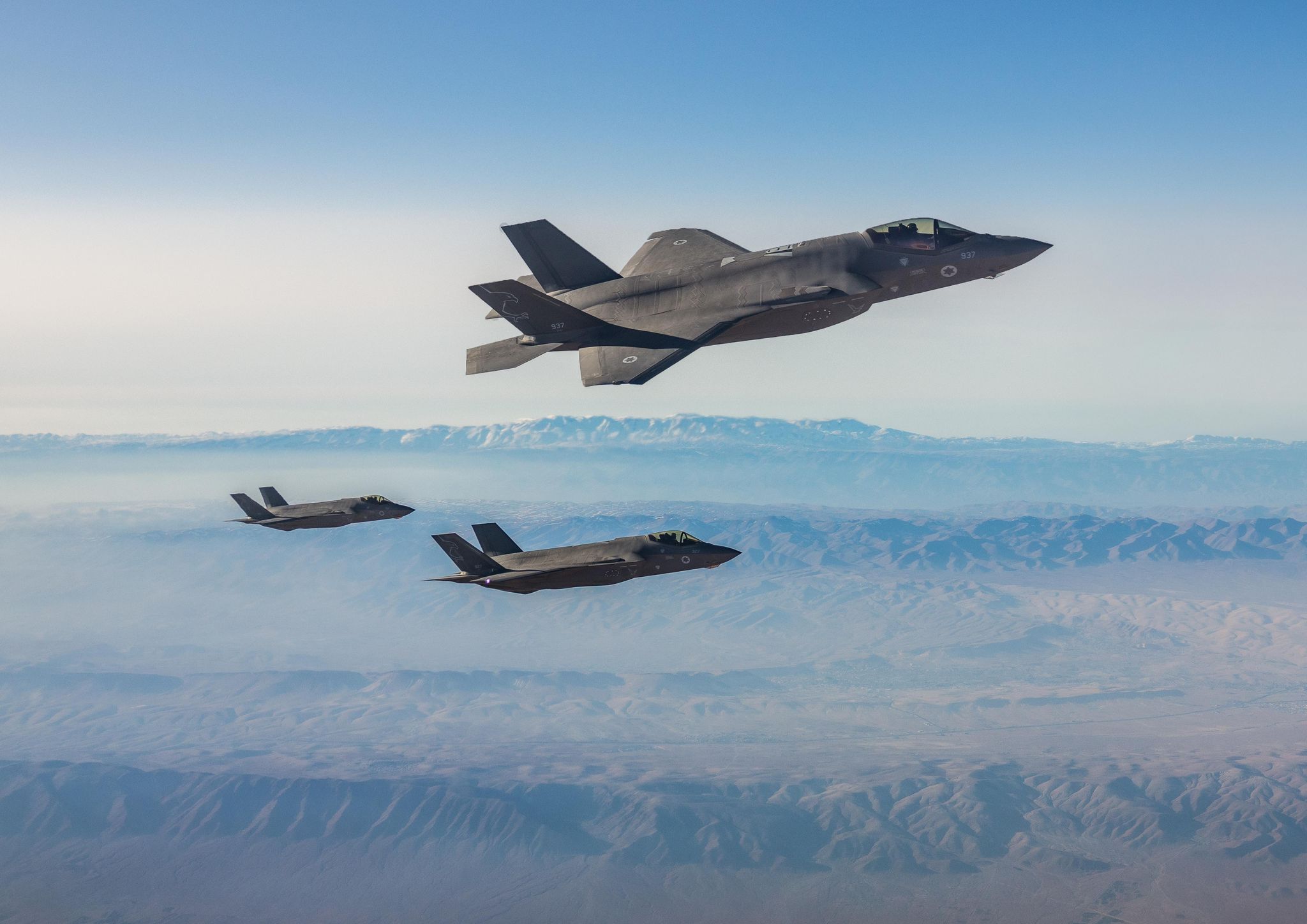
The F-35, built with stealth technology that allows it to evade enemy detection, is considered the world’s most advanced fighter jet.
As of now, Israel is the only country in the Middle East that has F-35s, currently operating 48 of the aircraft with another 52 units on order. The expected sale to the Saudis reignited fears within Israel’s defense establishment over the fragility of its qualitative military edge, which the US has committed to preserve.
In 2020, Israel signed off on US sales of the jet to the UAE, in a move widely considered to be tied to the Emirates’ decision to normalize ties with Israel under the Abraham Accords. The sale fell apart a year later, though, as the Emiratis balked at what they described as excessive American strings attached to the deal.
Many had believed that the US would similarly leverage its agreement to sell the jets and other advanced defense equipment to Riyadh in order to broker a deal for Jerusalem and Saudi Arabia to establish diplomatic ties, but Trump’s announcement came with normalization still largely on hold.
Trump has conditioned a separate deal for a civilian nuclear program on Saudi normalization with Israel.
In the past, Washington has frozen F-35 sales over a partner’s deepening ties with rival powers, including expelling Turkey from the F-35 program in 2019 following its acquisition of the Russian S-400 air defense system.
Despite Ankara’s continued lobbying to return to the program and indications by Trump that he was inclined to sell it the jets, the US has so far kept the door closed, saying Turkey does not meet the legal requirements for the program so long as it possesses the Russian system. Israel, for its part, has also remained firmly opposed to Turkey receiving the jet.
Stav Levaton contributed to this report.








The Times of Israel Community.