

Saudi F-35 sale triggers Israeli concern, though military edge may remain intact
Experts say Israel’s air superiority can withstand US sending advanced fighter jets to Riyadh, but worry deal puts normalization on ice and could trigger regional arms race

 Add ToI as a Preferred Source on Google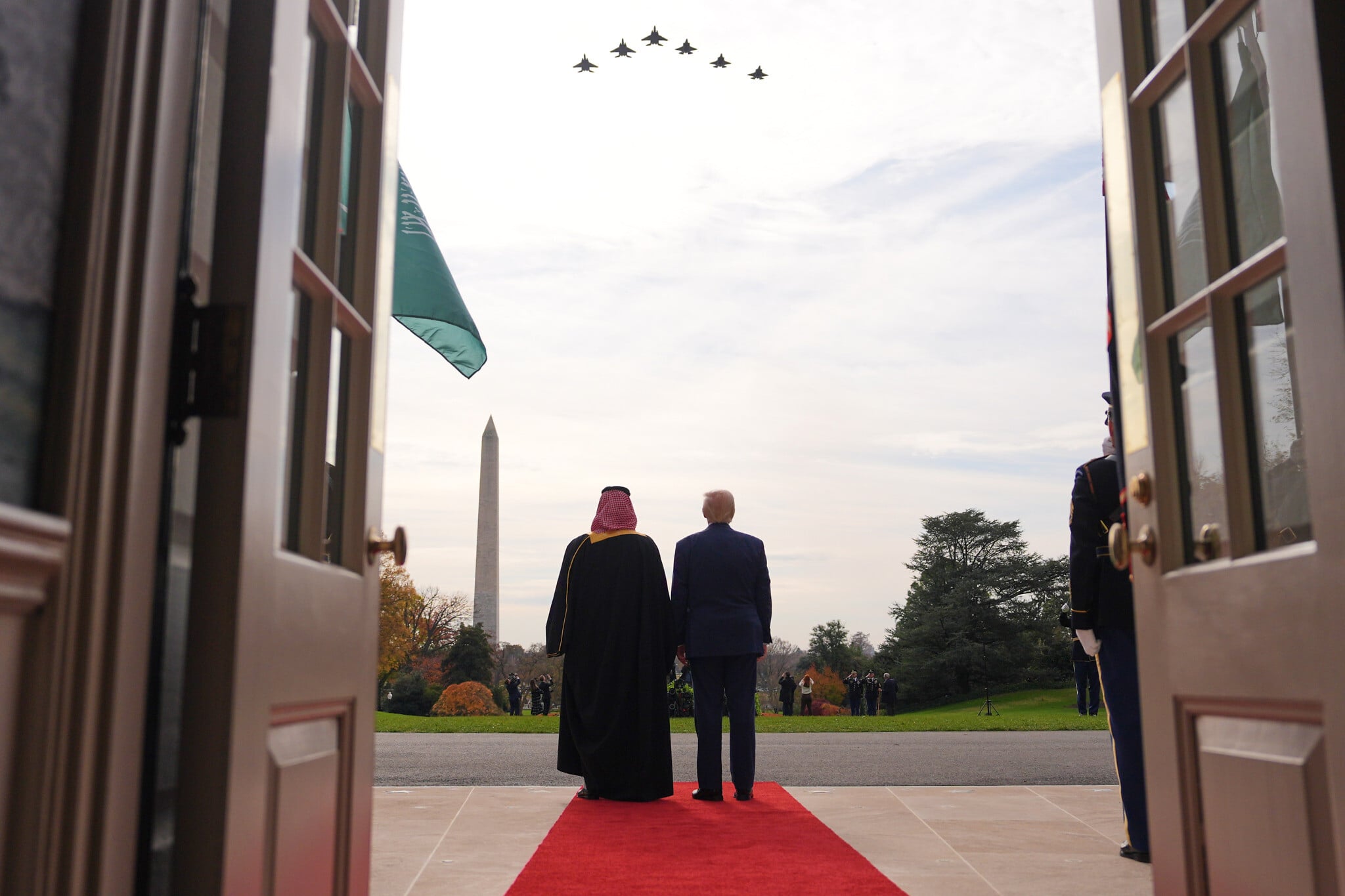
News of Washington’s approval of a future sale of F-35 stealth fighter jets to Saudi Arabia last month has reignited long-standing fears within Israel’s defense establishment over the fragility of its US-guaranteed qualitative military edge.
The concerns surfaced as the Israeli Air Force submitted a formal position paper to political leaders, warning that Israel’s air superiority could be eroded if neighboring states acquire the jet, considered the world’s most advanced fighter aircraft.
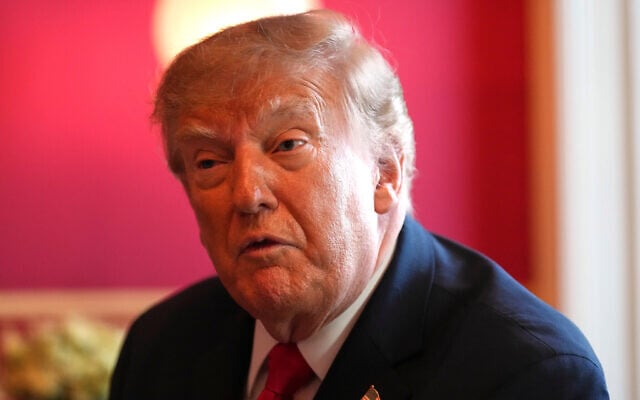
US President Donald Trump confirmed ahead of a visit by Saudi Crown Prince Mohammed bin Salman that the US would move ahead with the sale of up to 48 of the fighter jets, worth billions of dollars, as part of a broader package that also saw Riyadh designated a major non-NATO ally and sign a separate civil nuclear agreement with Washington.
The sale still requires congressional approval, and delivery of the planes is not expected for several years — assuming it moves forward at all. But the announcement was enough to jolt Jerusalem. On its face, the sale would seem to be a blow to the US commitment to Israel’s qualitative military edge, or QME, meant to keep the Israel Defense Forces a step ahead of other Middle Eastern militaries that could threaten it.
Israeli officials have nonetheless attempted to project calm.
“The United States and Israel have a long-standing understanding that Israel maintains the qualitative edge when it comes to its defense,” government spokesperson Shosh Bedrosian told reporters after the sale announcement. “That has been true yesterday, that has been true today, and the prime minister believes that will be true tomorrow.”
Indeed, there are reasons to believe that the sale might not be the death knell to the QME that it seems. But experts warn that that there are other reasons for Israel to be concerned over the deal, including the fact that the planes will be going to a country that has not established ties with Israel, rather than being used, as was previously expected, to leverage normalization.
Putting the Q in QME
Part of the anxiety stems from the groundbreaking nature of the aircraft itself.
“The F-35 is the best fighter aircraft in the world,” US Air Force Gen. (ret.) Charles Wald, former commander of US Central Command Air Forces, told The Times of Israel. “Mainly because of the avionics and computing power it has.”
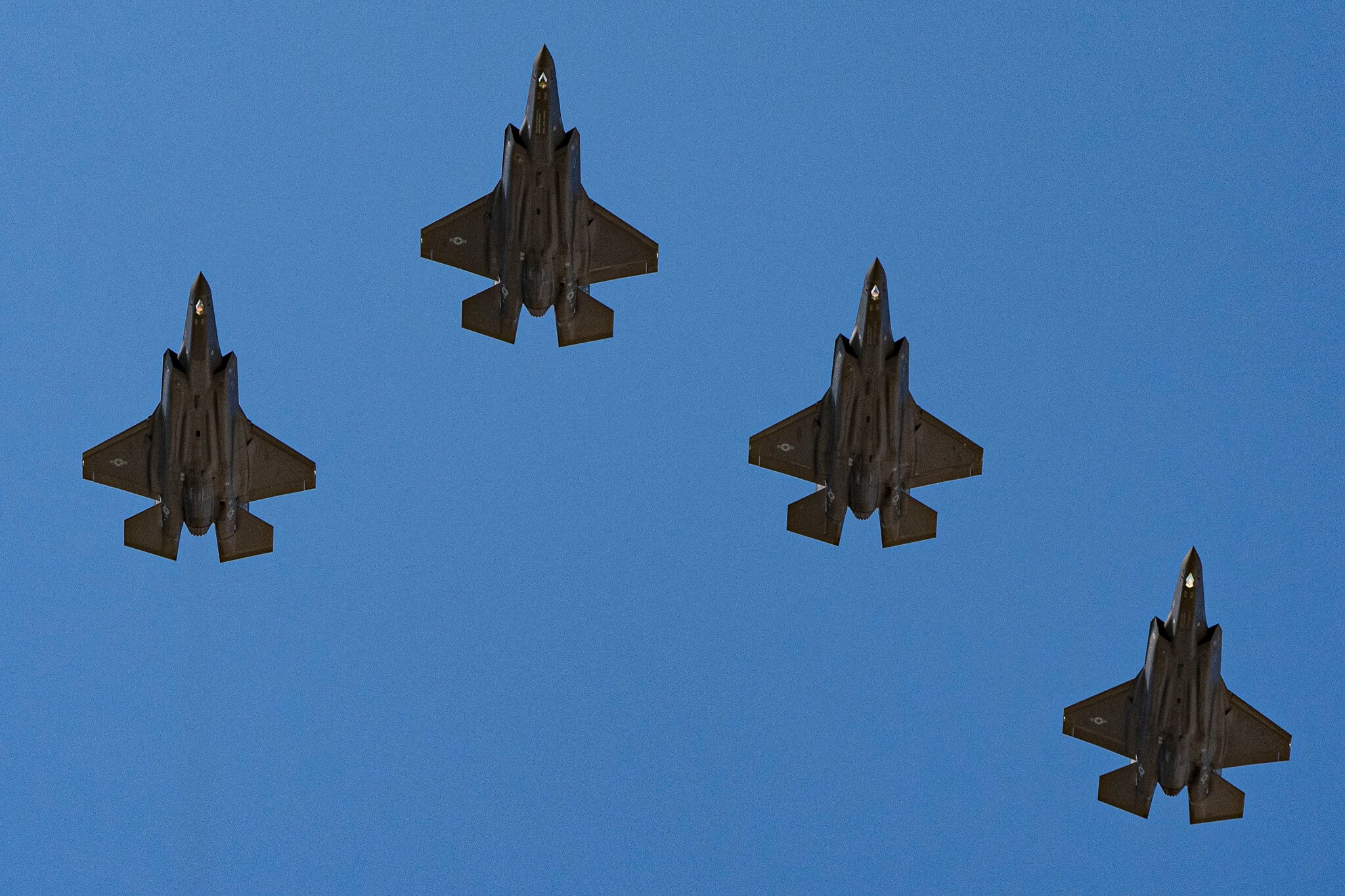
The jet’s avionics run on more than 25 million lines of computer code — far beyond the 1-2 million typical of Israel’s other fighter platforms — enabling targets to be detected and tracked via the advanced AN/APG-81 Active Electronically Scanned Array radar.
The system outperforms earlier radars by combining long-range detection, high-resolution mapping, and electronic warfare tools into a single sensor, allowing the jet to spot hidden or fast-moving threats and instantly share that data with other aircraft.
Wald compared the plane to a compact version of an AWACS, the lumbering command-and-control aircraft that scan for threats and direct missions.
While the F-35’s stealth strike capabilities and maneuverability don’t quite match those of the F-22 Raptor, its ability to act as a mobile command center capable of coordinating operations in real time make it a game-changer in war. This is true of all F-35 variants, though the Israeli version, the F-35i, contains modifications that allow it to work with locally produced weapons and sensors unavailable to other countries.
Israel’s own operational experience underscores that advantage. During Israel’s 12-day campaign against Iran in June, the F-35s’ ability to enter Iranian airspace and provide targeting data was “game-changing,” Wald said.
“It enabled the F-15s and F-16s to be very effective right over Iran itself,” said Wald, referring to the older, less advanced American aircraft that still make up much of Israel’s fleet.
Even US pilots recognize the difference: “F-22 pilots have told me they don’t want to go to war without the F-35,” he added.
The F-22, operated exclusively by the US Air Force, is the world’s most advanced air-superiority fighter, built for unmatched speed, maneuverability, and stealth in air-to-air combat.
Due to the F-35’s unmatched capabilities, multiple Middle Eastern countries have long sought to acquire the advanced fighter, but Israel remains the only regional operator, receiving its first two F-35s at Nevatim Airbase in southern Israel in 2016. Today, the air force has 42 of the fighter jets in its arsenal, with more to be delivered in the coming years.
Quality humans
The promise to maintain Israel’s qualitative military edge, or QME, isn’t just an American platitude but a law passed by Congress in 2008. The legislation, which enshrined long-standing policy, requires Washington to ensure Jerusalem maintains both technological superiority and operational capability over any potential adversary in the Middle East.
That guarantee has historically shaped — and often limited — what the US is willing to sell to regional partners.
For years, Israel has worked to block the sale of F-35s to its neighbors. It is currently the only Middle Eastern country flying the aircraft, and most of its fleet includes Israeli-designed modifications. These include unique electronic warfare suites, indigenous command-and-control and communications systems, and software access that allows Israel to plug its own weapons, sensors, and mission data into the jet — customizations not available to any other operator, including the US.
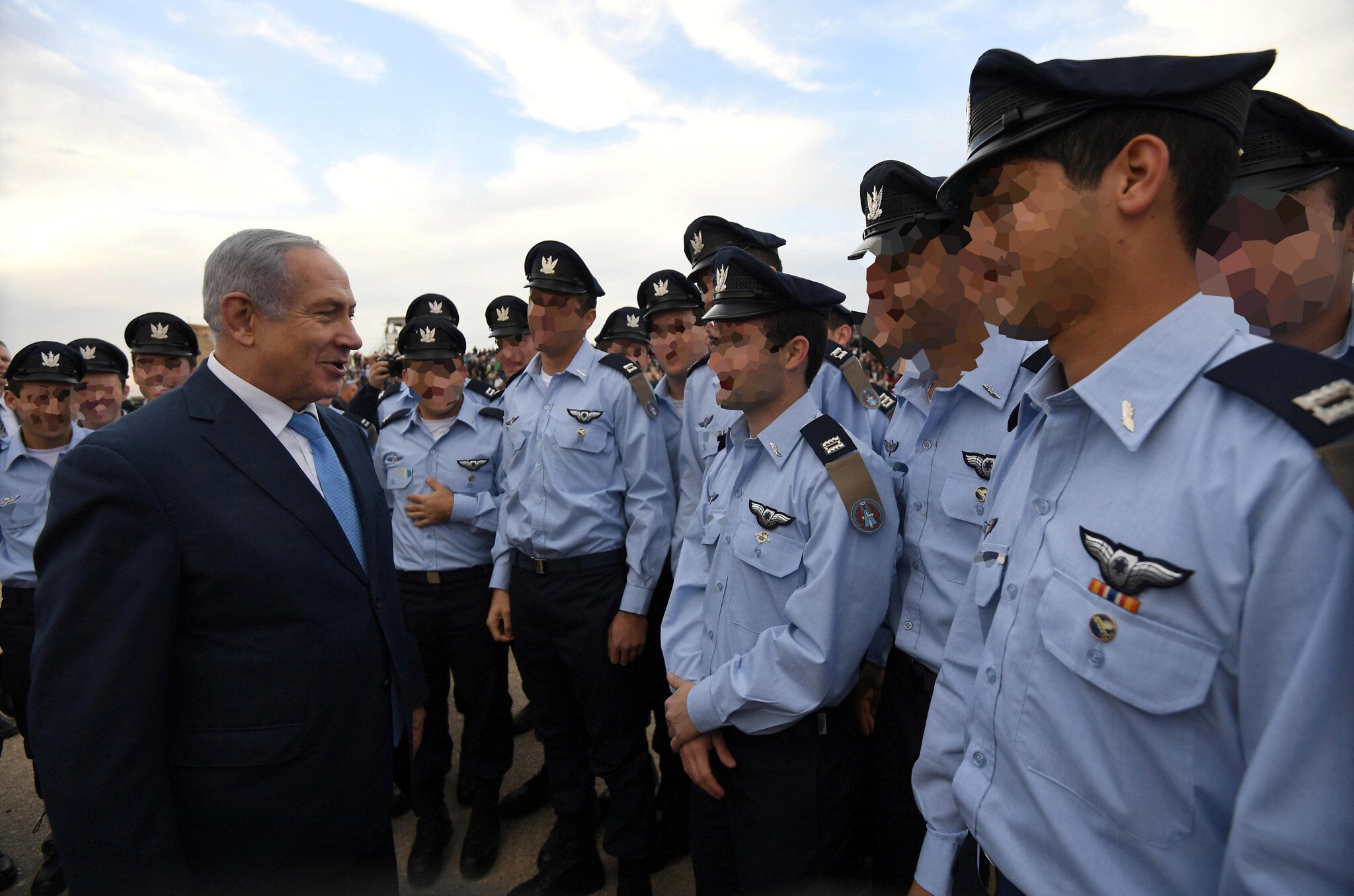
However, Wald emphasized that Israel’s QME is not only rooted in its superior technological advancements, but also in the quality of the soldiers operating said technology.
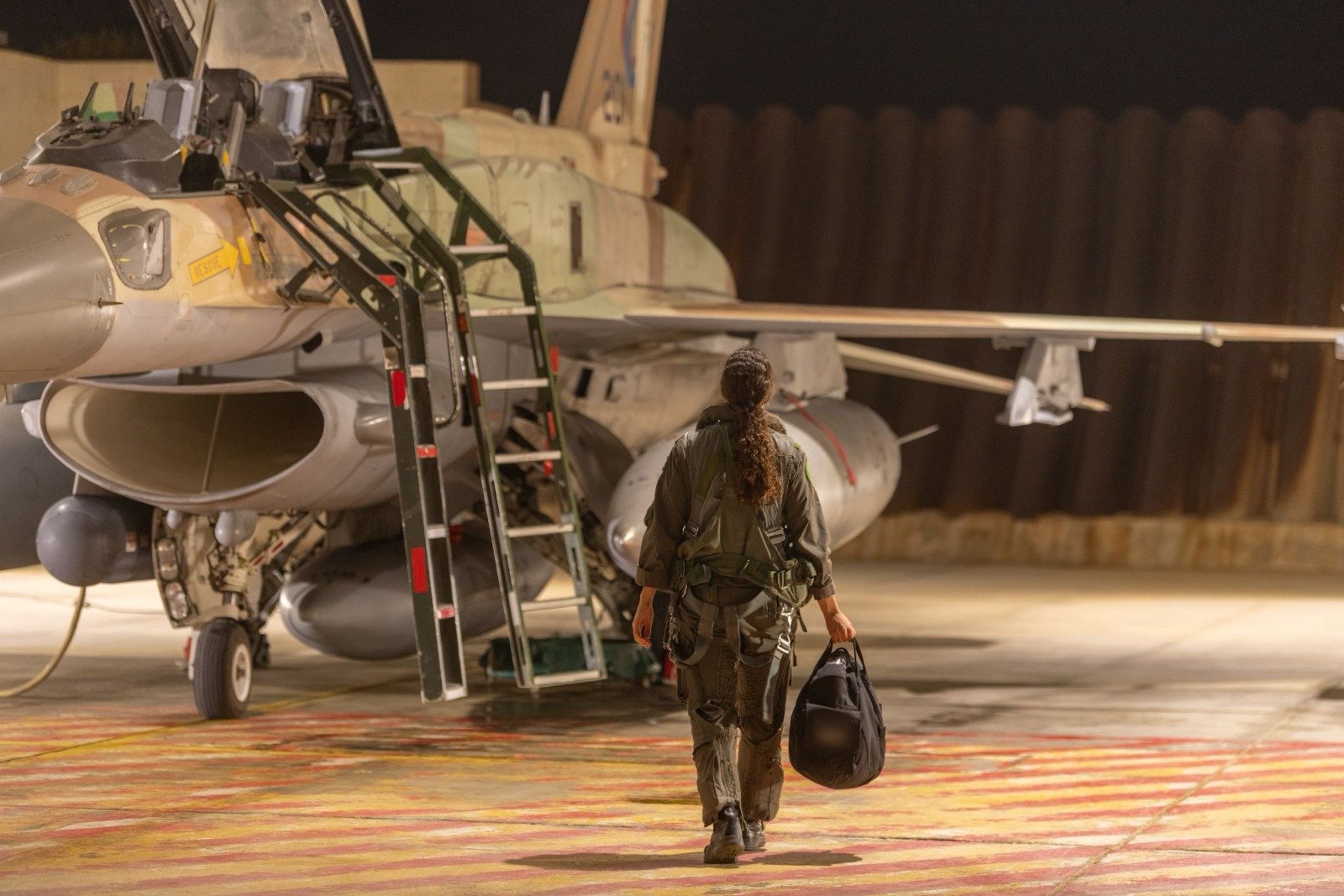
“There are no better pilots in the world than those in the Israeli Air Force,” he said, pointing to the legendary 1982 Operation Mole Cricket 19, when Israeli pilots decimated Syrian aircraft and air defense systems without suffering any losses. “I don’t think there’s any QME threat out there.”
“The Saudis aren’t that good at flying… their culture isn’t the same as the Israelis,” he added. “I don’t think the Saudis are ever going to be close to the Israeli Air Force.”
In fact, human performance was once the central pillar of Israel’s QME. In an influential 2016 study on how Israel defines “quality,” Brig. Gen. (Res.) Meir Finkel determined that Israel’s qualitative edge was originally built on the superiority of its soldiers rather than on platforms.
Finkel noted that until the late 1980s, Israel placed the human element at the core of its advantage over numerically superior Arab militaries. Only in the 1990s did Israel begin a transition toward technology as the primary component of its QME, a shift that became dominant from the mid-1990s onward as advanced systems increasingly served to reduce casualties and compensate for growing societal sensitivity to losses.
Yoel Guzansky, head of the Gulf Program at the Institute for National Security Studies in Tel Aviv, agreed that the sale will not immediately endanger Israel’s advantage.
“We’re not even close to that stage,” he said, stressing that it will take years until the Saudis actually receive the F-35s, if they do at all. “Until then, Israel could get a better model.”
Still, Guzansky warned that the decision is not without cost, expressing concern that the sale could trigger “some sort of arms race” in the region, with Qatar, the United Arab Emirates, and Turkey all expressing interest in acquiring the aircraft.
“It’s not good for Israel that [the sale] will happen. If Israel could choose, it would choose otherwise,” he said. “The state of Israel’s QME is not as good as it was before Trump’s decision to sell the plane.”
Mind your peace and QMEs
While Israeli officials and experts debate the long-term implications for Israel’s military edge, the approval of the F-35 sale may be more significant as a diplomatic signal than a military one.
According to Guzansky, the announcement suggests that Saudi Arabia may have agreed — at least partially — to limit elements of its deepening cooperation with China, a core US demand.
“Once the president announced the deal, it signaled that behind the scenes, there is a lot of advancement. It means the Saudis probably made a decision to curb some of their connections with the Chinese,” he said.
A recent Pentagon intelligence report warned, according to The New York Times, that the proposed sale of F-35 fighters to Saudi Arabia could inadvertently grant Beijing access to the technology, either by espionage or through burgeoning defense ties.
In the past, Washington has frozen F-35 sales over a partner’s deepening ties with rival powers, including Turkey’s expulsion from the F-35 program in 2019, following its acquisition of the Russian S-400 air defense system.
Despite Ankara’s continued lobbying to return to the program and recent signs of renewed dialogue with Washington on military cooperation, the US has kept the door closed. Israel, for its part, has also remained firmly opposed to Turkey receiving the jet.
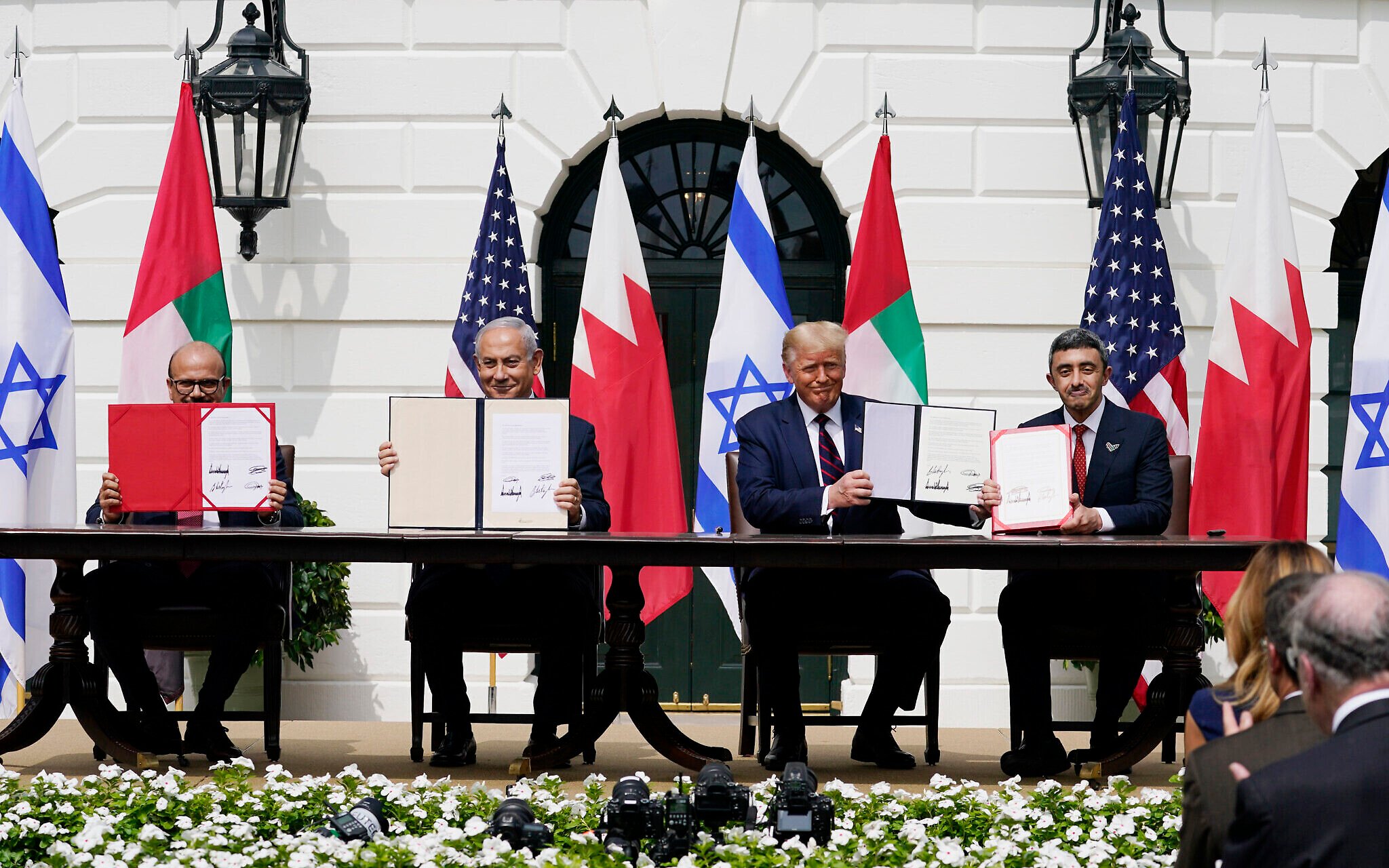
In 2020, Israel signed off on US sales of the jet to the UAE, in a move widely considered to be tied to the Emirates’ decision to normalize ties with Israel under the Abraham Accords. The sale fell apart a year later, though, as the Emiratis balked at what they described as excessive American strings attached to the deal.
Many had believed that the US would similarly leverage its agreement to sell the jets and other advanced defense equipment to Riyadh in order to broker a deal for Jerusalem and Riyadh to establish diplomatic ties.
But Trump’s announcement came with normalization still largely on hold, raising concerns in Israel that it will now be even more difficult to bring Riyadh into the Abraham Accords.
“Those planes were promised to any country that normalized relations with Israel,” Guzansky noted. “And here, the Saudis are potentially getting things that were supposed to be given to them only if they would normalize. My fear is that their motivation to normalize will be jeopardized.”
Wald, too, argued that any F-35 sale should be tied directly to normalization.
“The Abraham Accords should come first,” he said. “If the Saudis can join, then they can be integrated into the defense of the region against Iran.”
Saudi Arabia is not a signatory to the Abraham Accords, but it has long been viewed as the ultimate prize in the regional normalization process. However, Riyadh has held back from formal diplomatic ties with Israel, insisting that any agreement must address Palestinian statehood.
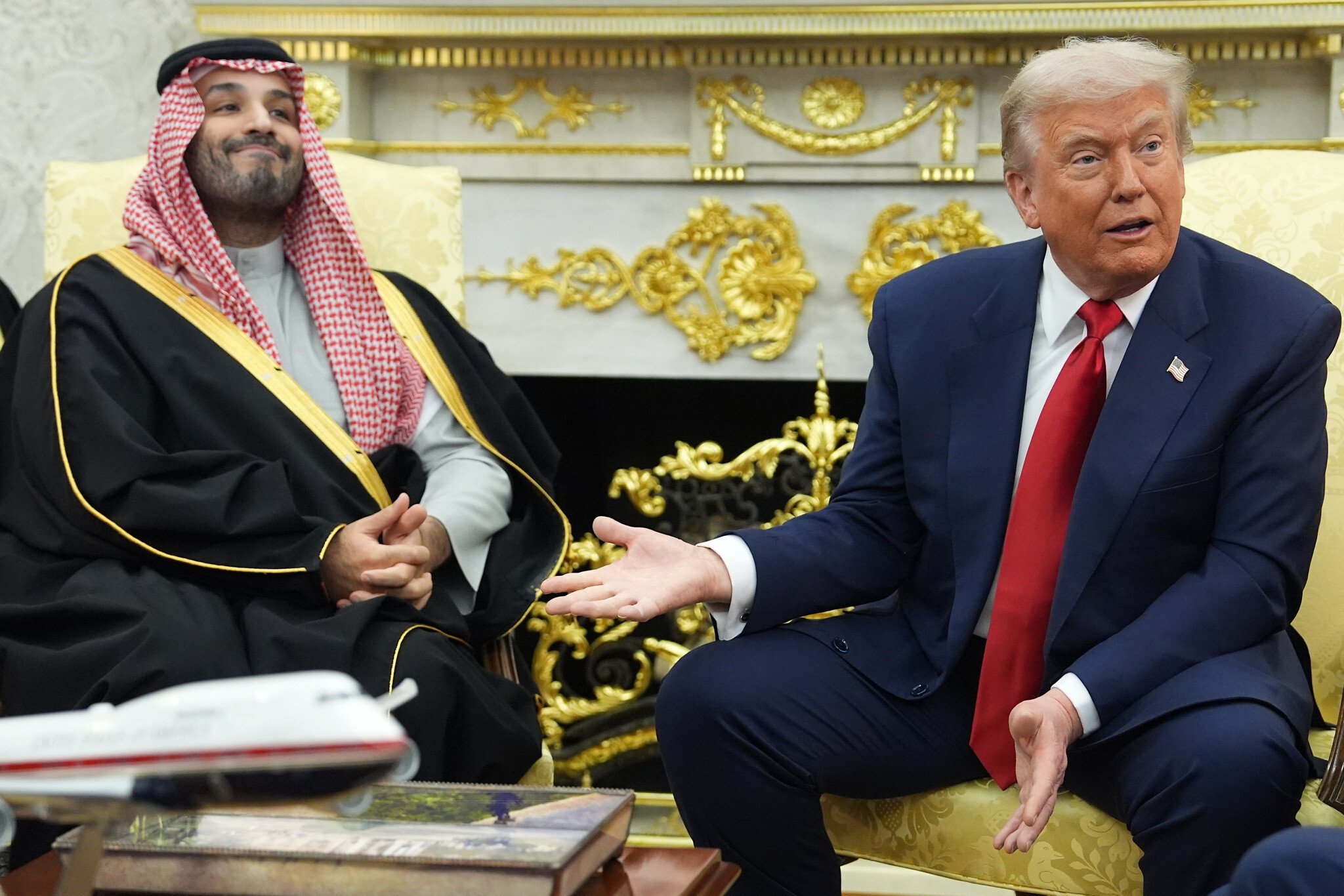
“We want to be part of the Abraham Accords, but we want also to be sure that [we] secure a clear path [toward a] two-state solution,” bin Salman said in November during his White House meeting with the US president.
For now, Guzansky said that Trump still has “some cards up his sleeve,” keeping the delivery timeline — and any potential conditions — deliberately vague.
“He gave them a promise of the plane,” he said, “but other issues, and delivery of the plane itself, will take time.”






The Times of Israel Community.