

Italy says thousands of schools have received bomb threats over past two days
After mass evacuations, Meloni government says it will implement new protocols for dealing with security threats amid wave of similar hoaxes and cybersecurity breaches in Europe
 Add ToI as a Preferred Source on Google
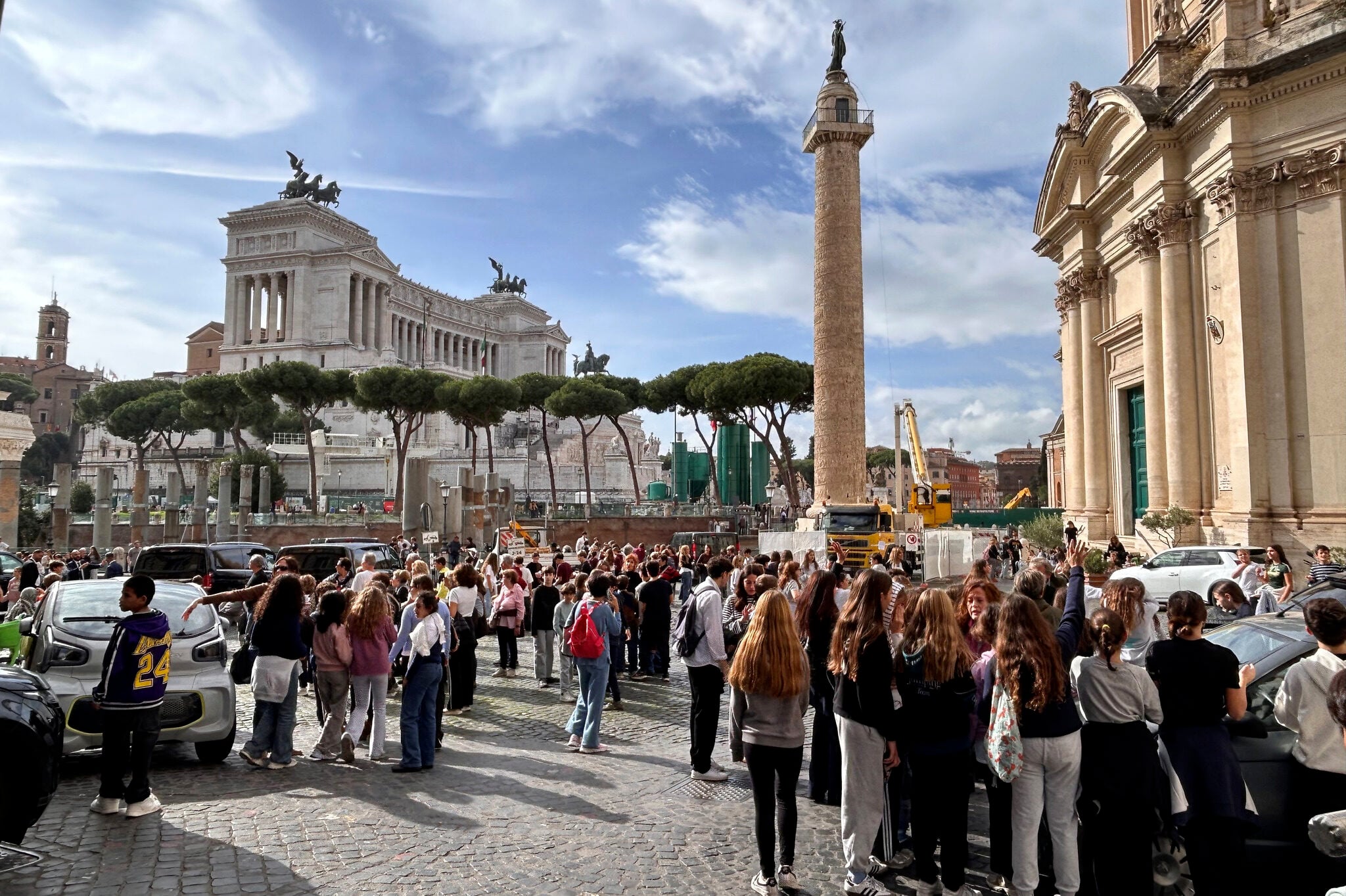
ROME — Italy’s government said on Thursday that 1,803 schools had been targeted by emails containing bomb threats, as it faced a second day of mass threat emails that forced the evacuations of schools across the country.
On Wednesday, schools across Italy were emptied after about 6,300 of them received bomb threats, the latest in a series of hoaxes and cyberattacks that have recently targeted schools, supermarkets, blood banks, air traffic systems and broadcasters across Europe.
Responding to the phenomenon, the Italian government said Thursday that it will introduce new measures for handling security alerts, including mass threat emails, under which buildings would generally not be evacuated unless there is concrete evidence of danger.
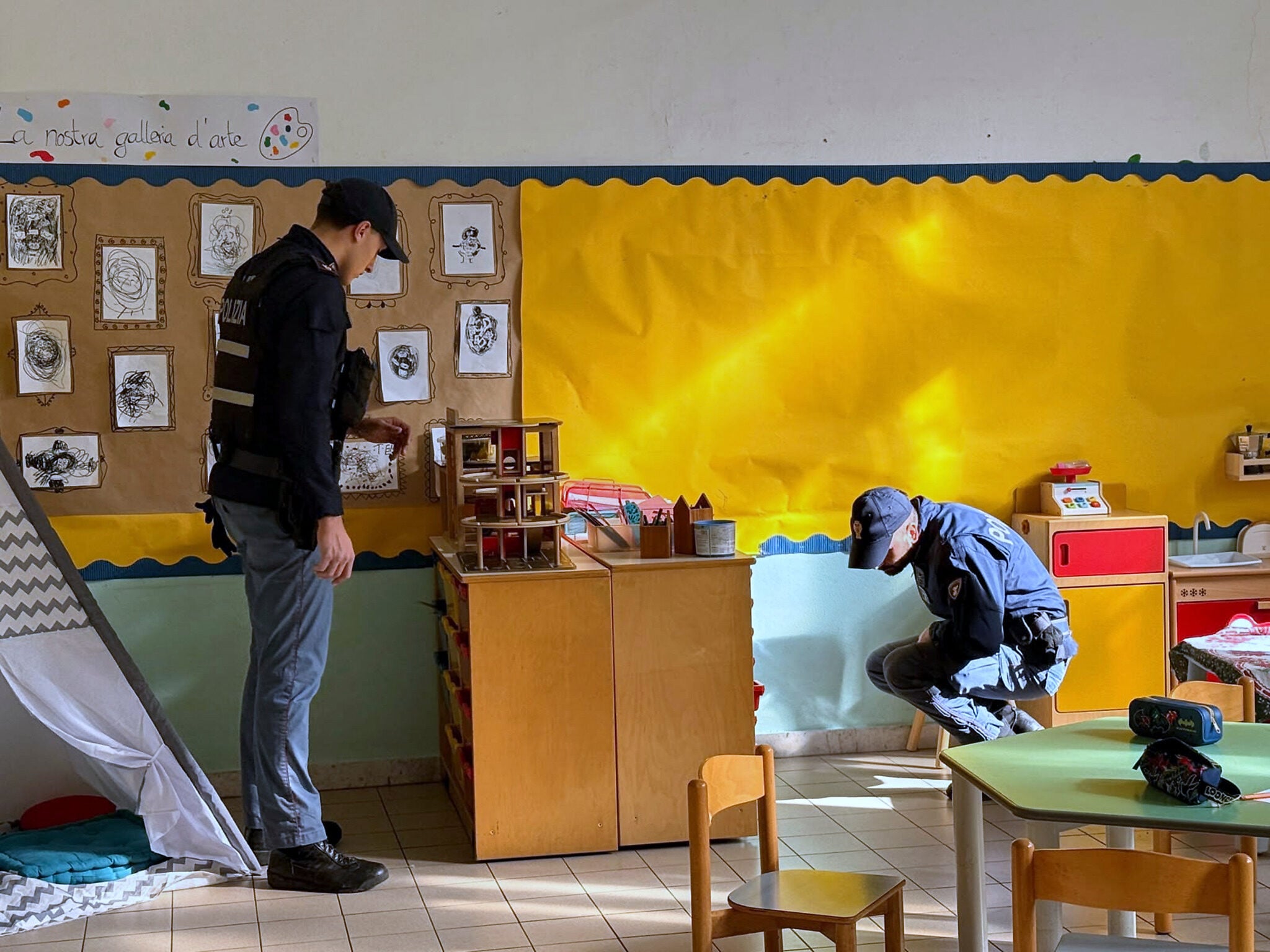
Many schools closed immediately after receiving the warnings, causing widespread disruption as parents rushed to collect their children and concern spread across social media. More alarms were reported on Thursday, and some schools were again shut down.
Police in Rome said reports of threats had been received from a number of schools, although on a smaller scale than on Wednesday, and that “there was nothing to substantiate them.”
Prime Minister Giorgia Meloni called opposition leaders to her office for talks on how to deal with similar incidents.
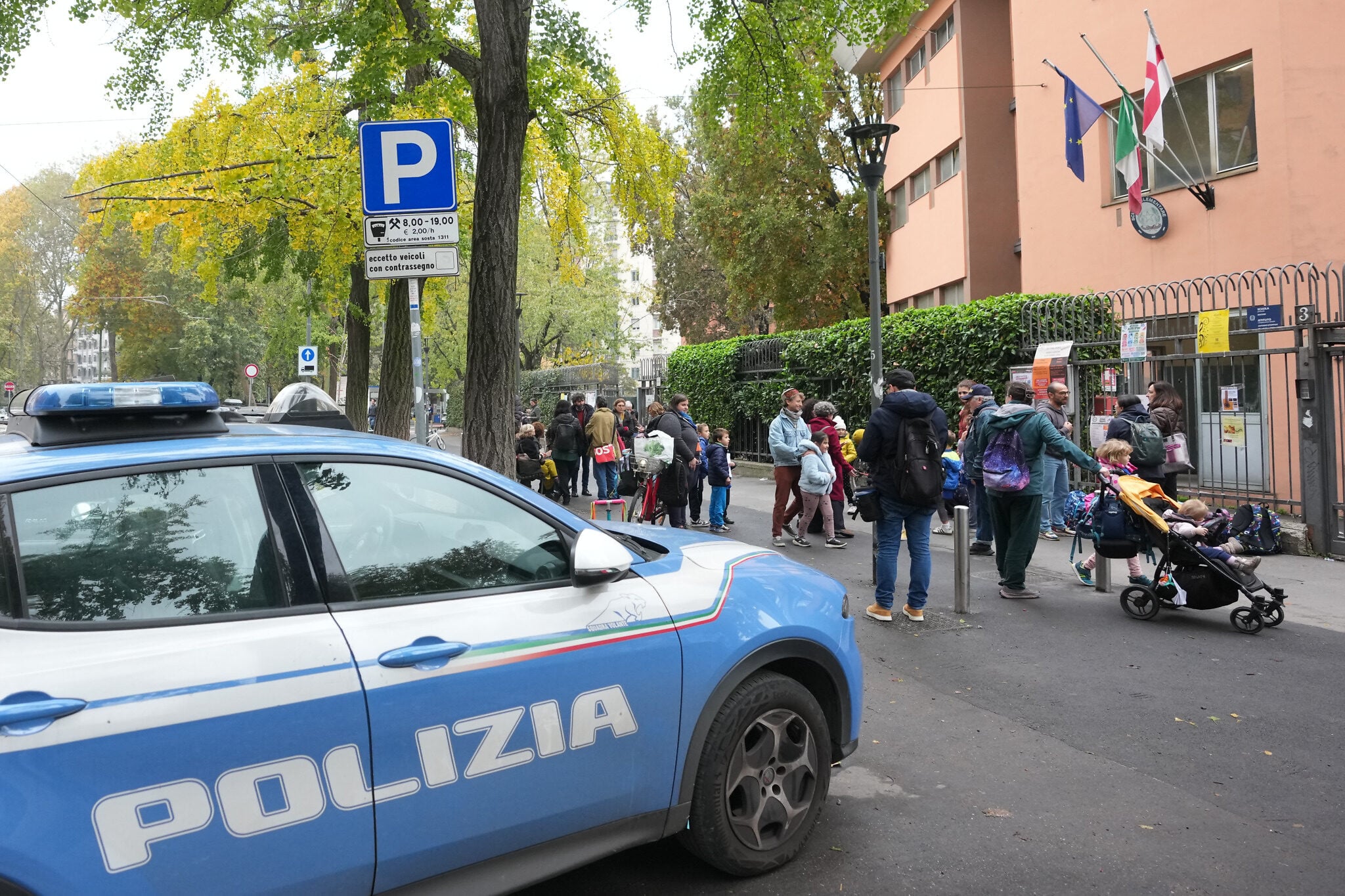
“Buildings should not be evacuated in the absence of concrete elements beyond the mere receipt of a mass email that would suggest a genuine danger exists,” the prime minister’s office said.
Some European officials suspect Russia may be behind a campaign of disruption to everyday life in European nations supporting Ukraine after Moscow’s invasion.
Italian officials have so far said there was no evidence of that. Russia denies involvement and accuses the West of a smear campaign.
Opposition leaders criticize Meloni
After the two-hour meeting, opposition leaders from the center and left said it was up to the government to come forward with proposals to address such threats, but criticized Meloni for what they described as inadequate investment in cybersecurity.
“How has the money been spent so far? Yesterday’s alarm could have been dealt with using a good antivirus program,” said former prime minister Matteo Renzi, leader of the centrist Italia Viva party.
Italy was not the only country targeted by the campaign, but its initial response caused more disruption.
Authorities in Scotland, Northern Ireland and the Republic of Ireland said many schools had received similar threatening emails from abroad, but classified them as hoaxes and allowed classes to continue.
“We asked the prime minister why, in Ireland, authorities had warned schools in advance and told them to remain open because the emails were not considered a threat,” said Nicola Fratoianni of the Green-Left Alliance.
Opposition parties have accused Meloni of prioritizing spending on conventional military equipment while neglecting what they say are more pressing cyber threats.
“We need stronger coordination among the bodies responsible for cybersecurity, and we have proposed shifting part of the available resources towards cyber defenses,” said Elly Schlein, the leader of the main opposition Democratic Party.



The Times of Israel Community.