

Eisenkot, Liberman said to greenlight outreach to Haredim, reach agreement on Knesset speaker
Yisrael Beytenu party chief said to reassure Eisenkot he can get ultra-Orthodox on board, and isn’t seeking PM job; Eisenkot may be tapped as speaker while he assembles government
 Add ToI as a Preferred Source on Google
Stav Levaton is a military reporter for The Times of Israel
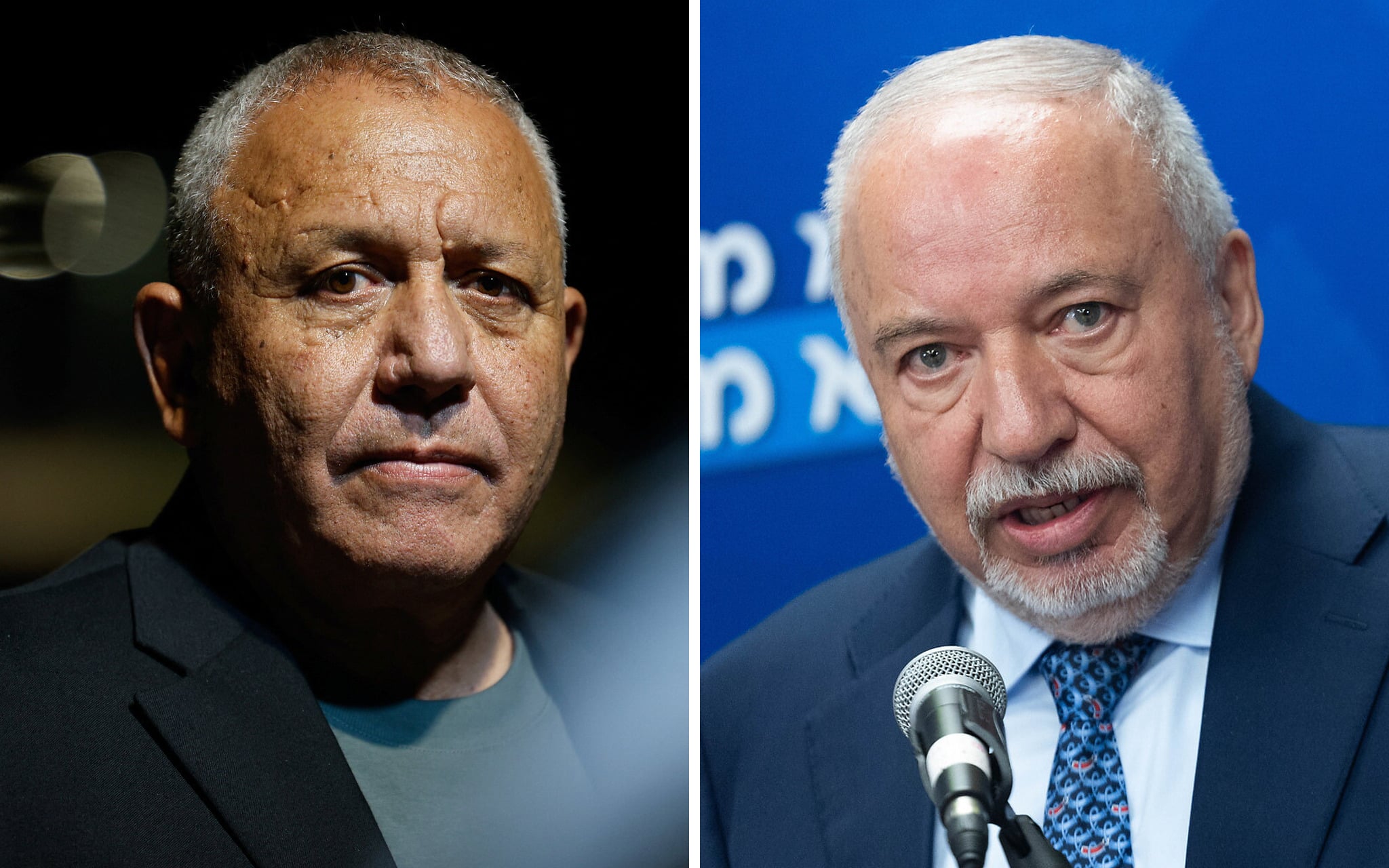
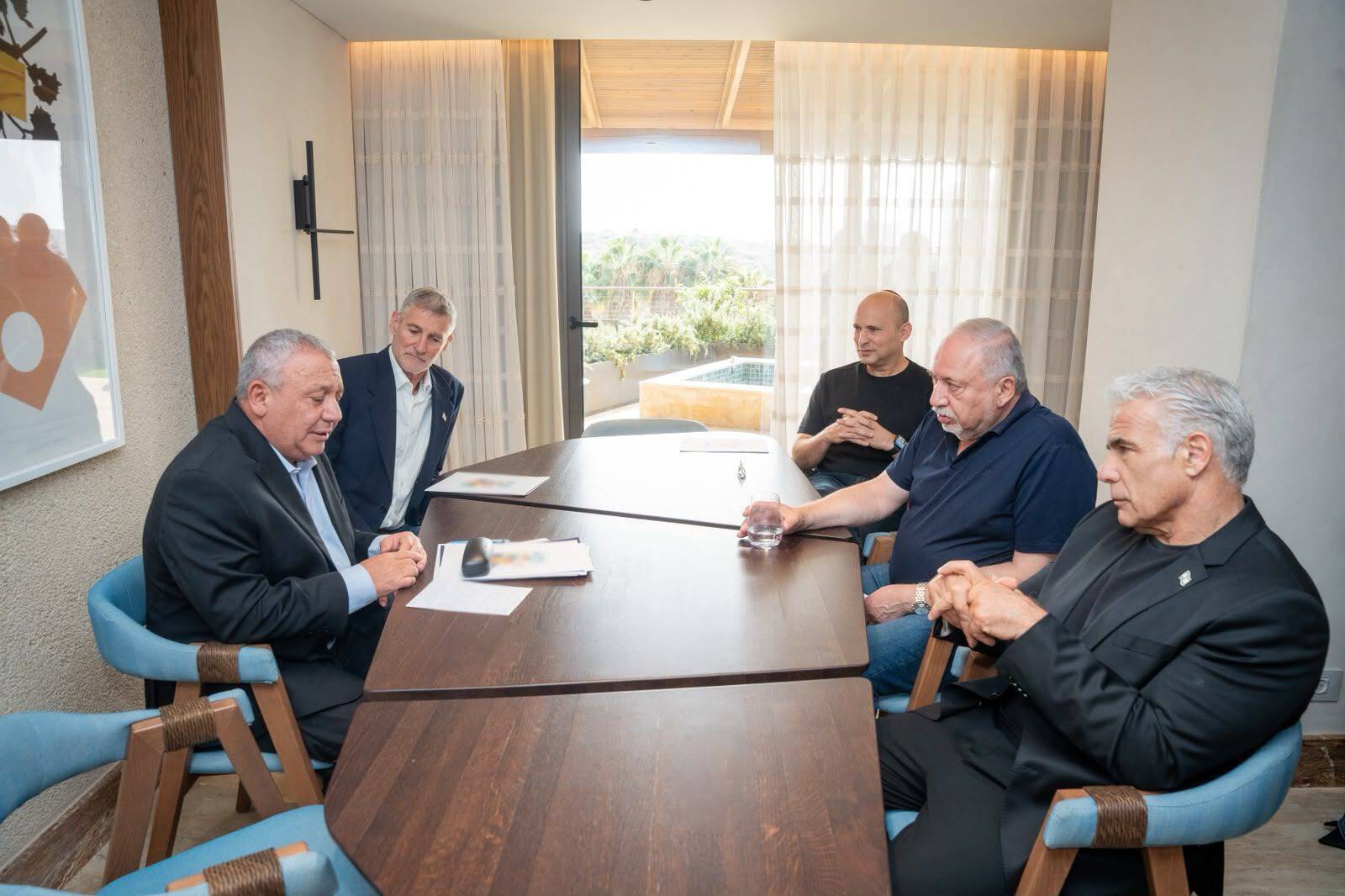
Gadi Eisenkot and Avigdor Liberman reportedly agreed at a meeting on Monday that the next Knesset speaker should come from within Eisenkot’s Yashar party, while the Eisenkot-led opposition reaches out to ultra-Orthodox parties to join its intended coalition.
The meeting aimed to advance Eisenkot’s efforts to form a government anchored by the bloc of 48 lawmakers he leads. Because that bloc is short of a 61-seat majority in the Knesset, its members have floated the possibility of first replacing Knesset Speaker Amir Ohana, which would enable them to advance legislation while Eisenkot persuades other parties to support his coalition.
Liberman, chair of the hawkish Yisrael Beytenu party, declared on Friday that the bloc should partner with the ultra-Orthodox parties, United Torah Judaism and Shas, despite significant differences on policy. At their meeting, Eisenkot and Liberman reportedly greenlit that effort, which would include drafting a softened version of an IDF enlistment bill.
Eisenkot’s bloc ran on a platform of universal military service, which the Haredi parties staunchly oppose. But UTJ, a longtime ally of Prime Minister Benjamin Netanyahu, has also been frustrated with him for not passing legislation exempting yeshiva students from the draft, and declined to back him for another term. Shas has remained in Netanyahu’s camp.
Earlier on Monday, UTJ said it would not join the opposition in voting to replace Ohana, a Netanyahu ally, before a government is formed. But the opposition, together with Arab-led parties, still has a majority opposed to Ohana.
According to a Haaretz report, the Yashar party candidate for Knesset speaker is likely to be Eisenkot himself, serving in the role temporarily as he attempts to put together a government.
Some reports indicated that Liberman and Eisenkot still need to discuss the proposal with the other leaders of their bloc — B’Yachad chair Naftali Bennett and Democrats chair Yair Golan — and are holding off on an announcement until they have done so. However, Haaretz reported that the whole bloc has agreed to Yashar’s control over the speaker role.
Reports last week suggested that the opposition bloc leaders had floated appointing B’Yachad No. 2 Yair Lapid to the position of Knesset speaker, an idea Liberman publicly endorsed.
In a statement Monday, Yashar described the meeting with Liberman as a “constructive and productive discussion.”
Ohana cannot block a vote to elect his successor, which requires only a simple majority of 61, provided the opposition parties agree on a candidate. He has said he will schedule a discussion on the matter after the Knesset convenes on Tuesday if a majority of MKs request one, probably for next week.
If the opposition elects a new speaker, and takes control of the Knesset Arrangements Committee, it could potentially pass bills Netanyahu has blocked, including establishing a state commission of inquiry into the Hamas-led October 7, 2023, attack, though the legislative process would be complex.
Liberman urges Eisenkot to turn toward Haredim
According to the Ynet news site, Liberman told Eisenkot during their sit-down to reject the idea of cooperating with the Arab parties in building a government, an idea Liberman has ruled out. Instead, Liberman promised to somehow secure the support of Shas and UTJ despite his years of vehemently opposing them.
Liberman reportedly made the case that a government relying on the Arab parties would be unstable.
The news outlet quoted Liberman as telling Eisenkot that “Netanyahu wants us to establish a government with the Arab parties. It’s good for him. A government with the Haredim stresses him out; he knows it can last for four years.”
Channel 13 news reported that Liberman also assured Eisenkot, “You’ll be the prime minister; I’m not seeking the job for myself,” amid reports of a possible rotation agreement within the bloc. During the campaign, Liberman openly positioned himself as a prime ministerial candidate.

The Yisrael Beytenu chairman reportedly sought to assure Eisenkot that he believed a government could be established, but that it would take time: “Give me time to work… You have to prepare your party and the bloc for compromise,” he reportedly said.
Senior rabbis in UTJ are interested in negotiating with Eisenkot about joining his coalition, the Kan public broadcaster reported Monday evening. But the party reportedly has yet to be approached officially, and no talks have taken place between its leaders and the opposition bloc.
Channel 12, however, reported that discussions were at an early stage. The ultra-Orthodox parties are expected to seek a one-year, possibly 18-month, transitional arrangement to work out a broader draft framework. During that period, there would be no meaningful enlistment, sanctions, or arrests of Haredi draft dodgers, the report claimed.
The parties were also reportedly seeking assurances from Attorney General Gali Baharav-Miara and the Knesset Foreign Affairs and Defense Committee’s legal adviser that such an arrangement would pass legal scrutiny, as legislation may be needed to set policy on conscription, rather than a government decision alone.
As the opposition parties gear up to court the Haredi factions, Netanyahu is reportedly trying to pressure ultra-Orthodox spiritual leaders to oppose any Eisenkot-led government.
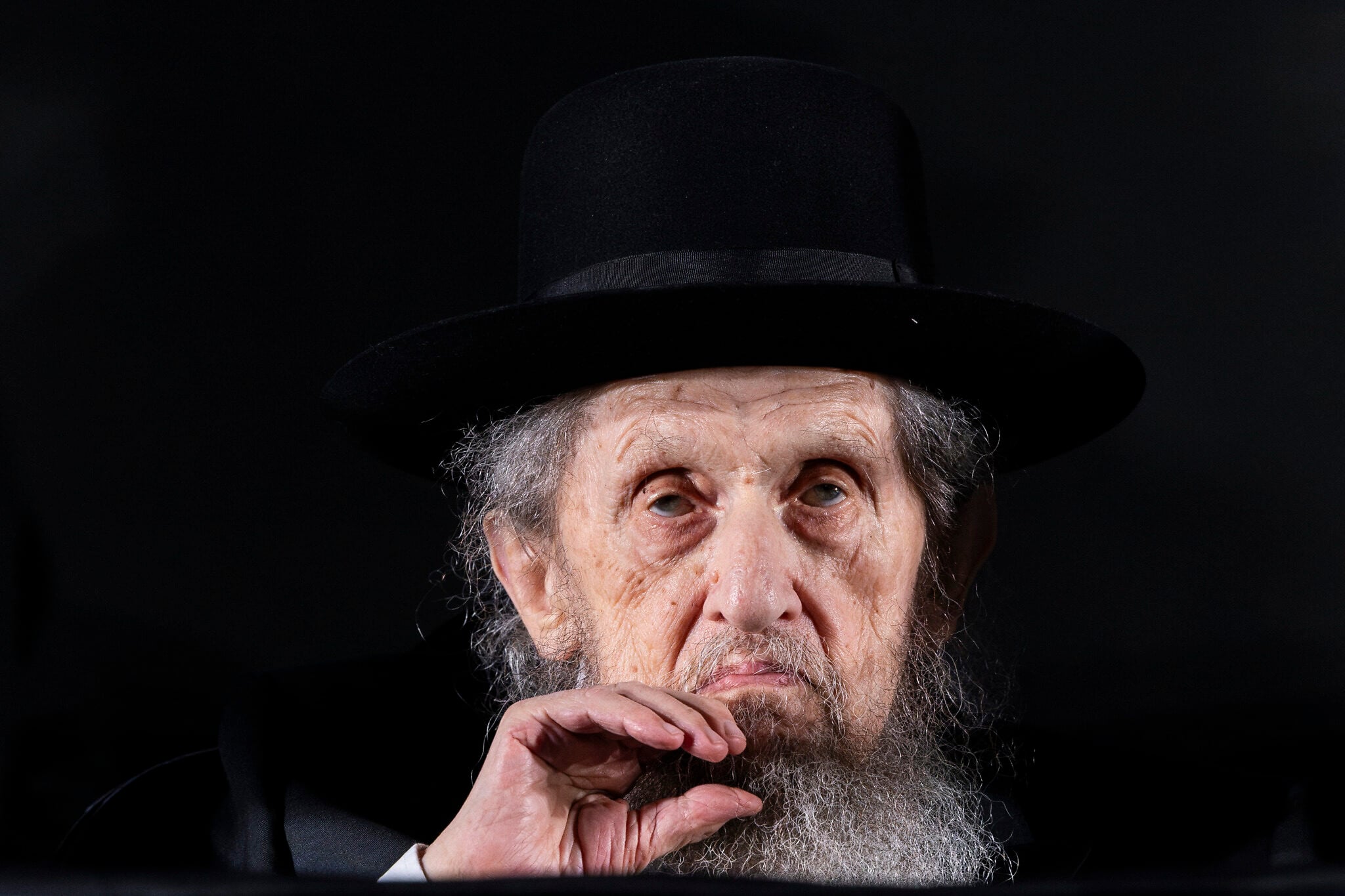
According to Channel 12, Netanyahu has sought to meet Degel HaTorah spiritual leader Rabbi Dov Lando and Moshe Hillel Hirsch — two of the senior leaders of UTJ’s so-called “Lithuanian” faction — at their homes, or send emissaries to speak with them, but was rebuffed.
Ultra-Orthodox party officials reportedly described the pressure from the Prime Minister’s Office as inappropriate and “frenzied.”
According to Channel 12, Netanyahu has told associates he wants the ultra-Orthodox parties to vote against an Eisenkot government rather than abstain. Netanyahu reportedly is hoping for a new election, believing he will win and then be able to meet the parties’ demands.
Despite Netanyahu’s ongoing rhetoric against cooperation with the Arab-led parties, a close associate of his is said to have repeatedly contacted Ra’am leader Mansour Abbas before, during, and since the election, urging him not to back Eisenkot.
The Netanyahu confidant, Natan Eshel, led talks with Ra’am back in 2019 in an attempt to cobble together a coalition before an ultimate repeat election.
In purported transcripts of their conversations published by Channel 12, Eshel asked Abbas before the election whether he would allow Eisenkot to pass a law barring an indicted lawmaker from being tasked with forming a government. That could prevent Netanyahu, who is on trial for corruption, from returning to office.
Eshel later asked whether Ra’am would help Eisenkot in the Knesset despite not being invited into his coalition. Abbas said Ra’am would wait for the election results before deciding; the party later stopped responding to Eshel, the TV network reported.
Eshel, however, claimed to Channel 12 that “no messages were conveyed.” He asserted that he asked “a few Arabs” whether they had “a shred of self-respect, or if they would support someone who doesn’t want them in his coalition,” adding that Abbas replied: “We’ll do what’s good for us.”
Ariela Karmel and Times of Israel staff contributed to this report.






The Times of Israel Community.