

Defense Ministry recognizes flydubai passengers as victims of hostile incident
Determination grants survivors of terror attack rights and monetary compensation, six weeks after copilot attempted to crash plane full of Israelis heading from Dubai to Tel Aviv
 Add ToI as a Preferred Source on Google
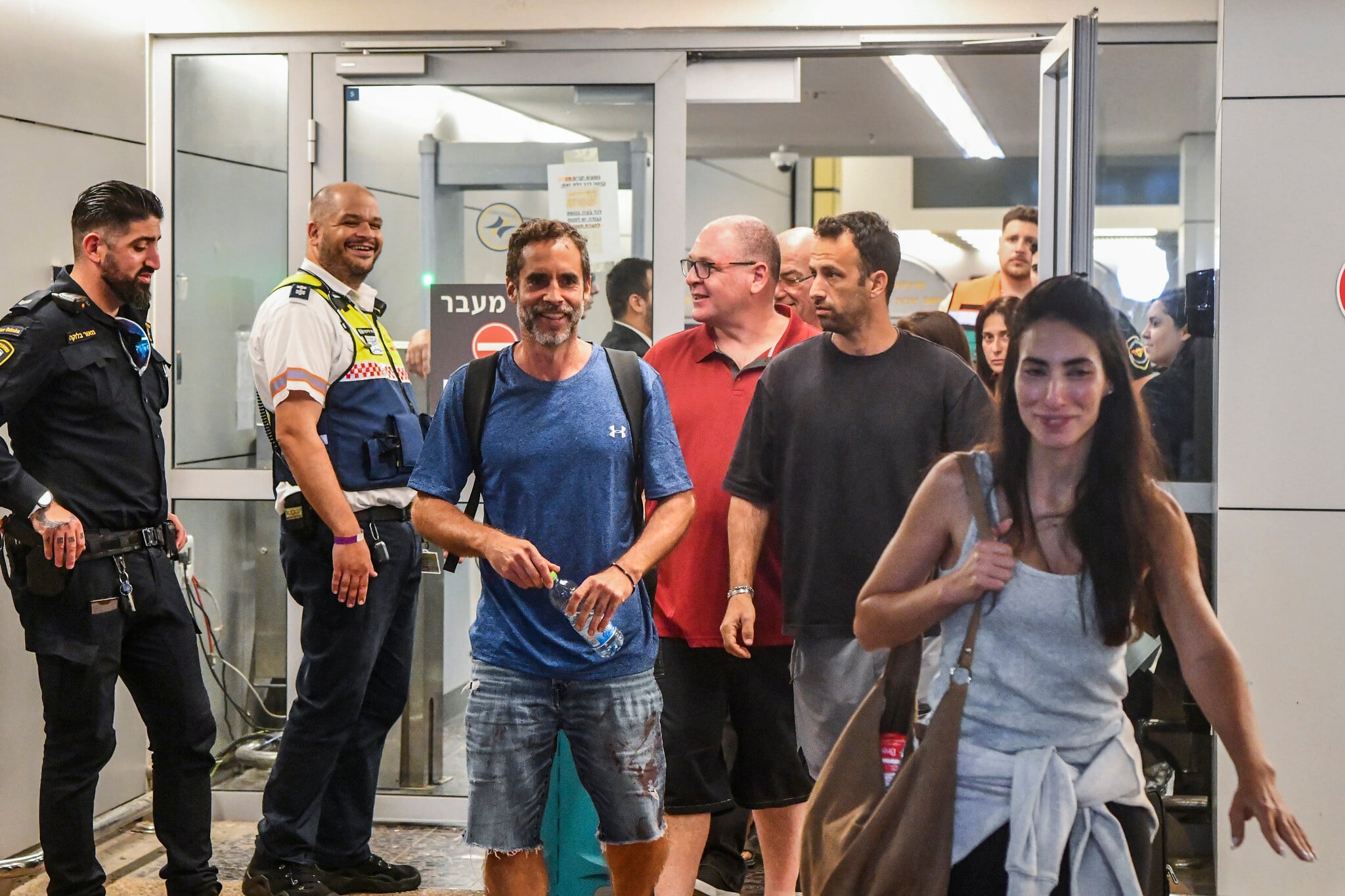
Israeli passengers who were aboard flydubai Flight 1073 on September 30 will be recognized as victims of a hostile incident, the Defense Ministry announced on Monday.
The recognition is expected to grant those on board the flight some sort of monetary compensation, as well as potential access to government-subsidized services.
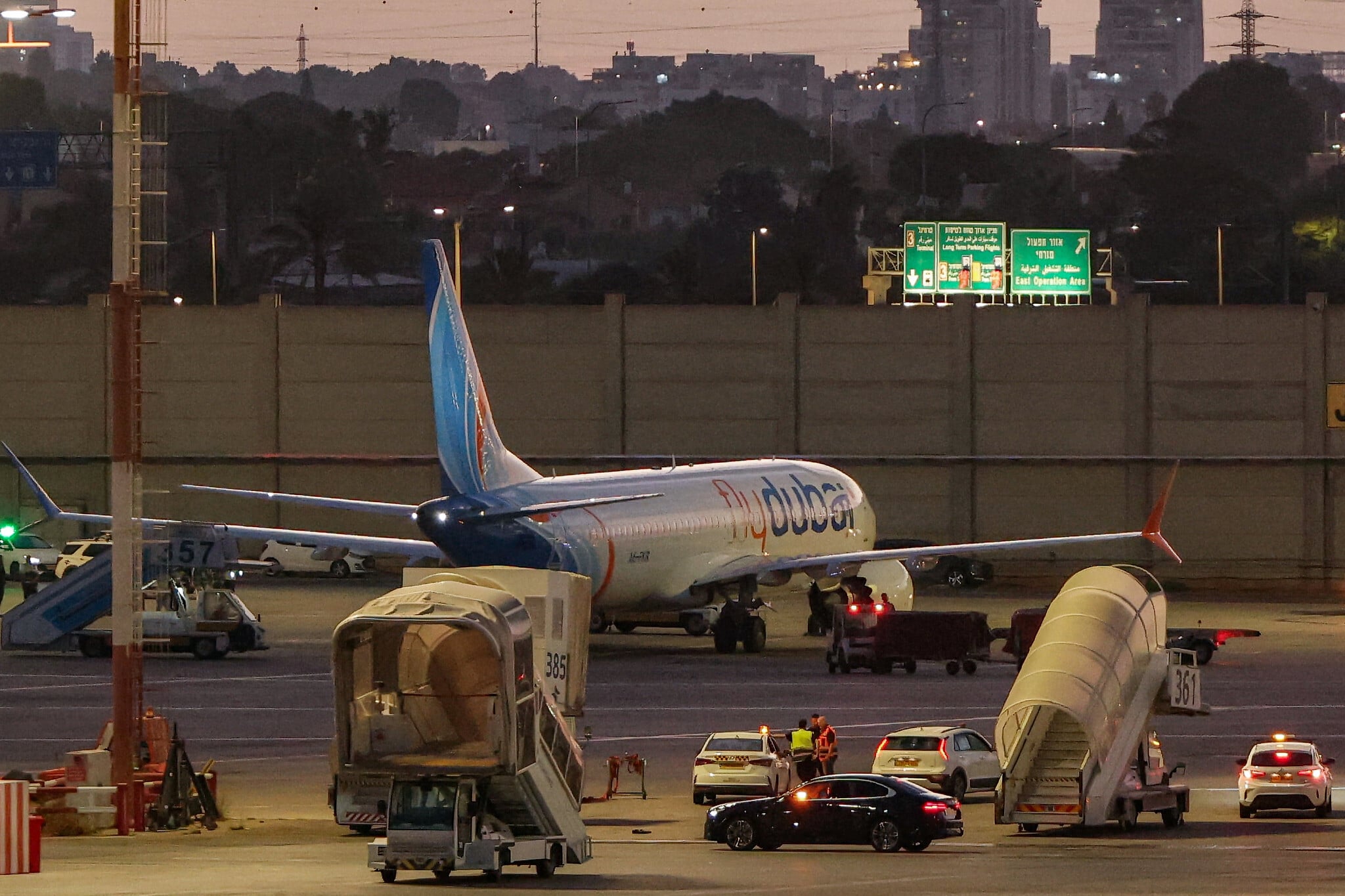
The flight in question was en route from Dubai to Tel Aviv on September 30 when the copilot, Omani national Hamam al-Hammami, attacked the Indian captain, Smit Machchhar, and attempted to crash the aircraft, whose passengers were mostly Israeli.
The plane plunged thousands of feet before several Israeli passengers burst into the cockpit, whose door Machchhar had managed to open while under attack, immobilized the terrorist copilot and initially stabilized the plane.
Two off-duty pilots aboard the flight then took over the controls and made an emergency landing in Saudi Arabia before a replacement aircraft returned passengers to Tel Aviv.
“Following official confirmation from the authorized investigative bodies in the State of Israel, the Defense Ministry’s approving authority recognized the attempted attack on the ‘flydubai’ flight as a hostile incident,” the ministry said Monday.
“The decision has been forwarded to the National Insurance Institute, which is in contact with those affected, for further handling,” the announcement added.
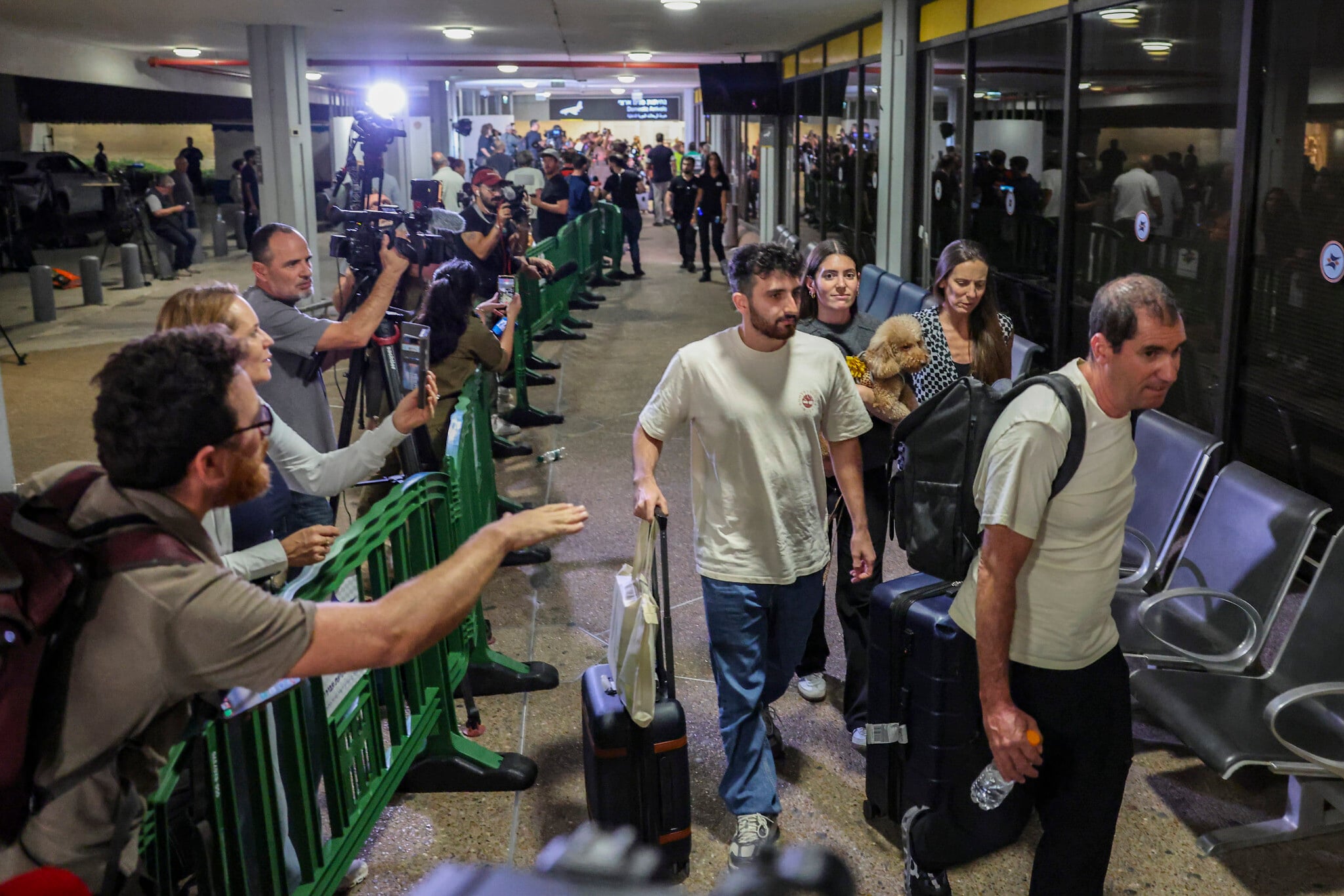
The National Insurance Institute said in a statement that citizens “who sustained a physical or mental injury” can file a claim with the body.
Nobody onboard the flight was killed in the attack, although several were lightly wounded from the steep descent, while Machchhar was seriously wounded with stab wounds to the head.
The near-disaster aboard Flight 1073 exposed major flaws in Israel’s security procedures, especially for incoming foreign flights, with no effective oversight of the airlines’ vetting of pilots, no Israeli vetting of the crews, and aircrew lists routinely submitted only after planes have taken off.
Al-Hammami, in particular, had been grounded by Oman Air after it was discovered he was in possession of extremist materials. But he was nonetheless hired by flydubai, and intermittently worked the Dubai-Tel Aviv route.
A number of passengers aboard the flight told The Times of Israel last month that they felt abandoned by the government in the wake of the attack.
“Unfortunately, Israeli authorities have done zero as far as reaching out to people or helping,” said Daniel Schlichter.
Another passenger, Almog Italie, said he felt “completely alone,” adding that the main issue is “the trauma and the post-trauma are here, and they have to be treated. They have to get the best treatment they can. But unfortunately, the authorities are not cooperating with us.”
At the time, the National Insurance Institute told The Times of Israel that it could not assist survivors until the Defense Ministry qualified the incident as a “hostile action.” The Defense Ministry said last month that it was still awaiting information from investigating authorities before its decision.
Survivors of the flight have also begun exploring legal action. Approximately 100 passengers have joined an effort to pursue a class-action lawsuit against flydubai and government authorities in Israel and the United Arab Emirates over the alleged security failures that allowed the attack to occur.









The Times of Israel Community.