

Sniped at by both sides in election, Qatar remains an elusive target for Israel’s leaders
Politicians across the spectrum have used different reasons to attack Doha, making it difficult to develop an effective strategy against a dangerous actor

 Add ToI as a Preferred Source on Google
Nava Freiberg is The Times of Israel's deputy diplomatic correspondent.
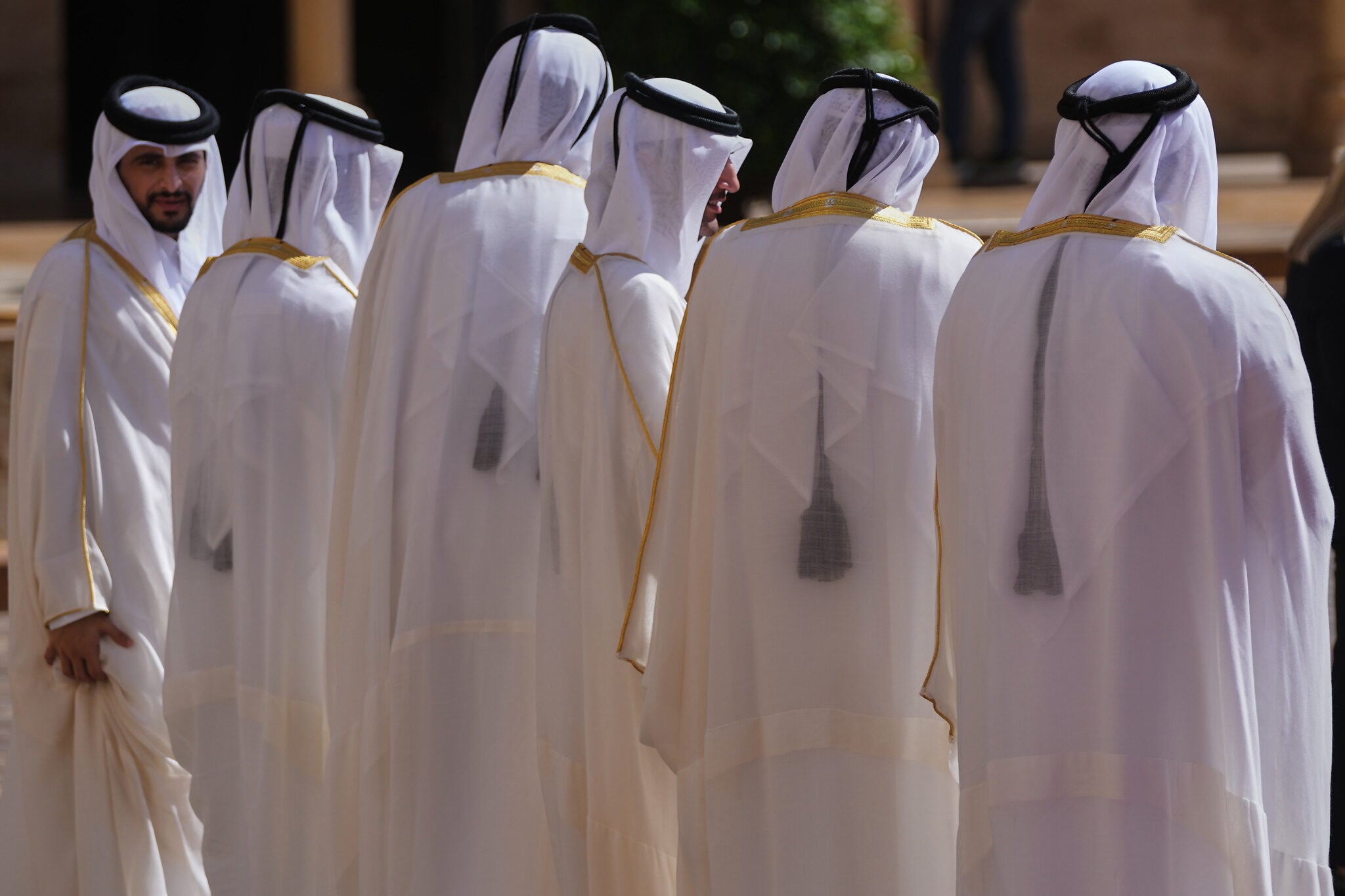
As Prime Minister Benjamin Netanyahu claimed that a foreign interference scheme had “stolen” last month’s election, and as his allies voiced suspicions that significant Qatari funds had been used to influence Arab voter turnout, Doha’s Foreign Ministry spokesman Majed al-Ansari issued a defiant statement on October 29.
“We categorically deny allegations that Qatar has interfered in Israeli elections or funded any activities intended to influence their outcome,” he wrote in a lengthy post on X, charging that “certain Israeli politicians and their contacts in the media” had “launched yet another disinformation campaign aiming to drag Qatar into Israeli political disputes.”
Accusations about Qatari meddling in the election remain unsubstantiated. But there is little doubt that Israeli perceptions about the tiny, energy-rich Gulf emirate, and Jerusalem’s disjointed yet increasingly confrontational posture toward Doha, featured heavily in public discourse.
Whoever emerges from the election on top will need to figure out how to deal with the perennial regional power broker, which has continued to build ties with Washington and exert outsized influence on Gaza and Iran.
A patron of Hamas and leading purveyor of anti-Israel propaganda, Qatar is widely regarded in Israel as an unfortunate but largely unavoidable fact of regional diplomacy. As the election neared, both sides attempted to attach that stink to their opponents.
While Netanyahu and his supporters accused Doha of meddling in the election, opposition leaders seized on the so-called Qatargate affair to accuse the premier of allowing paid Qatari agents into his own office, questioning what he knew about his aides’ dealings with Doha and why he continues to defend them.
“They accuse Qatar of buying off Benjamin Netanyahu, the Israeli political left and now, in this latest campaign, the Arab vote,” al-Ansari wrote. “If these claims were to be believed, Qatar would apparently own all of Israel.”

His defiance notwithstanding, Israeli grievances against Qatar are hardly without foundation.
Doha’s longstanding ties to Islamist and terrorist groups, far-reaching soft power, and hostile rhetoric toward Israel have boosted suspicion and tension in recent years — a reality many Israeli politicians appear increasingly willing to confront and exploit for political gain.
The devil in Doha
At the heart of Israeli grievances are Qatar’s longstanding links with Hamas and the Muslim Brotherhood, alongside its international media and influence campaigns.
In 2012, Qatar began hosting Hamas political leaders who had fled from Damascus. It claimed to be welcoming them at Washington’s urging, providing a channel to the terror group through an American ally.
While keeping channels open with Qatar, Israel’s leaders have repeatedly denounced the country as a leading “funder of terror” and initiated a range of legal and political moves against it in recent years.
Qatar also created and funds the Al Jazeera network, banned by Israel in 2024 for incitement to terror, which is also accused by the IDF of direct collaboration with Hamas based on documents showing communication and staff ties to terror groups.
Additionally, Doha’s international financial reach has drawn scrutiny from critics wary of its outsized influence. In 2025, American universities disclosed over $1.1 billion in Qatari gifts and contracts, more than any other country, although much of the funding supports American campuses in Doha. It has also spent millions on registered lobbying and public relations firms, as well as Washington think tanks.

Qatar has faced more serious allegations of covert political influence elsewhere, though it denies any wrongdoing.
French investigators have examined suspected Qatari-linked payments to academics and lawmakers between 2020 and 2023, with one suspect allegedly receiving 150,000 euros per quarter to improve Qatar’s public image, according to Le Monde. In a separate 2022 European Parliament cash-for-influence scandal, Belgian police seized some 1.5 million euros from suspects’ properties in Brussels, allegedly linked to efforts to influence parliamentary decisions on Qatar’s behalf.
Furthermore, Doha’s conduct has provoked regional confrontation, though it emerged virtually unscathed.
A Saudi-led blockade imposed in 2017 over Qatar’s relationships with Islamist terrorist movements, Iran and other disputes ended in reconciliation four years later, without Qatar accepting the original sweeping demands.
Israel’s frenemy
Yet Qatar’s involvement in Israeli affairs was hardly imposed on Jerusalem.
Jerusalem and Doha have never established full diplomatic ties, but they share decades of well-established business, security, and intelligence cooperation. The sides established trade relations in 1996, with Israel operating a trade office in Doha until its final closure in 2009 after the Operation Cast Lead conflict between Israel and Hamas.
Former prime minister Shimon Peres visited the country twice, and then-foreign minister Tzipi Livni flew to Doha in 2008 to meet with her Qatari counterpart.
Since 2018, with Israel’s quiet approval and at Netanyahu’s active behest, Qatar has funneled hundreds of millions of dollars into Gaza — sustaining both the Palestinian population and Hamas’s rule.
The policy was Israel’s way of alleviating humanitarian pressure in the Strip and keeping the border quiet. However, particularly post-October 7, critics argue that it amounted to a failed containment strategy that kept Hamas in power while indirectly funding the terror group’s military buildup.
In the aftermath of the Hamas-led invasion and massacre in southern Israel on October 7, 2023, Qatari mediation became key in efforts to free hostages, broker ceasefires with Gaza terror groups and Iran, and shape the postwar future of the Strip — making it increasingly difficult for Israel to isolate or confront the country, despite its growing anti-Doha rhetoric.
That rhetoric turned to action on September 9, 2025, when Netanyahu ordered an unprecedented strike on a residential compound in Doha housing Hamas political leaders amid Qatar-mediated talks with Washington on a Gaza ceasefire proposal and hostage deal, with the Israeli premier accusing Qatar of harboring terrorists, financing Hamas and giving its leaders mansions.
But confronting Qatar — with its ties to Washington, its hosting of a major American military base, and its mediation efforts on Iran and Gaza — proved difficult.
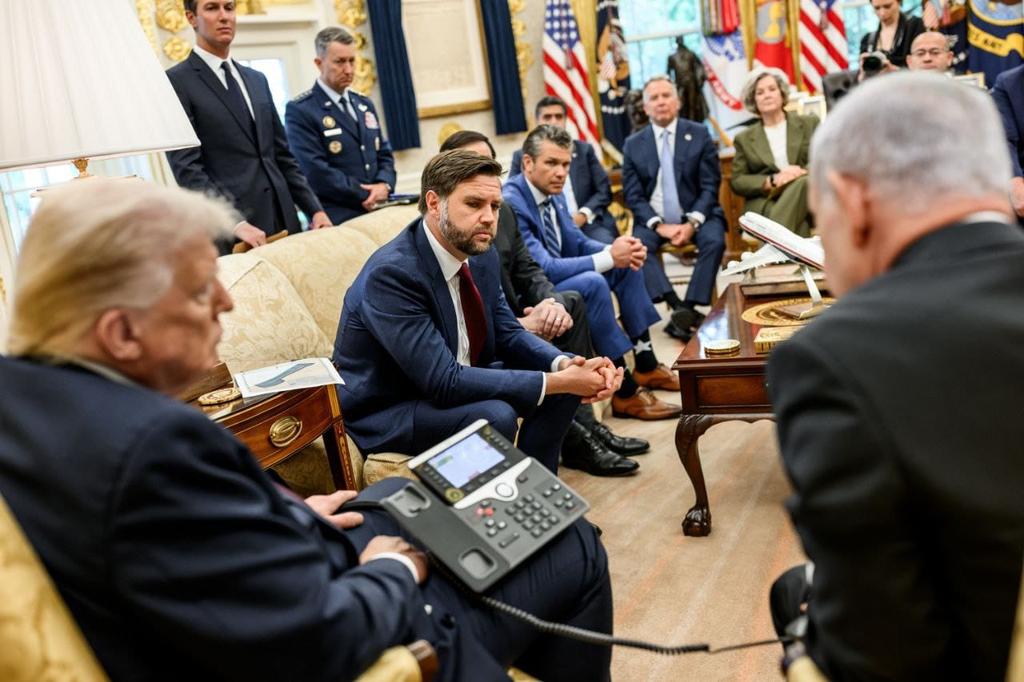
Three weeks later, sitting beside Trump in the Oval Office, Netanyahu apologized to Qatari Prime Minister Mohammed al-Thani over the failed Hamas assassination attempt, days before Israel’s negotiating team was filmed shaking hands with and hugging a smiling al-Thani in Egypt after Hamas approved the ceasefire deal. Later that month, Trump bolstered US protection for the emirate through a new executive order.
And still today, Doha’s regional role goes beyond Gaza, from its ongoing role as a key intermediary between the US and Iran to pledging to help finance southern Lebanon’s reconstruction in coordination with Washington.
A shared political target
The latest election allegations have brought Qatar back into the center of Israeli politics, this time as Netanyahu seeks to discredit potential parliamentary cooperation with Arab parties.
The implications are particularly striking given the unresolved so-called Qatargate affair, in which Netanyahu’s close advisers are suspected of promoting Qatari interests for payment, even during the Gaza war.
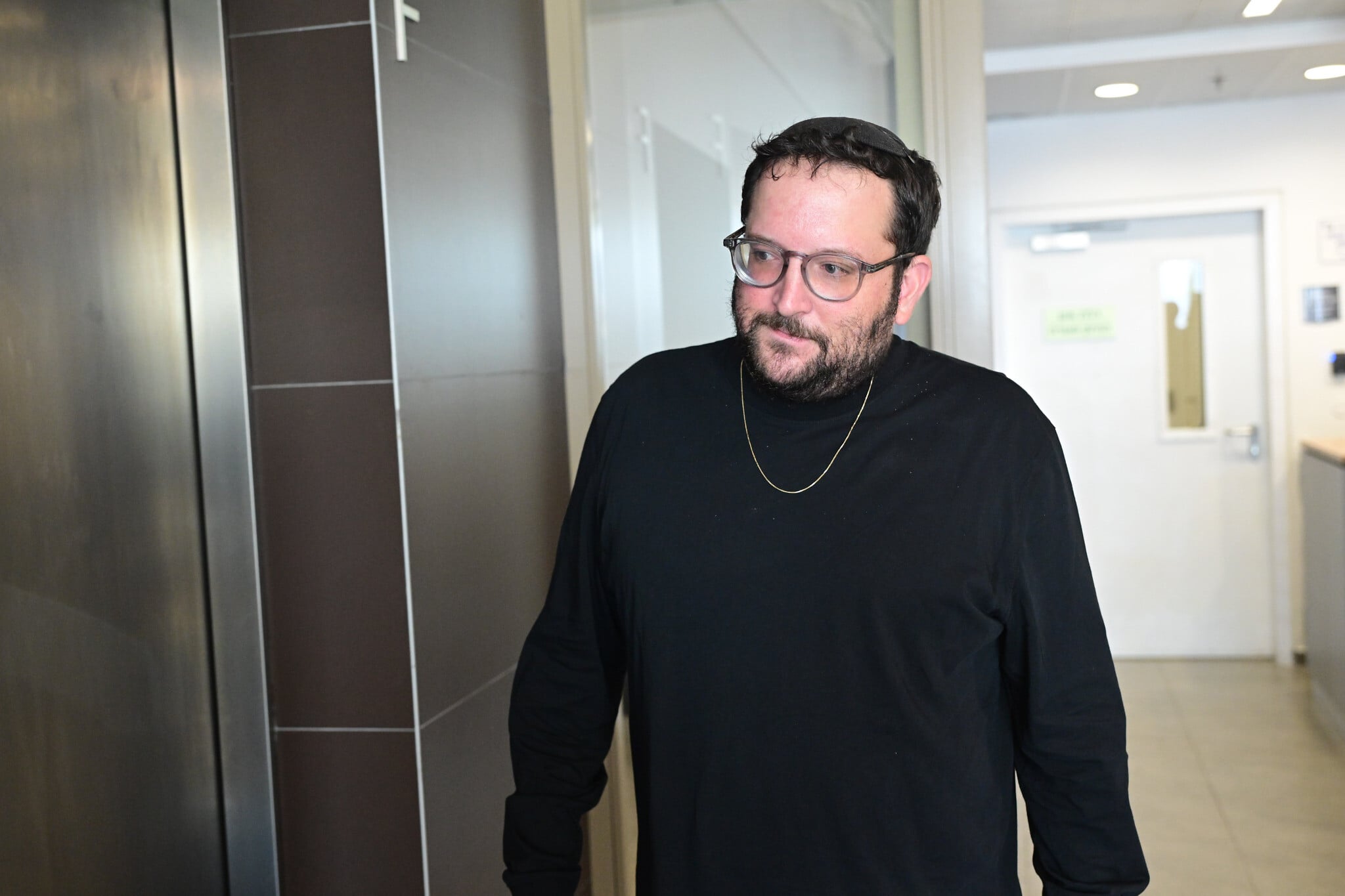
Recent reports allege multiple meetings between senior Netanyahu aide Jonatan Urich and top Qatari official Ali al-Thawadi, who later appeared at the White House during Netanyahu’s apology call. Urich disputes elements of the allegations, while Netanyahu has denied any knowledge of the affair and denounced the investigation as a politically motivated witch hunt.
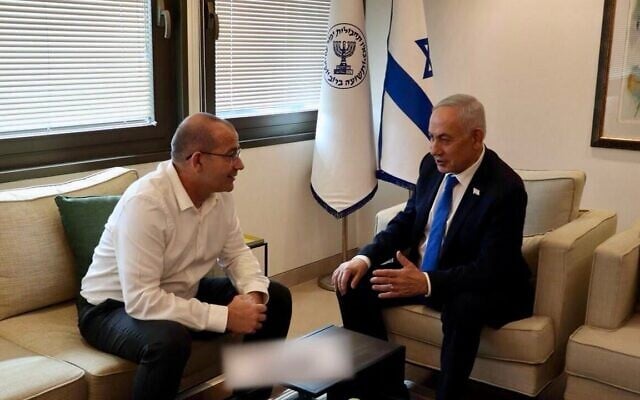
Another recent report said Netanyahu met secretly with the most senior Israeli on Qatar’s payroll months after the Hamas-led October 7, 2023, invasion, in the thick of the Gaza war.
Even as Netanyahu defends aides suspected of working for Doha, and now invokes alleged foreign influence to challenge the election results, opposition leaders are also ramping up the harsh rhetoric toward Qatar.
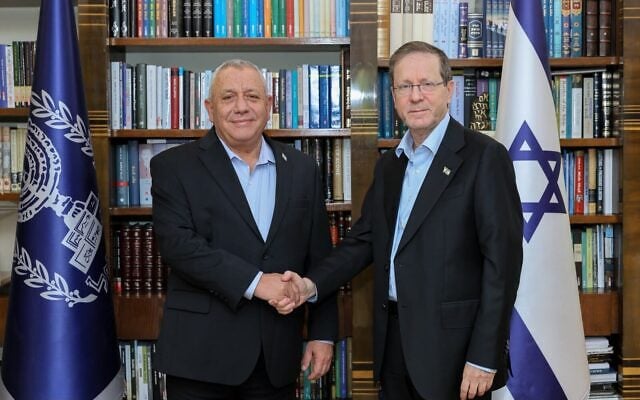
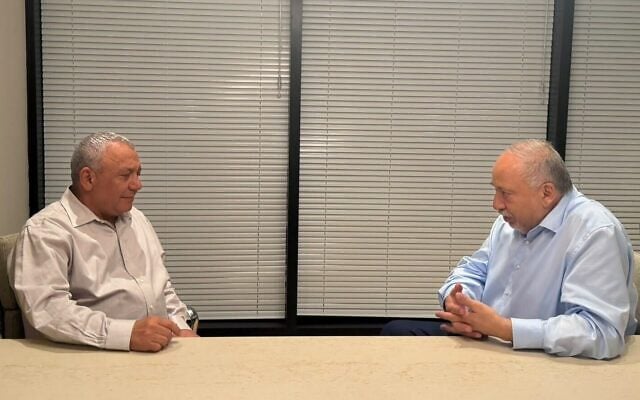
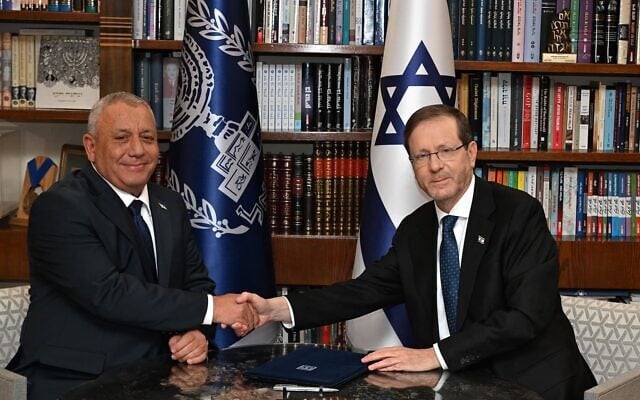
Yashar leader Gadi Eisenkot, who will be tasked by President Isaac Herzog with the first shot at forming a government, said amid Netanyahu’s allegations of voter interference that Qatari involvement in Israel was “an unacceptable and gravely serious matter,” whether it was in the Prime Minister’s Office or in the election.
Former prime minister Naftali Bennett, whose B’Yachad party won 12 seats in the incoming 26th Knesset, has described Qatar as “more dangerous” to Israel than Iran, and pledged to declare the Gulf emirate an enemy state if his party becomes part of a governing coalition, with the support of current Opposition Leader Yair Lapid.
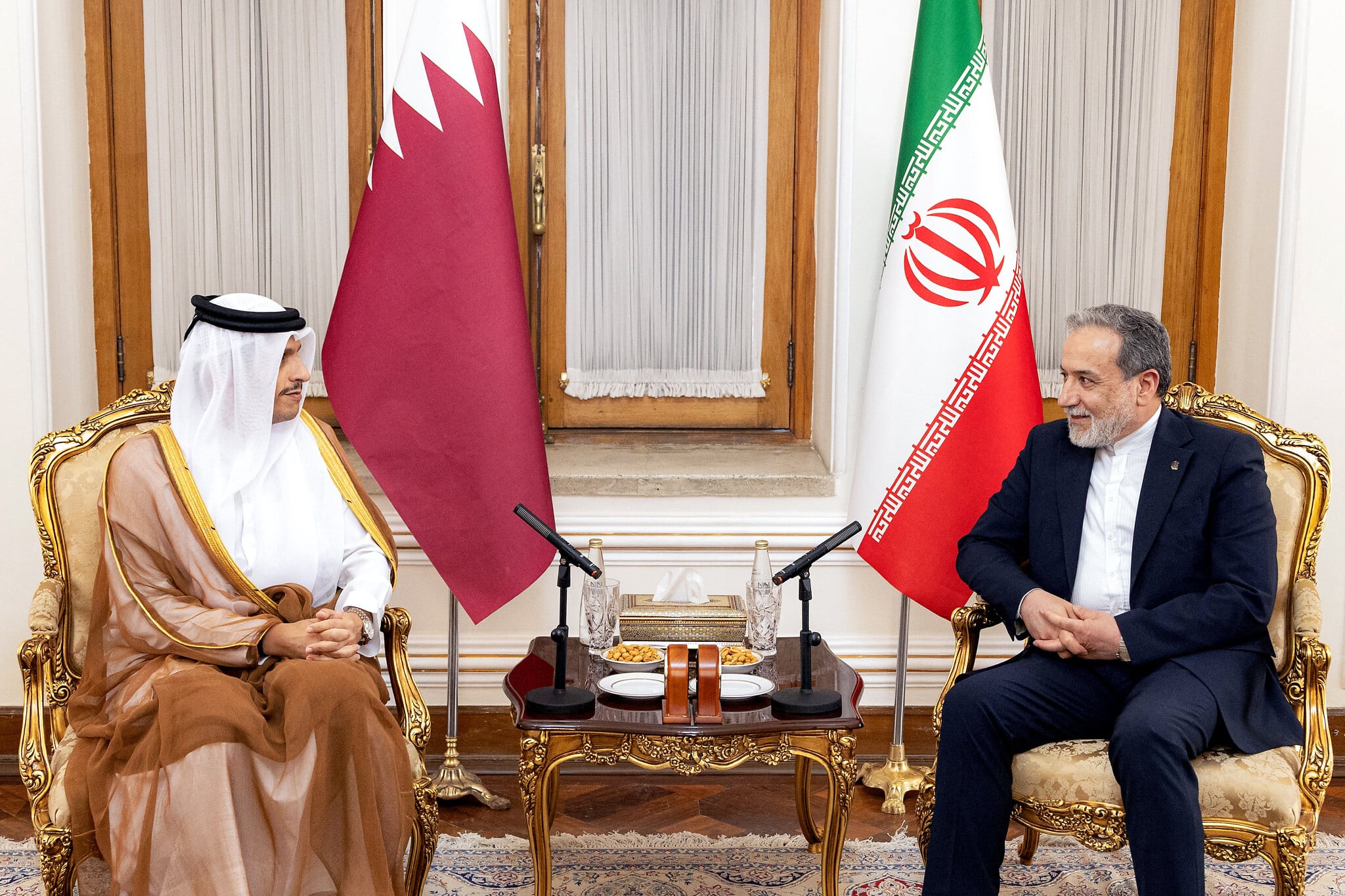
For Israel, confronting Qatar could mean limiting its role in postwar Gaza, scrutinizing foreign influence, and minimizing its diplomatic role where it can.
Qatar, however, has an interest in maintaining influence over Palestinian affairs, access to Israeli decision-makers, and its status in Washington — powerful incentives to preserve some form of engagement.
Washington has repeatedly demonstrated its willingness to defend Qatar’s regional role, while Doha’s history of weathering diplomatic pressure suggests that confrontation might not get Israel what it wants.
Israel will need to ask itself how far it can push back without harming its own interests.




The Times of Israel Community.