

Qatar pledges to help fund the reconstruction of southern Lebanon
Doha also says it will help rehabilitate struggling electricity sector; Trump plan to restart direct US flights with Beirut faces problems
 Add ToI as a Preferred Source on Google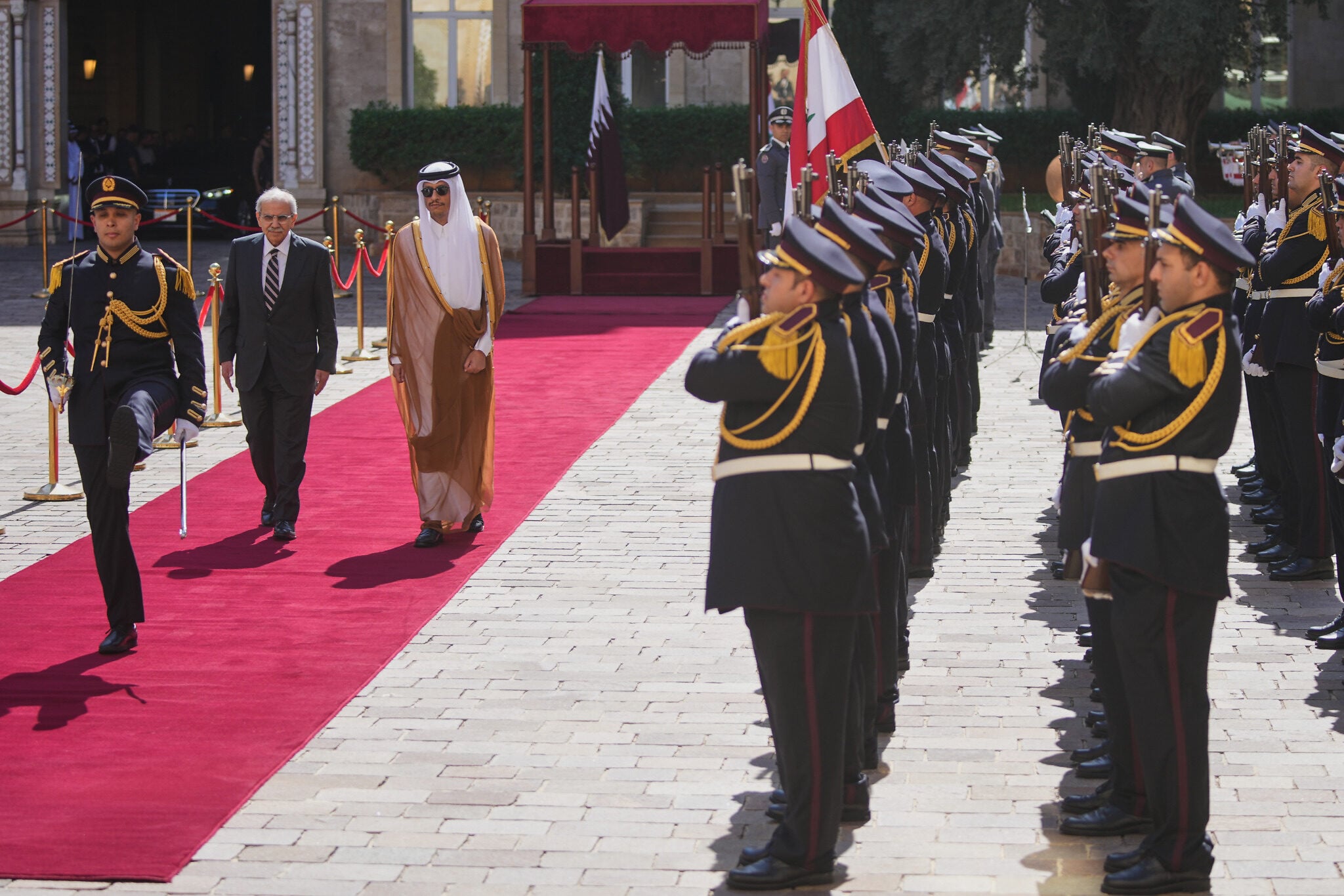
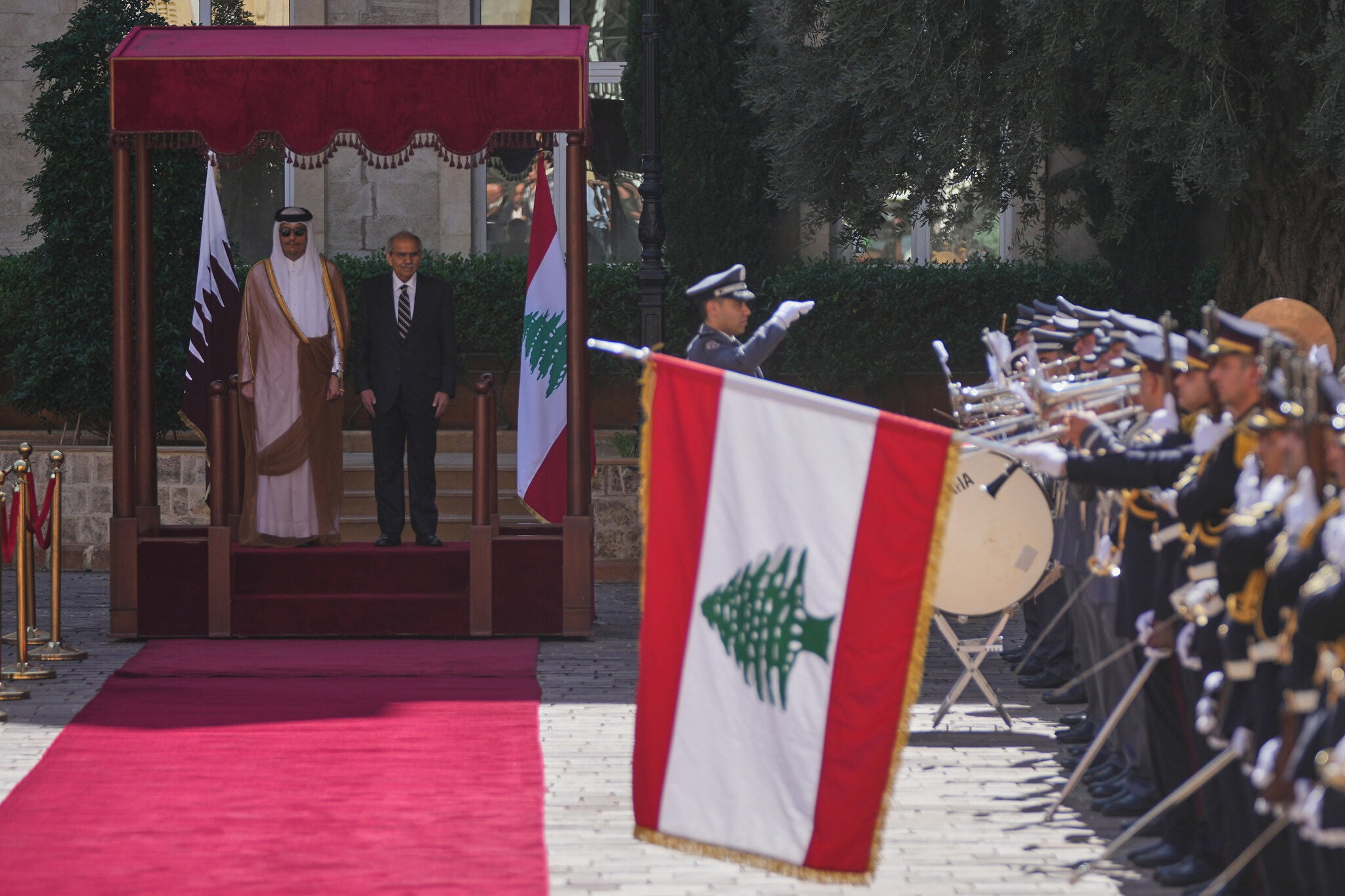
Qatar will help Lebanon revive its struggling economy, including by rehabilitating its crumbling electricity sector and supporting the future reconstruction of the country’s south, the Qatari prime minister said Friday.
Qatar will continue to support the Lebanese army “as a national institution that safeguards the country’s security, unity and stability,” Qatari Prime Minister Sheikh Mohammed bin Abdulrahman Al Thani said after meeting in Beirut with his Lebanese counterpart Nawaf Salam.
For years, Qatar has been a friendly country to Lebanon and a mediator for domestic and international political crises in the region. Qatar has also given tens of millions of dollars to the Lebanese army since Lebanon’s economic meltdown began in 2019.
The Qatari official said that QatarEnergy has reached an agreement with French company TotalEnergies to jointly develop a solar power plant in Lebanon as an initial project. He said that the aim is to develop a major investment project “that would benefit the Lebanese economy, as well as the Qatari companies and entities participating in it.”
Salam said that he will put the plans for Lebanon’s electricity sector to the Lebanese cabinet soon.
“The Qatari side will fund, implement and activate the project without any cost to the Lebanese state,” Salam said, adding that such a move is important because of Lebanon’s financial crisis.
Lebanon’s state electricity company is one of the country’s biggest sources of debt, hemorrhaging about $40 billion over the past decades with a bloated workforce and outdated infrastructure. The company provides only a few hours of electricity each day, and the state, until a year ago, had taken advances from the Central Bank when diesel fuel ran out.
Earlier in the day, Qatar’s prime minister met with Lebanon’s president and parliamentary speaker and discussed with them the situation in southern Lebanon, where Israel captured dozens of villages and towns earlier this year during the latest Israel-Hezbollah war.
Over the past several months, Israel has carried out large-scale demolitions in villages that its troops hold, saying it is destroying vast terror infrastructure built by Hezbollah to threaten Israeli communities.
Jerusalem and Beirut have held several rounds of talks on plans to disarm Hezbollah and pull out Israel’s troops, though progress has slowed on implementation.
The latest Israel-Hezbollah war began when Hezbollah fired rockets into northern Israel in early March, two days after the US and Israel began attacking Iran, the Lebanese group’s main backer, on Feb. 28.
The Qatari official said that Israel should withdraw from Lebanon and cease its attacks in the country. He said that Qatar is working in coordination with the United States to help lay the groundwork for future reconstruction in southern Lebanon, in a manner that would allow displaced people to return to their homes.
About 1.2 million people were displaced in Lebanon at the height of the war. Most have returned home since a June ceasefire, but more than 300,000 remain displaced, according to the International Organization for Migration.
Trump move to restart direct US flights hits roadblock
Meanwhile, the United Nations aviation agency has found Lebanon’s main airport lacks valid certification, according to a report summary seen by Reuters, in a setback to US President Donald Trump’s move to revive direct US-Beirut flights.
Trump made the announcement in July and signed an order last month for the US government to allow direct flights from the US to Lebanon, reversing a four-decade-long suspension after TWA Flight 847 was hijacked and forced to land in Beirut in 1985.
While the US Federal Aviation Administration and the Transportation Security Administration would still need to conduct safety reviews before flights could resume, the Lebanese embassy in Washington called Trump’s order “a significant first step toward restoring direct air service between Lebanon and the United States.”
However, the UN’s International Civil Aviation Organization (ICAO) technical assistance mission to Lebanon in July identified shortcomings at Beirut-Rafic Hariri International Airport and in the aviation system.
The findings, which two senior industry officials familiar with the matter expect to delay the resumption of service, complicate efforts to follow up on an order Trump signed after meeting Lebanese President Joseph Aoun. Washington has backed Aoun as it pushes for Iran-backed Hezbollah to be disarmed.
Beirut airport’s firefighting resources are equipped for single-aisle planes, but not twin-aisle jetliners used for long-haul flights, according to a summary of ICAO’s report. The airport also lacks an emergency plan, and its conditional certification has expired, the report said.
“This is a serious and time-critical matter that must be addressed immediately to preserve the airport’s operational status,” the summary said.
The report also found the Lebanese regulator LCAA lacks qualified inspectors to oversee air traffic control licensing, and has no fully established, operational and independent aircraft accident investigation authority with clearly defined roles.
Lebanon’s Minister of Public Works and Transport Fayez Rasamny said Lebanon was taking steps to address the concerns, with efforts to certify the airport starting on Saturday. The LCAA expects to issue conditional certification in the coming days.
Lebanon seeks extension of UNIFIL mandate
A visiting senior United Nations official on Wednesday reaffirmed the body’s commitment to stability in Lebanon as the mandate of its peacekeeping force in the country is set to expire this year.
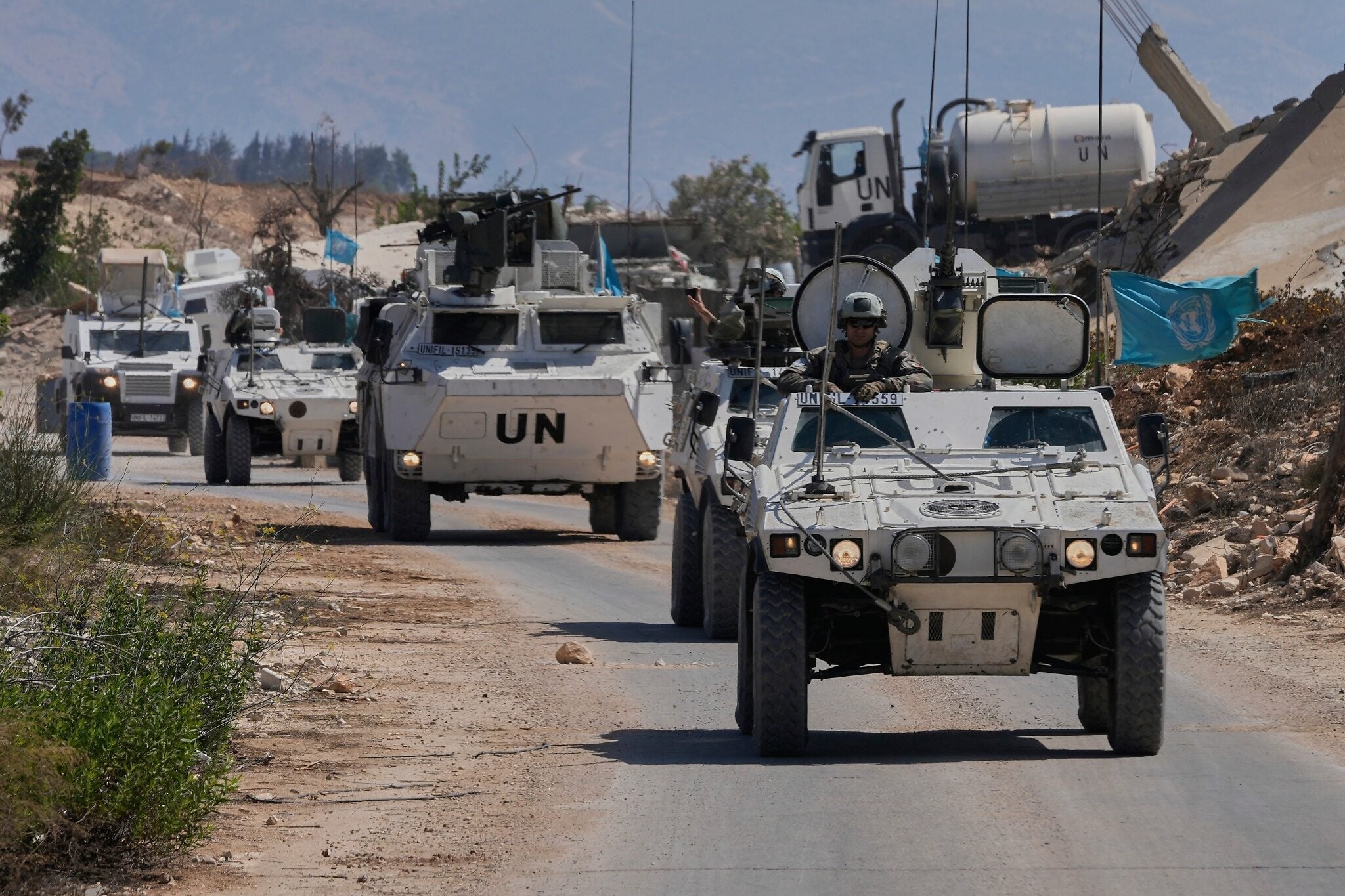
UNIFIL has served as a buffer between Israel and Lebanon since 1978, but its presence has been unable to prevent several rounds of conflict between Israel and the Hezbollah terror group.
Under US pressure, the UN Security Council last year voted to end UNIFIL’s mandate on December 31, 2026. A drawdown of forces will follow throughout 2027.
Both the US and Israel view the UN body as having failed in its mandate, which included implementing a 2006 UN Security Council resolution that said Hezbollah must be disarmed and its presence in southern Lebanon ended altogether. Instead, the terror group built massive infrastructure for war along Israel’s border in the ensuing decades.
Lebanese officials have nevertheless called for the mandate to be extended.
Violence in southern Lebanon has decreased since a US-Iran understanding in June, and a US-sponsored Lebanon-Israel framework agreed later that month, which committed Lebanon and the US to preventing reconstruction funds from reaching entities or individuals affiliated with non-state armed groups and taking available legal measures to prohibit their activities.
Hezbollah has rejected the agreements reached earlier this year after rare direct talks in Washington and Rome between Lebanon and Israel, which officially remain in a state of war.
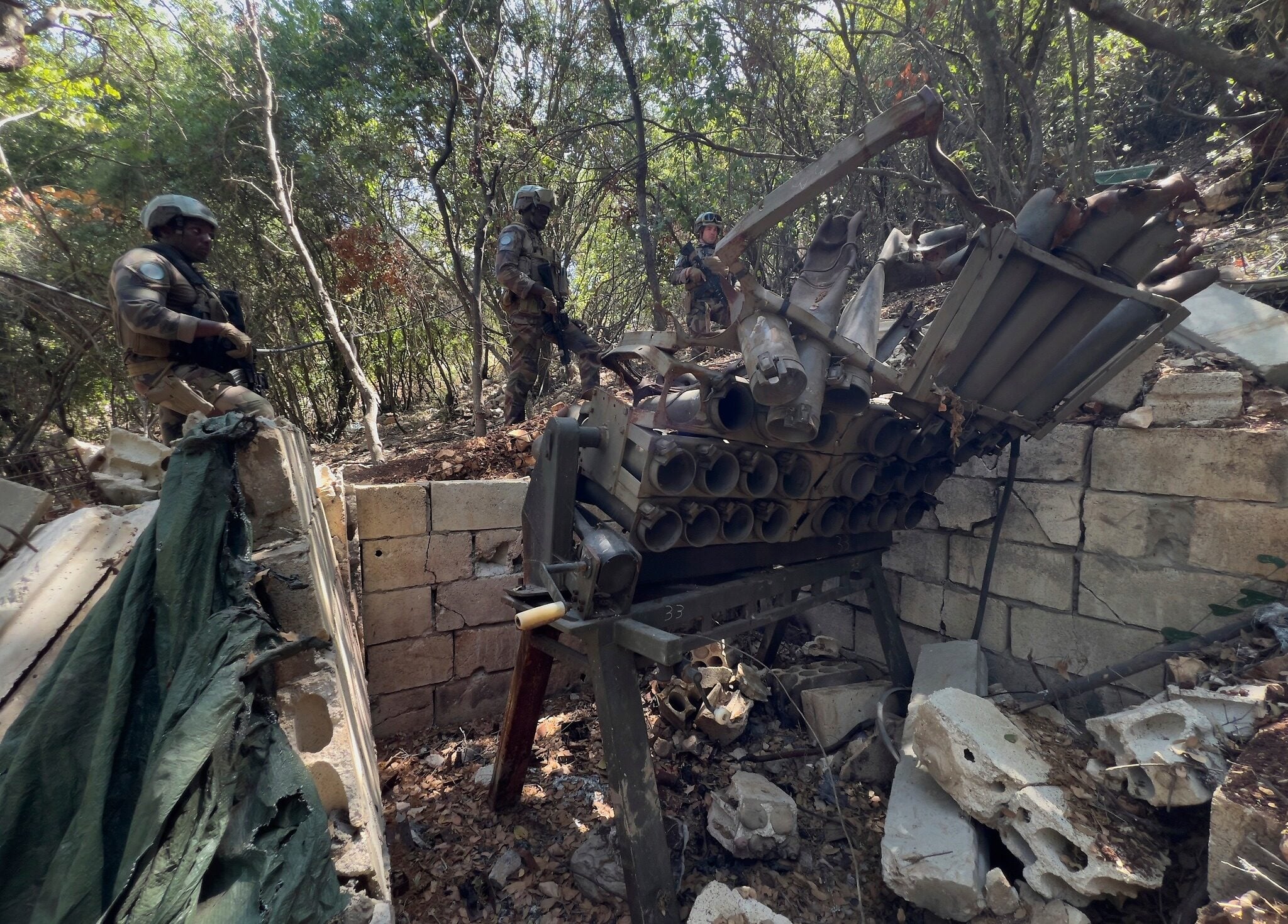
The June framework deal involves the disarmament of Hezbollah, a gradual withdrawal of Israeli forces from Lebanon’s south and the deployment of the Lebanese army to the region, starting in test areas known as “pilot zones,” but the process has largely stalled.


The Times of Israel Community.