

A record number of women are poised to enter the next Knesset
While the 2026 election largely ignores gender equality, structural changes in centrist parties and a grassroots ultra-Orthodox movement might be quietly shifting the political map

 Add ToI as a Preferred Source on Google
Tal Schneider is a Political Correspondent at The Times of Israel
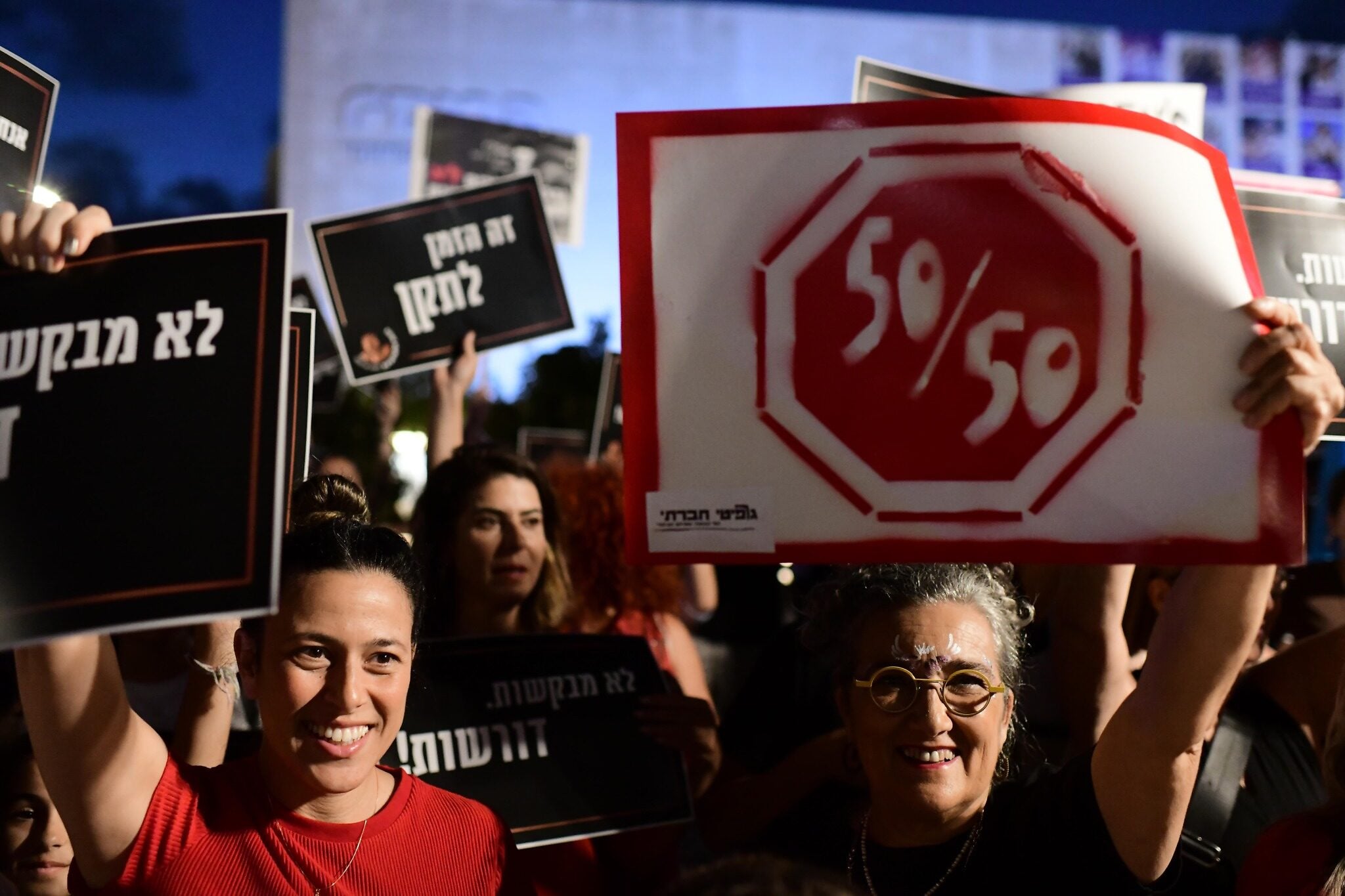
How many women will be sworn into the 26th Knesset after the October 27 election? According to calculations based on last week’s Times of Israel poll, the number could reach 35 — a record for the inauguration of a new parliament in Israel. It is an interesting structural development in an election campaign where gender equality is barely being discussed.
Though women may soon occupy slightly more of the 120 Knesset seats than in the past, there has actually been a regression when it comes to party leadership.
Not a single political party running in this election is headed by a woman, apart from MK Sharren Haskel’s center-right faction, which is not expected to cross the 3.25% electoral threshold.
Many Israelis firmly believe in equality, but they generally prioritize security, the economy and religious issues when they enter the voting booth.
Israeli voters do not generally tend to choose a party based on the number of women in electable positions on its slate, nor do they vote based on its stated positions on gender-related matters.
Nevertheless, several changes are taking place under the campaign radar. Some parties — whether they practice formal internal democracy via primaries or not — have made equal gender representation a built-in part of the rules governing the composition of their electoral slates.
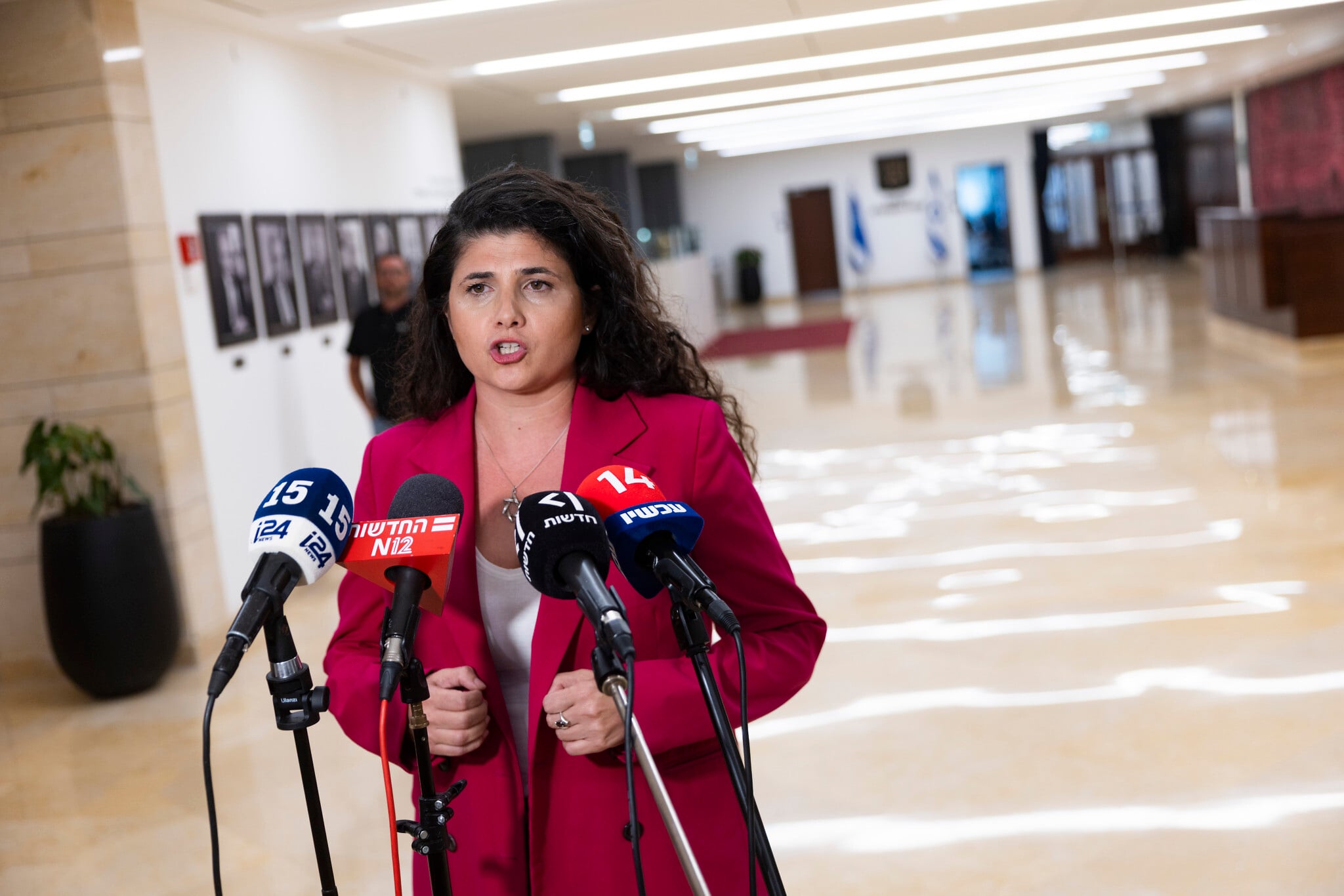
Over the past decade, a commitment to ensuring that women account for 40% to 50% of candidates was associated almost exclusively with left-wing and centrist parties like Labor, Meretz, and Yesh Atid.
This time, however, that practice has expanded to the major centrist party Yashar, led by former IDF chief Gadi Eisenkot. This contrasts with Benny Gantz’s now near-defunct Blue and White party, Eisenkot’s previous political home.
In Prime Minister Benjamin Netanyahu’s ruling Likud party, by contrast, gender equality is not a principle that dictates the composition of the party’s slate. Although more women served in the outgoing Likud Knesset faction than in previous terms, women account for just 13% of the realistic, electable positions on its slate for the incoming 26th Knesset.
Yashar has 10 women in its 20 top slots; Naftali Bennett’s B’Yachad has eight; Likud has three.
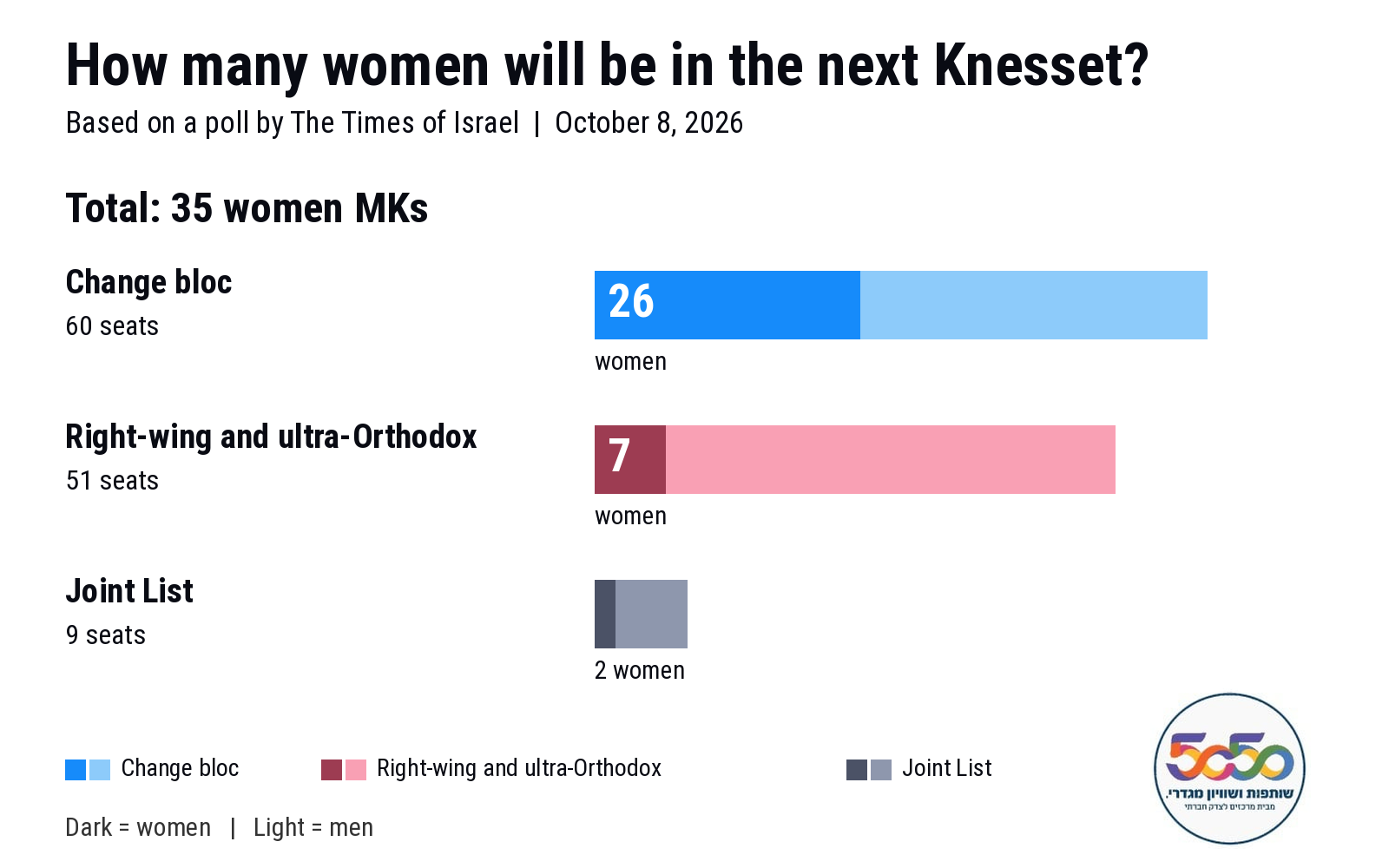
Yael Yechieli, founder and head of the Israeli organization “5050: Partnership and Gender Equality,” examined exactly how many women could enter the Knesset based on the latest political polls conducted by The Times of Israel. Her calculations point to 35 female lawmakers.
For context, 29 women were elected to the 25th Knesset in 2022, accounting for around 24% of its members. Following shifts in the Knesset’s membership during the term — often due to the “Norwegian Law,” which allows ministers to temporarily resign their Knesset seats and be replaced by the next candidate on their party’s slate — that number had risen to 33, or 27.5%, by the time the Knesset was dissolved.
In the 24th Knesset, the number of women serving simultaneously peaked at 36, or 30% of lawmakers, but that record figure, too, was reached during the parliamentary term rather than at its outset.
If 35 women are indeed elected this time, it will mark a record for the number of women serving when a new Knesset is officially sworn in. However, this remains a projection based on volatile opinion polls, and the election outcome will also heavily depend on the fate of smaller party slates currently hovering around the electoral threshold.
As in previous Knesset terms, the gender gap between conservative and liberal parties is incredibly pronounced. The ultra-Orthodox Shas and United Torah Judaism (UTJ) parties exclude women from representation on religious grounds, but the political disparity extends well beyond them.
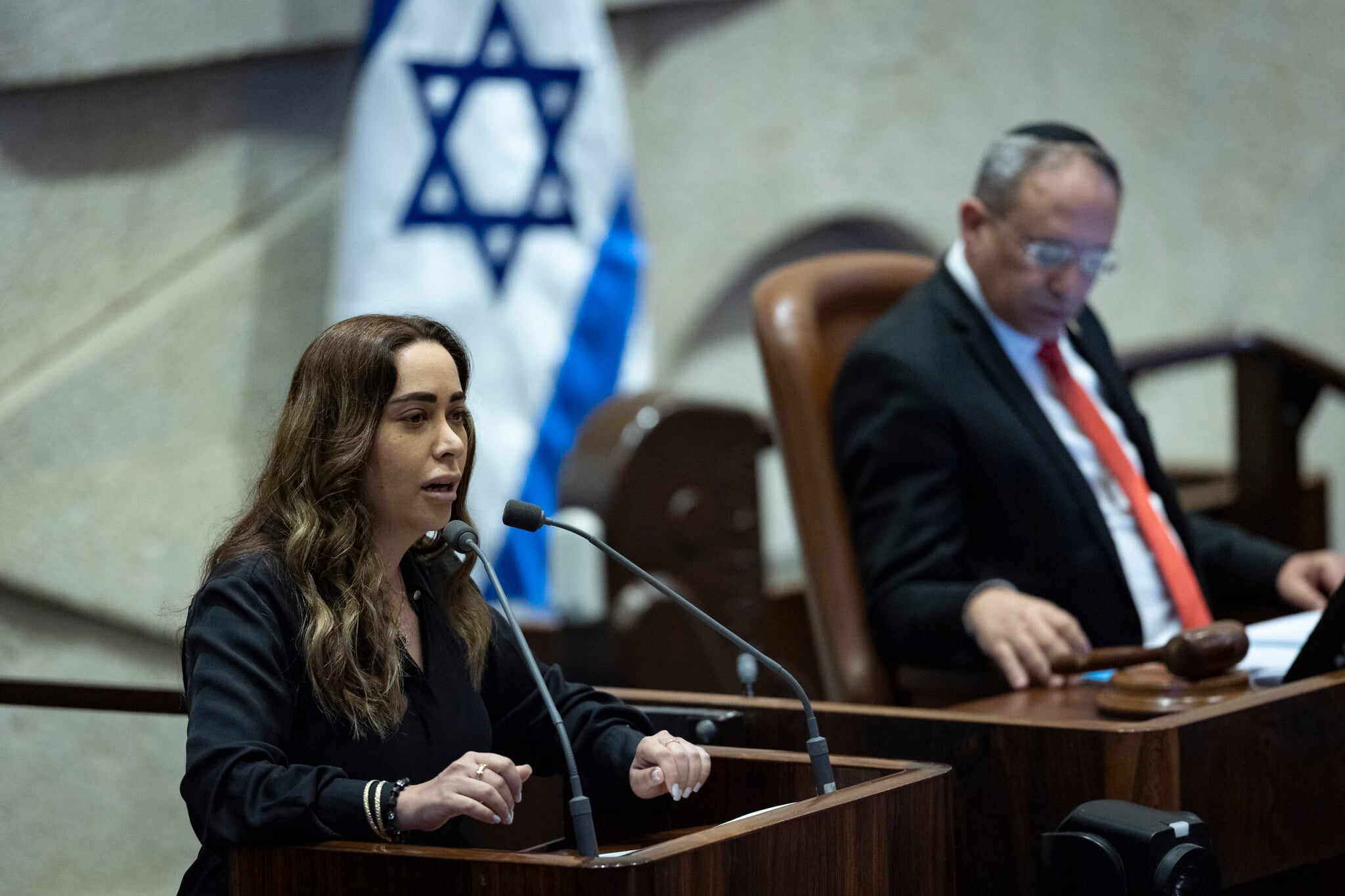
The final composition of the governing coalition will also have a direct, profound impact on women’s representation in the executive branch. If the governing parties have no women, or very few women in electable positions, women’s representation around the high-level cabinet table and in senior executive roles is also likely to be low.
Another analysis by Yechieli’s 5050 initiative, based on the polling average as of October 12, points to a dramatic gap between the political blocs.
If Likud, the far-right parties, and the ultra-Orthodox parties form the next coalition, their combined parliamentary factions will include just seven women, compared to nine in the current right-wing coalition.
Conversely, if the centrist “change bloc” forms the next coalition, the number of women in their governing factions could reach a record 24.
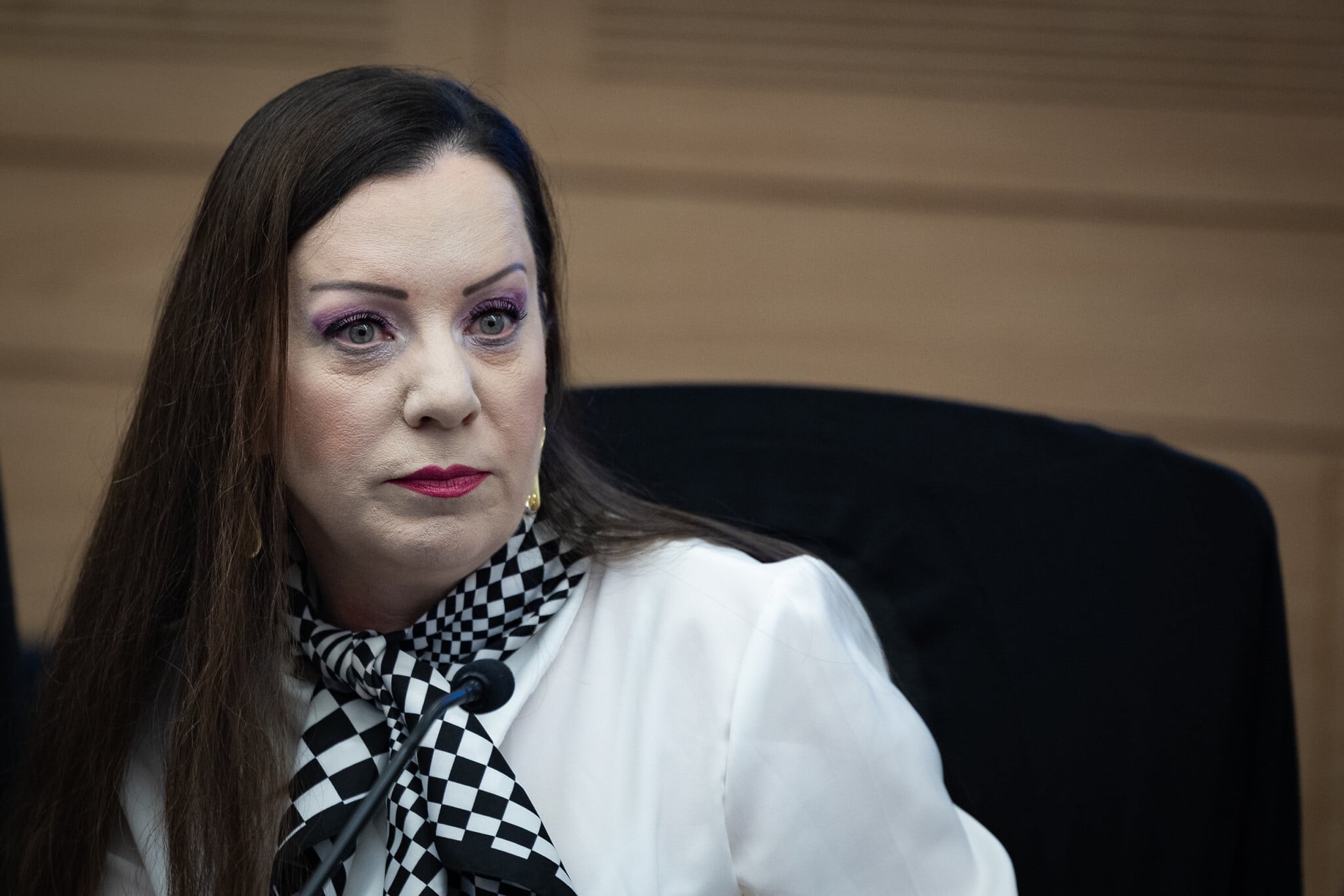
One of the most prominent women on the far right today is Likud MK Tally Gotliv, who is seeking the position of justice minister. Throughout her prior career as a defense lawyer, Gotliv regularly represented male defendants accused of sex offenses, and her harsh public remarks about sexual assault complainants have drawn fierce national criticism.
In her political activity, Gotliv has also vehemently opposed reserving quota places for women on Knesset slates. It is therefore difficult for activists to regard her as a representative of the struggle for gender equality and women’s advancement.
Against this backdrop, one of the most fascinating developments in the current campaign is actually coming from ultra-Orthodox women.
Grassroots political activism by ultra-Orthodox women has existed in Israel for more than 15 years, most notably through groups like Nivcharot (Elected Women). In 2026, however, it has gained a highly prominent, visible presence within the insular ultra-Orthodox community itself.
For the first time, a Haredi woman, Dr. Nechumi Yaffe, has been placed high — at No. 2 — on the slate of an ultra-Orthodox party, Hatzibur Haharedi (The Ultra-Orthodox Public). In the past, ultra-Orthodox women attempted to run on independent, all-female slates, but without any electoral success.
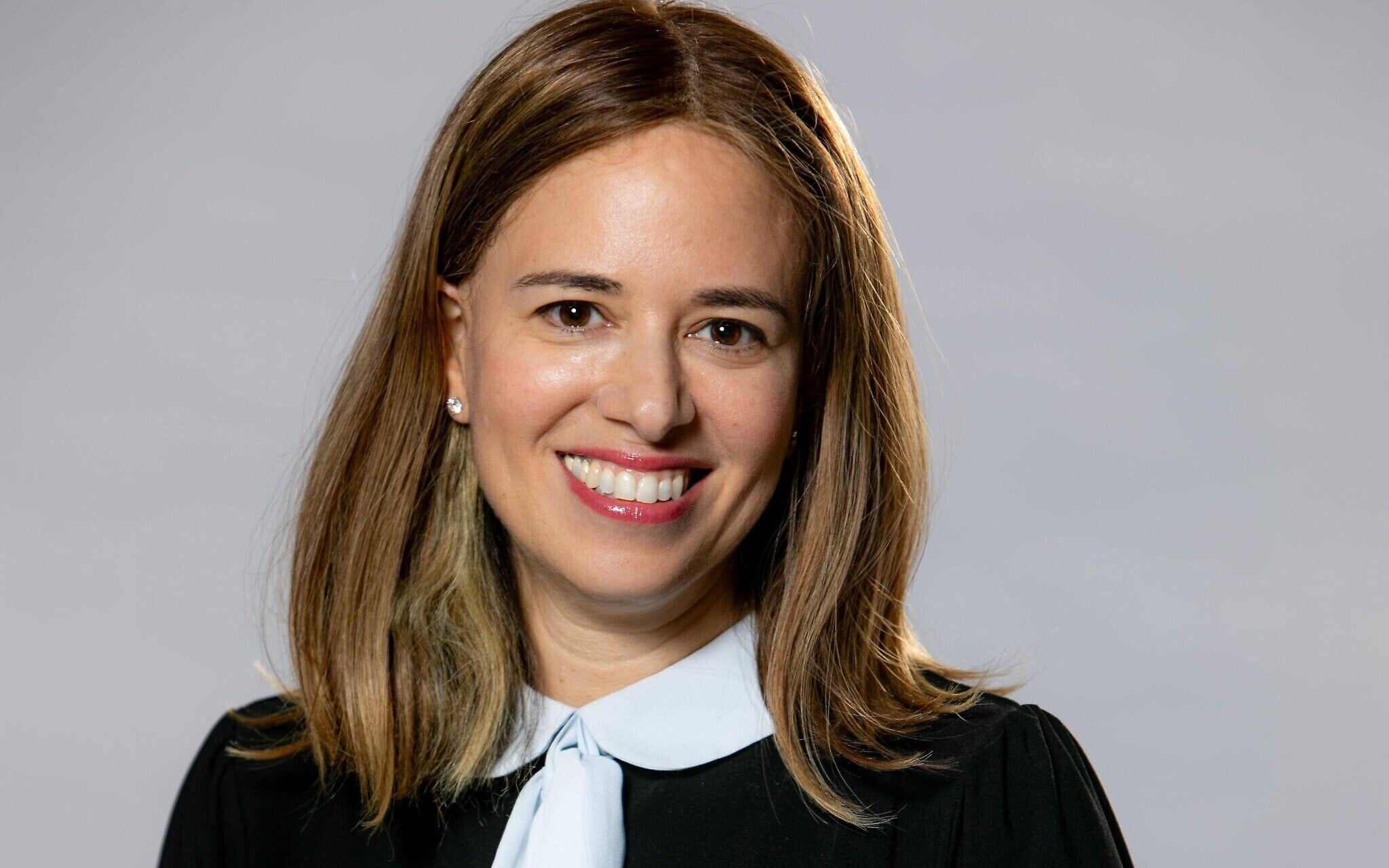
Hatzibur Haharedi is currently failing to cross the electoral threshold in the polls. But ongoing reports of concerns over low voter turnout and quiet protest voting within ultra-Orthodox society raise a fascinating question: Will ultra-Orthodox women take advantage of the absolute secrecy of the ballot box to quietly vote for a party that finally offers them representation?
Related podcast: A Mandatory Listen – Nechumi Yaffe: An insider’s dire prognosis for the Haredi world, and its cure
Meanwhile, several ultra-Orthodox activists are not waiting for Election Day. They have launched a grassroots project called “Why Are There No Ultra-Orthodox Women in the Knesset?” and set up information stands directly in ultra-Orthodox population centers like Bnei Brak and Jerusalem.
In videos posted online, the activists engage directly with members of the Haredi public. In one such conversation, an ultra-Orthodox man raises the possibility that the difficulty stems from rabbis’ and men’s inherent religious fear of granting public authority to women.
The female activist brings the discussion back to a practical, legal question: “But if there were a law requiring every Knesset slate to include a woman in every group of five candidates, and otherwise the party wouldn’t be allowed to run in the election, would there be women?”
“If there’s no choice, then there’s no choice,” the man replies with a shrug.
האם הסיבה שאין נשים חרדיות בכנסת היא שנשים חרדיות לא מתבטאות בקול?
מתוך צילום הפיילוט של דוכני למה אין נשים חרדיות בכנסת, בכ"ה בסיון, 10/06/26.@EfratChocron pic.twitter.com/DBgGTxo0st
— למה אין נשים חרדיות בכנסת? (@harediwomen) October 1, 2026
That brief answer reveals just how easily something that appears to be an absolute, unyielding religious or social prohibition can quickly become an arrangement people are willing to live with — if only the structural rules of the game change.
In the past, ultra-Orthodox female activists paid a heavy personal price for publicly challenging the rabbinic establishment, including having their children expelled from Haredi educational institutions.
Against this backdrop, the highly public presence of activists such as Tzipi Lavi, Rivki Tauber, and Dana Betzalel — who are involved in running the 5050 project’s social media page — should not be taken for granted. They come armed with questions and arguments, appear on camera, and engage in fierce, open debate with members of their own community.







The Times of Israel Community.