

ToI poll: Anti-Netanyahu bloc regains lead but both camps short of majority 19 days ahead of vote
Zman Yisrael survey gives bloc of Jewish-led opposition parties a four-seat edge, with Eisenkot’s Yashar back in first ahead of Likud; Channel 13 poll places PM’s bloc ahead
 Add ToI as a Preferred Source on Google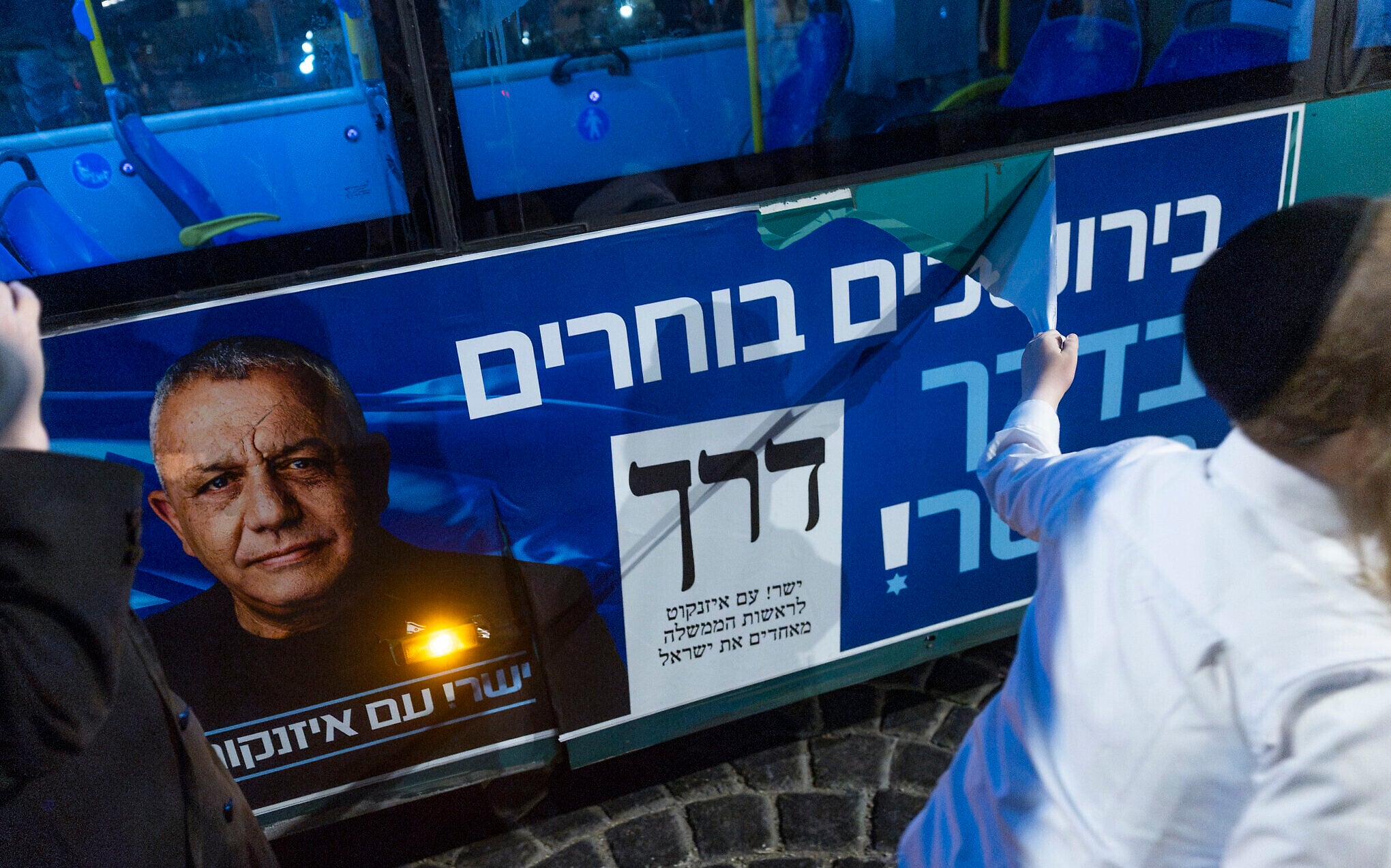
The bloc of parties opposing Prime Minister Benjamin Netanyahu regained its lead in the latest poll by The Times of Israel’s sister site, Zman Yisrael, after lagging in last week’s survey.
However, neither Netanyahu’s presumed bloc nor the bloc of the four Jewish-led parties opposing him is close to winning a majority in the 120-seat Knesset in the October 27 election, the poll found.
The survey, taken on October 7 and 8, coincided with the third anniversary of the Hamas-led onslaught in 2023, which has been at the center of the campaign and Israeli discourse.
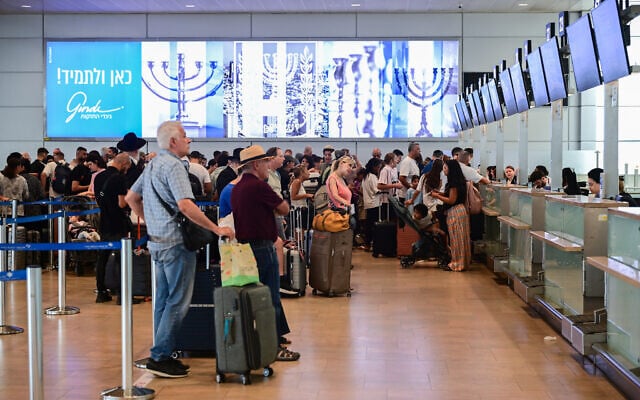
This is also the first Zman Yisrael poll taken entirely after the attempted terror attack on flydubai Flight 1073, in which the copilot, who aimed to crash a plane full of Israelis, was thwarted due to the actions of the flight’s captain and several Israeli passengers. Security lapses in the government’s oversight of air travel have since received significant scrutiny.
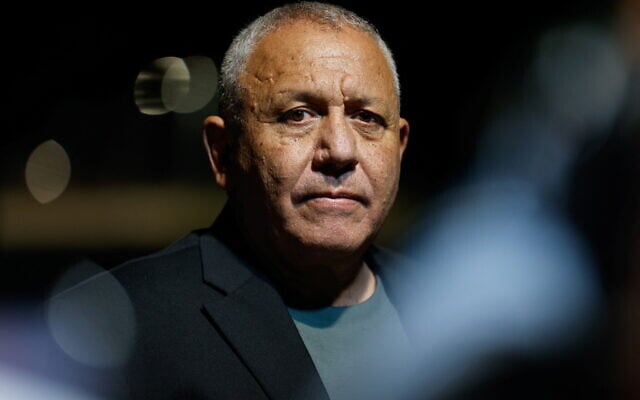
In last week’s Zman Yisrael poll, Netanyahu’s Likud party pulled even in first place with Gadi Eisenkot’s opposition Yashar faction, with 21 seats each. But this week, Likud dropped back to second, with 20 seats to Yashar’s 24.
Were the elections held today, the poll found that the four Jewish-led parties opposed to Netanyahu would win 55 seats, six short of a majority, while the parties supporting Netanyahu would win 51.
The Arab-led Ra’am and Joint List parties, which also oppose Netanyahu but have rarely been included in governing coalitions, would win 14 seats in total. Ra’am previously joined the 2021-2022 government that briefly unseated Netanyahu.
The pro-Netanyahu total of 51 included Ofer Winter’s People of Israel party. Winter has heavily criticized Netanyahu, but says his right-wing party will still join a coalition he leads as long as it passes legislation mandating universal military service, something Netanyahu’s Haredi parties staunchly oppose.
Sitting atop the poll is Eisenkot’s Yashar with 24 seats, followed by Likud with 20. Next is opposition party B’Yachad with 13 seats, followed by the hawkish opposition Yisrael Beytenu party with 10, then the Joint List with a projected nine seats.
Hot on their heels are the ultra-Orthodox Shas and United Torah Judaism parties, and the left-wing Democrats, with eight seats apiece. The far-right Otzma Yehudit was projected to win six seats, while Ra’am and far-right Religious Zionism would each win five.
Rounding out the list was Winter’s People of Israel with four seats, the minimum required to enter the Knesset.
Two non-aligned parties, one led by Yoaz Hendel and Yaron Zelekha, as well as Benny Gantz’s Blue and White, both failed to pass the 3.25% electoral threshold.
The poll was conducted by Yossi Tatika of Tatika Research & Media in collaboration with the Adgenda panel, and surveyed a total sample of 500 respondents with a margin of error of ±4.4%.
Channel 13 poll: PM’s bloc leads but is short of majority
The survey came alongside a Channel 13 poll, which, by contrast, put parties in Netanyahu’s bloc ahead of the Zionist anti-Netanyahu bloc of parties.
However, Netanyahu and his allies still weren’t projected to win enough seats for a coalition, with 55 seats, compared to the opposition bloc’s 50.
Channel 13 found Likud and Yashar neck-and-neck in the latest poll, both with 20 seats.
Meanwhile, B’Yachad would win 12, followed by the Democrats with 10 and the Joint List with nine, while Yisrael Beytenu, Otzma Yehudit and United Torah Judaism tied with eight. Shas and Religious Zionism were both projected to win seven seats, then Ra’am with six and People of Israel with five.
The Reservists and Blue and White parties did not cross the electoral threshold, according to Channel 13.
That poll collected data from 1,013 respondents and had a margin of error of 2.5%.
While horse-race polls are an almost daily occurrence in Israel in the months leading up to elections and are not seen as overly reliable, taken together, they can often serve as a general gauge of the political climate and where the vote may be headed.







The Times of Israel Community.