

NYC’s comptroller walks back pledge to reinvest in Israel bonds
Mark Levine, who is Jewish, says decision is not political but due to ‘technical challenges’ and ‘financial considerations’
 Add ToI as a Preferred Source on Google
Luke Tress is The Times of Israel's New York correspondent.
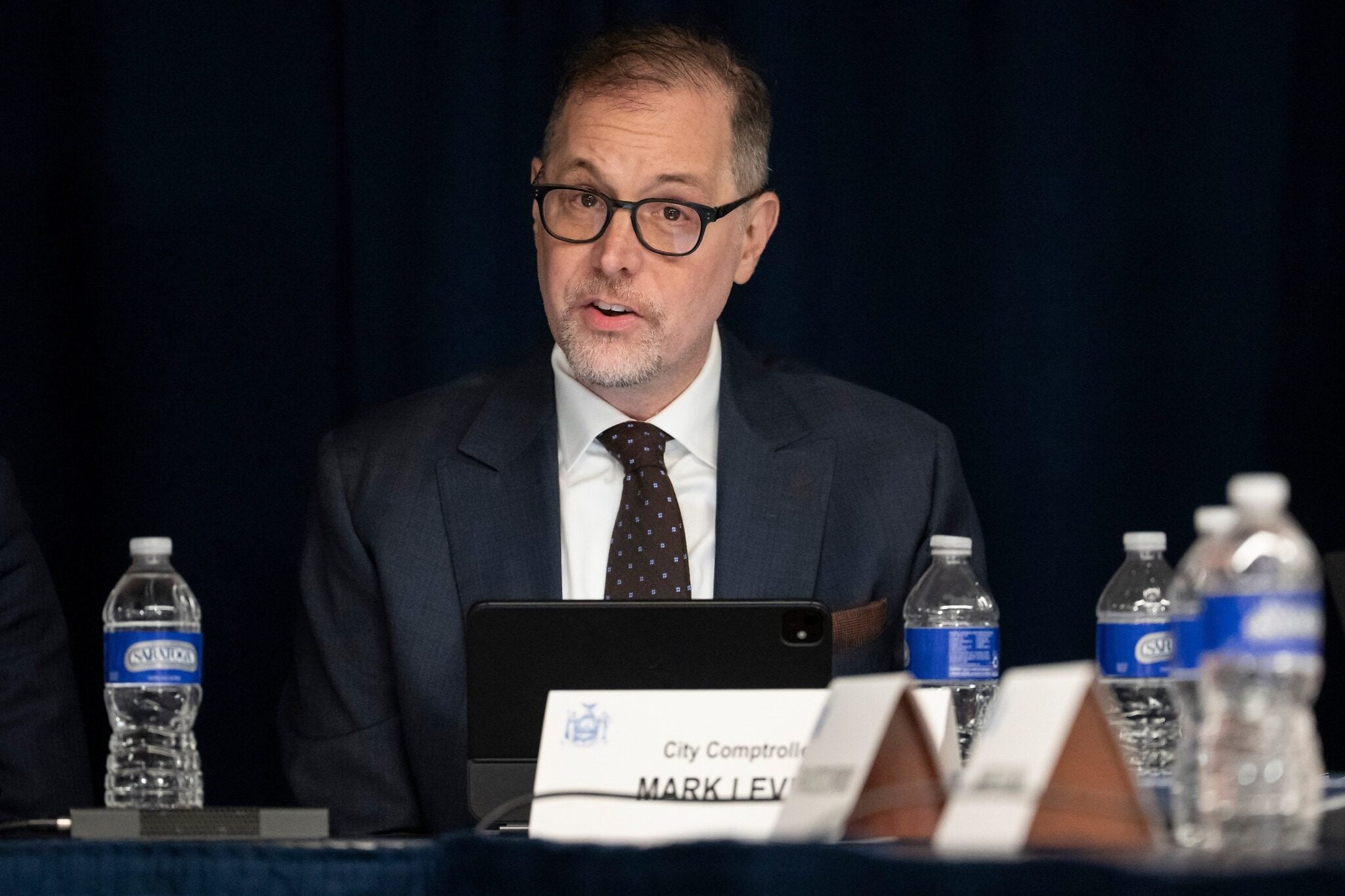
NEW YORK — New York City Comptroller Mark Levine said in an interview published on Wednesday that he was walking back his campaign pledge to invest city pension funds in Israel bonds.
The Jewish Levine is a moderate, closely connected to the mainstream Jewish community, and supportive of Israel while criticizing the Netanyahu government. He often greets crowds in Hebrew at Jewish community events.
He is a prominent player in city politics — the comptroller is viewed as the second-highest elected position in city government, and before becoming comptroller, Levine was the Manhattan borough president. As comptroller, Levine is responsible for the city’s financial policy.
The city’s investments in Israel bonds have been an issue for years.
Levine’s predecessor, Brad Lander, is also Jewish, but further to the left and more harshly critical of Israel than Levine. Lander had decided against reinvesting in Israel bonds when the city’s holdings of around $40 million matured in early 2023, saying he had made the call for financial reasons.
The decision led to a spat between Lander and the pro-Israel mayor at the time, Eric Adams.
The city had held Israel bonds since the 1970s.
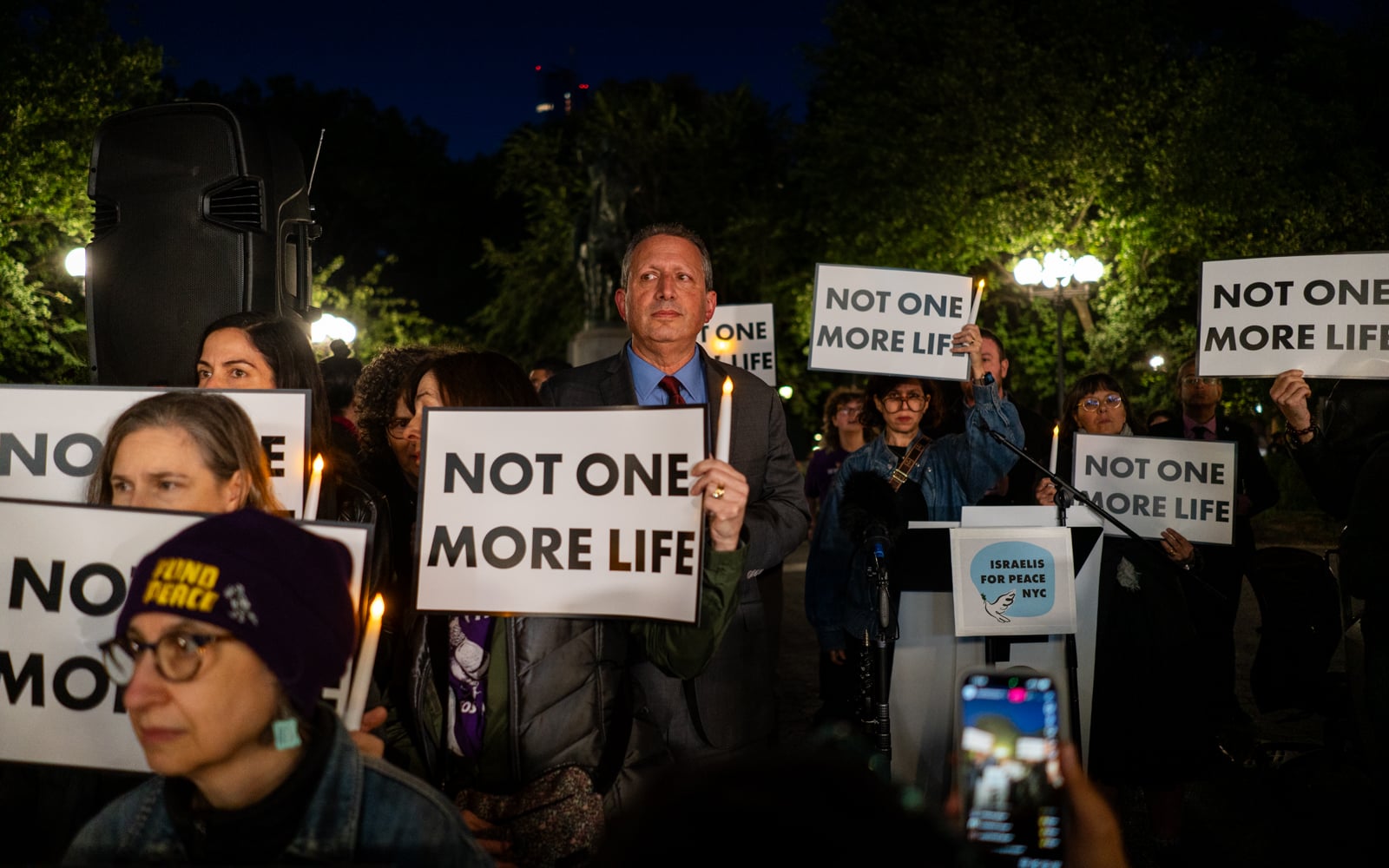
During his campaign, Levine pledged to buy Israel bonds, but said this week he will not, citing financial factors, not politics.
“As of now, we feel that because of some technical challenges, and because of financial considerations, that this is not an investment that we can make right now,” Levine told The New York Times.
The bonds have historically been a reliable investment. Rating agencies have downgraded Israel’s credit rating in recent years, though, due to military conflicts, domestic political turmoil and other factors.
“I always said this would be based on financial considerations only, not politics — that’s still my position,” Levine said.
New York City Mayor Zohran Mamdani, an anti-Zionist, opposed reinvesting in Israel bonds, forming a fault line between himself and Levine early in their tenure. The two have since maintained a cooperative relationship.
Mamdani and Levine both took office at the start of the year.

Mamdani said he “welcomed” Levine’s decision at a Wednesday press conference.
“I don’t believe that our city should purchase Israel bonds. We don’t purchase the bonds of any other sovereign nation. I don’t think we should make an exception when it comes to Israel,” Mamdani said.
The comptroller serves as the city’s chief financial officer, conducting audits of city agencies, handling the city’s pension funds, reviewing contracts, and providing budgetary oversight. The comptroller heads a staff of around 800 employees. The powerful role can serve as a counterweight to the mayor.
The comptroller’s office said in August that the city’s pension funds had a value of $326.3 billion, meaning the Israel bonds had been a minuscule amount of the total holdings.
The August report said that the pension funds had a one-year return of 13%, putting the two- and three-year bonds’ return of around five percent behind the overall investments’ performance.
Levine inherited a budget gap of more than $12 billion for 2026 and 2027 when he took office.
The comptroller’s office said on Wednesday that Levine was a “strong supporter of Israel” and that the city held more than $285 million in other Israel-based investments.
Anti-Israel activists celebrated Levine’s decision against reinvesting.
The anti-Zionist Jewish Voice for Peace hailed the announcement as a “BDS win,” referring to the Boycott, Divestment and Sanctions movement targeting Israel.
“This is a political earthquake,” the group said in a statement. “We’re winning. And we won’t rest until New York City has fully divested from the Israeli economy and until Palestine is free.”
A spokesperson for Israel Bonds said on Wednesday that Israel’s economy behind the bonds “remains strong” and that local governments in the US have continued to buy the bonds.
Since October 2023, institutional and retail investors have purchased more than $8.5 billion in the bonds, spokesperson Nate Miller told The Times of Israel.
“The State of Israel has made every payment of principal and interest on its bonds, on time, since 1951, including every payment owed to New York City’s pension funds over nearly fifty years,” he said. “The New York City Comptroller has said his office’s analysis is ongoing, and we look forward to sitting down with him and his team.”










The Times of Israel Community.