

Mamdani rejects comptroller’s plan to invest in Israel bonds, hardening fault line
NYC mayor repeats opposition to the investments, shortly after Mark Levine voices his support, putting the two on course for a potential collision just weeks into their terms

 Add ToI as a Preferred Source on Google
NEW YORK — Investments in Israeli government bonds have emerged as a significant fault line between New York City Mayor Zohran Mamdani and the city’s comptroller, Mark Levine.
Levine and Mamdani have long held opposing positions on the bond investments, but the potential dispute came into focus this week, as each took opposite sides on the issue in public statements, just a few weeks into their terms.
Mamdani is a far-left anti-Zionist, and Levine is a Jewish centrist who often greets crowds in Hebrew at Jewish community events. As comptroller, he serves as the city’s financial watchdog. The position is seen as the second-highest role in the city government.
Levine said last week that he intends to resume the city pension funds’ investment in the bonds. His predecessor, Brad Lander, had decided against reinvesting in the bonds after they reached maturity.
“Israeli bonds had been part of the portfolio for decades,” Levine told The City in an interview last week. The city had held Israel bonds since the 1970s.
Levine has also backed investing in the bonds in other recent statements, defending the bonds as a solid investment that the city has profited from for decades.
Mamdani, a longtime supporter of the Boycott, Divestment and Sanctions (BDS) movement targeting Israel, came out in opposition to Levine during a Wednesday press conference.
“I don’t think we should purchase Israel bonds,” Mamdani said. “We don’t purchase bonds for any other sovereign nation’s debt and the comptroller has also made his position clear and I continue to stand by mine.”
Mamdani and Levine have signaled a willingness to work together, are aligned on other issues, and Levine endorsed Mamdani’s campaign during the primary, but the Israel bonds issue could put the two on a collision course. Mamdani and Levine both took office on January 1.

The comptroller serves as the city’s chief financial officer, conducting audits of city agencies, handling the city’s pension funds, reviewing contracts, and providing budgetary oversight. The comptroller heads a staff of around 800 employees. The powerful role can serve as a counterweight to the mayor.
Most Israel bonds have a return of about five percent, with some yielding a higher return than similar US Treasury bonds.
The dispute between Levine and Mamdani is an inversion of tensions over the bonds during the previous administration, when the comptroller opposed investing in the bonds, and the mayor was in favor.
When the previous comptroller, Lander, decided against reinvesting in the bonds after they matured, former mayor Eric Adams had a public feud with his comptroller, whom he accused of targeting Israel. Lander denied the charge, saying the decision was not political but in line with the city’s investment policies.
To refute the charge that he was boycotting Israel, Lander noted the city held other Israeli assets worth more than $300 million and said it did not invest in bonds from other countries.
Lander is Jewish, but to the left of Adams, who is an outspoken supporter of Israel.
Lander said the city held more than $39 million in Israel bonds when he took office in January 2022. The bonds matured the following year.
The city’s pension funds held more than $294 billion in assets as of June, meaning the bonds were a minuscule proportion of the funds’ holdings.
Adams and Lander had an adversarial relationship throughout their time in office.
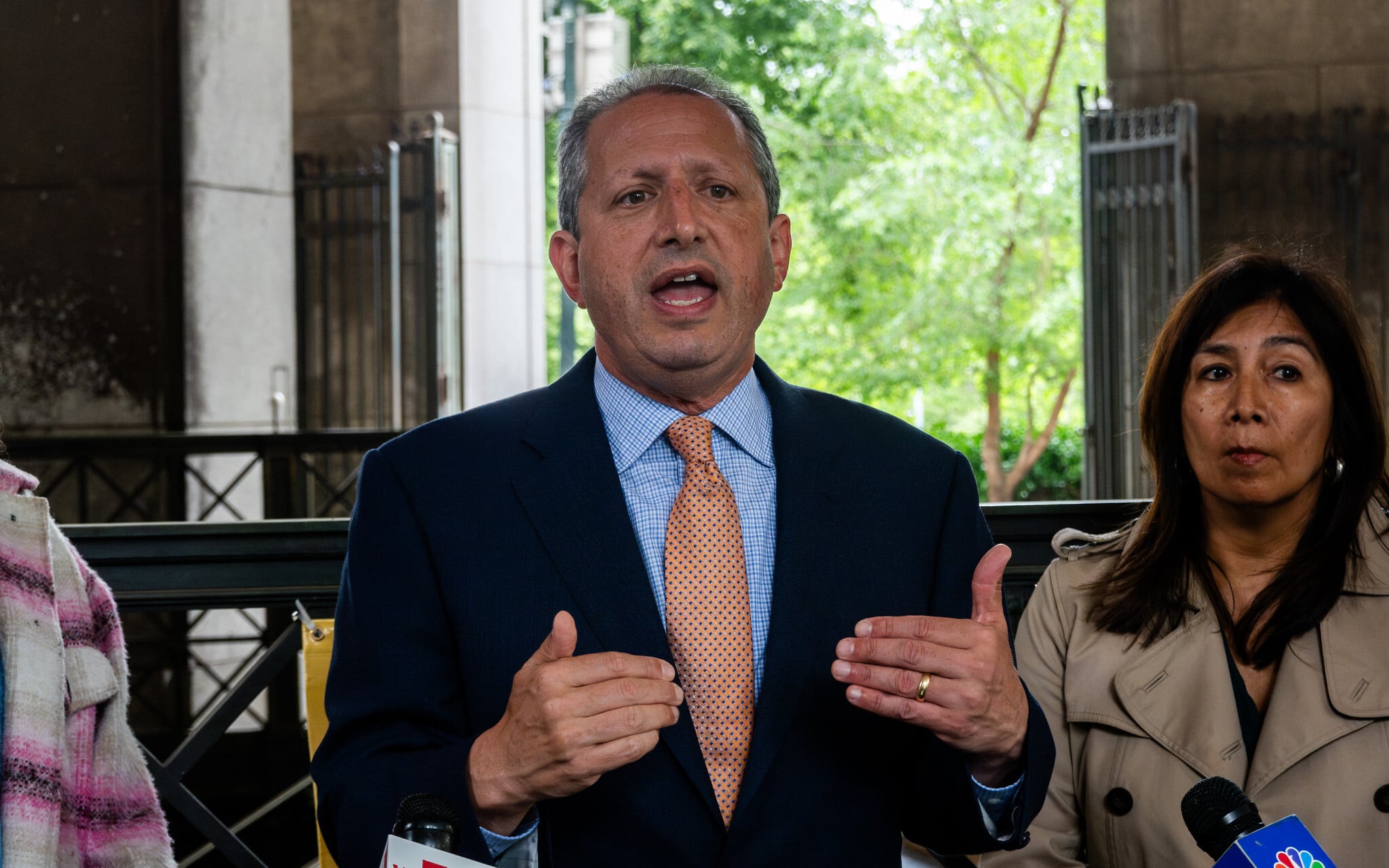
The city’s five pension funds are governed by boards of trustees that make investment decisions. Those boards vary in size, but typically consist of the comptroller, a mayoral appointee and a number of labor representatives.
The mayor does not have direct oversight of the funds’ investment decisions, but on boards where the mayor has more influence over the makeup of the trustees, he could sway decisions with the help of his appointees.
Levine has dismissed the possibility that the mayor could overrule his decisions on the bonds, telling JTA in September that the mayor “just doesn’t have the votes for that.”
“There’s no real track record of the mayor driving significant investment decisions in our pension funds,” he said.
Anti-Zionist activist groups have protested against Levine’s intention to reinvest in the bonds.
On his first day in office, Mamdani revoked an executive order by Adams that barred city agencies from boycotting Israel, part of a broader revocation of the previous administration’s orders. New York City law bars city agencies from discrimination based on national origin, however.
Levine is a well-known figure in New York City politics and the Jewish community, and served as the Manhattan borough president before becoming comptroller.
He has inherited an expected $12.6 billion budget gap this year and next year from the previous administration that City Hall will need to navigate as Mamdani attempts to implement his ambitious reforms, such as free buses and child care.
JTA contributed to this report.










The Times of Israel Community.