

Ra’am chief Abbas declines to call Hamas a terror group, cites fear for his family’s safety
In post-election meet with Herzog, traditionalist Arab party head slams ‘loyalty test’; he endorses Eisenkot, who has demanded potential partners declare Hamas terrorists
 Add ToI as a Preferred Source on Google
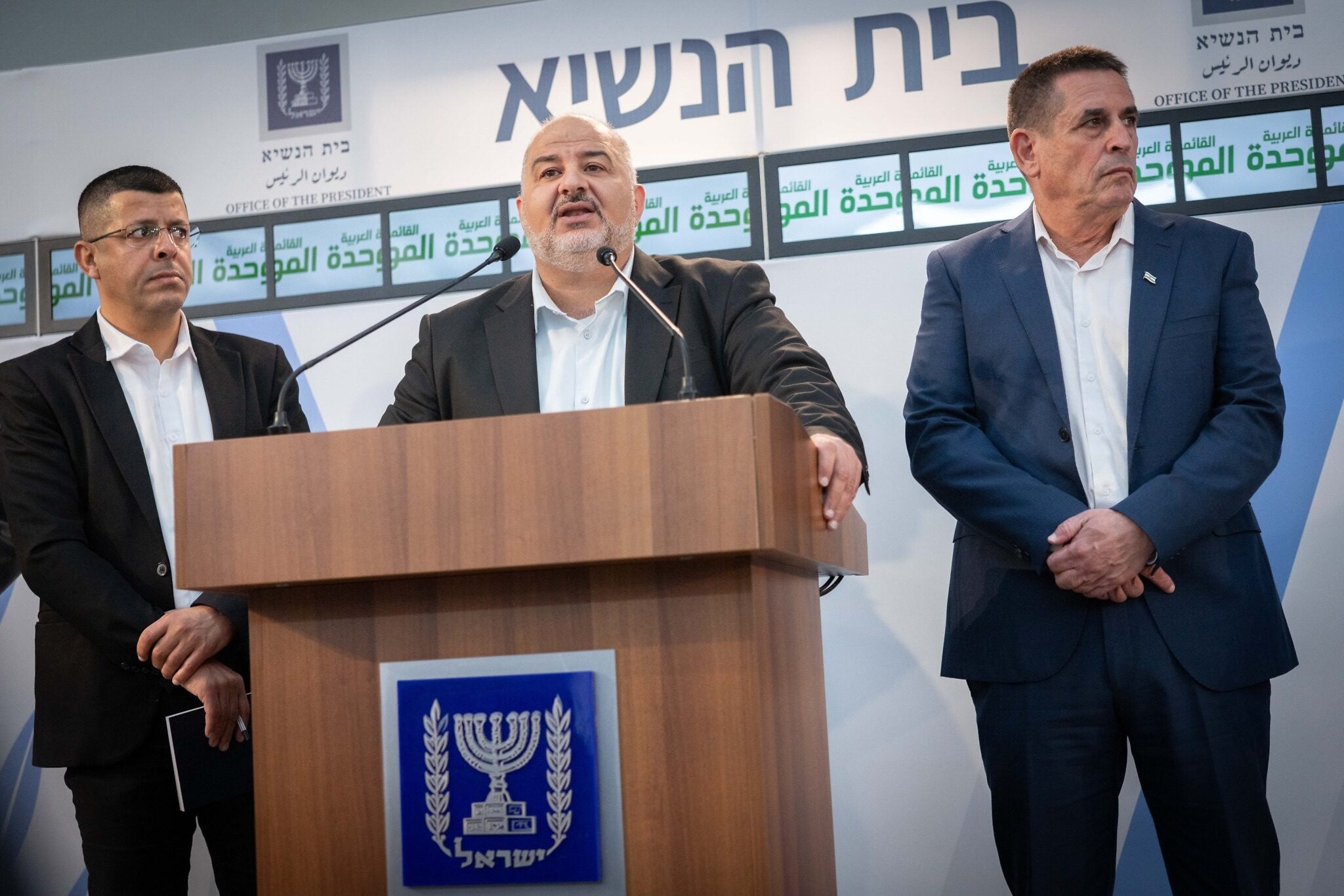
MK Mansour Abbas, head of the traditionalist Arab party Ra’am, declined to call Hamas a terror group during consultations with President Isaac Herzog on Thursday, citing a desire to remain a “bridge” to Palestinians as well as potential danger to himself and his family.
The exchange came on the second day of Herzog’s post-election meetings with party leaders to hear recommendations on whom the president should task with forming a government. Abbas recommended Yashar party chief Gadi Eisenkot, who has made recognition of Hamas as a terror group a condition for parties seeking to join a government led by him.
During the meeting with Abbas, Herzog asked the Ra’am party chief whether he considers Hamas a terrorist organization.
Abbas noted his movement’s long-running opposition to political violence, and said it is “impossible to constantly put us to this loyalty test.”
He also reiterated his support for US President Donald Trump’s Gaza peace plan. Abbas said his “vision” is a two-state solution to the Israeli-Palestinian conflict, with “Hamas and all the military or armed organizations” disarmed.
Eyal Shviki, director general of the President’s Residence, asked Abbas during the meeting why the Ra’am party head doesn’t “answer the skeptics” by simply calling Hamas a terrorist organization.
Abbas answered: “I have an unequivocal answer, but leave me this space to be a bridge. To also influence the other side.”
“We are a bridge. Let’s not destroy that bridge. Don’t turn us into terror supporters or traitors,” he said.
“Leave me also a space to protect myself and my family,” Abbas said, describing the issue as “a matter of life or death.”
עבאס נשאל בבית הנשיא אם חמאס ארגון טרור – וביקש לא להשיב: "אני רוצה לשמור על עצמי ועל משפחתי"@diklaaharon pic.twitter.com/R70moT9Y8t
— כאן חדשות (@kann_news) November 5, 2026
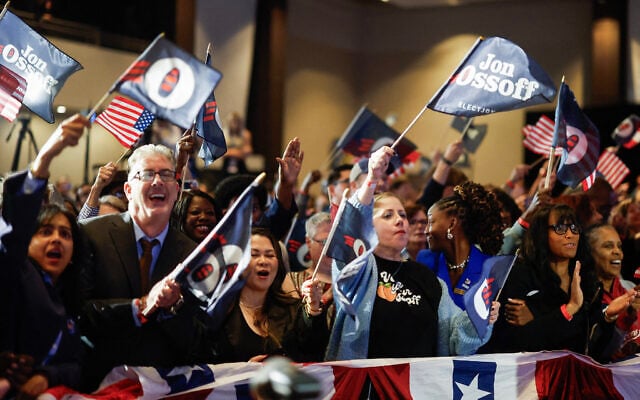
Abbas’s party won eight seats in the October 27 Knesset election, while fellow Arab-majority party Joint List won 11 seats, both on the heels of unprecedented Arab voter turnout that has made kingmakers out of both parties.
The Joint List, which has also said it would recommend Eisenkot, is both the more secular and the more nationalist of the two parties. Though it has no aspirations to join a government, the Joint List has pledged a conditional “safety net” for any government that unseats Prime Minister Benjamin Netanyahu.
Ra’am, by contrast, seeks to join an Eisenkot-led government and ran with Zionist former lawmaker and senior police officer Yoav Segalovitz at the No. 2 spot. The historically Islamist party was also part of the so-called “change government” that temporarily unseated Netanyahu in 2021-2022.
Netanyahu, his supporters and some of his Jewish opponents have cast both Arab parties as supporters of terrorism and illegitimate parties in government (despite Ra’am’s previously being part of a government and despite the prime minister having himself attempted to form a government with Ra’am in the past). Netanyahu’s Likud party has also accused both Arab-led parties of having “stolen” the election with bribes, a claim that has no basis in evidence at this time, though two investigations into limited cases of suspected fraud are ongoing.
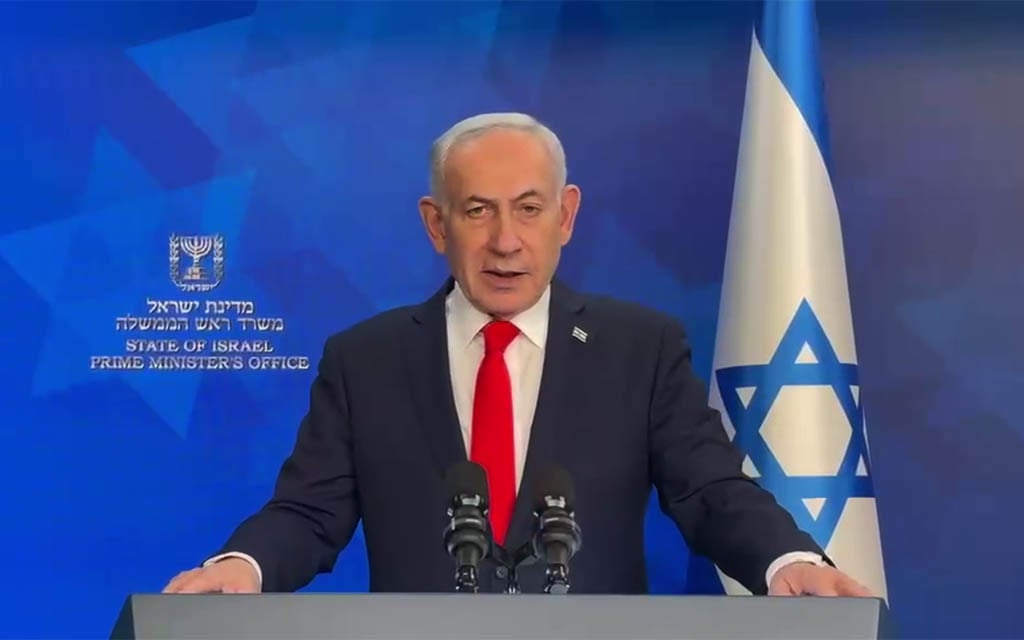
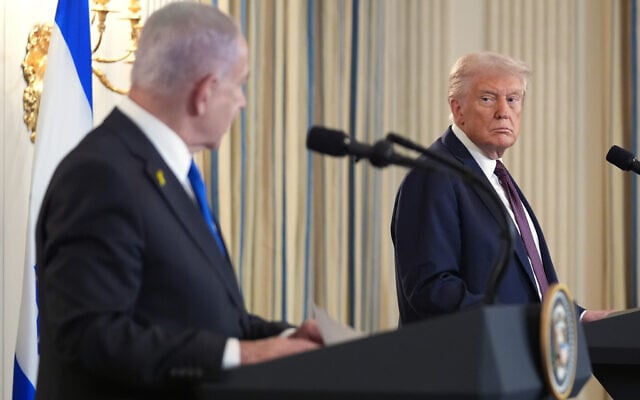
Netanyahu, who lost his parliamentary majority in the election, said in a video statement hours before Herzog’s meeting with Abbas that “Islamist parties that support terrorism” were threatening Israel from within and that any government that relies on them would put Israel in danger.
“Radical Islam is the challenge that is tearing countries apart in Europe today,” Netanyahu said. “It is also the challenge that threatens us. It threatens us from abroad through Iran and its proxies, and from within through Islamist parties that support terrorism.”
“They seek to erase the Jewish identity of Israel,” he continued. “They say so openly. They seek to deprive us of the ability to defend ourselves against our enemies.”
A government “that relies on radical Islam “will not only fail to fight our enemies, but will simply tear us apart from within,” Netanyahu said.
He reiterated his call for a “broad national government” under his leadership.
Zionist opposition leaders have rejected the prospect of unity with Netanyahu and his far-right allies, whom the premier has vowed to keep in any future government he leads.


The Times of Israel Community.