

Is Netanyahu laying the groundwork for an Israeli January 6?
The US and Israeli systems differ, and the PM has given up his power before. But by trying to delay the electoral process with claims of fraud, he’s using a playbook that, in 2021, led to a violent disruption of American democracy

 Add ToI as a Preferred Source on Google
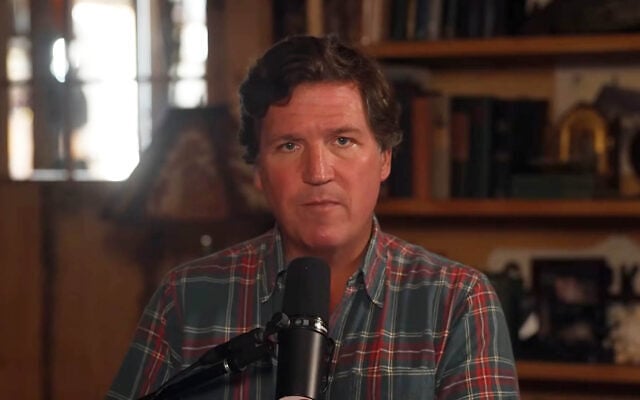
On November 11, 2020, eight days after Joe Biden defeated Donald Trump in the US presidential election, Tucker Carlson went on Fox News and declared that voter fraud had “happened, and we can prove it.”
Later that month, Carlson, then the host of the most popular cable news show in the United States, teased claims that “technology companies switched millions of votes and stole a presidential election.”
He called the allegations, if proven, “the greatest crime in the history of this country.”
Carlson’s nightly broadcasts ran alongside a litany of statements by Trump falsely claiming he had won the election and a bevy of lawsuits aimed at challenging the results. It was all part of a larger campaign dubbed “Stop the Steal.”
None of it worked, but it culminated in rioting and bloodshed. On January 6, 2021, two weeks before Biden took office, a pro-Trump mob stormed the US Capitol, shocking the world and leading to the deaths of five people.
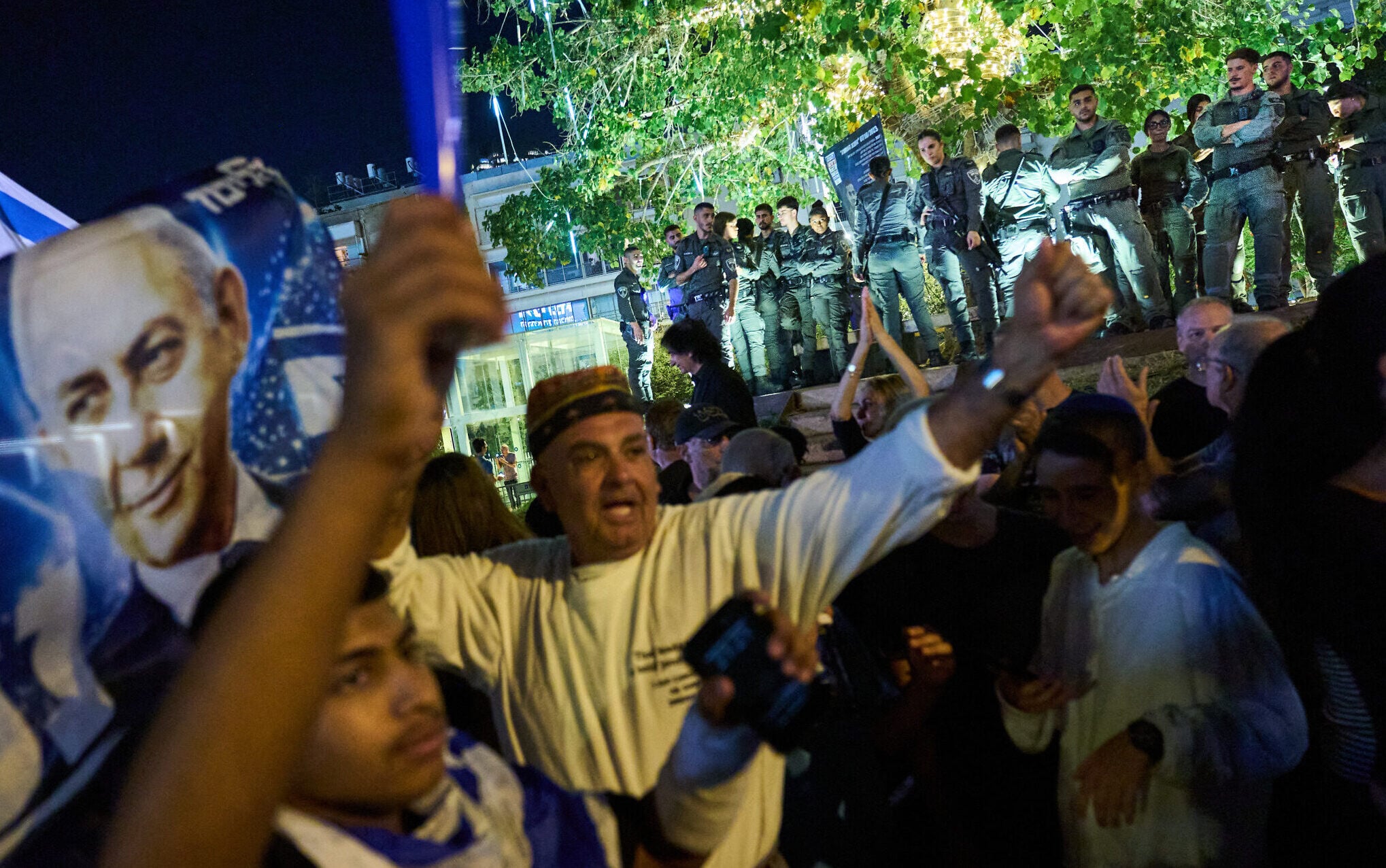
At the time, Prime Minister Benjamin Netanyahu called the riot “a disgraceful act that must be vigorously condemned.” But now, in the wake of Israel’s election, he and his allies seem to be running a version of Trump’s 2020 playbook.

Like Trump, Netanyahu is protesting a “stolen election” after losing his majority. He is actively seeking legal means to forestall the transfer of power, calling for Wednesday’s certification of the vote to be delayed due to investigations of voter fraud and foreign interference. His demand has been rebuffed, but it remains unclear whether bureaucratic electoral processes that were once perfunctory and routine will go forward as expected.
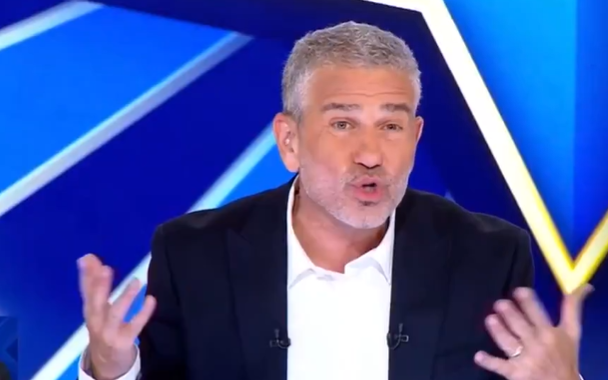
And just like Trump, Netanyahu has allies in the right-wing media, including Yinon Magal, the host of a vociferously pro-government talk show, Channel 14’s “The Patriots,” who is eager to trumpet the incumbent’s claims. Magal’s show, routinely drawing more than 100,000 viewers nightly, is a testing ground for right-wing messaging. On Monday, its chyron read, “The Ballot Box Terror Affair.”
“It’s clear to everyone that there were a lot of things here that weren’t okay,” Magal declared on Monday night, after reciting a list of unsubstantiated allegations that voters were paid to cast ballots for the two Arab-led parties, which together won a historic high of 19 seats in the Knesset.
“What’s even stranger is that it seems that in what’s known as the left-wing media, there’s no tempest this time,” Magal continued. “This doesn’t agitate them — that the election, Israel’s democratic process, was faked.”
Could these claims lead to an Israeli January 6?
There’s good reason to think the answer is no, Jerusalem in 2026 is not Washington in 2021, and Israel’s electoral process will run as it’s supposed to despite any number of conspiratorial claims. Netanyahu, unlike Trump, could very well stay in power indefinitely if his fractious opponents fail to form a government.

But with Israeli political discourse already at a boil, with protesters already gathering outside politicians’ homes, and with each side accusing the other of undermining Israeli democracy, the rhetoric is injecting a new, foundational level of uncertainty into what was already a fraught process.
In addition to having no idea what their next government will look like, or when it might take office, Israelis are left to wonder if their very democratic system will still be able to function.
US and Israeli politics: Not the same
Despite the frequent temptation to view everything through the lens of US politics, Israel’s system is different in ways that are obvious and that argue against a violent riot surrounding the election, or even the disruption of the democratic process.
One is that the US has an unusually long transition period of two-plus months between the November election and the inauguration of the next president in January, during which time the vote goes through multiple certifications. That gives the loser time to try to relitigate the result, gin up conspiracies and inflame followers. (In the UK, by contrast, the transition can be as short as one day.)
Israel’s governmental transition can last months or years on end, if the parties are deadlocked, which is exactly what happened from April 2019 to November 2022, a period that saw five elections before a government was formed. That might happen again now.
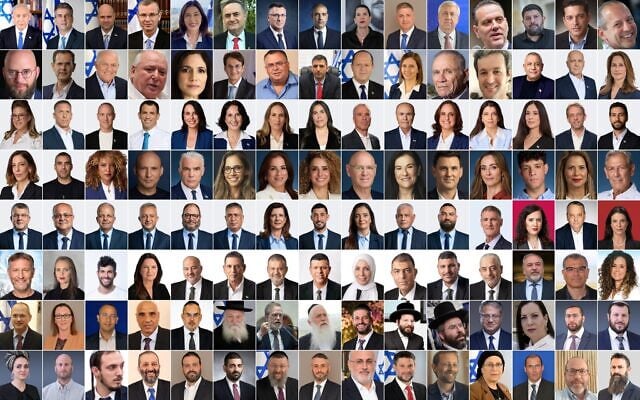
But regardless of if or when a coalition is formed, the new Knesset gets sworn in relatively efficiently. The vote is counted within a day or two, certified about a week after the election, then the new Knesset is seated a week after that. It’s a condensed timeline that affords Netanyahu much less time to dispute the result. By November 10, despite his protests, the next Knesset is set to take office, with a majority of lawmakers opposed to him.
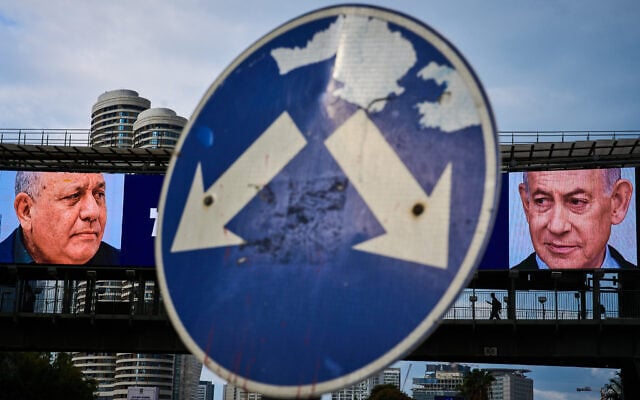
The second major difference is that the seating of the new Knesset is only the start of the process. Netanyahu’s likeliest path to staying in power is blocking the formation of an opposition government. And given that the Knesset is riven into at least three blocs, none of which has a majority, he may be able to do it.
That means that, unlike Trump, reversing the election is not Netanyahu’s last resort. He’s trying to delay the certification of the vote, but even if that fails, he has ample opportunity to prevent his opponents from unseating him. If that happens, a new election will be called and he will stay on as caretaker prime minister.
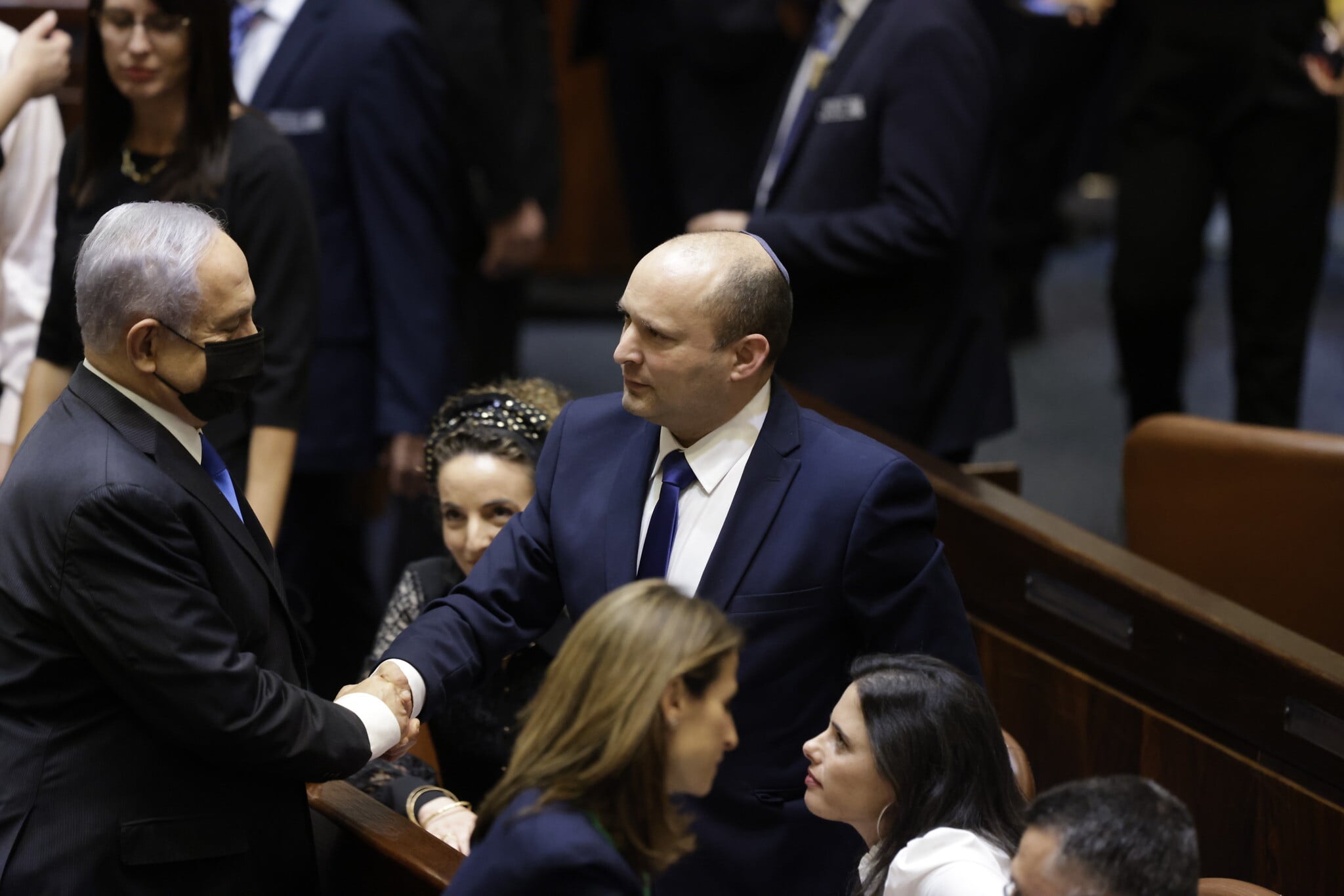
Finally, it’s worth remembering that Netanyahu has already been unseated twice, and has twice left office begrudgingly but peacefully. Last time it happened, in 2021, his camp didn’t make it easy. He dubbed his successors the “fraud government,” and his allies heckled incoming prime minister Naftali Bennett as he took office. But Bennett took office.
Much has happened in the intervening five years, and Netanyahu, 77, may be more desperate as his political clock winds down. But his reaction on the day he was unseated in 2021 is instructive. As he walked into the Knesset plenum, clad in a COVID-era mask, a reporter asked him if he would allow an orderly transfer of power.
“No, there will be a revolution,” he joked, flashing a scornful look and waving his hands sarcastically. He paused, then said, “What idiotic questions.”
The person who posted that video clip online at the time was Yinon Magal.
The Knesset has already been stormed
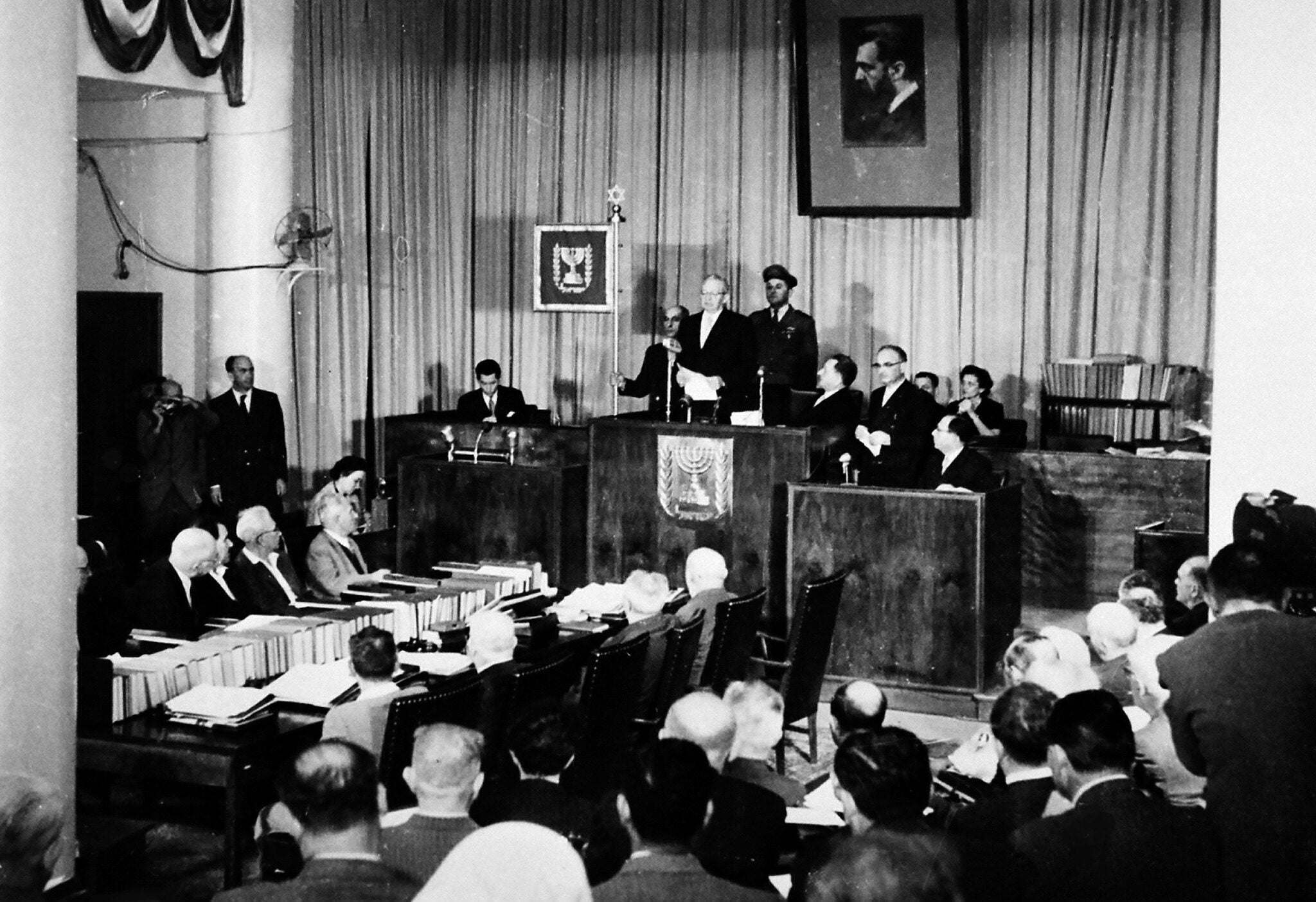
But those who are confident that a mob could never storm the Knesset should know that one already has, in a scenario that eerily prefigured January 6.
On January 7, 1952, right-wing lawmaker Menachem Begin addressed an angry crowd that was dead set against a proposal up for debate that day: Israel accepting reparations payments from West Germany. Following Begin’s speech, a mob of thousands massed on the Knesset, breaching police lines, throwing stones through the windows and injuring officers and lawmakers. A mix of tear gas and a literal ring of fire dispersed the crowd.
The riot has been mostly lost to history. The reparations proposal passed and Begin, who later became a peacemaking prime minister, is widely venerated across Israel. But it shows that violence at the Knesset has happened, and can happen.
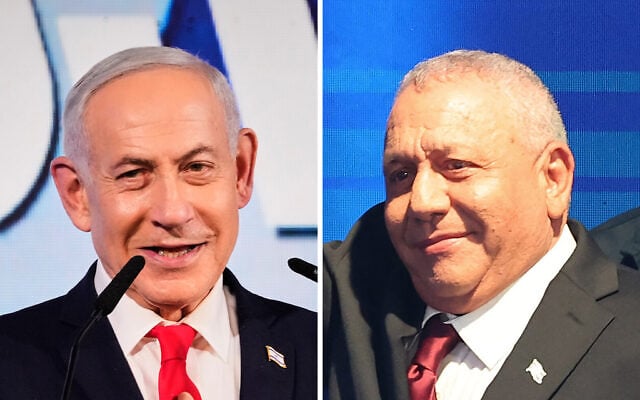
Will that, or something like it, happen now? Already, Netanyahu’s supporters have protested outside the home of his chief rival, Gadi Eisenkot, with one demonstrator accusing Eisenkot of being responsible for his own son’s death in battle. A campaign sign for another opposition politician, Naftali Bennett, was set on fire in Tel Aviv.
Such strife has happened before in Israel. In Netanyahu’s camp, many took a similarly dim view of the 2023 street protests, and bonfires lit on the highway, in opposition to the government’s judicial overhaul.
Layers of uncertainty
What’s different this time is that, if Netanyahu had his way, Israel’s democratic process would be disrupted. Taking a page out of Trump’s book, his Likud party is trying to transform procedural formalities into platforms for debate — in this case by demanding that the certification of the vote be delayed.
And as Monday night’s broadcast showed, Channel 14 is ready to back him up, crafting a media narrative to undergird his claims.
But just like in the US in late 2020 and early 2021, democratic gatekeepers appear to be holding firm. Justice Noam Sohlberg, who chairs the Central Elections Committee, swiftly shot down Likud’s request, noting both that the committee has no authority to delay the certification of the election and that doing so “contradicts fundamental democratic precepts.”
The CEC and the Shin Bet have both also affirmed that the election was proper, and that any investigations into fraud aren’t significant enough to affect the outcome.
There will be other milestones in the process that Netanyahu could seek to disrupt, especially when the new Knesset is set to be seated next week. But his actions in recent days appear to have alarmed his opponents and increased their urge to unseat him as quickly as possible.
“We are facing an extreme and dangerous attempt to disqualify the election,” Opposition Leader Yair Lapid said on Tuesday. “They just aren’t prepared to admit that they lost. What we need to do now is go establish a government, because the conduct of the past few days is just a reminder that we must take Netanyahu and his people out of the Prime Minister’s Office.”
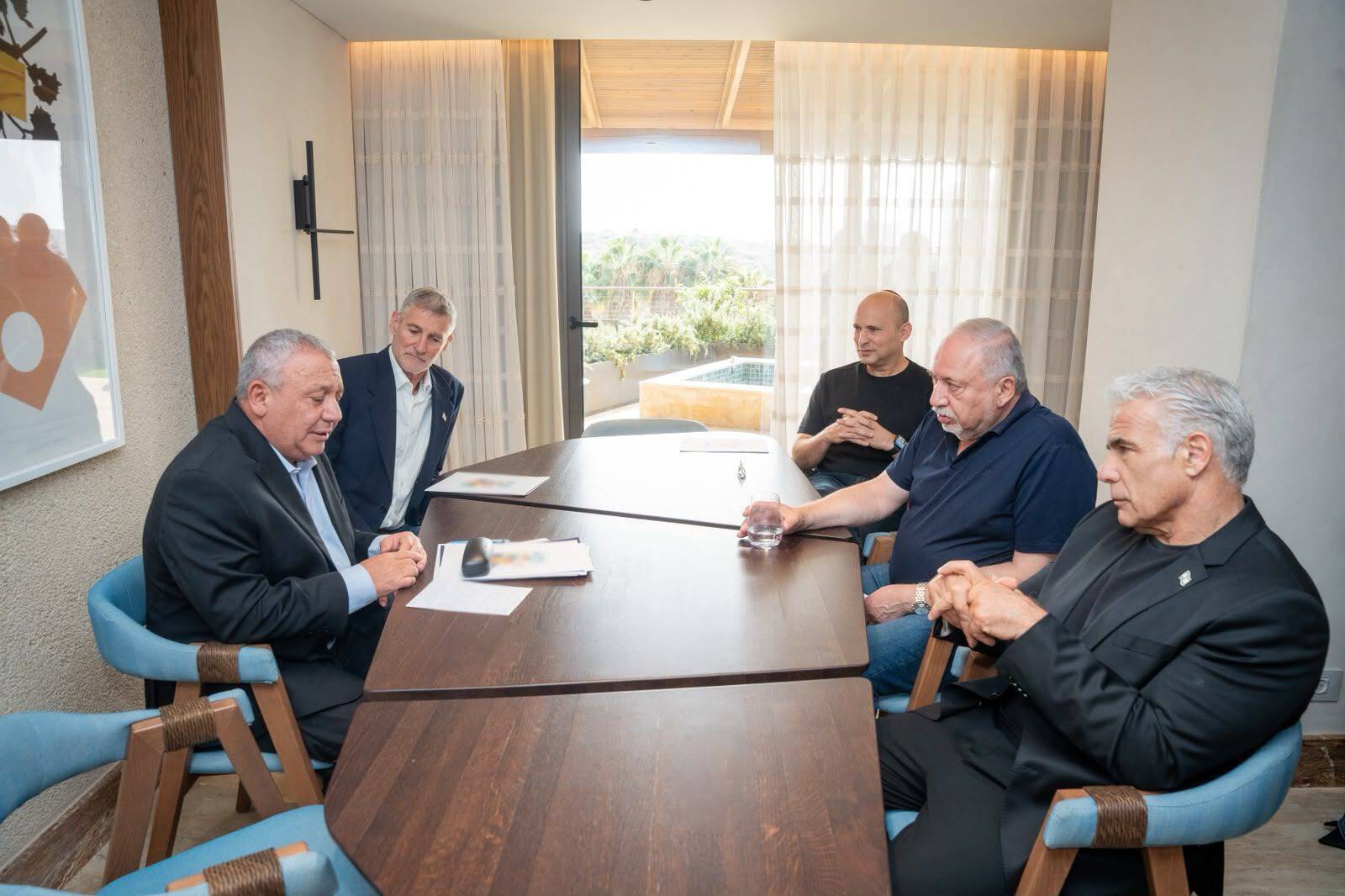
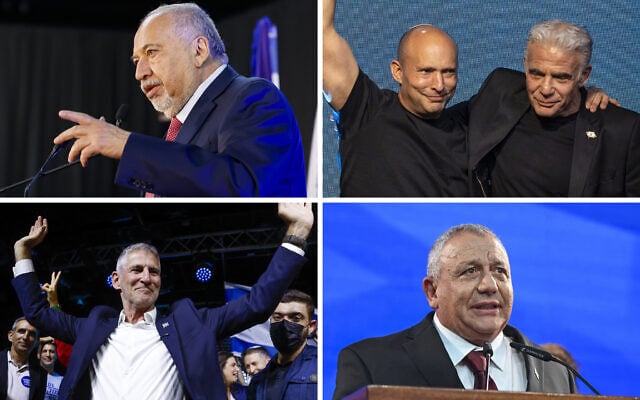
Later, in a joint statement, the leaders of the Jewish-led opposition parties said they were “united and will act immediately to replace the October 7 government with a national emergency government and put the clear parliamentary majority in the Knesset to work.”
The way to actually unseating Netanyahu is still unclear. To reach a parliamentary majority, the opposition will either need to create a Jewish-Arab partnership or peel people off of Netanyahu’s bloc. At present, neither looks realistic.
But Israelis knew that already. Polls predicted an inconclusive result for months, and on election day, that’s what voters yielded.
Now, they must also contend with questions about whether their democracy will function as intended — and what their longtime prime minister’s supporters and media mouthpieces might do if it becomes clear that his days in power are numbered.


The Times of Israel Community.