

Handful of Illinois ballot measures to ask voters to oppose state’s anti-BDS law
Local Jewish leaders leading effort to convince voters to back law which bars Illinois from investing pension funds in international firms that boycott Israel in symbolic ballot
 Add ToI as a Preferred Source on Google
JTA — On a recent weeknight, a local Jewish federation official met with a small group of Jews in suburban Chicago for an election organizing event.
Leaders of the group preemptively barred journalists, and anyone they deemed could be a journalist, from entry on Zoom.
Chicago Jewish leaders were quietly organizing an effort with big implications: how to convince voters to defend a state law designed to shield Israel from boycotts.
“It’s a fight, to put it simply,” Dan Goldwin, public affairs officer at Chicago’s Jewish United Fund, told the Jewish Telegraphic Agency.
JUF and other Jewish groups, Goldwin said, would be mounting “planned and meaningful opposition” to growing progressive efforts to overturn the law, which bars the state from investing pension funds in international companies that boycott Israel. Illinois was the first state to pass a law targeting the Boycott, Divestment, Sanctions movement, and many other states followed suit soon after.
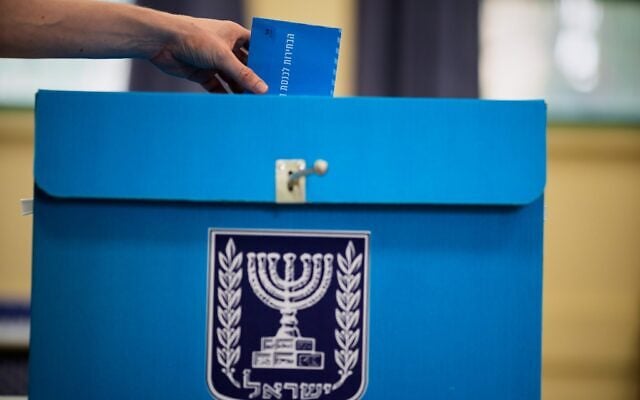
Now activists in some Illinois towns are leading the charge to repeal that first-in-the-nation law. Those efforts have resulted in a handful of ballot measures ceremonially opposing the law that will appear in municipalities around the state on November 3.
“Illinois, which was really a laboratory for creating anti-BDS state laws years back, inevitably has become a site for backlash,” James Loeffler, a Jewish historian at Johns Hopkins University and author of “Exceptional Hatred: Antisemitism and the Fight Over Free Speech in Modern America,” told JTA.
The measures appear to have no binding power over the anti-boycott law itself, which has been on the books since 2015 and would require action by the state legislature and governor to overturn.
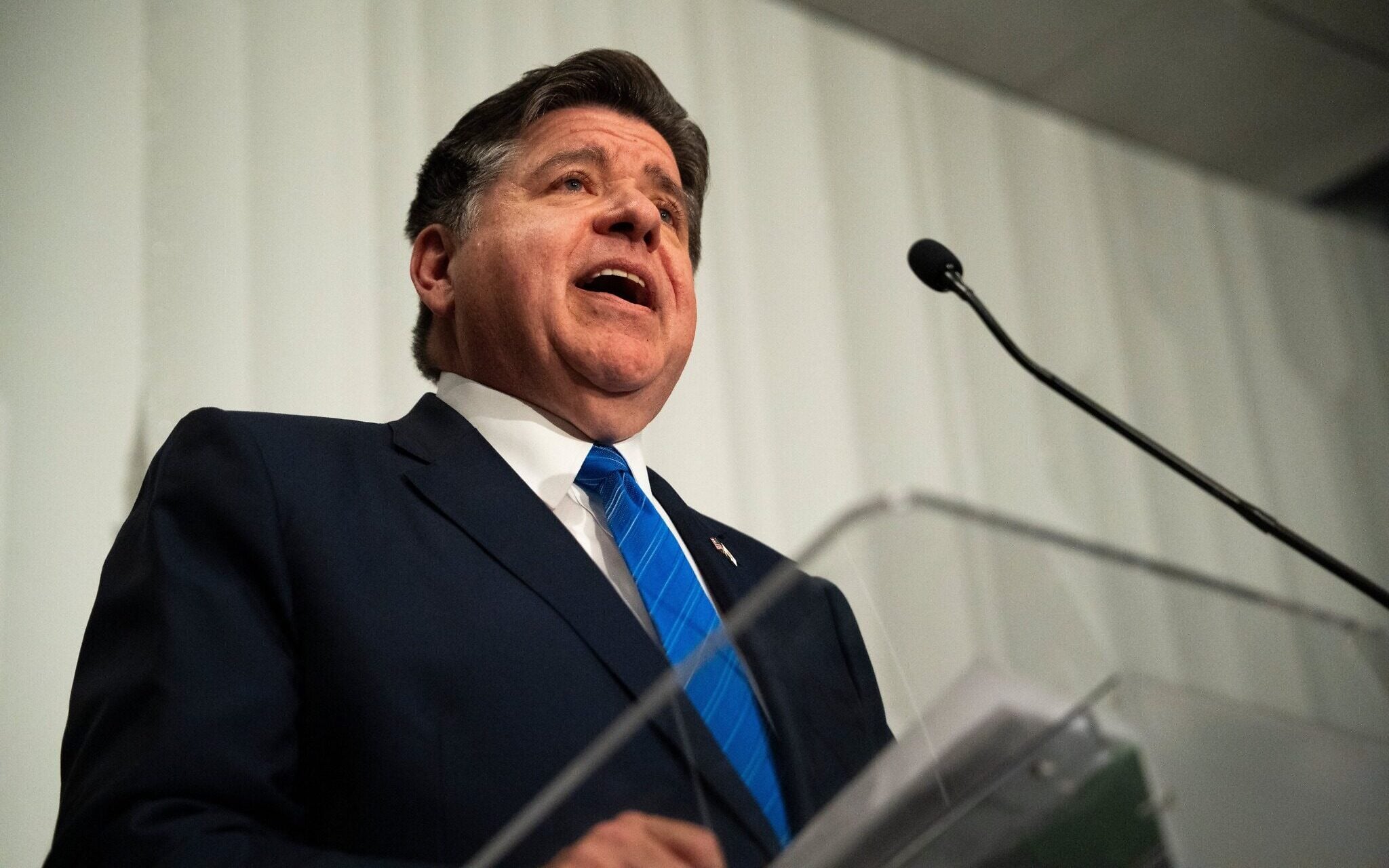
A representative for JB Pritzker, Illinois’ Jewish Democratic governor who is often rumored to be a 2028 presidential candidate, did not return a request for comment on Pritzker’s views about the state law or the ballot initiatives.
Yet the municipal measures, which will be presented to the Chicago suburb of Oak Park as well as communities around Champaign, Peoria and other towns, come at a moment when support for Israel has declined precipitously, particularly among Democrats. Following the country’s military response to the October 7, 2023, Hamas-led massacre, interest in BDS as a lever of protest has been rekindled on the left.
Residents of Providence, Rhode Island, will vote on a more consequential measure on Election Day that could result in the city divesting its pension funds from Israel. Somerville, Massachusetts, a Boston suburb, has been charged with finding a way to do the same following a successful divestment vote last year.
The Illinois BDS campaign, in contrast, targets a statewide law that has been on the books for more than a decade. Activists turned to gathering signatures for ballot measures in a handful of communities after a state representative’s efforts to repeal the law were scuttled during the most recent legislative session.
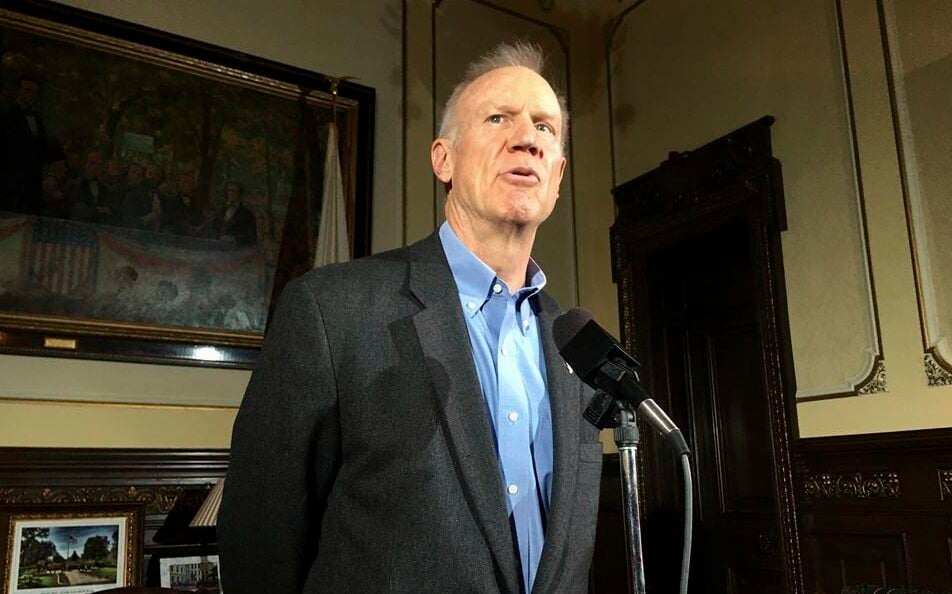
The law was signed by Pritzker’s Republican predecessor, Bruce Rauner. Upon its initial passage, the law was celebrated by Jewish leaders including the then-head of the JUF, Chicago’s Jewish federation arm.
“In the face of the BDS movement, legislators are simply determined to stand with a key US ally and to align our values with our investments and trade policies,” Steven Nasatir wrote then.
He praised the Illinois law as having “real teeth” and stated, “We’re seeking to replicate our statewide success on the county and local level throughout Illinois and to assist other communities to do the same across the country.”
Dozens of other states, led by both Democrats and Republicans, have since followed suit with similar laws, many of which are more restrictive than Illinois’. Among the most contentious anti-BDS laws is in Arkansas, which requires anyone doing business with the state to sign a pledge affirming they will not boycott Israel.
Such laws have been challenged numerous times in court, with objectors arguing that they impinge on free speech rights. Loeffler sees the laws as “a continuation of a long story of trying to balance free speech versus equal protection in the law, when it comes to Jewish Americans.”
In 2023, the US Supreme Court declined to hear a challenge to Arkansas’ law, allowing it to stand without providing a defense of the general legality of such laws.
Daniel Biss, a Jewish Democratic congressional candidate running for a seat in Illinois, recently told JTA that he supports efforts to repeal the state law.
“I don’t support the BDS movement,” Biss, who held Israeli citizenship when he was younger, told JTA during a recent visit to Detroit. “I don’t think it builds a broad coalition for justice. But I also don’t think government should be involved in criminalizing free speech, and I think it’s important to say that the law on the books in Illinois is very strange.”

Proponents of Illinois’ law argue that it is narrower in scope than other state anti-BDS laws, targeting only international companies that have boycotted Israel for political reasons.
“We don’t want to be seen as restricting people’s ability to protest and boycott on their own,” Goldwin told JTA. The goal, he said, was to ensure that the state’s “priorities are aligned in how they invest.”
But even with those limitations, the list of companies barred from Illinois state investments for boycotting Israel — currently numbering 27, according to the state investment board that applies the law — includes entries that appear to go beyond the parameters of the law.
One of the companies is Air Canada, which Goldwin said was on the list because of years-old news items about the airline dropping Israeli-owned Sabra hummus from its in-flight menu. According to Goldwin, the state investment board gave the airline an opportunity to affirm that they are not boycotting Israel, but Air Canada has not done so. Goldwin believes that is due to simple oversight.
“Mistakes can happen,” Goldwin said. “It’s just amplified because everything gets so focused on Israel.” A spokesperson for Air Canada did not return a JTA request for comment.
The most significant town casting a vote on the symbolic rejection of Illinois’ anti-BDS law is Oak Park, which also has the most organized Jewish community of the municipalities where these votes are being held. Oak Park’s ballot measure, as written, asks the state to “repeal laws that ban state investment in businesses that boycott the state of Israel.”
Jewish Community and Friends for Democracy, a local ad hoc group, is organizing against the ballot measure with the help of JUF.
“We are hopeful that Oak Park voters will reject the divisive and misleading campaign,” a recent communication from Jewish Community and Friends for Democracy to its supporters reads. “Neighbors hearing from their Jewish neighbors and friends makes a big difference—indeed, it may make ‘THE’ critical difference in the outcome.”

The group’s organizers declined requests from JTA to comment. The ballot measure followed an earlier effort by activists in Oak Park Township, a separately incorporated community, to pass a more stridently worded BDS measure by voice vote at a town hall meeting. After local Jewish groups mobilized against the township measure, that effort was defeated.
This summer, following the signature-gathering phase, two Oak Park residents filed an objection in an unsuccessful effort to prevent the new measure from reaching the ballot on technical grounds. A follow-up lawsuit challenging the objection was also unsuccessful in preventing the measure from making the ballot.
Oak Parkers For Free Speech, a local activist group that had pushed the ballot measure, told JTA in August that the successful ballot placement “marks a victory for democracy.”
“By upholding our referendum, the board affirmed the right of community members to tell legislators that their constituents want the unconstitutional Illinois anti‑boycott law repealed,” the group wrote in an emailed statement. “On election day, we look forward to a victory for free speech and human rights.”
Other regions casting votes on whether to oppose the anti-BDS law include Champaign and Cunningham Townships, located near and around the University of Illinois; Normal Township, near Illinois State University in Bloomington; and multiple townships in the Peoria area in central Illinois.
The Jewish federations of Champaign-Urbana and Peoria did not return requests for comment. Rebecca Weininger, regional director for the Anti-Defamation League’s Midwest office, told local news outlets, “The social impact of repealing the anti-BDS law will be catastrophic to Jews.”






The Times of Israel Community.