

Netanyahu lost his majority, but can the opposition form a government? A look at possible paths ahead
Anti-Netanyahu parties control 67 of the 120 Knesset seats, but would need to make difficult compromises even to form a minority government; Netanyahu could exploit their divisions to remain in power

 Add ToI as a Preferred Source on Google
Ariela Karmel is a political correspondent at The Times of Israel. She previously reported for Calcalist and Haaretz. She holds an MA in Middle Eastern and African History from Tel Aviv University and a BA in Political Science from the University of British Columbia.
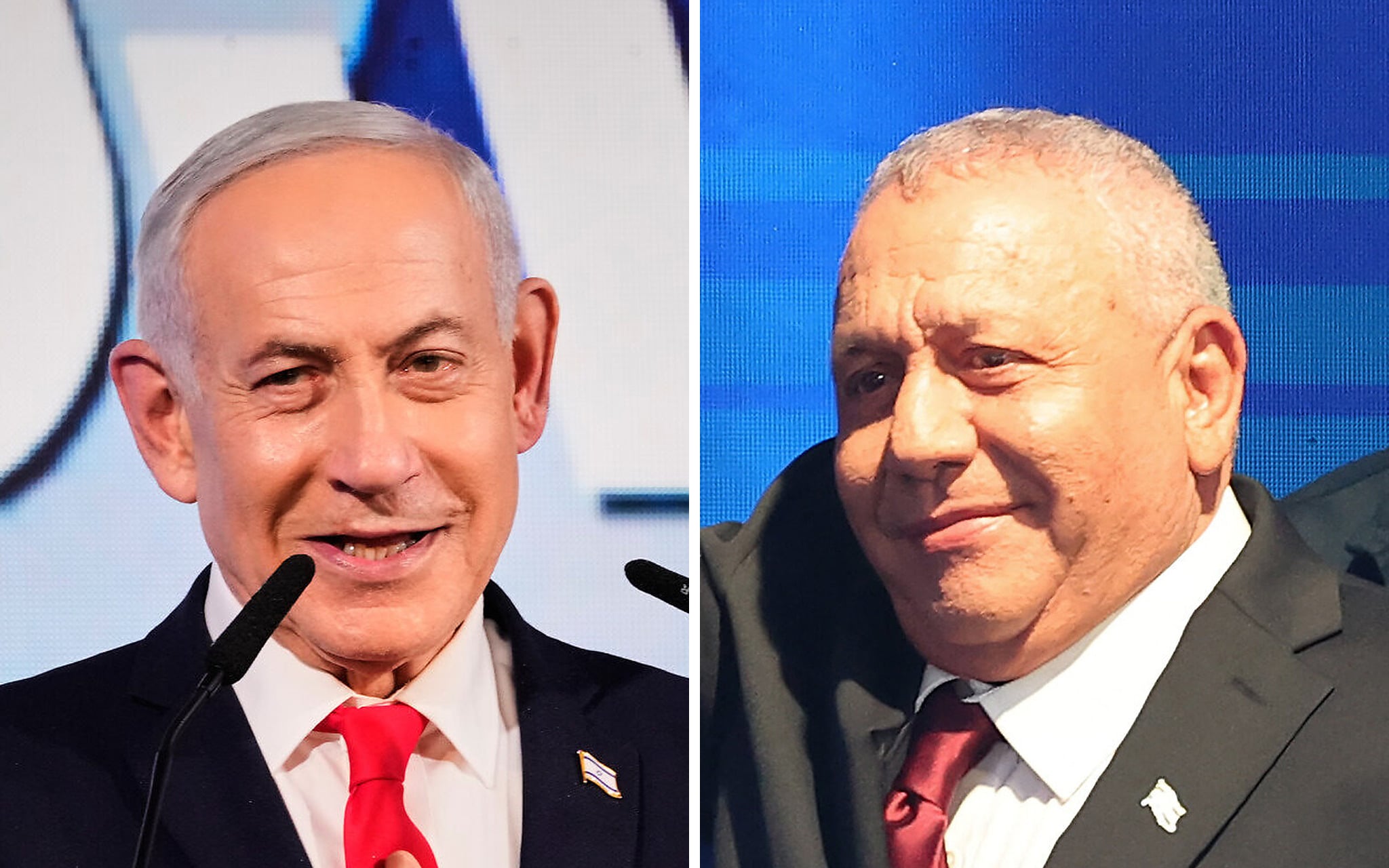
Five days after Israelis went to the polls, the question of who will lead the country’s next government remains far from settled.
The parties opposed to Prime Minister Benjamin Netanyahu collectively won 67 of the Knesset’s 120 seats, compared to 53 for the premier’s right-wing and ultra-Orthodox bloc. However, deep ideological divisions and conflicting campaign promises have once again left the opposition without a clear path to forming an alternative government.
Just 48 of the opposition seats belong to Jewish-majority parties, with the remaining 19 held by the Arab-majority Joint List and Ra’am, whose participation in or support for a new government remains deeply contentious.
One path to replacing Netanyahu is a minority government led by Yashar chairman Gadi Eisenkot — whose party won 21 seats — relying on outside support from Arab parties. Another would involve Eisenkot securing the cooperation of ultra-Orthodox lawmakers, some of whom have expressed disillusionment with their alliance with Netanyahu.
But neither route offers an easy solution. Any government formed by the anti-Netanyahu parties would require its leaders to compromise on central election promises, whether by accepting dependence on Arab parties or making concessions over ultra-Orthodox military conscription. And even if such a government is formed, the ideological divisions among the prospective partners and the reliance on support from outside the bloc could make governing exceedingly difficult, leaving the coalition highly vulnerable to collapse.
Netanyahu, meanwhile, has no clear path to assembling a majority of his own. Eight seats short, he would either need to persuade opposition lawmakers to defect or reach an unlikely unity agreement with his rivals. His most promising route to remaining in power may therefore be to wait for his opponents to fail to coalesce, necessitating another election in which he would hope to clinch a parliamentary majority.
How can the opposition form a government?
Despite winning a combined 67 seats and securing a majority, the fractious anti-Netanyahu bloc faces a complicated challenge in translating that advantage into a functioning government.
The majority already gives the parties the ability to exercise considerable influence in the Knesset, where they are said to be coordinating efforts to replace the speaker and take control of the legislative agenda, potentially allowing them to advance legislation even before a new government is formed.
If enough of those parties agree to recommend a prime ministerial candidate to President Isaac Herzog — most likely Yashar leader Gadi Eisenkot — he is expected to be given the first shot at forming a government.
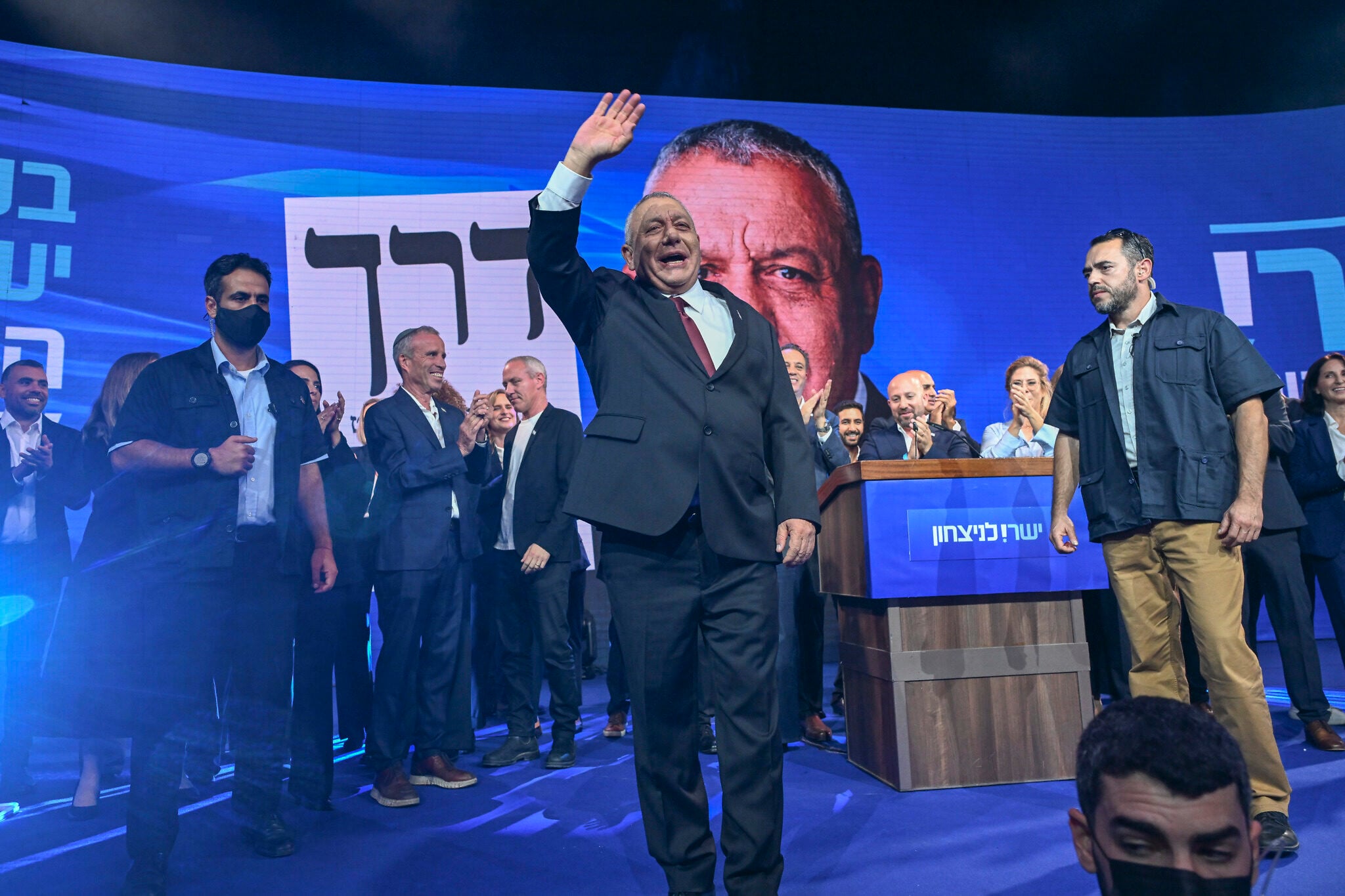
But with the four Jewish-majority opposition parties holding just 48 seats, any government they establish is likely to be a minority coalition dependent on outside parliamentary support.
Under Israeli law, a government does not need the backing of 61 lawmakers to take office, provided it wins a simple majority of votes cast in a Knesset confidence vote. While Israel has had minority governments in the past, establishing one from the outset, rather than losing a majority after taking office, would be unprecedented.
1. A minority government with support from Arab parties
One option would be a minority coalition comprising the four Jewish-majority opposition parties, potentially joined by Ra’am’s eight lawmakers, with outside support from the Joint List’s 11 seats.
Ra’am has expressed interest in joining a coalition, while the Joint List has indicated that it would support an alternative government from outside. But even if both Arab parties remained outside the coalition, such an arrangement would require opposition leaders, particularly Naftali Bennett and Avigdor Liberman, to renege on campaign pledges against forming a government dependent on Arab parties.
During the campaign, Eisenkot set four conditions for joining his government, including a commitment to Israel as a Jewish and democratic state and to the values of the Declaration of Independence, acceptance of mandatory military or national service, and recognition of Hamas as a terrorist organization that must be destroyed.
Such a government could also risk defections by more right-wing lawmakers, particularly from Yisrael Beytenu or Yashar, who may be unwilling to support such an arrangement and could instead cross over to Netanyahu’s bloc.
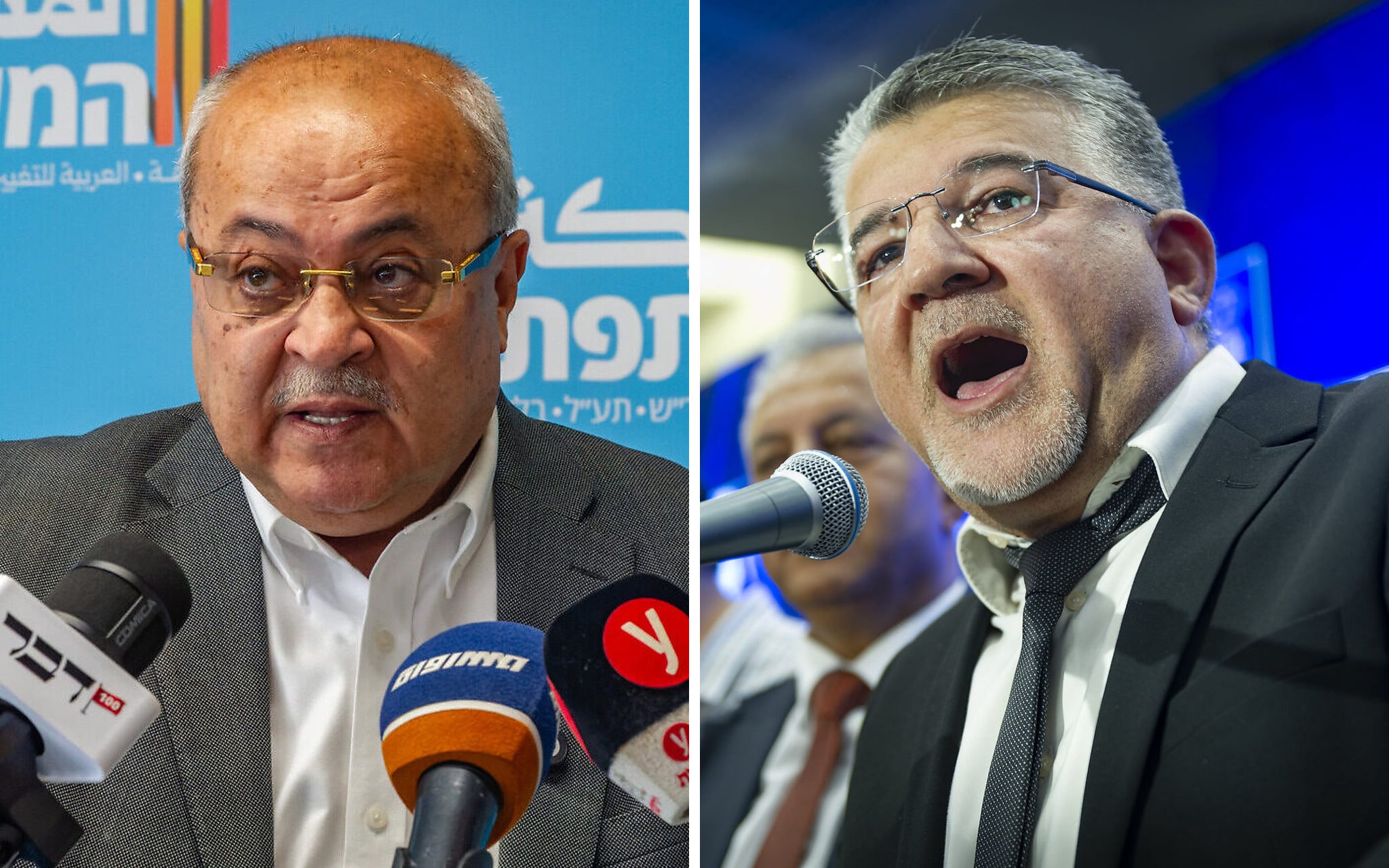
One possible solution could be a formal confidence-and-supply agreement, similar to arrangements used in parliamentary democracies such as Canada and the United Kingdom, under which parties outside the coalition agree to support the government in confidence and budget votes without holding cabinet positions or participating directly in government decision-making.
Such an arrangement could make cooperation with Arab parties more palatable to some of their prospective partners — although it may not be enough.
2. A minority government with support from Haredi parties
Another possibility would involve securing outside support from the ultra-Orthodox parties, or at least United Torah Judaism, which has been one of Netanyahu’s most loyal coalition partners.
Historically, the ultra-Orthodox parties were not firmly aligned with the right, instead operating as an independent political bloc and cooperating with governments across the political spectrum. But the Haredim have increasingly become locked into the right-wing bloc and in recent years were seen as steadfast allies of Likud.
However, amid growing frustration with Netanyahu’s failure to pass legislation preserving military draft exemptions for ultra-Orthodox men, figures within UTJ have suggested returning to the independent approach rather than remaining automatically aligned with the premier.
On Thursday, figures in UTJ were reported to be weighing allowing an Eisenkot-led minority government to take office and remain in power by abstaining from parliamentary votes, rather than formally joining the coalition.
If UTJ’s seven lawmakers abstained, Netanyahu’s bloc would be left with 46 votes against the Zionist opposition’s 48, potentially allowing an Eisenkot-led government to win a confidence vote without relying on the Arab parties.

But such an arrangement would come at a considerable political cost: Eisenkot and his prospective coalition partners campaigned on promises to end ultra-Orthodox military draft exemptions and expand mandatory military service.
Securing the cooperation of UTJ, and potentially Shas, would therefore likely require concessions on the issue and undermine a central election pledge, while also leaving the government dependent on parties whose interests directly conflict with its broader legislative agenda.
3. A Liberman-led minority government
Although Eisenkot heads the largest party in the anti-Netanyahu camp, the opposition parties have yet to agree on a candidate for prime minister, and both Bennett and Liberman have leadership ambitions of their own.
The hawkish Liberman, in particular, could prove the greatest obstacle to the formation of a government that would almost certainly need to rely on Arab parties, having repeatedly insisted both before and since the election that he will not reverse his pledge not to participate in a government dependent on Arab parties.
Yet his alternatives are limited, as he has also ruled out serving under Netanyahu and has made his opposition to the ultra-Orthodox parties, particularly over military conscription, a defining feature of his political platform.
The veteran politician and former defense and finance minister could seek to leverage his seven seats to demand a more prominent role in any alternative government, potentially even the premiership, in exchange for accepting reliance on Arab or ultra-Orthodox parties.
While the relatively small size of his faction could make such a demand difficult to secure, there is precedent: Bennett became prime minister in 2021 despite commanding just six seats, following a similarly fractured election result.
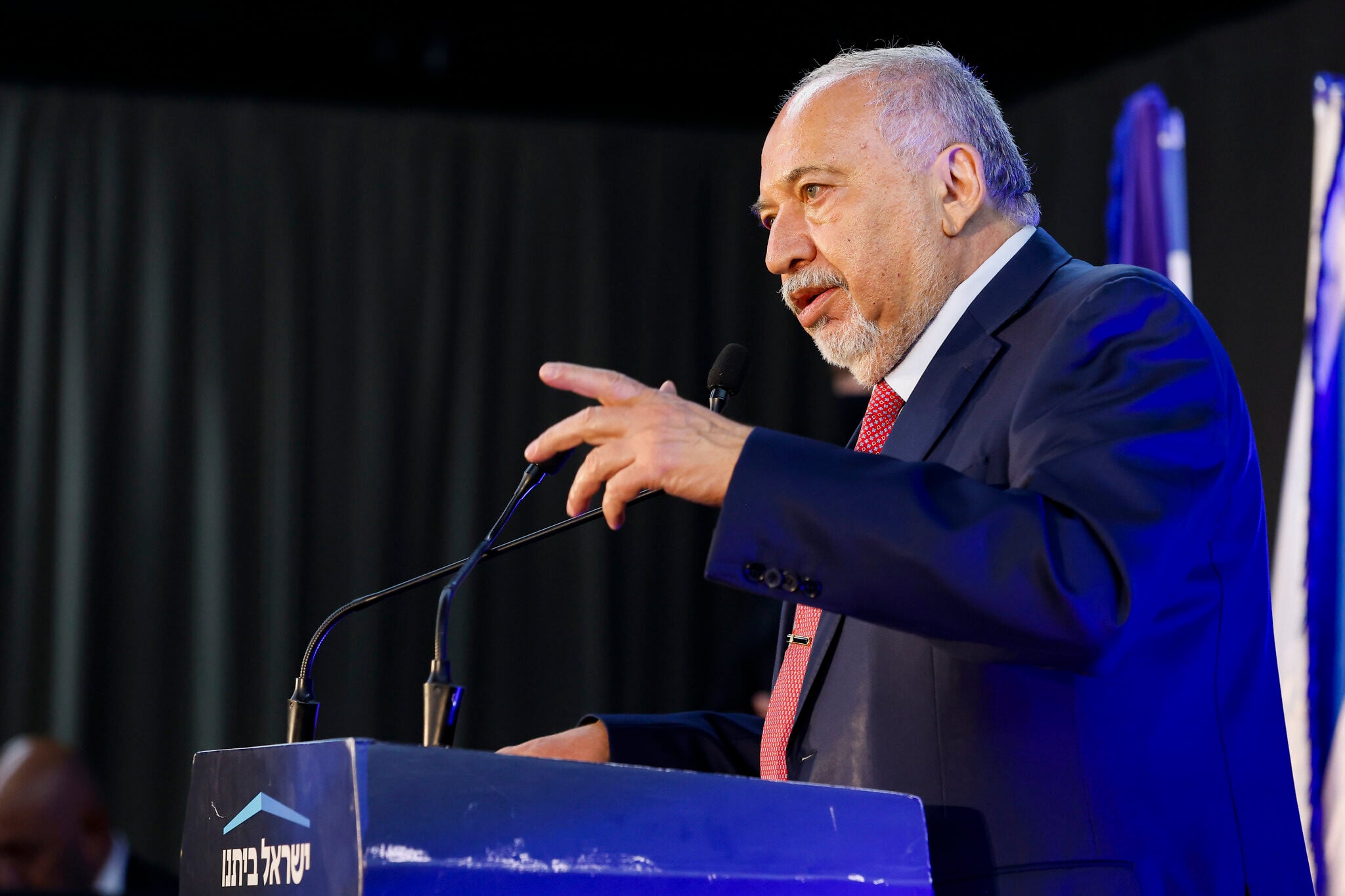
Ultimately, whether Eisenkot, Liberman or Bennett leads the opposition, forming any government will require compromises on campaign promises. And even if they succeed, the government’s dependence on outside parliamentary support and the ideological divisions among its partners could leave it vulnerable to collapse, potentially offering Netanyahu another opportunity to return to power.
How could Netanyahu remain in power?
For Netanyahu, the parliamentary arithmetic is considerably less favorable. With just 53 seats, his bloc is eight short of a majority, and none of the parties elected on promises to replace him appear willing to back down from that pledge.
Netanyahu could argue that, as leader of the largest party in the Knesset with 27 seats, he should receive the mandate from the president to form a government. But having lost his parliamentary majority and with no clear path to assembling a new coalition, it is unlikely that Herzog will hand him the first attempt to do so.
However, Netanyahu still has several possible routes to retaining power, including political deadlock leading to a new election, persuading opposition lawmakers to defect, or reaching a national unity agreement with his rivals.
1. A national unity government
One possibility is a national unity government bringing together Netanyahu and one or more of the opposition leaders, potentially under an arrangement to rotate the premiership between them.
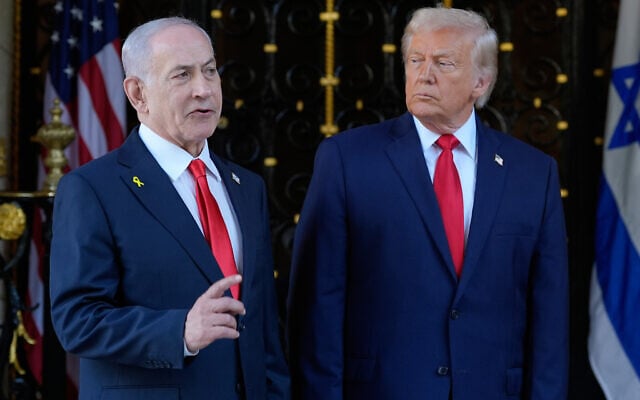
Herzog, who has expressed interest in a unity government to avoid repeat elections, may encourage such an agreement. So could US President Donald Trump, whose administration is said to be weary of dealing with Netanyahu’s far-right allies, who may be jettisoned under a rotation deal of this sort.
But convincing any of the opposition leaders to join a Netanyahu-led government would require them to reverse the central promise of their election campaigns, a prospect that, at least for now, appears unlikely.
Eisenkot, who has repeatedly ruled out serving under Netanyahu, even in a rotation government, appears unlikely to agree. Having built his campaign around presenting himself as an honest and trustworthy alternative to Netanyahu, the Yashar leader would risk destroying his credibility with voters and potentially ending his political career if he reneged on that promise. He will no doubt be mindful of Benny Gantz’s 2020 rotation agreement with Netanyahu, which collapsed before Gantz could assume the premiership.
Realistically, the circumstances most likely to change that calculation would be a major security crisis, particularly a renewed war with Iran, which could generate pressure on rival parties to set aside their differences in the name of national unity, as Gantz and Eisenkot did following the October 7, 2023, Hamas-led attack.
Reports ahead of the election alleged that Netanyahu had pressed IDF Chief of Staff Eyal Zamir and Trump to support military action against Iran, which he denied. Critics have questioned whether Netanyahu’s alleged push for renewed military action is driven by political considerations, particularly given the potential benefits of prolonging his tenure or delaying the election and, now, following the vote, delaying the formation of a government.
2. New elections
Perhaps Netanyahu’s most straightforward path to remaining in power is another election, until which he would continue serving as caretaker prime minister.
Netanyahu and his allies have already sought to challenge the legitimacy of Tuesday’s vote by making unsubstantiated allegations of electoral fraud and claiming that the election was “stolen,” in a campaign reminiscent of Trump’s efforts to overturn his 2020 election defeat.
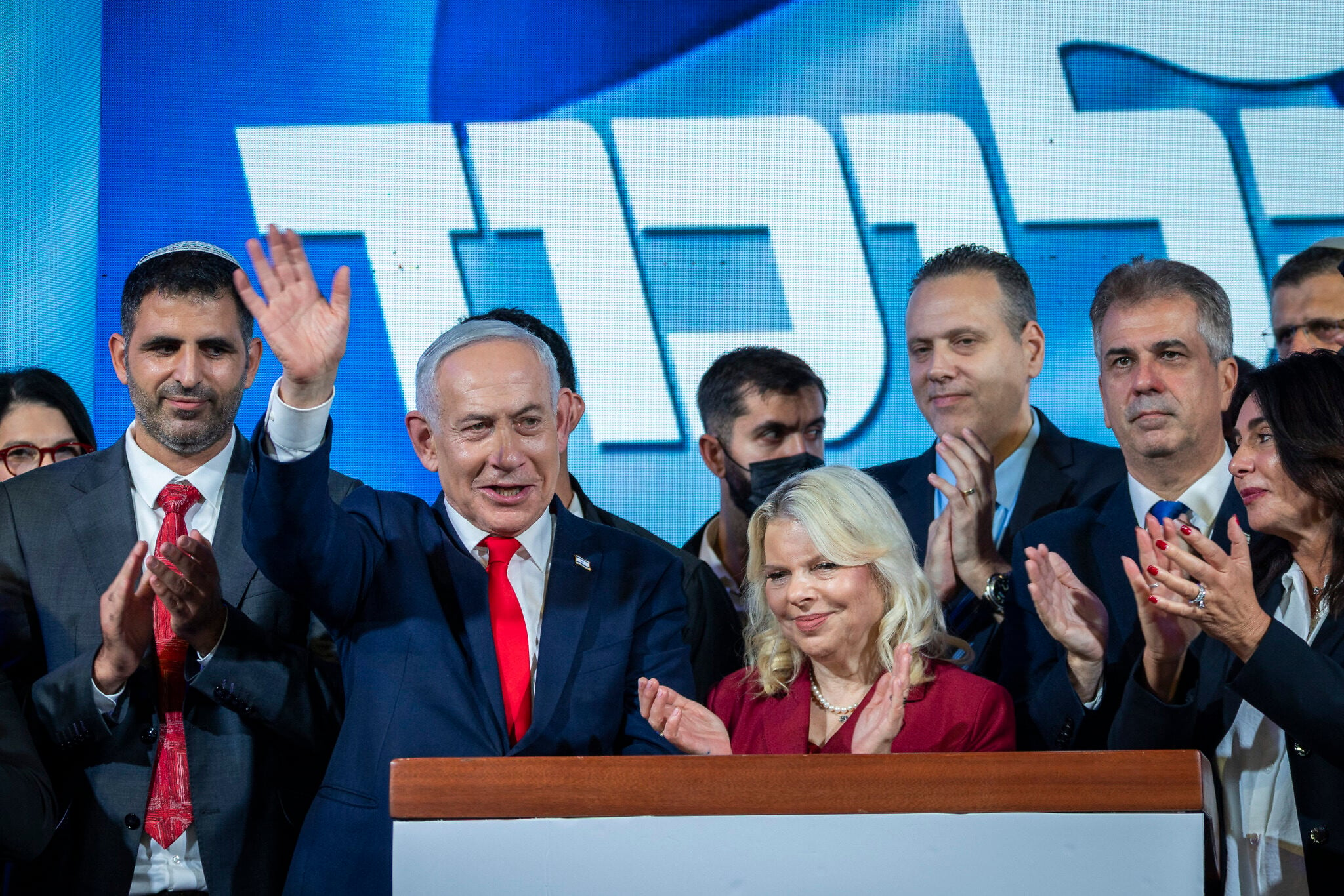
While authorities are probing suspicions of a foreign influence campaign ahead of the election, the Central Elections Committee has rejected allegations of actual fraud during the vote as baseless.
Netanyahu may not need to overturn the results to get another chance at the ballot box. Given the deep divisions within the opposition, he could simply wait for his rivals to fail to form a government, potentially triggering another election while he remains caretaker prime minister.
A new round of elections would almost certainly benefit Netanyahu. The exceptionally high turnout in Tuesday’s election, particularly among Arab voters, as well as the roughly 70,000 Israelis who arrived from abroad to cast their ballots, would be difficult to replicate. And opposition supporters frustrated by their representatives’ failure to capitalize on their parliamentary majority could also punish them at the ballot box.
However, Netanyahu’s ability to win eight more seats to secure 61 in such an election remains far from guaranteed.
3. Persuading opposition lawmakers to defect
Netanyahu’s other route to forming a government under the current parliamentary arithmetic would be to persuade enough individual lawmakers from the opposition to cross over to his bloc.
Such a strategy is familiar territory for the premier, who helped bring down the Bennett-Lapid government in 2022 by exploiting divisions within its fragile coalition, including through the defections of Yamina lawmakers Idit Silman and Amichai Chikli, who subsequently joined Likud.
Netanyahu and his allies have reportedly been attempting to identify vulnerable lawmakers within the opposition, particularly among the parties of Eisenkot, Bennett and Liberman.

The ideological divisions within the opposition could create opportunities for Netanyahu, particularly if Eisenkot attempts to form a minority government dependent on Arab parties. More right-wing lawmakers from Yashar or Yisrael Beytenu could balk at such an arrangement and potentially defect to Netanyahu’s bloc.
However, one or two individual defections would not suffice as they did last time: Netanyahu would need to recruit eight lawmakers to secure a parliamentary majority, a formidable undertaking further complicated by Israel’s rules governing parliamentary defections.



The Times of Israel Community.