

Israel’s trailblazing protocols for repatriating Oct. 7 hostages detailed in new study
Comprehensive blueprint considering physical, mental, emotional status of civilians returning from Gaza captivity in Nov. 2023 published in journal Healthcare, can help hospitals worldwide
 Add ToI as a Preferred Source on Google
Reporter at The Times of Israel

In November 2023, the Health Ministry asked administrators at Holon’s Edith Wolfson Medical Center to admit and treat 10 elderly female hostages about to be freed from Hamas captivity in Gaza. The request was unprecedented.
When militaries take prisoners of war, the captives are generally healthy, young soldiers. But when thousands of Hamas-led terrorists massacred Israeli communities near the Gaza border on October 7, 2023, they abducted 251 people, mostly civilians, who ranged from 9 months to 85 years of age.
There were no medical protocols or guidelines for this scenario, and Israeli hospitals had to forge their own to help former captives.
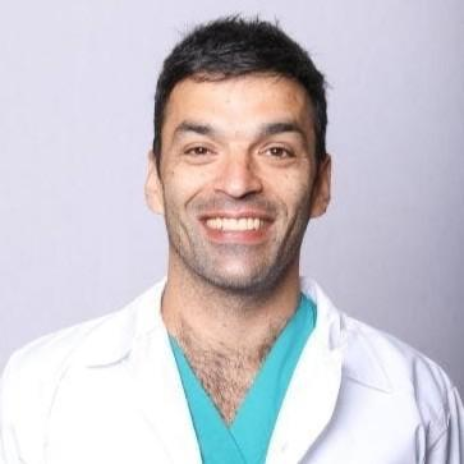
Dr. Amir Nutman, deputy director of the hospital, told The Times of Israel via Zoom that medical staff didn’t know in what condition the hostages would arrive.
“Medical information about them was nonexistent,” Nutman said. “We started thinking, and we started planning.”
A peer-reviewed study recently published in the medical journal Healthcare, with Nutman as lead author, details how the hospital developed and implemented a multidisciplinary clinical framework to address acute trauma, chronic neglect, nutritional rehabilitation, and psychiatric stabilization. Based on the hospital’s experiences treating released hostages during the first ceasefire with Hamas in late November 2023, the result was a pioneering blueprint for repatriating civilians during conflict.

‘Mobilizing across the entire healthcare system’
Prof. Noa Eliakim-Raz, head of the Returning Hostages Unit at Clalit-Beilinson Hospital, which took in a total of 14 hostages from Gaza, told The Times of Israel that as early as October 7, Israel’s healthcare system “mobilized in an extraordinary and unprecedented way” to prepare protocols for the eventual treatment of released hostages.
“This is the same healthcare system that, in its day-to-day operations, constantly struggles with staff shortages and limited resources,” Eliakim-Raz said. “Yet we found ourselves mobilizing across the entire system to care for soldiers and the wounded, receive the hostages, and provide whatever care and support was needed.”
Between November 24 and December 1, 2023, 105 civilian hostages were freed during a weeklong truce mediated by Qatar, Egypt, and the United States. The Health Ministry coordinated closely with hospitals across the country, including Wolfson Medical Center, Soroka Medical Center, Sheba Medical Center, Ichilov Hospital, Shamir Medical Center, and Schneider Children’s Medical Center, which were tasked with receiving the repatriated citizens.
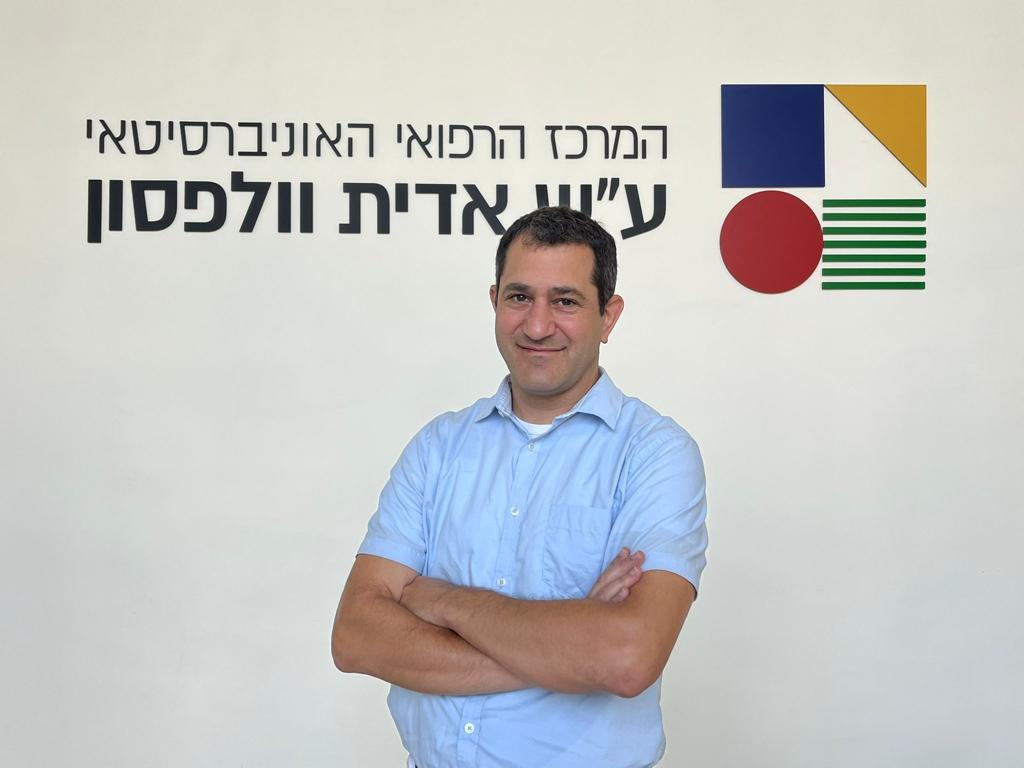
“We shared our protocols,” Nutman said. “Each hospital refined procedures according to the population they expected, their staff, and their specific clinical capabilities.”
Wolfson took in 10 women aged 29 to 85, with a median age of 67, who had been held captive between 48 and 55 days in subterranean tunnels and locked apartments by terrorists in Gaza.
Eight of the hostages had close relatives murdered on October 7. All were from communities in the Gaza border area that had been decimated or destroyed.
Nutman said that to prepare, Wolfson staff ran extensive simulation drills using actors to rehearse diverse scenarios: admitting an unstable patient, managing suspected sexual assault, and delivering devastating news about fallen family members.
Psychological debriefing teams were also arranged for the medical staff to protect against secondary traumatic stress and compassion fatigue.
The hospital staff studied every operational detail, including how to bypass the main entrance to shield the women from cameras and crowds.

“We had them arrive through the back door and simulated their entrance,” Nutman recalled. “Someone walked the path and pointed out: ‘This is narrow and dark. It could remind them of the tunnels.’ So we repainted the walls, installed bright lighting, and rolled out a red carpet.”
The hospital turned an entire ward of the Sylvan Adams Children’s Hospital into a secure repatriation wing. Staff retrofitted rooms with intensive care monitors and emergency equipment hidden behind domestic furnishings and flowers.
“We even gave teddy bears to the returning hostages,” Nutman said.
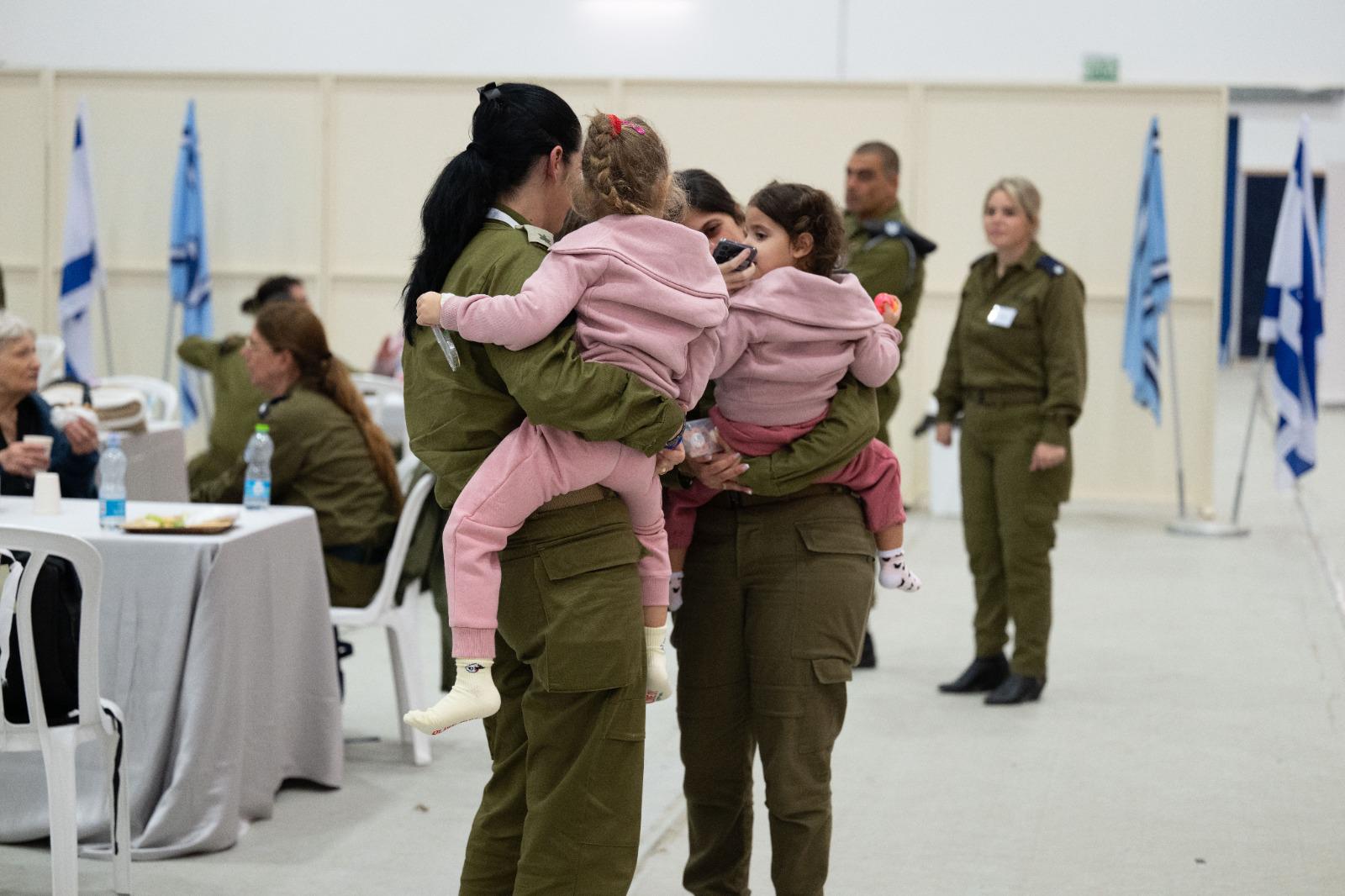
Before reaching Israeli hospitals, hostages crossed from Gaza into Egypt with the International Red Cross. They were then transferred to the Israel Defense Forces.

“We thought at first, ‘They’ve been starving for nearly two months, let’s give them a massive feast to welcome them home,’” Nutman said. “From a physiological standpoint, that can be fatal.”
When severely malnourished bodies suddenly receive heavy carbohydrate loads, rapid insulin spikes force phosphorus, potassium, and magnesium out of the bloodstream and into cells. The resulting crash, known as refeeding syndrome, can cause acute heart failure, seizures, and sudden death.
Working with clinical dietitians, the hospital mandated that transit teams offer only water, a plain cracker, or a small slice of apple.
Once at Wolfson, patients underwent urgent electrolyte panels before feeding began under strict caloric limits. The caution proved critical since hospital data showed half the women arrived at high risk for refeeding syndrome, having lost up to 25% of their baseline body weight (with a median loss of 9.6%).

Beyond biological stabilization, the primary directive was to restore personal autonomy to women who had been systematically stripped of choice for weeks.
Because the hostages had been held underground, disoriented about time and dates, the hospital gave wristwatches to each woman. Within hours of their arrival, an optometrist and an audiologist helped replace confiscated eyeglasses and broken hearing aids.
Many of the women returned from captivity with burnt and cut hair, so the hospital provided grooming services.
The ward prepared kits with clean clothing, personal toiletries, and lice treatments.
‘Do not enter’
The staff customized protocols for each individual. For one woman who was terrified by memories of Hamas guards bursting into her room, a strict “Do Not Enter” notice was posted outside. The staff knocked and waited for her family to grant permission.
“Some of the returning captives had dogs,” Nutman said. “We were in touch with the families and friends. One family said, ‘She’s very attached to her dog, so we want to bring the dog to meet her.’ So, we even got a dog bed and dog food. Even though it’s a hospital, we wanted to make them feel welcome.”
“The entire event was extremely emotional,” Dr. Adam Lee Goldstein, head of trauma surgery at Wolfson, told The Times of Israel. “Everyone was in tears. The hospital management did an amazing job by making it completely private. There was no press, only senior physicians and nurses.”
He recounted that when he walked into the room of one of the elderly hostages to check on her, she told him, “I’m so sorry for making you work on a Friday night.”
“And that was after enduring six weeks underground,” he said.
While television broadcasts of the handovers showed many women walking unassisted, clinical records revealed acute physical emergencies.
Seven of the 10 hostages admitted to Wolfson had sustained direct trauma on October 7 or during captivity, including shrapnel lacerations and untreated fractures. Eight had preexisting chronic illnesses that had gone weeks without proper medication.
Doctors found the released hostages were suffering from dangerously racing heartbeats, blood clots in their legs from being forced to stay still in tiny spaces, unpredictable blood pressure spikes, and severe hormone and blood sugar imbalances.
Four had suffered chronic diarrhea in Gaza, and one tested positive for a waterborne bacterium common in unsanitary conditions that causes gastrointestinal illness. Others presented with pressure ulcers and fungal skin infections.
Specialized gynecologists and forensic examiners met with each patient to provide trauma-informed support and give women the option to document evidence of sexual violence for international war-crimes records, without pressuring them to undergo examinations.

The women remained hospitalized from 24 hours to five days.
“In ordinary medicine, you discharge patients as soon as they are stable because hospitals carry infection risks,” Nutman said. Since the women came from communities near the Gaza border, “they had no homes to return to because their kibbutzim were destroyed. We realized that our job wasn’t just physical medicine; it was shielding them.”

Eliakim-Raz of Beilinson said that the Wolfson study “does an outstanding job of describing the moving reception and intake program for returning hostages.”
She said, “The team truly did remarkable and inspiring work.”
“Out of this reality,” Eliakim-Raz added, “the hospitals that received returning hostages developed a field of expertise and a profound and unique understanding of complex trauma.”
Nutman noted that while Wolfson maintains regular check-ins and an open-door policy for the released hostages, the hospital will not enroll them in formal longitudinal studies.
“They suffered enough,” he said.
Nutman believes documenting the hospital’s clinical protocols will help humanitarian teams worldwide.
“We really hope that others won’t have to deal with such atrocities,” he said. “But unfortunately, there are humanitarian crises and hostage-taking in other parts of the world. We thought it would be important to publish the study so that if others have to deal with similar circumstances, then they can look at it and give better treatment.”









The Times of Israel Community.