

Week after election, Western Galilee voters agree on one thing: Lack of consensus
Jewish, Muslim, and Druze residents urge formation of a new government after landmark election, but remain divided on how to make it happen
 Add ToI as a Preferred Source on Google
Reporter at The Times of Israel
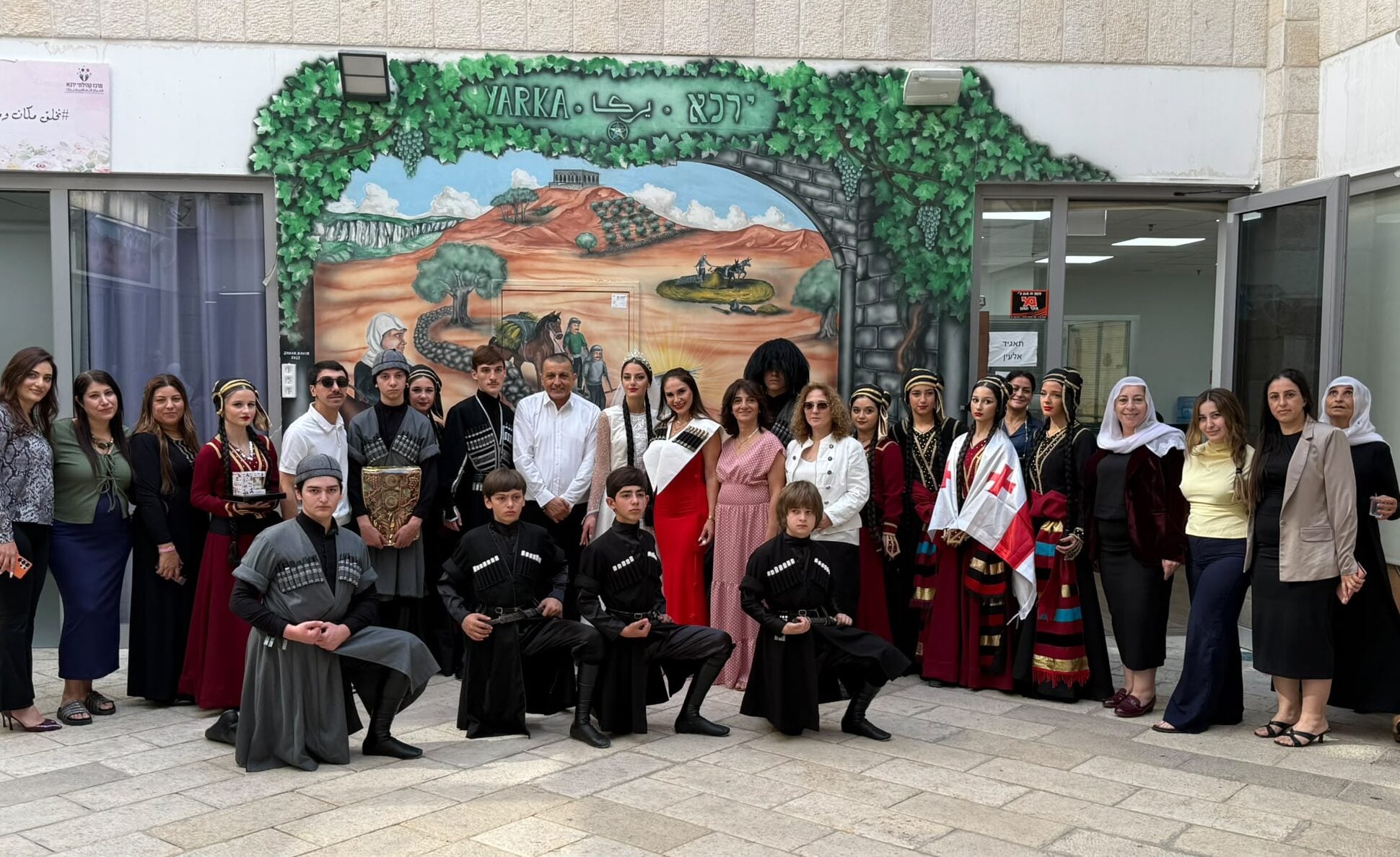
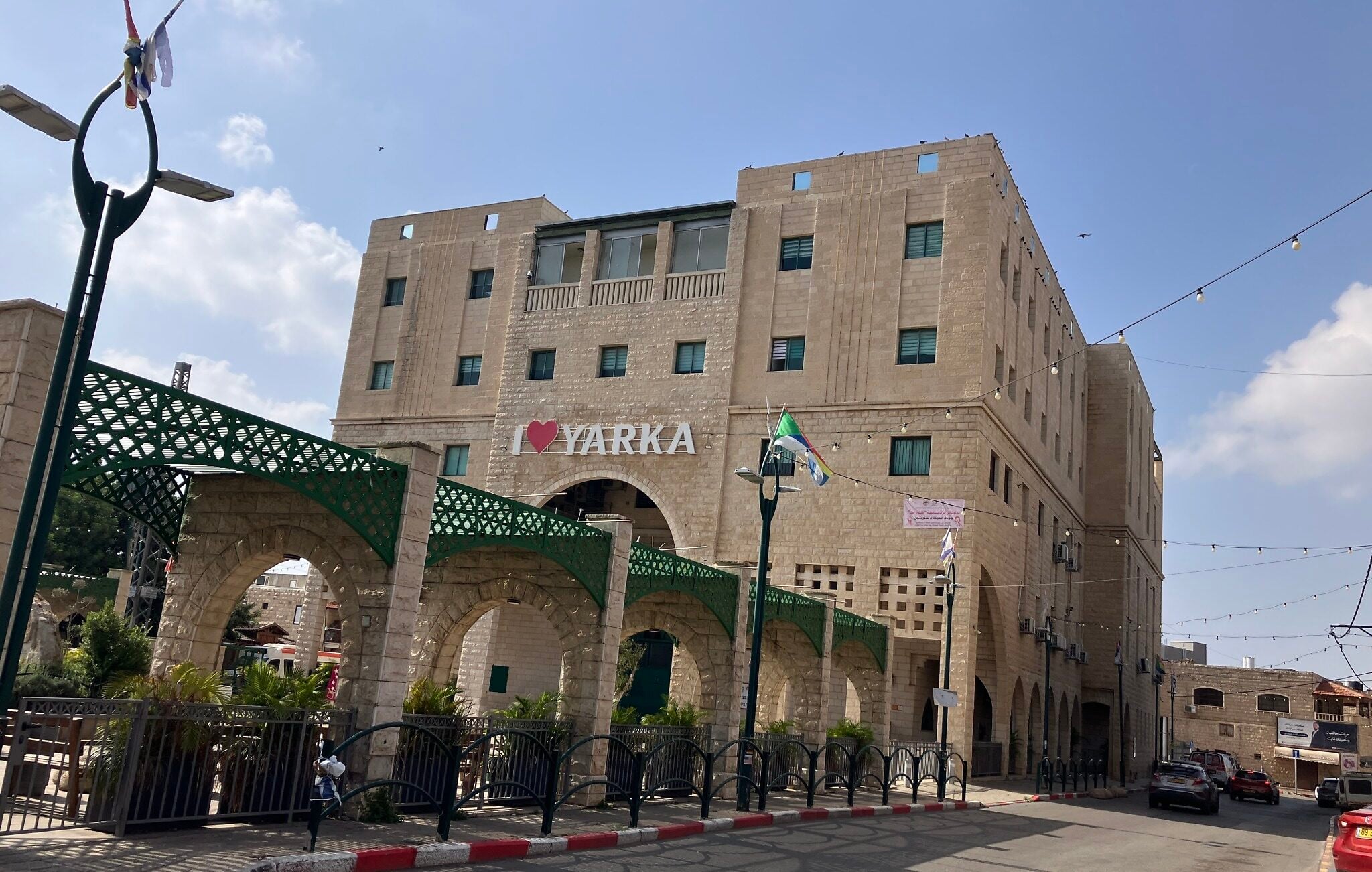
YARKA, Western Galilee — A delegation of folk dancers in traditional Georgian costumes visited this northern Druze town just seven days after Israel’s election, bringing a flash of color and lifting the mood of a community gripped by uncertainty following a landmark campaign that saw many in the region voting for the first time.
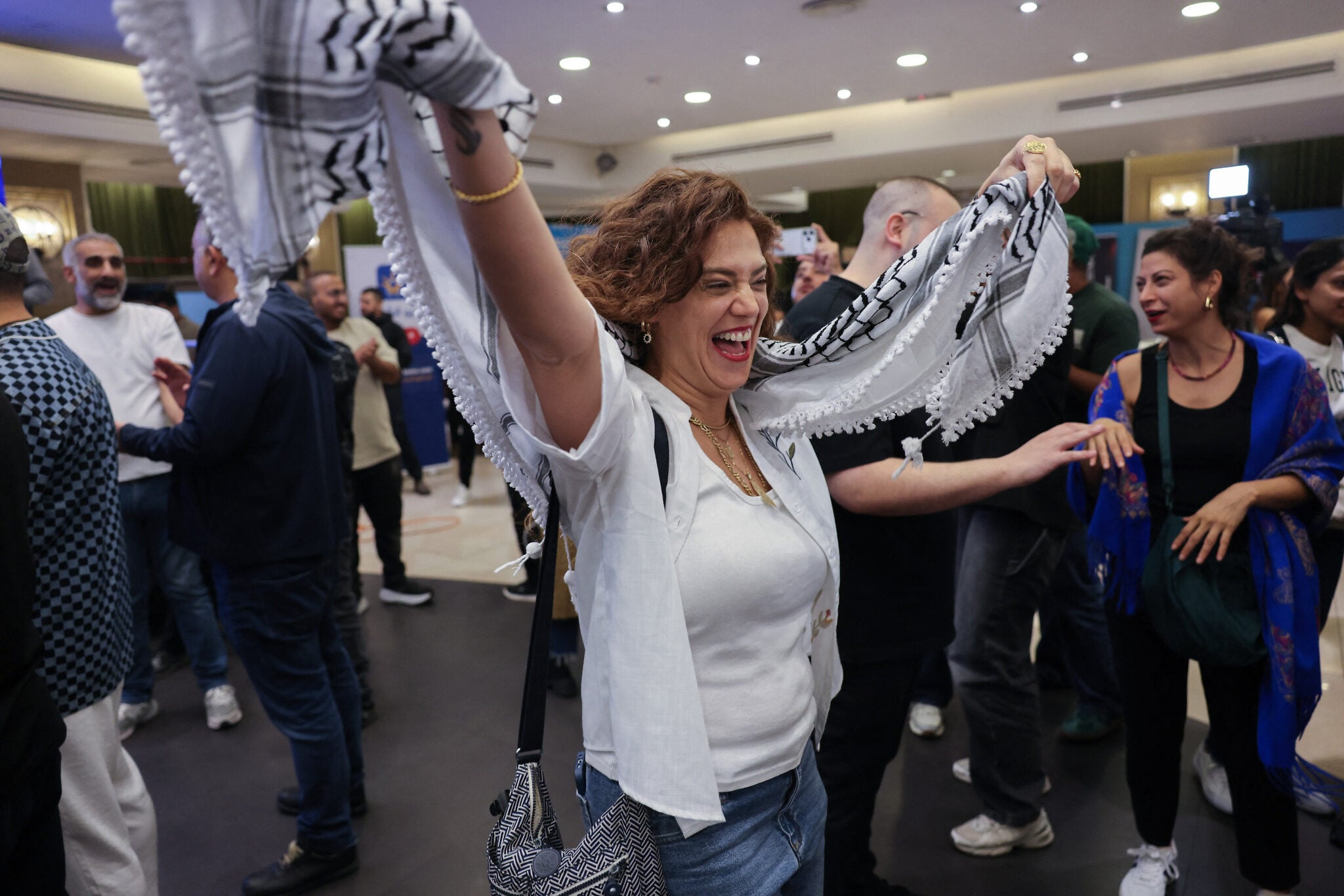
Residents of the Western Galilee — a diverse mix of Jews, Muslims, Druze and Christians — had come out in full force to vote in the October 27 polls. Yet now, as the country struggles to form a new government, people in several communities agreed on just one thing: a total lack of consensus.
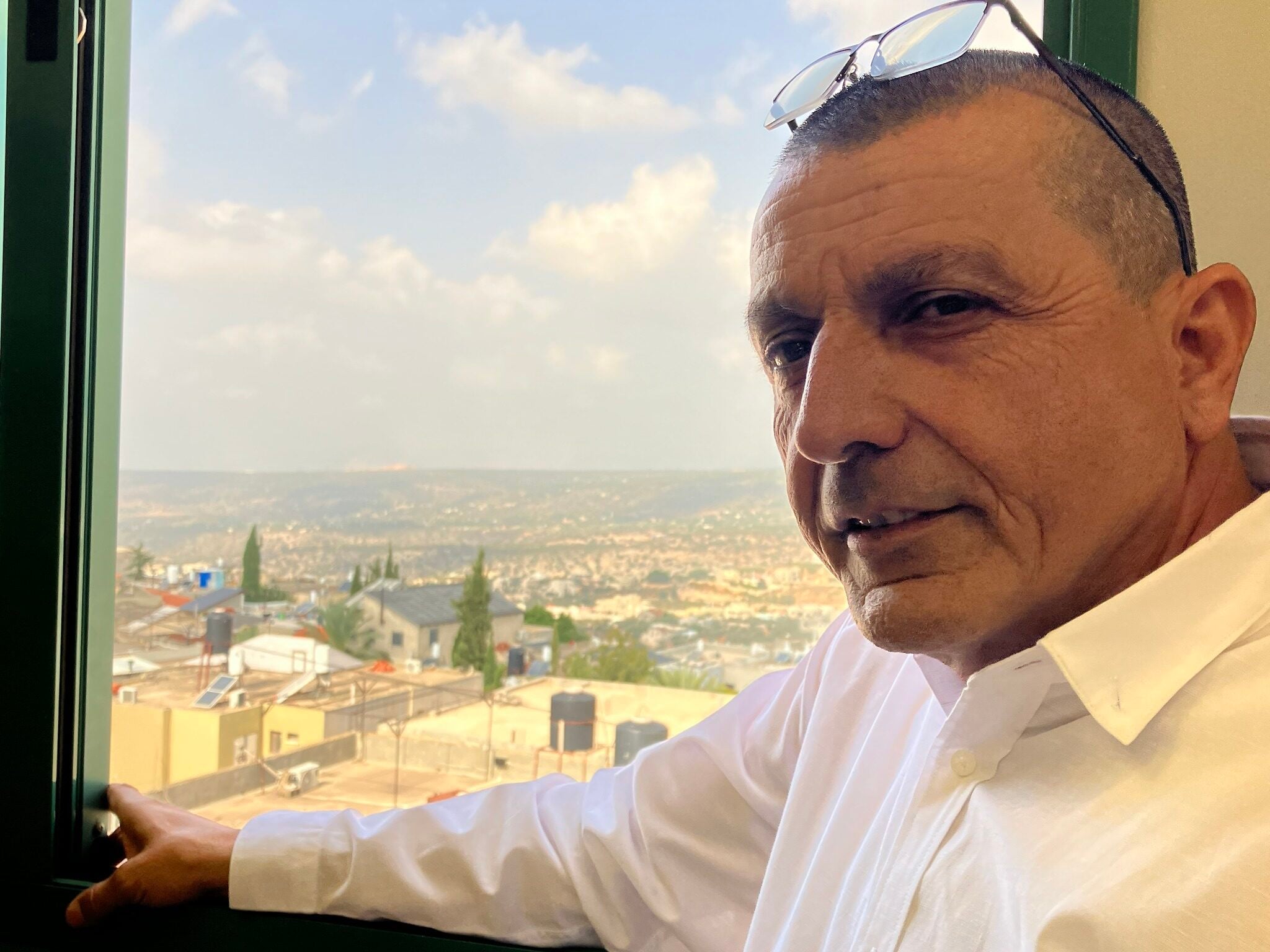
“These elections should be an excellent opportunity to unite the nation and change the mood,” Mayor Mula Mula, a Likud member and former IDF lieutenant colonel, told The Times of Israel in his sunny office as the visiting Georgian dancers toured Yarka City Hall. “But I’m very disappointed.”
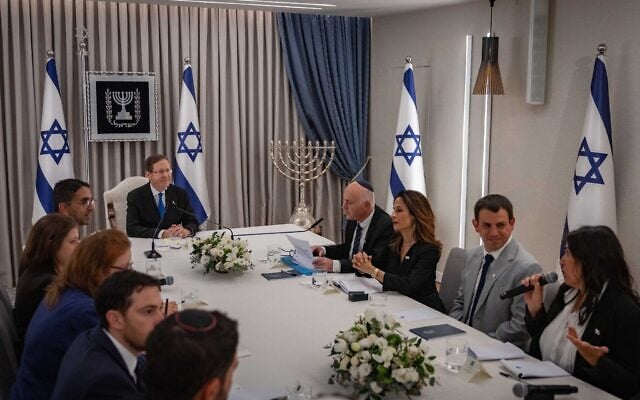
President Isaac Herzog held consultations in Jerusalem on Wednesday and Thursday ahead of his decision next week on whom to task with forming the next government.
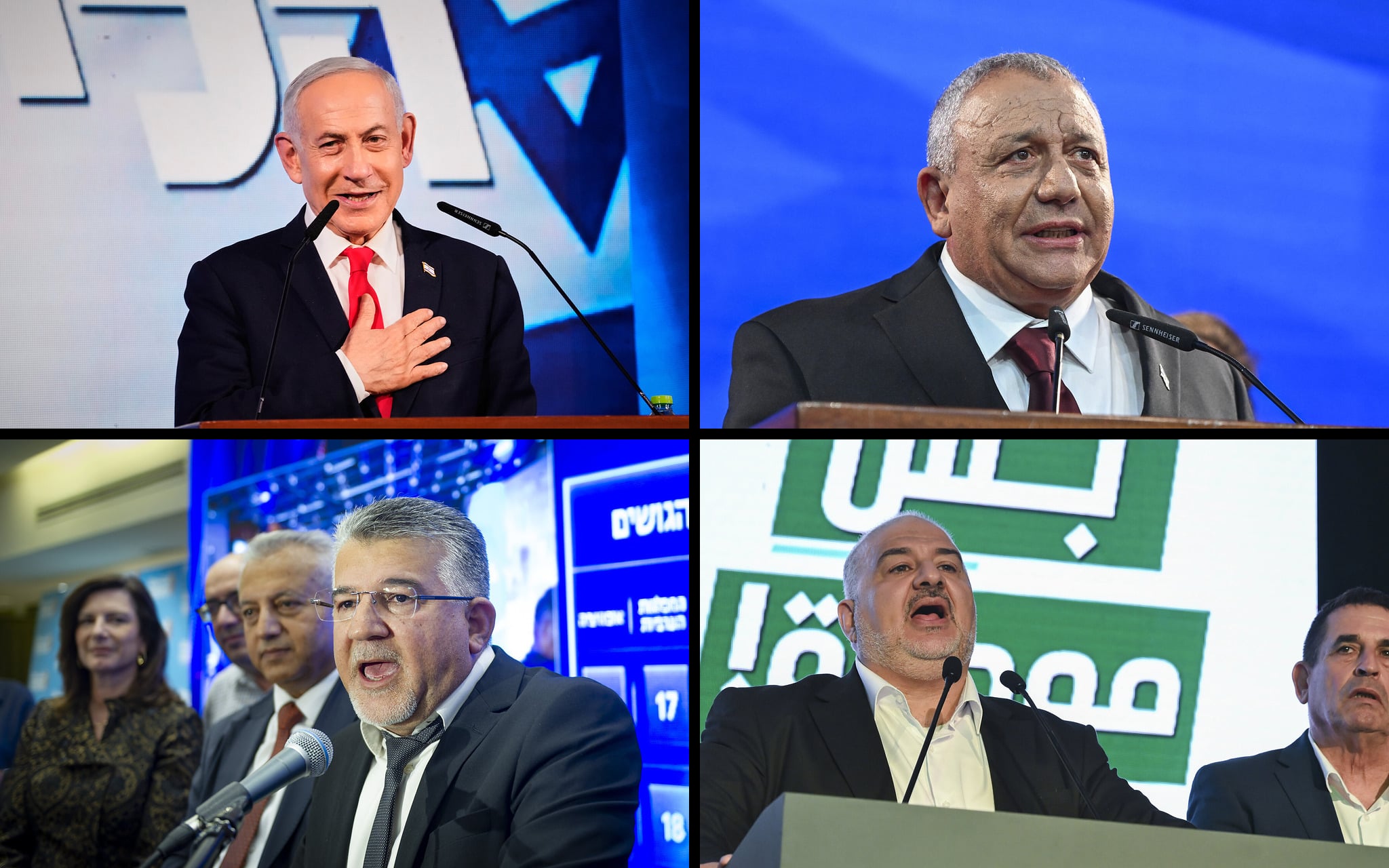
Six parties opposed to Prime Minister Benjamin Netanyahu won a combined total of 67 of the Knesset’s 120 seats, and all recommended centrist Gadi Eisenkot to lead the next government. Members of the premier’s outgoing right-wing coalition came away with 53. (In a surprise twist, one of those parties, the ultra-Orthodox United Torah Judaism, declined to recommend any candidate for prime minister during consultations with Herzog, withholding its support from longtime ally Netanyahu.)
Of those opposed to a Netanyahu government, the Arab-majority Joint List and Ra’am parties hold 19 seats. But while this electoral success has increased the number of lawmakers opposed to Netanyahu, some opposition parties refuse to partner with Arab parties in a coalition or to establish a minority government that relies on their support.
“If the Arab parties see themselves as part of the state, why not?” Mula said, arguing for their inclusion despite the fact that the Arab factions had no Druze candidates on their slates.
“But they have to understand that they must focus on Arabs inside Israel rather than Arabs outside the country,” Mula said of Ra’am and the Joint List. “They promised to take care of their constituents, so I believe they should be part of the government, and the state has to accept them.”
Echoing many across the political spectrum, Mula worried that the current impasse could prevent any government from emerging. He urged Eisenkot and Netanyahu to establish a broad unity government that excludes far-right ministers Itamar Ben Gvir and Bezalel Smotrich.
“Ben Gvir and Smotrich did a lot of damage with their behavior and words against Arabs,” Mula said. “Arabs went to vote in record numbers because of them.”
At the end of the interview, Mula opened the office door to let in the group of Georgian dancers.
“Welcome to Yarka,” he told the group in English. “We have 18,000 citizens, and we are all brothers. While missiles were falling, we were getting stronger. Your being here right now is a sign that we’re getting stronger.”
Fear of being crowded out
Yet other Druze residents were troubled by what seemed like the country’s weakness after an election with no clear winner.
“I’m worried that there’s nobody to build a new government,” said local resident Firielle Amar.
Amar said that people voted for Netanyahu’s Likud to express gratitude for his helping their Druze brethren during the July 2025 massacre of some 2,000 Druze in southern Syria’s Sweida province, when fighting broke out between Druze locals and government-backed Bedouin clans.
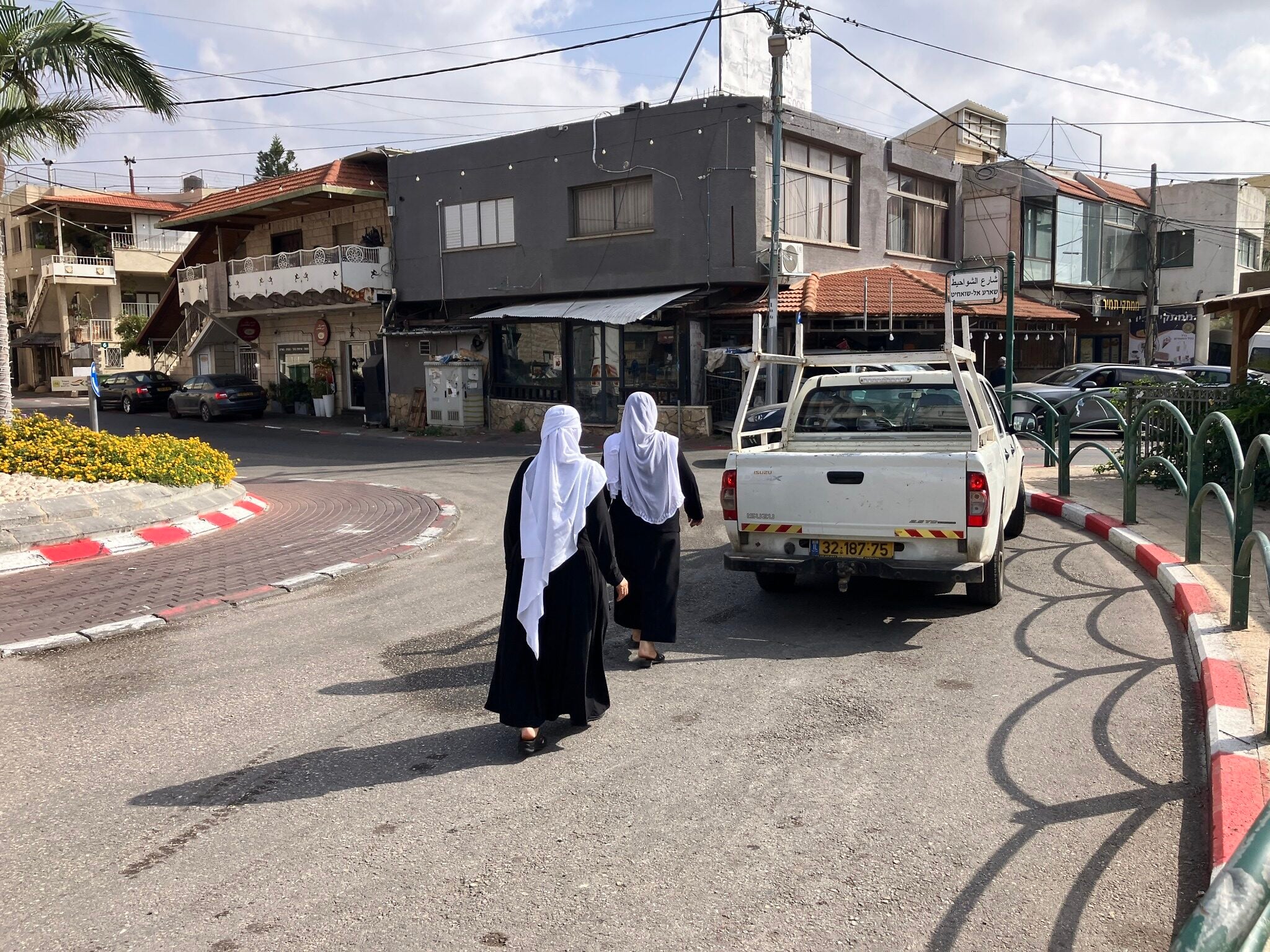
Amar emphasized that Bedouins, Muslims and Druze get along well within Israel. However, she was concerned that without Druze candidates on their slates, the Arab parties “will give [state funding] to their own people and forget the Druze.”
“The only thing that all Israeli Arabs are happy about is that Ben Gvir won’t be part of the next government,” Amar said. “That’s something that all Arabs agree on.”
‘There’s a glitch’
About 20 kilometers (12 miles) away in the mostly Jewish town of Nahariya, people sat outside cafes sipping coffee on a sunny morning and expressed a different set of fears.
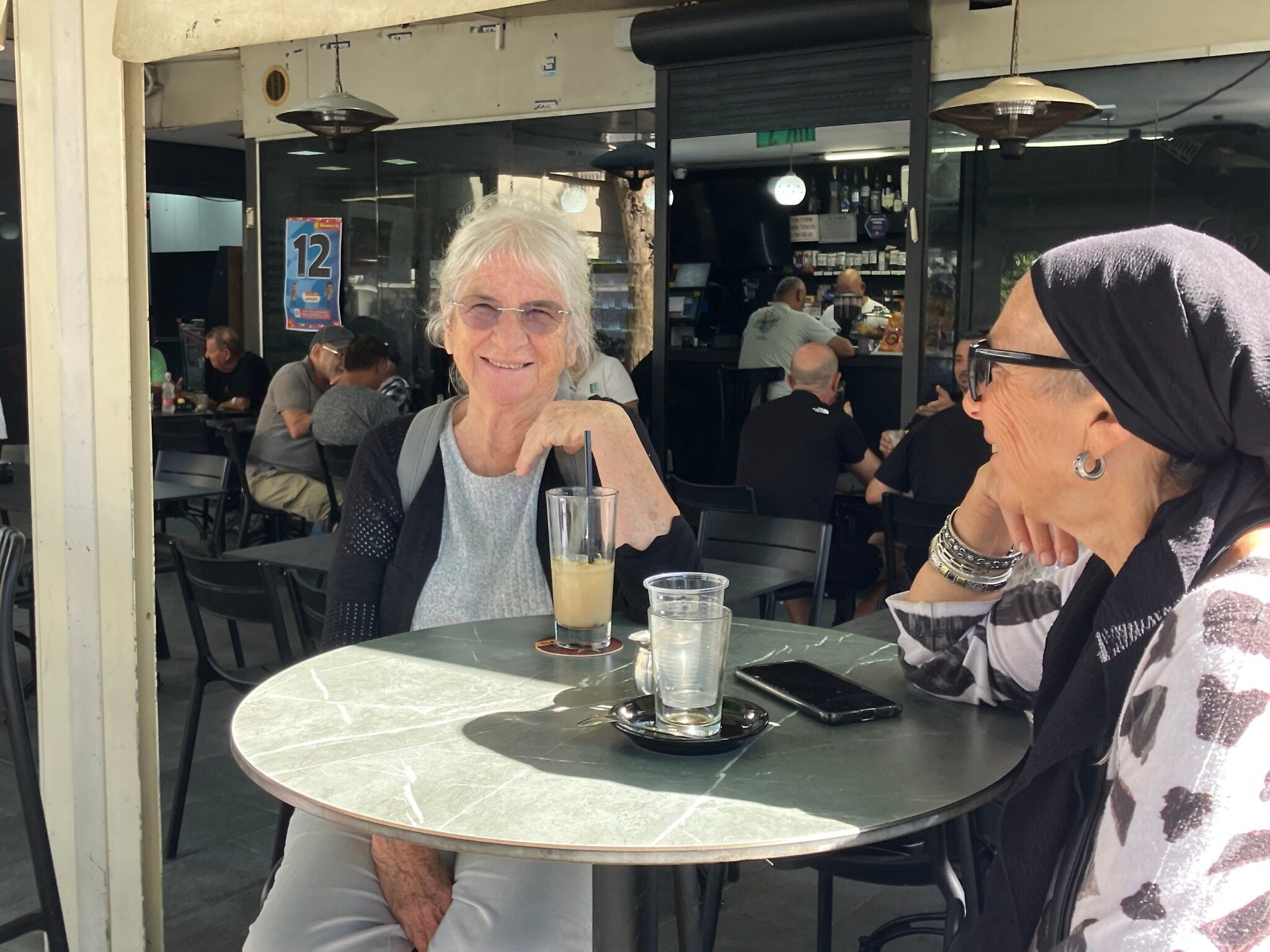
Shlomit Grantz, perched on a stool at a cafe on the main boulevard, told The Times of Israel, “If Netanyahu calls for new elections, there will be chaos and rioting.”
She said she spent time in Muslim countries, including Turkey, Afghanistan, and Pakistan, and did not want to live “under Arab influence, especially with the way they treat women.”
“We need to keep Israel a Jewish country,” Grantz said. “If it’s not a Jewish country, then what is it?”
Another Nahariya resident, Diego Janower, said he voted for Avigdor Liberman’s Yisrael Beytanu party because he respected the people on its slate.
“But after this election, there’s now a glitch,” he said. “It’s like a ping-pong game. After all that happened, and still, nobody is getting along.”
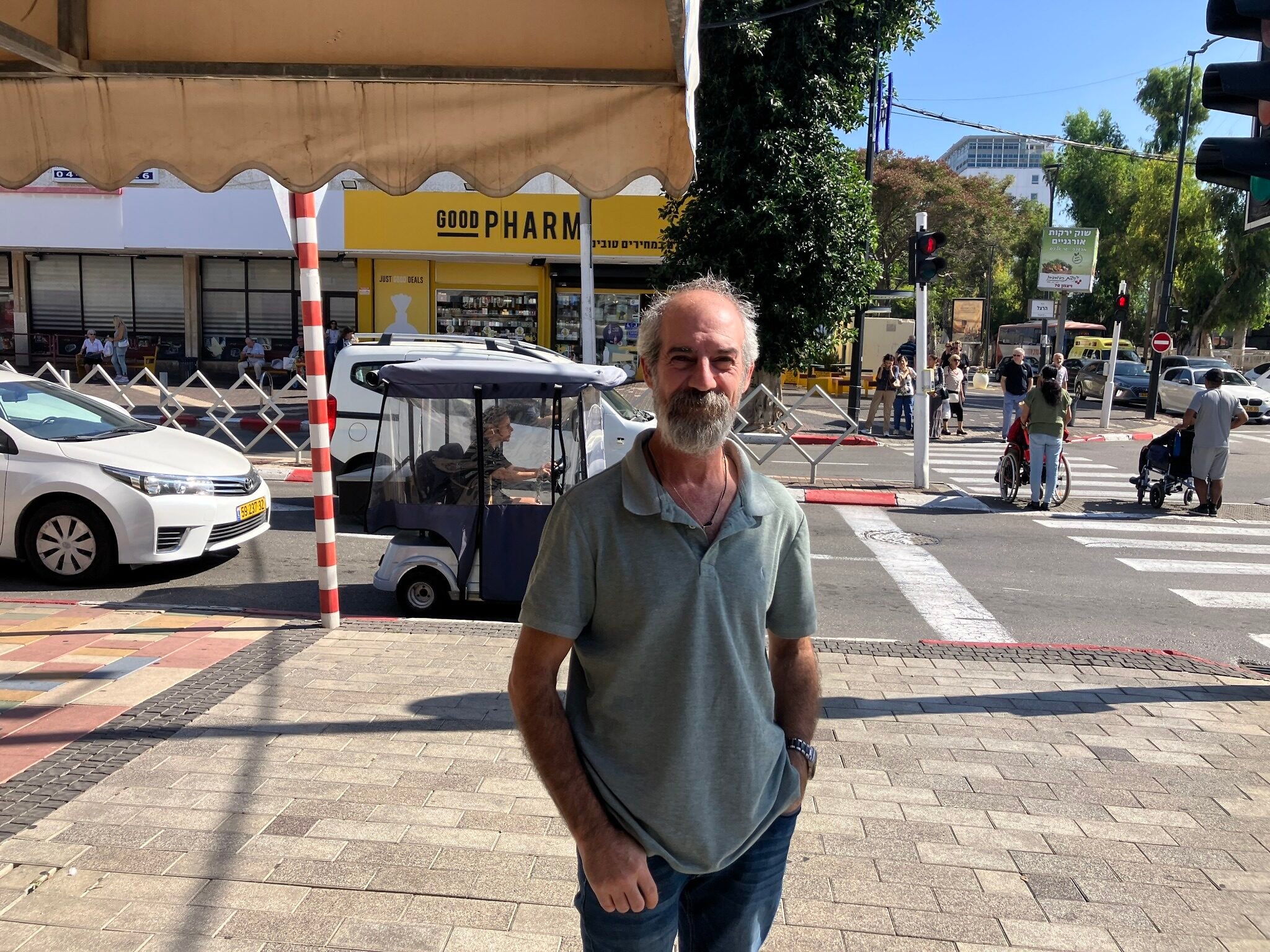
“I voted against Netanyahu,” Janower said. “But now I hope that he, Liberman, and Eisenkot form a unity government. These three people can give strength to the nation.”
Arabs are ‘tired of being pushed to the sidelines’
In the predominantly Muslim town of Mazra’a, about two kilometers (1.2 miles) away, Amir Awad, a lawyer, told The Times of Israel in his office that “this was the most fateful election in Israel’s history for the Arab sector.”
“Arab citizens shifted from boycotting the ballot box to actively using their democratic rights,” Awad said. “They voted out of distress, feeling their very existence is threatened.”
In the past government, he said, “Nobody addressed crime, education, infrastructure, or budgets in the Arab sector.”
“Arab Israelis make up 20 percent of society,” Awad said. “We want to be part of this country. We’re not a threat. We want to shape our own future. Arabs are helping to build the country in research, medicine, and high-tech.”
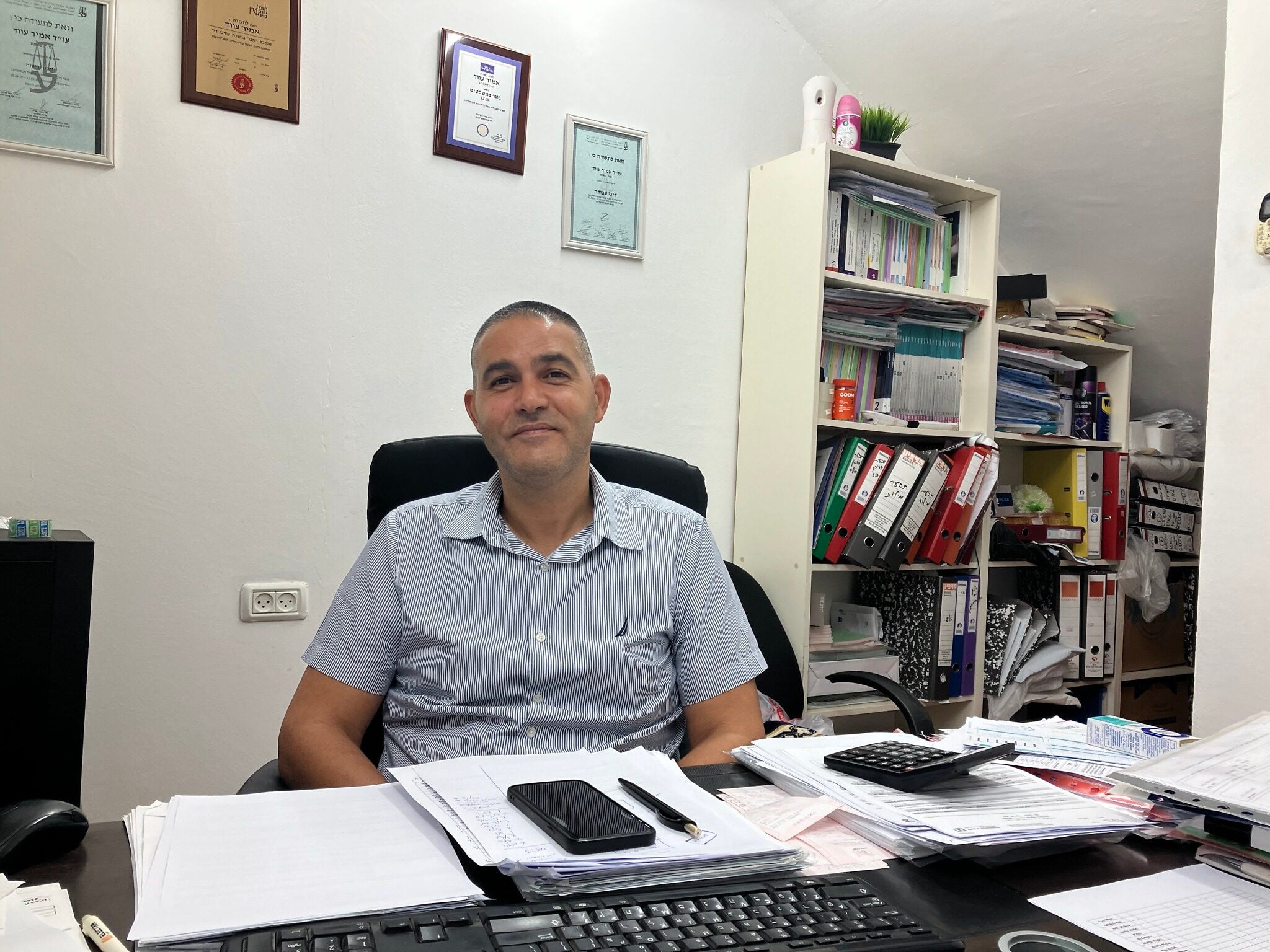
Awad, who voted for Ra’am, said that its leader, Mansour Abbas, has signaled he opposes Hamas and favors civic service among Arab youth, who are now exempt from any mandatory national service.
Despite that, Awad lamented, “The political establishment does not want them in the coalition.”
To Arab voters, it feels as if “an X was drawn across all 19 mandates, leaving them to ask why they voted at all. If there is another election, instead of 19 votes, we’ll get 25.”
“We are tired of being pushed to the sidelines,” he said. “In the United States, those accusing Israel of being an apartheid and genocide state won elections, making it critical for Israel to prove to the world that it is a true Middle Eastern democracy.”
He paused and then added, “We want to be partners in repairing the country.”



The Times of Israel Community.