

Houthis building new longer-range missiles with Chinese-imported parts – report
WSJ cites arms-tracking group’s assessment of Yemeni rebels’ efforts to build variant of Iran’s Kheibar Shekan ballistic missiles, which could have a 1,900-km range
 Add ToI as a Preferred Source on Google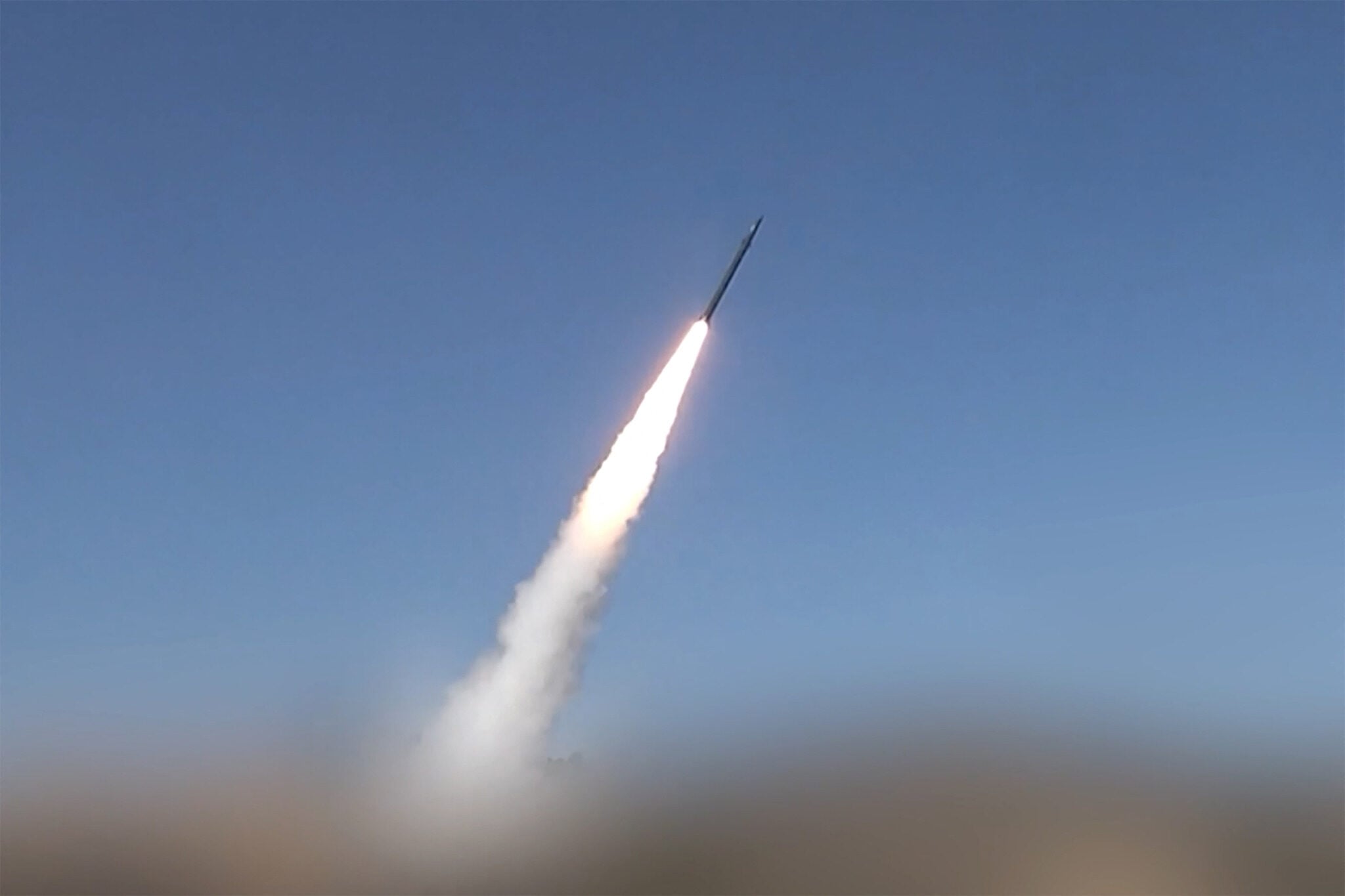
Yemen’s Houthi rebels are trying to build advanced medium-range ballistic missiles using parts delivered from China, the Wall Street Journal reported Wednesday, citing an assessment by a British arms-tracking organization.
The report came as a violent battle between a Saudi-led coalition and the Houthis has erupted in recent days, with missile strikes on airports and energy facilities across the kingdom. The latest round of fighting was triggered by Houthi strikes on Riyadh’s international airport over the weekend that left 13 people dead and operations suspended in the worst attack since 2015.
According to Conflict Armament Research, the Tehran-backed rebel group is attempting to build a longer range version of Iran’s Kheibar Shekan precision-guided missile using a selection of Chinese parts.
The planned projectile would have a range of some 1,900 kilometers (1,200 miles), the report said, meaning that it could be used to target Israel as well as regions of Saudi Arabia and other Gulf countries that are further from the Yemen border.
The Kheibar Shekan, or Kheibar-buster, is named after a Jewish castle in Saudi Arabia overrun by Muslim warriors in the early days of Islam.
It has a current range of 1,450 kilometers (900 miles), making it fully capable of reaching Gulf nations and much of Israel. Its ability to be quickly deployed and launched has helped the Iranians avoid airstrikes during the war by the Israeli and US air forces as they hunted for and eliminated launch sites.

According to the report, Beijing insists it does not provide the Houthis with arms, and that it adheres to the UN arms embargo on the Iran-backed group.
China, as well as private Chinese companies, has long supplied Iran and its proxy forces with weapons and parts, and has been Tehran’s largest trading partner for more than a decade as the main buyer of its oil.
Despite the reported arms sales, China privately asked Tehran to help rein in the Houthis last month, according to several sources familiar with the talks. China has publicly called for restraint, dialogue and the restoration of safe navigation, but its private message went further than the public statements, the sources said.
Chinese officials did not issue any explicit threats or indicate that Beijing would seek to pressure Tehran economically if it failed to use its influence over the Houthis, the three Iranian sources said.
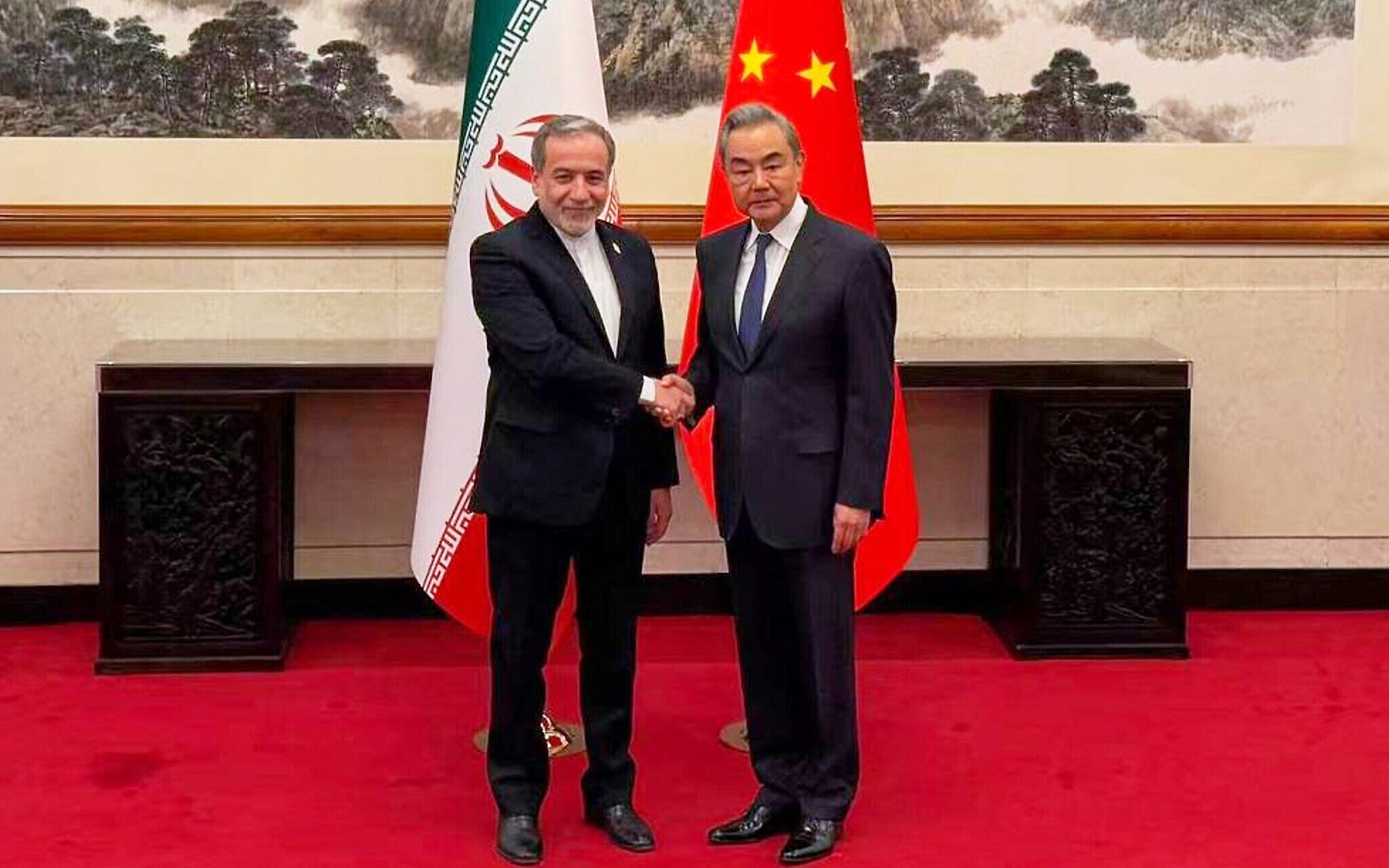
China is among the few countries with the financial capacity to provide the investment Tehran needs to sustain its oil industry and ease pressure on its economy, battered by war and sanctions.
“Beijing is one of the few capitals that can still press Iran to rein in the Houthis,” said a senior Western diplomat in the region.
Beijing has also demonstrated its diplomatic influence. In 2023, China brokered the agreement that restored ties between Iran and Saudi Arabia after years of hostility.
That influence has limits, however. Critics inside Iran have complained about the relatively modest level of Chinese non-oil trade and investment since the two countries signed a 25-year cooperation pact in 2021, particularly compared with China’s growing investment commitments in Gulf Arab states.
China remains a factor Tehran cannot afford to ignore, but two of the Iranian sources said Beijing’s interests were only one consideration among many. Iran’s decisions are shaped by competing strategic, economic and political priorities, they said.







The Times of Israel Community.