

Student killed in blast near Lebanon border ID’d as 9th grader Elazar Yair Wilensky
More than a dozen hospitalized, five kids in serious condition, as Education Ministry says the route it approved didn’t cross into restricted area, group may have gone off-trail
 Add ToI as a Preferred Source on Google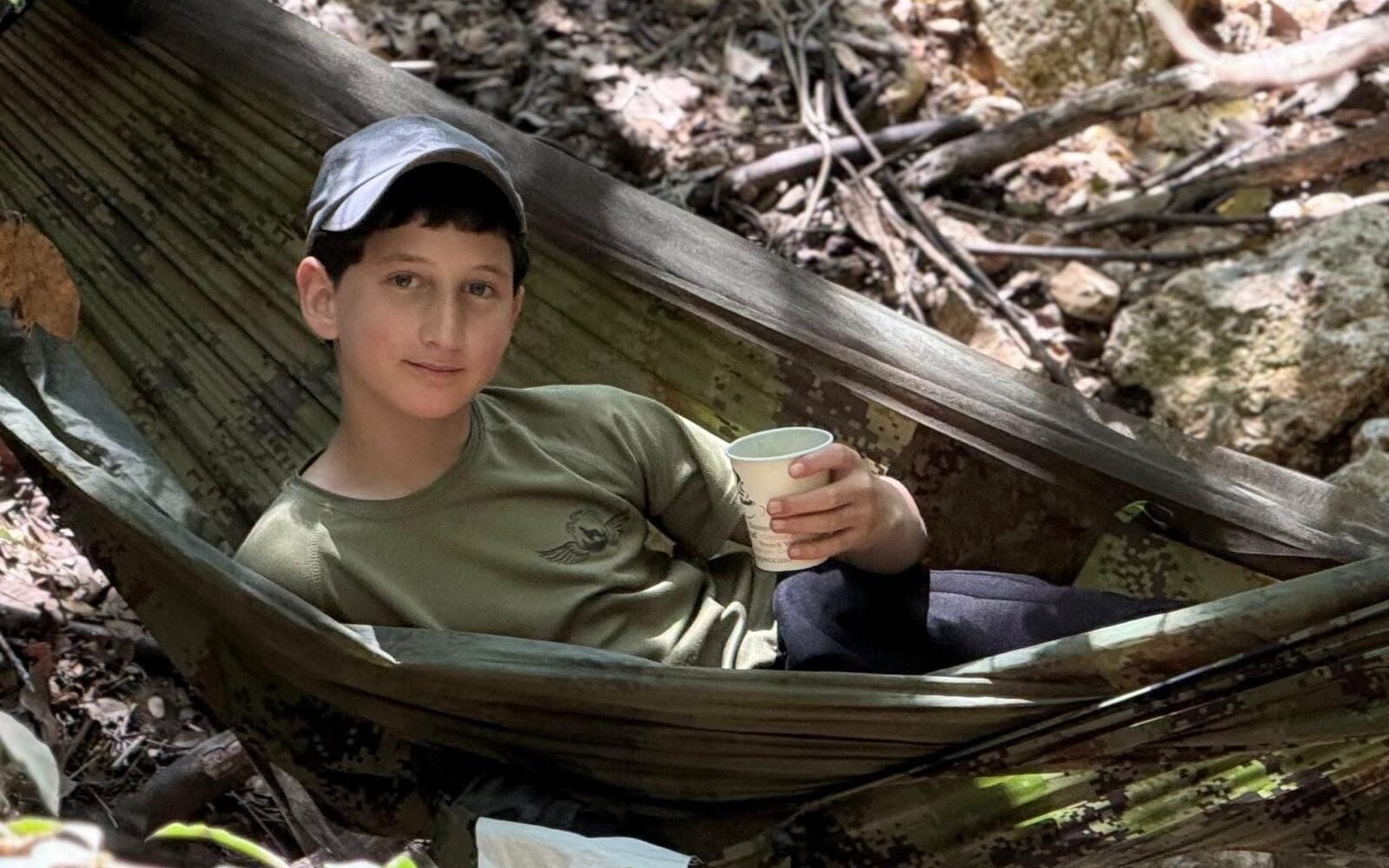
A high schooler killed in a Monday explosion of Hezbollah ordnance during a school trip near the Lebanon border was named as 9th grader Elazar Yair Wilensky.
A statement from the family said Wilensky, 13, was the youngest of five siblings and was “smart, wise and full of joy for life. A loving and good friend, whose whole life was ahead of him.”
Wilensky was a competitive fencer, considered among the best of his age group in Israel, according to the Ynet news site. He is survived by his parents, three sisters, and a brother.
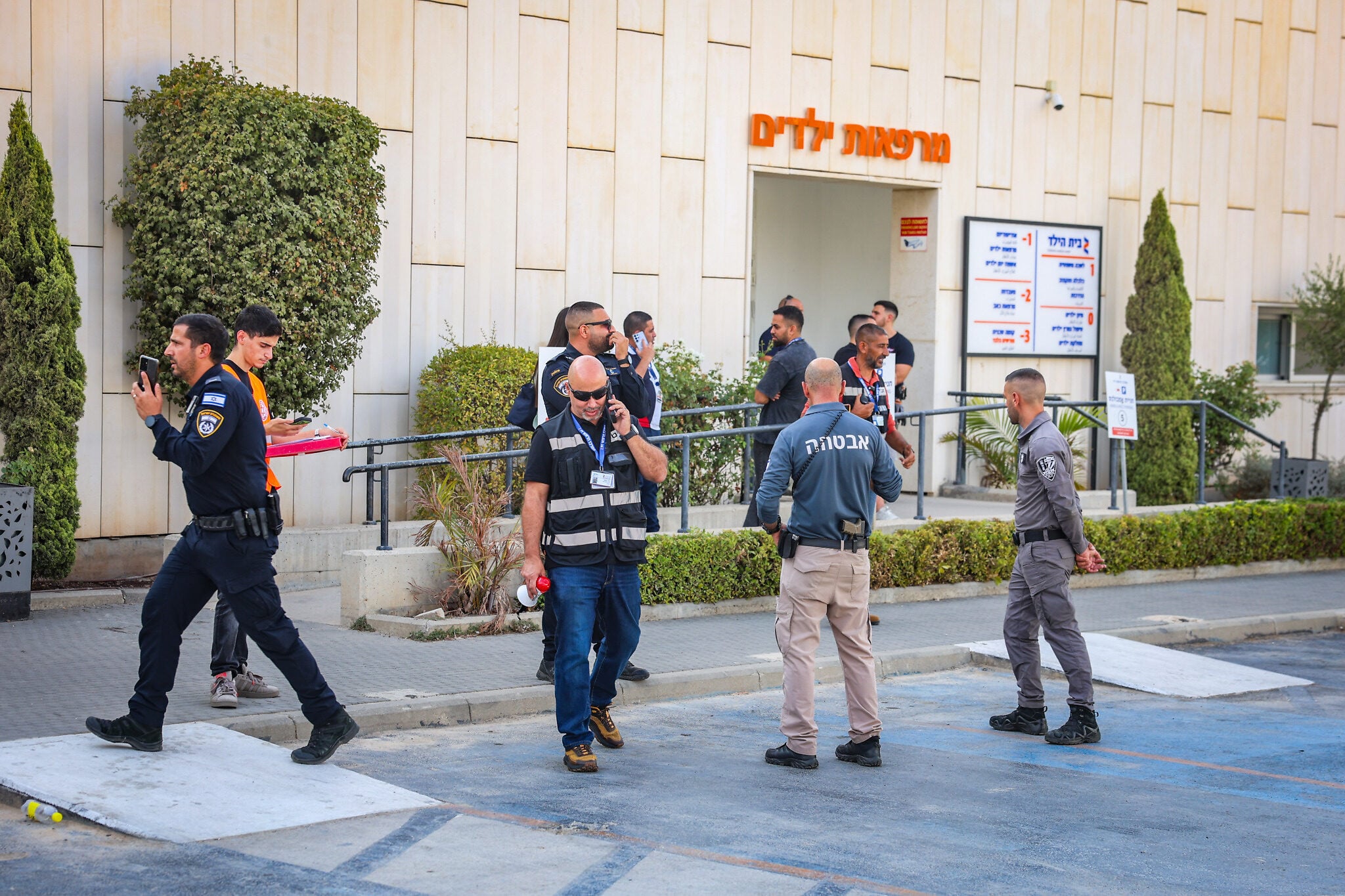
In total, five children were in serious condition as a result of the blast, as of Tuesday morning.
Three children and one adult were in stable, moderate condition in Haifa’s Rambam Health Care Campus. At Ziv Medical Center, two children were in serious condition, with one sedated and ventilated, nine children were in good condition, and two adults were in good to moderate condition.
A total of eight children were admitted to Galilee Medical Center in Nahariya. Three were severely injured, one was moderately hurt and four had mild injuries, the hospital said.
The Health Ministry said that a treatment center for individuals suffering from acute stress had been opened at Ziv Medical Center, staffed by a specialized team dedicated to child and adolescent mental health.
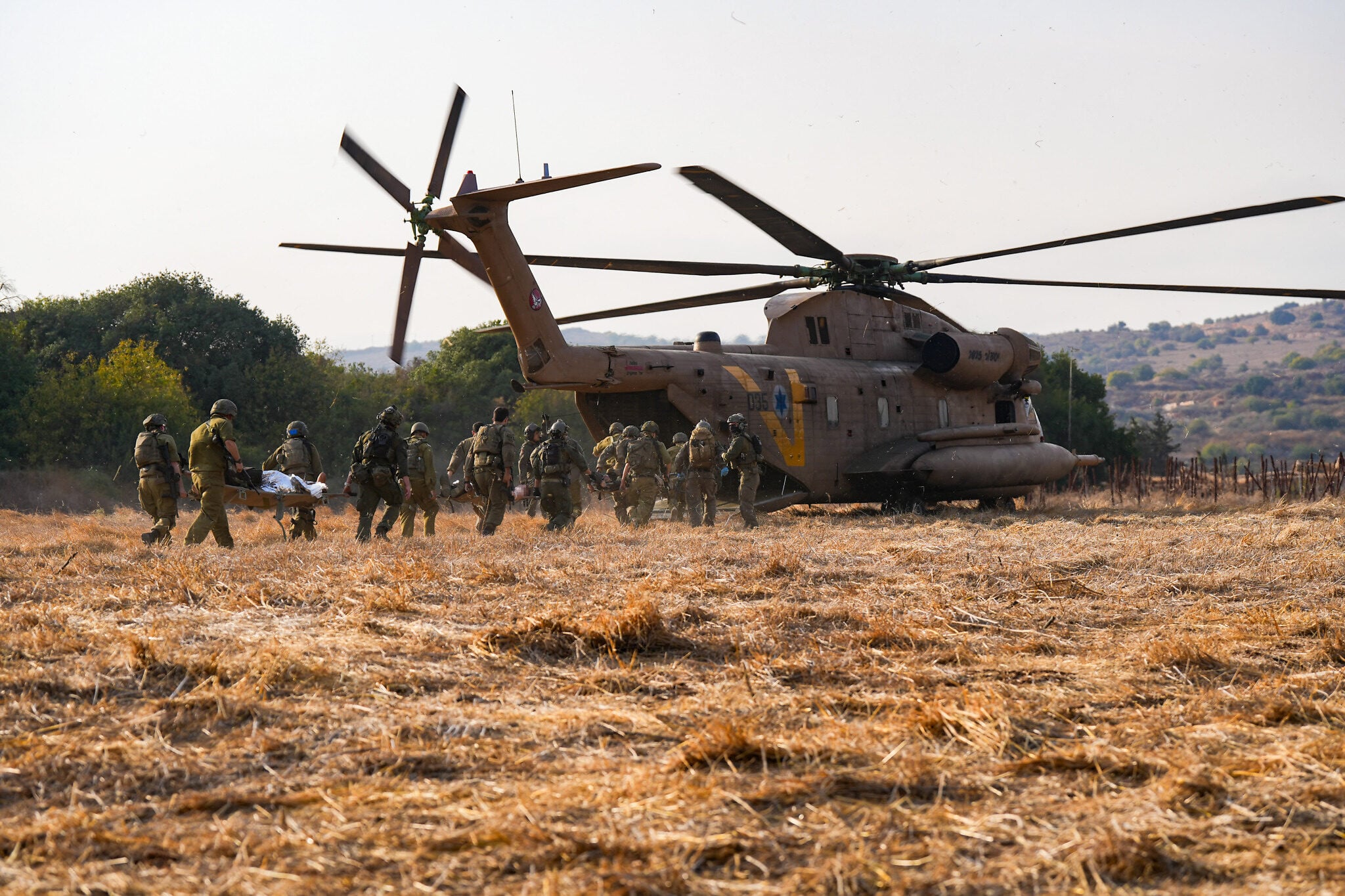
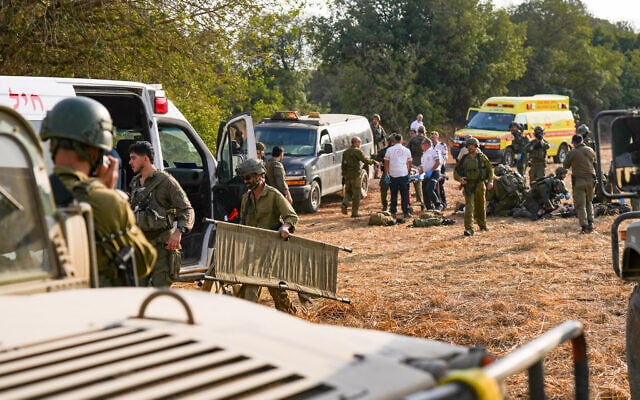
The deadly blast occurred around 3:30 p.m. on Monday, when a group of students and teachers from the ORT Ma’alot school were hiking the Naftali Mountains Forest scenic route in the Ramim Ridge area.
The school hike – a 3-day trip along the Israel Trail – was approved by authorities, despite a sign posted by the KKL-JNF Jewish National Fund warning of “war damage,” and announcing an “absolute ban on entering forests and campsites.”
The incident prompted both an investigation into how that decision was made, and a request from the Education Ministry that the Israel Defense Forces check all trails along the Lebanon border for any further ordnance.
During the recent war, Hezbollah launched several Grad rockets containing dozens of BRB1-type (also known as A-09) submunitions at northern Israel. The rockets spread the submunitions over wide areas, and they often do not explode on impact. Images from Monday indicated this was the type of ordnance encountered by the group.
KKL-JNF chairman Eyal Ostrinsky told Army Radio that the trail was closed, and that he didn’t understand why the Education Ministry had approved the route for the hike.
“We still haven’t finished taking care of it. Until last June we weren’t able to do any work there. Only on June 26 did we enter to rehabilitate that forest, and aside from the trail itself, which is critical for security, all the rest of the area we haven’t yet finished restoring.”
“We passed the information along to all of our partners, and to the best of my knowledge and understanding, it was received in the operations room of the Education Ministry, which is led by the Society for the Protection of Nature in Israel,” Ostrinsky reported.
“They also asked KKL-JNF if the site was opened again, and the answer was no.”
Education Ministry: OK’d route didn’t enter restricted area
In a statement Tuesday, the Education Ministry said the approved route for the hike did not cross into restricted area, suggesting the group may have strayed off the designated trail.
“The Education Ministry acted in accordance with KKL restrictions and had prohibited activities in the area in question due to war-related damage; the planned hiking route did not traverse the restricted zone,” it saiad.
“As part of the trip approval process, explicit safety instructions were issued, including a strict prohibition against touching missile debris or unexploded ordnance, alongside a directive to report such items immediately,” the ministry continued.
It added that the “route actually taken” was being examined by the IDF, police and the ministry.

Following the incident, all school hikes in the north planned for the following two days, October 13-14, were canceled.
“In parallel, safety instructions have been sharpened, with an emphasis on the hazard of unexploded ordnance anywhere in Israel, and any request to alter or exclude a trail will be examined by the Education Ministry’s trips directorate,” the ministry said.
“In the coming days, the Education Ministry will continue, with the relevant partners, to examine the framework for approving activities,” it said.
Eliyahu Galil, the father of one of the students, told Channel 13 that his son “said he saw things you’re not supposed to see, and he added that some of the students held the ordnance and passed it around, some of them took photos of it.”
Other students reported that “the young man who was killed was the one who found it, and brought it over to photograph it – and then it exploded,” according to the network.
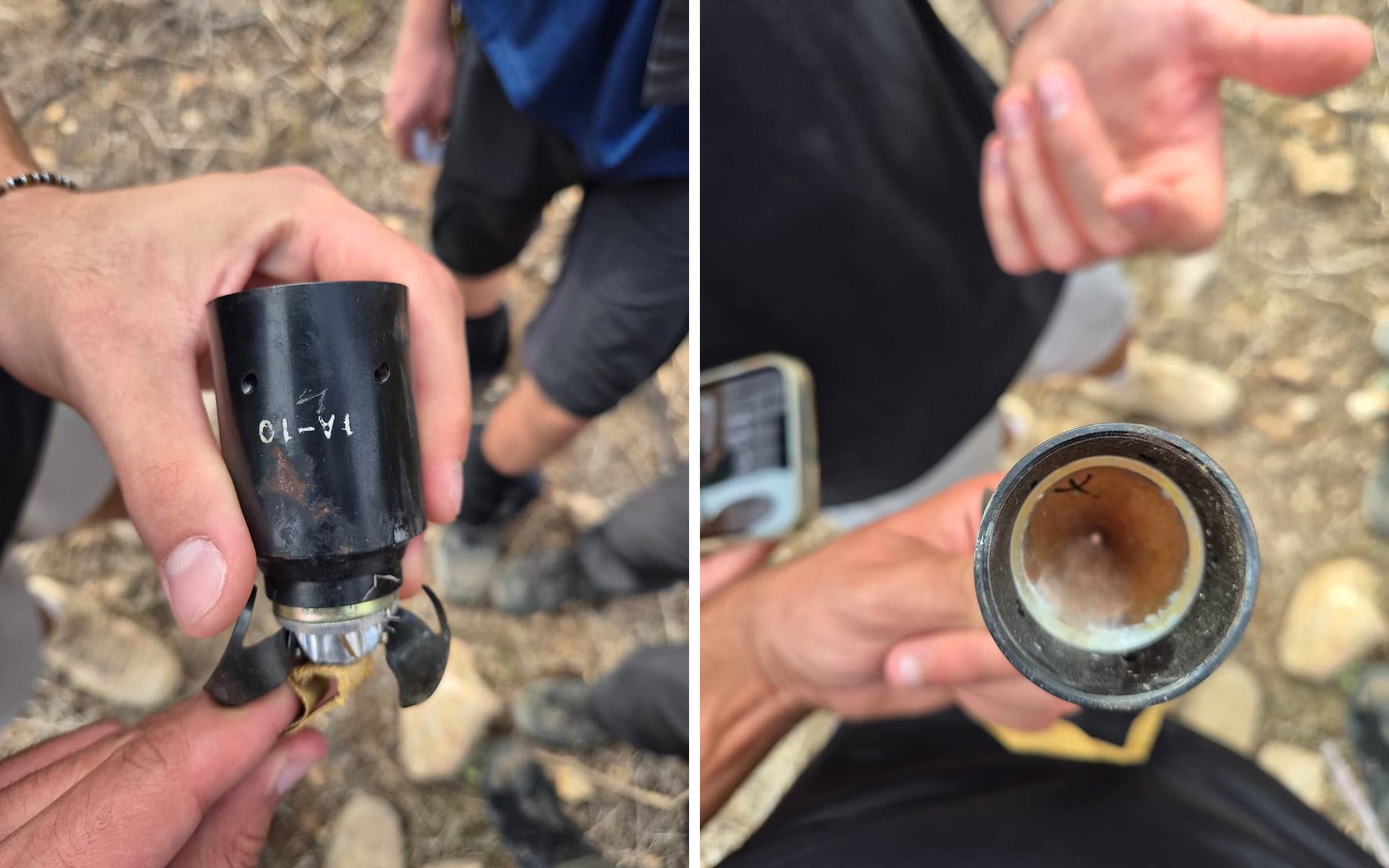
The Kan public broadcaster, echoing earlier reports, said that a preliminary investigation indicated a student had placed the ordnance in his bag when it exploded. According to Ynet, the explosion occurred while the students were stopped at the Pe’er Observation Point in the Upper Galilee to eat.
The students said they did not see the KKL-JNF sign, Ynet reported.
One of the wounded, speaking to Kan, recalled: “I heard, all of a sudden, a crazy boom, I fell, I was thrown back, and then I saw there was blood coming down from my arms and legs. There were shouts, people were crying, I didn’t understand what happened.”
Hebrew reports said the students provided some emergency medical care to each other in the immediate wake of the explosion, including providing tourniquets and, in one case, CPR.
Emanuel Fabian contributed to this report.




The Times of Israel Community.